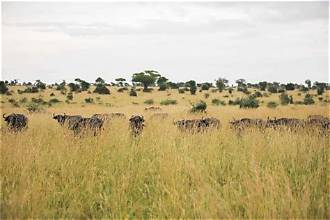

Tanzania Migration Calendar Month for Travel
Tanzania Migration Calendar Month for Travel: Complete Guide
Tanzania offers one of the greatest wildlife spectacles on Earth. Every year, millions of wildebeest, zebras, and gazelles move across the Serengeti ecosystem.
This enormous movement creates the Great Wildebeest Migration. However, the animals do not follow a fixed route every year.
Rainfall, grass growth, water availability, and animal behavior influence their movements. Therefore, understanding the Tanzania migration calendar month for travel helps you choose the best destination and travel period.
The migration continues throughout the year. Each month offers different wildlife experiences.
What Is the Great Migration in Tanzania?
The Great Migration involves more than a million wildebeest moving through the Serengeti ecosystem. Large numbers of zebras and gazelles travel alongside them.
The animals search for fresh grazing and water. Their movement follows seasonal rainfall and grass growth.
The migration begins in Tanzania’s southern Serengeti and Ngorongoro ecosystem. The herds then move through the central and western Serengeti before reaching northern Tanzania.
Many herds eventually cross into Kenya’s Maasai Mara. They later return south toward Tanzania. This creates a continuous cycle rather than a single annual event.
Tanzania Migration Calendar by Month
The migration changes location throughout the year.
January: Calving season in southern Serengeti and Ndutu.
February: Peak calving and predator activity.
March: Calving continues as herds begin preparing to move.
April: Herds begin moving north and west as rains influence grazing.
May: Migration progresses toward the Western Corridor.
June: Herds gather around the Grumeti region and begin moving north.
July: Northern Serengeti becomes increasingly important.
August: Mara River crossings can provide spectacular wildlife viewing.
September: River crossings may continue, while herds spread across northern Serengeti.
October: Herds begin moving south as rainfall patterns change.
November: Short rains encourage movement toward central and southern Serengeti.
December: Herds return toward the southern plains.
These movements can vary each year. Safari planning should therefore remain flexible.
Tanzania Migration in January
January marks the beginning of the famous calving season.
Large herds gather across the southern Serengeti and Ndutu area. Fresh grass provides abundant food for pregnant females and newborn calves.
This period creates excellent opportunities for observing young wildebeest.
Predators also become highly active. Lions, cheetahs, hyenas, and other predators target vulnerable newborns.
January offers one of the best periods for travelers interested in predator action and newborn wildlife.
Tanzania Migration in February
February usually represents the peak calving period.
Thousands of wildebeest calves can be born within a relatively short period. This attracts large numbers of predators.
The southern Serengeti and Ndutu region become particularly important.
Photographers can capture dramatic scenes involving newborn animals, predator pursuits, and large herds.
February remains one of the strongest months for a Tanzania migration safari.
Tanzania Migration in March
Calving can continue into March.
The herds remain in the southern Serengeti while grazing remains productive.
As the rains change and grass conditions shift, the animals begin preparing for their northward movement.
March provides excellent wildlife viewing without focusing only on river crossings.
It also offers opportunities to combine the migration with Ngorongoro Crater.
Tanzania Migration in April
April brings the long rains across much of Tanzania.
The herds begin moving toward areas with fresh grazing. Some animals start leaving the southern plains.
Travel conditions can become wetter. Roads may become muddy in some areas.
However, landscapes look exceptionally green.
April can appeal to travelers who prefer fewer visitors and lush scenery.
Tanzania Migration in May
May marks an important transition period.
The herds increasingly move toward the Western Corridor and central Serengeti.
Large columns of wildebeest can form as animals travel across open plains.
The migration can create dramatic wildlife scenes even though the famous river crossings have not yet reached their peak.
May can also offer a quieter safari atmosphere.
Tanzania Migration in June
June often marks the beginning of the main migration movement toward northern Serengeti.
The herds may gather around the Western Corridor and Grumeti region.
The Grumeti River can create challenging crossings. Crocodiles and other predators wait near water.
The timing of crossings varies considerably. Some years see crossings earlier or later.
June offers an excellent opportunity to follow the migration before peak northern-season crowds.
Tanzania Migration in July
July marks the beginning of the famous northern migration period.
Large herds can move toward northern Serengeti. Some begin approaching the Mara River.
River crossings may occur during this period.
However, travelers should not expect crossings on specific dates. Herds can remain near rivers for days before deciding to cross.
July provides excellent wildlife viewing throughout northern Serengeti.
Tanzania Migration in August
August is one of the most popular months for the Great Migration.
Large herds can gather near the Mara River. Dramatic crossings may occur when animals enter the water.
Crocodiles create an additional danger. Lions, leopards, and other predators also follow the herds.
However, river crossings remain unpredictable. You may spend hours waiting before the animals cross.
Patience becomes an important part of the migration experience.
Tanzania Migration in September
September can continue the northern migration spectacle.
Some herds remain around northern Serengeti and the Mara River. Others begin moving into Kenya’s Maasai Mara.
River crossings can still occur.
Visitor numbers may remain high around popular crossing locations.
September works well for travelers who want a chance to witness river crossings while maintaining access to broader Serengeti wildlife experiences.
Tanzania Migration in October
October usually marks the beginning of the southward movement.
The herds start leaving northern Serengeti as rainfall patterns change.
Animals begin moving toward central Serengeti and eventually the southern plains.
October provides good opportunities to observe large herds on the move.
It can also offer fewer crowds than the peak August period.
Tanzania Migration in November
November brings the short rains.
Fresh grass begins appearing in parts of the Serengeti. This encourages the herds to move south.
The migration becomes more dispersed as animals travel toward the southern plains.
November can provide excellent scenery and fewer visitors.
Travelers who prefer quieter safaris can consider this period.
Tanzania Migration in December
December brings the migration back toward the southern Serengeti.
Large herds can begin gathering around the Ndutu region.
Fresh grass becomes increasingly important as the calving season approaches.
December offers excellent wildlife viewing and attractive green landscapes.
It also provides an opportunity to combine the migration with Christmas or New Year travel.
When Is the Best Month for the Tanzania Migration?
The best month depends on the experience you want.
February works exceptionally well for calving and predator action.
June and July offer excellent opportunities to follow the herds as they move north.
August and September provide some of the best chances for Mara River crossings.
October and November offer opportunities to watch the herds begin their return journey.
December and January provide excellent opportunities around the southern Serengeti.
There is no single best month for every traveler.
When Is the Best Time for Wildebeest Calving?
The main calving season usually occurs from January through March.
February often represents the peak period.
The southern Serengeti and Ndutu area become important destinations during this time.
Thousands of calves can be born during the season.
Predator activity also increases because newborn animals provide vulnerable prey.
Travelers interested in predator behavior should strongly consider January or February.
When Is the Best Time for River Crossings?
The most famous river crossings generally occur between July and October.
August and September often provide strong opportunities.
The Mara River crossings remain unpredictable. The herds may cross multiple times or remain on one side for extended periods.
Weather and herd movements influence the timing.
You should therefore avoid operators who guarantee a specific crossing on a particular date.
Where Should You Stay During the Migration?
Your accommodation should match the herd location.
During the calving season, consider lodges and camps around southern Serengeti and Ndutu.
During the western movement, the Western Corridor and Grumeti region become useful bases.
During the northern migration, northern Serengeti provides better access to the Mara River.
Mobile camps can offer a major advantage. They can follow the migration more closely than permanent properties.
Can You See the Migration Outside the Serengeti?
Yes. The migration moves through a wider ecosystem.
The herds interact with the Ngorongoro Conservation Area, Serengeti National Park, and Kenya’s Maasai Mara.
However, Tanzania remains central to the migration cycle.
A well-planned Tanzania safari can combine the migration with Tarangire National Park, Lake Manyara, and Ngorongoro Crater.
Is the Migration Guaranteed?
No. Wildlife migration remains a natural phenomenon.
The herds respond to rainfall and food availability. These factors can change from year to year.
River crossings present the greatest uncertainty.
You may arrive at a river and wait for hours or days. The animals may eventually cross at another location.
This unpredictability forms part of the migration experience.
Tanzania Migration Safari Packing Tips
Your packing list should match the season.
Bring lightweight clothing, a warm fleece, comfortable shoes, sunscreen, sunglasses, and a hat.
Early mornings can feel cold. A warm jacket becomes useful during dawn game drives.
During wet periods, carry a waterproof jacket and protect your camera equipment.
Binoculars can greatly improve your wildlife viewing experience.
A camera with a suitable telephoto lens can also help capture distant wildlife.
Tanzania Migration and Safari Crowds
The busiest migration periods usually include July through September.
Popular river-crossing locations can attract many safari vehicles.
January and February can also become busy around Ndutu.
Traveling during April, May, November, or parts of October can provide quieter conditions.
However, fewer visitors do not necessarily mean fewer animals. The migration continues according to natural conditions.
Plan Your Tanzania Migration Safari
Understanding the Tanzania migration calendar month for travel helps you choose the right region and season.
Choose January through March for calving and predator action. Consider June and July for the northward movement.
Choose August and September if river crossings rank among your priorities. October and November offer opportunities to watch the herds begin their return south.
December brings the migration back toward the southern Serengeti.
The migration never follows an exact calendar. Rainfall determines the precise movement each year.
Work with an experienced safari operator who monitors current conditions. This approach gives you the best chance of experiencing the migration in the right place at the right time.