
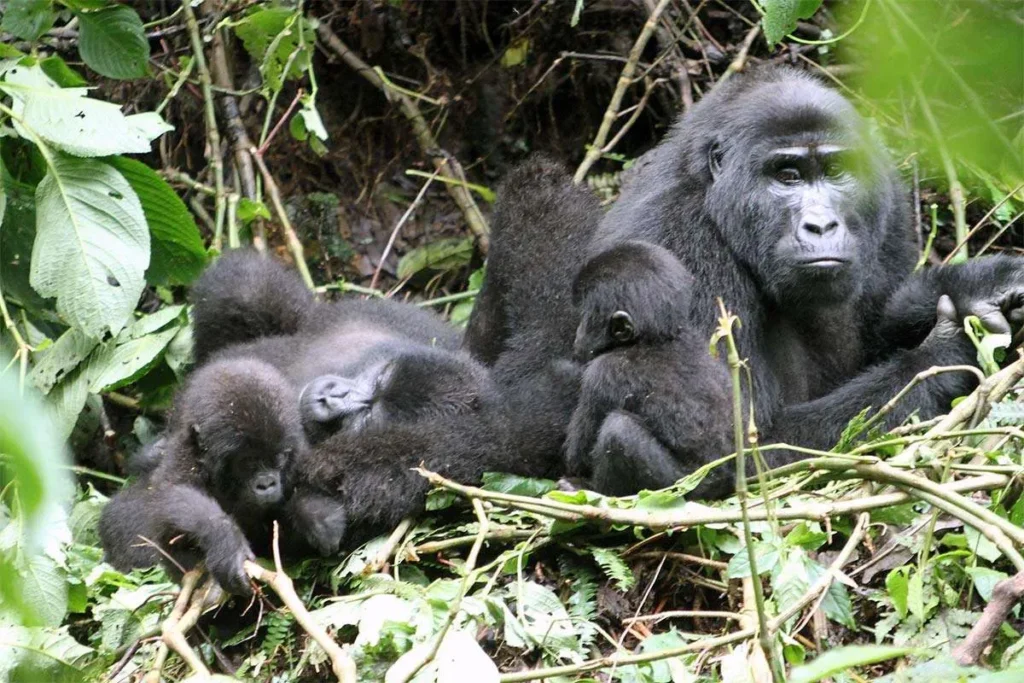
Nshongi Gorilla Family in Bwindi
Nshongi Gorilla Family in Bwindi: History, Location and Trekking Guide The Nshongi Gorilla Family holds an important place…
Read article →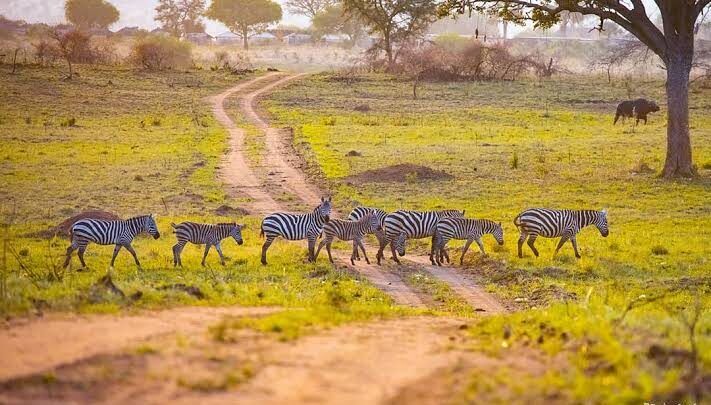
Travel Guide
Kidepo Valley National Park offers one of Uganda's most remote and dramatic safari experiences. The park sits in northeastern Uganda, far from the country's busy cities and more developed safari destinations. Its isolation creates a special…
Kidepo Valley National Park offers one of Uganda’s most remote and dramatic safari experiences. The park sits in northeastern Uganda, far from the country’s busy cities and more developed safari destinations.
Its isolation creates a special atmosphere. Vast plains stretch between rugged mountains, wildlife moves freely across open landscapes, and very few vehicles share the wilderness with you.
For travelers who want an authentic safari away from crowded parks, Kidepo Valley provides an exceptional choice. The journey takes more effort, but the reward comes through solitude, remarkable scenery, diverse wildlife, and encounters with local communities.
Kidepo Valley sits in the far northeastern corner of Uganda near the borders with Kenya and South Sudan.
The park covers a vast wilderness area with few roads, settlements, and tourist facilities inside the protected landscape.
This isolation limits visitor numbers and helps preserve the feeling of an untouched wilderness.
You can spend hours exploring the plains without seeing another safari vehicle. That sense of space makes Kidepo different from more accessible safari destinations.
Kidepo offers landscapes that look very different from the forests and wetlands found elsewhere in Uganda.
The park contains wide savannah plains, dry valleys, rocky outcrops, and mountain ranges.
The Narus Valley provides one of the most reliable wildlife-viewing areas, especially around water sources.
Kidepo also supports several species that you may not easily find in other Ugandan parks.
Kidepo supports an impressive variety of wildlife.
During game drives, you can search for lions, leopards, cheetahs, elephants, buffaloes, giraffes, zebras, hartebeests, oribis, elands, and several antelope species.
The park also provides opportunities to see jackals, hyenas, warthogs, baboons, and other smaller animals.
Some species have strong connections to the northeastern region of Uganda, making Kidepo particularly attractive to experienced safari travelers.
Lions remain among Kidepo’s most sought-after predators.
They often hunt across the open savannah and can appear around the Narus Valley.
Early morning and late afternoon provide some of the best conditions for searching for lions.
Your guide will use tracks, recent sightings, animal behavior, and local knowledge to improve your chances.
However, lions remain wild animals, so sightings can never come with a guarantee.
Kidepo represents one of the best places in Uganda to search for cheetahs.
The open plains provide suitable habitat for these fast predators.
Cheetahs often rely on open terrain where they can use their speed to pursue prey.
Seeing one can become a highlight of a Kidepo safari, although sightings remain less predictable than common herbivore encounters.
Elephants move through the park’s valleys and plains in search of water and food.
You may encounter them during game drives, particularly around areas with reliable water.
The open landscape can provide excellent opportunities to observe elephant herds from a safe distance.
Always follow your guide’s instructions around elephants because they remain powerful and unpredictable wild animals.
Kidepo supports populations of giraffes that move through the savannah and woodland.
Their height makes them relatively easy to spot when they stand in open areas.
Photographers can capture striking images against the mountains and wide skies.
The contrast between giraffes and Kidepo’s rugged landscape creates some of the park’s most memorable safari scenes.
Large buffalo herds can appear across the park.
Kidepo also supports several antelope species, including greater kudu, eland, hartebeest, oribi, and Uganda kob.
The diversity of herbivores helps support the park’s predator populations.
A good guide can help identify species that visitors might otherwise mistake for one another.
The greater kudu remains one of Kidepo’s most attractive antelopes.
Males have impressive spiral horns and distinctive markings.
They often prefer woodland and areas with thicker vegetation.
Seeing a male greater kudu in the wild can become a memorable moment for wildlife enthusiasts and photographers.
Kidepo’s remote location allows several species associated with Uganda’s northeastern ecosystems to thrive.
The park provides habitat for species that travelers may not encounter during a standard Uganda safari through Murchison Falls, Queen Elizabeth, and Bwindi.
This makes Kidepo particularly valuable for repeat visitors who want to expand their Uganda wildlife list.
The Narus Valley provides one of Kidepo’s most productive wildlife-viewing areas.
A permanent water source attracts animals, particularly during drier periods.
Game drives through the valley can produce sightings of elephants, buffaloes, lions, giraffes, and antelopes.
The surrounding mountains create a spectacular backdrop.
The valley also offers some of the best photographic scenery in the park.
The Kidepo Valley itself provides a different experience.
The landscape becomes drier and more open, with seasonal watercourses and expansive plains.
The valley can feel almost completely untouched.
During some periods, wildlife becomes more dispersed, but the scenery alone makes the drive worthwhile.
The valley also provides excellent opportunities to experience Kidepo’s sense of wilderness and isolation.
The dry season generally provides some of the easiest wildlife viewing conditions.
Animals often gather around permanent water sources, and vegetation becomes less dense.
The period from around June to September often provides favorable conditions for safari travel.
The drier months around December to February can also offer good wildlife viewing.
However, Kidepo remains rewarding during wetter months when the landscape becomes greener and more dramatic.
Rain transforms Kidepo’s landscape.
The plains become greener, seasonal rivers flow, and wildlife spreads across the park.
Birdlife can also become particularly interesting during wetter periods.
Road conditions may become more challenging after heavy rainfall.
If you travel during this period, allow extra flexibility in your itinerary.
Kidepo’s remote location makes transportation an important part of planning.
You can reach the park by road from other parts of Uganda, but the journey can take many hours.
Many travelers choose to fly from Entebbe or another safari destination to an airstrip near the park.
A flying safari saves significant travel time and allows you to spend more time enjoying the wilderness.
Road travel works well for travelers who enjoy long scenic journeys and want to experience more of northern Uganda.
A road journey to Kidepo can form an adventure in its own right.
The route takes you through changing landscapes and rural communities.
You can combine the journey with other destinations, depending on the length of your trip.
However, you should allow enough travel time because distances remain considerable.
A strong 4WD safari vehicle becomes essential, particularly when traveling during wet conditions.
Flying provides the fastest and most convenient way to reach Kidepo.
Scheduled and charter flights can connect Kidepo with other safari destinations and Entebbe, depending on current flight schedules.
A fly-in safari works especially well for travelers with limited time.
You can spend more days inside the park instead of using several days for road transfers.
Kidepo offers several accommodation options, ranging from comfortable safari lodges to more exclusive wilderness camps.
Apoka Safari Lodge remains one of the best-known properties in the park.
Other camps and lodges provide different levels of comfort and location.
When choosing accommodation, consider how close you want to stay to the main wildlife-viewing areas and whether you prefer a lodge or tented camp experience.
Apoka Safari Lodge provides one of the most established luxury accommodation experiences in Kidepo.
The lodge sits on a rocky ridge overlooking the surrounding wilderness.
Its location creates impressive views across the savannah.
The lodge works particularly well for travelers who want comfort while maintaining a strong connection with the wilderness.
Kidepo offers more than wildlife.
The surrounding region supports communities with rich cultural traditions, including the Karamojong people.
A community visit can provide insight into traditional livelihoods, livestock keeping, music, dance, and local customs.
Choose responsible cultural experiences that respect local communities and provide direct benefits to the people you visit.
The Karamojong maintain strong connections with livestock and traditional pastoral lifestyles.
A guided cultural visit can introduce travelers to aspects of daily life, traditional homes, local crafts, and community traditions.
These experiences can add depth to a Kidepo safari.
Approach cultural tourism with respect. Always ask before taking photographs of people and follow your local guide’s instructions.
Kidepo provides excellent birdwatching opportunities.
The park’s varied habitats support both resident and migratory species.
Birdwatchers can search for raptors, bustards, hornbills, bee-eaters, vultures, and other savannah species.
The park’s remote location also makes birdwatching feel peaceful because traffic and human activity remain limited.
Pack lightweight safari clothing, comfortable shoes, sunscreen, sunglasses, and a wide-brimmed hat.
A light jacket can help during cool early mornings.
Bring a waterproof jacket during wetter months.
Binoculars remain useful for wildlife and birdwatching.
Photographers should carry spare batteries, memory cards, and protection against dust and moisture.
Kidepo provides organized safari experiences with professional guides and park authorities.
However, the park’s remote location means travelers should avoid independent exploration.
Stay inside your safari vehicle unless your guide confirms that you can safely leave it.
Never approach wildlife on foot.
Your guide understands the area and can help you respond appropriately to wildlife encounters and changing conditions.
Allow at least three nights if possible.
This gives you time for several game drives and allows flexibility if weather or wildlife movements affect your plans.
Four or five nights can provide an even deeper experience.
Longer stays work particularly well for photographers, birdwatchers, and travelers who want to explore the park at a slower pace.
For travelers seeking remote wilderness, Kidepo is absolutely worth considering.
The park offers spectacular landscapes, diverse wildlife, low visitor numbers, and cultural experiences.
Its distance from Uganda’s main tourism centers forms part of its appeal.
You do not simply visit Kidepo for wildlife. You travel there to experience space, silence, mountains, plains, and a wilderness that feels far removed from everyday life.
Kidepo Valley National Park offers one of Uganda’s most remote and rewarding safari experiences. Its isolation, dramatic scenery, diverse wildlife, and low visitor numbers create a genuine wilderness atmosphere.
You can search for lions, cheetahs, elephants, giraffes, buffaloes, greater kudus, elands, zebras, and many other species during game drives.
The Narus Valley offers some of the best wildlife viewing, while the wider Kidepo Valley provides spectacular scenery and a stronger sense of isolation.
For a comfortable safari, consider flying into the park and staying for at least three nights. Travelers with more time can choose a road safari and combine Kidepo with other northern Uganda destinations.
Add a responsible Karamojong cultural experience to understand the people and traditions of the region.
Kidepo requires more effort than many Ugandan safari destinations, but that distance helps protect its wild character. If you want a safari with fewer vehicles, vast landscapes, and a true sense of remoteness, Kidepo deserves a place on your Uganda itinerary.

Nshongi Gorilla Family in Bwindi: History, Location and Trekking Guide The Nshongi Gorilla Family holds an important place…
Read article →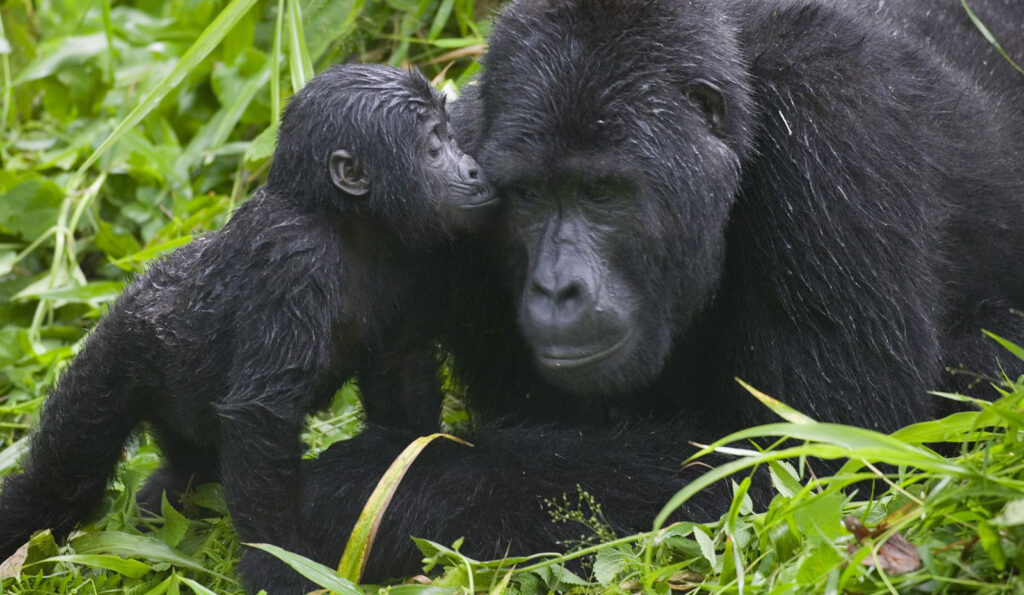
Mishaya Gorilla Family in Bwindi: History, Trekking and What to Know The Mishaya Gorilla Family is one of…
Read article →
Semuliki Hot Springs Visit Guide: What to Expect Semuliki Hot Springs offers one of the most unusual natural…
Read article →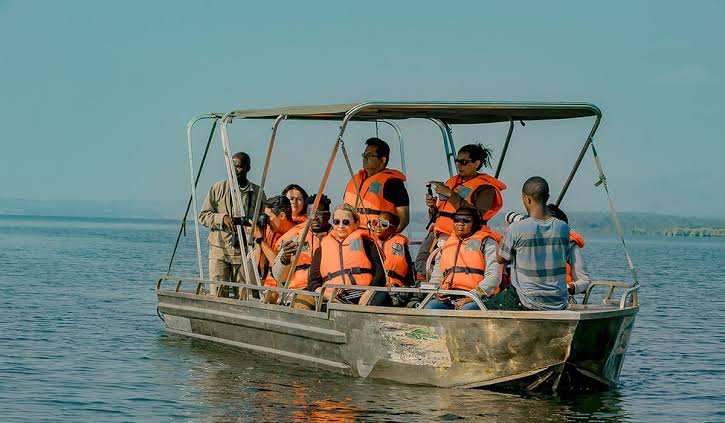
Akagera Boat Cruise on Lake Ihema: What to Expect A boat cruise on Lake Ihema offers one of…
Read article →