
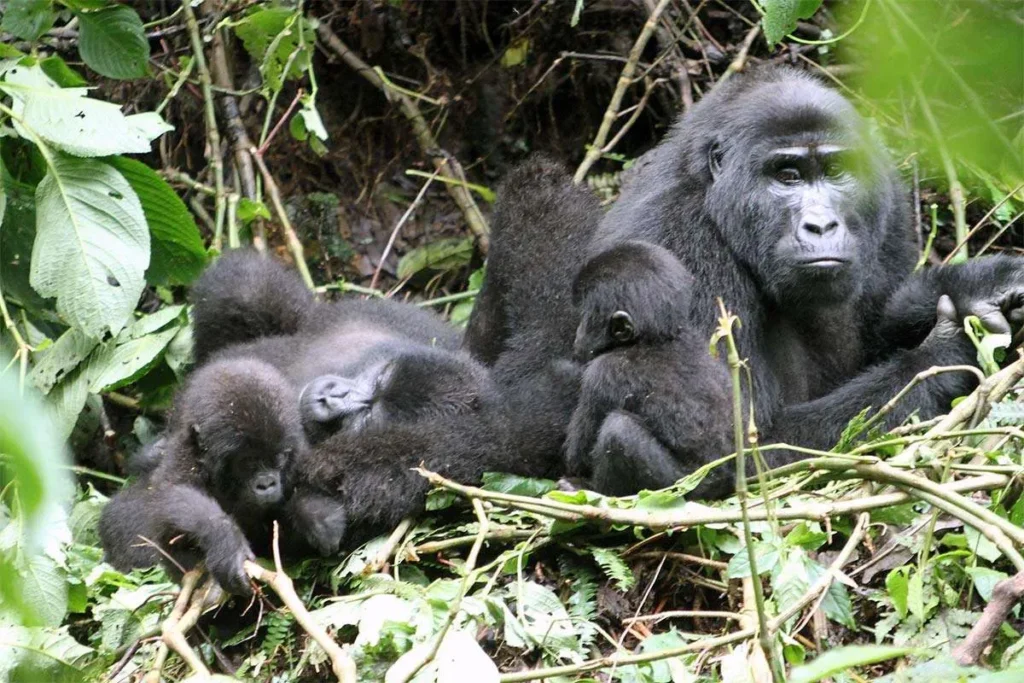
Nshongi Gorilla Family in Bwindi
Nshongi Gorilla Family in Bwindi: History, Location and Trekking Guide The Nshongi Gorilla Family holds an important place…
Read article →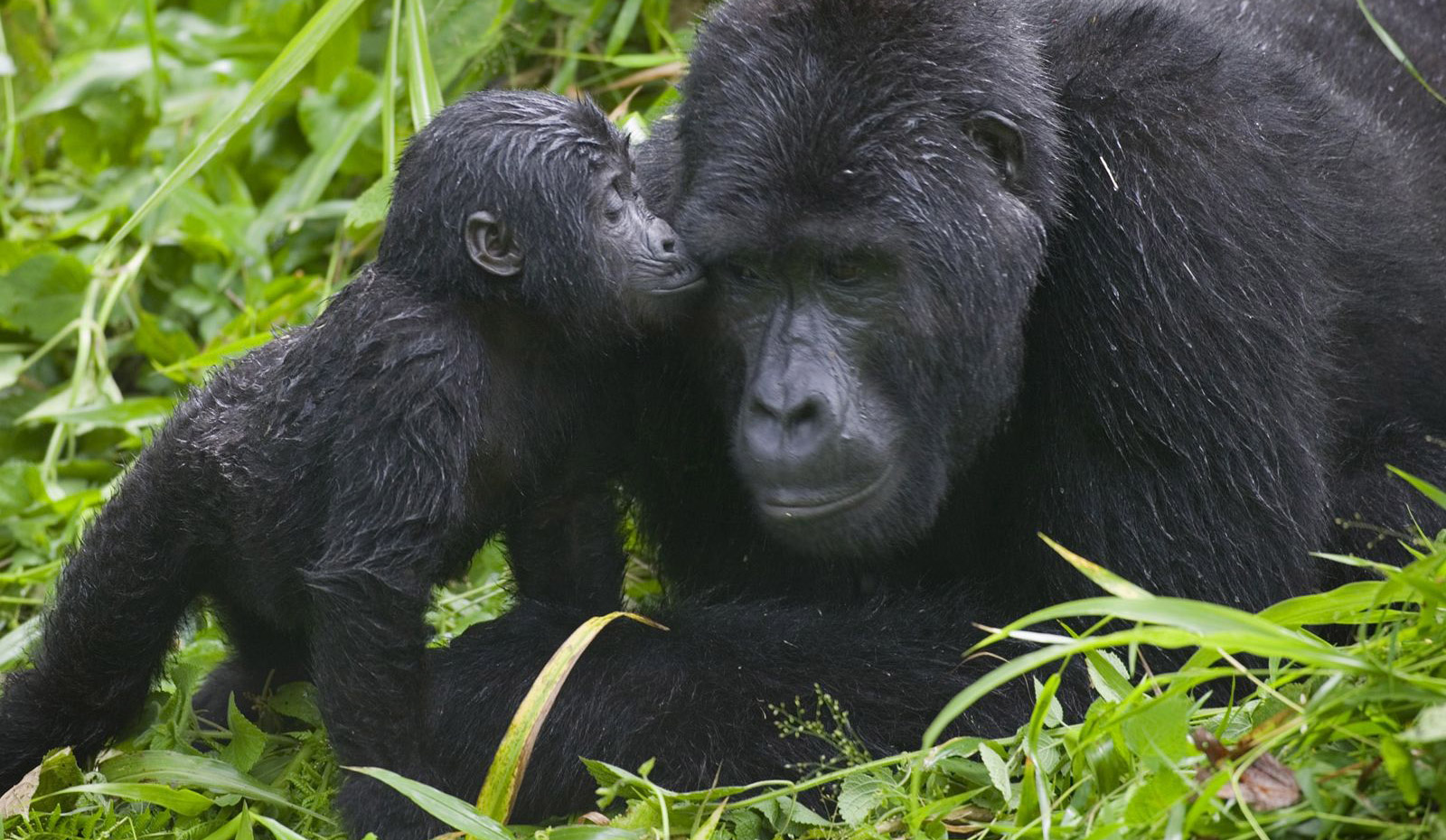
Travel Guide
The Mishaya Gorilla Family is one of the notable mountain gorilla groups associated with Bwindi Impenetrable National Park in Uganda. The group carries the name of Mishaya, a former silverback who became well known for his…
The Mishaya Gorilla Family is one of the notable mountain gorilla groups associated with Bwindi Impenetrable National Park in Uganda. The group carries the name of Mishaya, a former silverback who became well known for his independent nature and leadership.
For travelers interested in gorilla conservation and the history of Bwindi’s gorilla families, Mishaya provides an important story. The family’s history also shows how gorilla groups can change as silverbacks mature, groups split, and individual gorillas establish new social units.
However, travelers should understand that gorilla family structures can change over time. The group you visit may have a different composition from the one described in older travel reports.
The Mishaya group became associated with the Rushaga sector of Bwindi Impenetrable National Park in southwestern Uganda.
Rushaga provides habitat for several habituated gorilla families and has become one of Bwindi’s important gorilla trekking areas.
The sector also hosts gorilla habituation experiences, giving visitors additional opportunities to learn about mountain gorillas and conservation.
Mishaya was a powerful silverback who became known for leaving his original group and establishing his own social unit.
Silverbacks can leave established groups and attract females from other groups. These changes form part of the natural social dynamics of mountain gorillas.
Mishaya’s story therefore provides an interesting example of how gorilla groups develop and change in the wild.
The group formed after Mishaya separated from the Nkuringo Gorilla Family.
He established his own group and attracted several females.
This type of group formation can occur when a mature silverback leaves an established family and builds a new social unit.
The process demonstrates the complex social structure of mountain gorillas.
Mature silverbacks sometimes leave their natal or established groups as they develop.
Competition between males can influence group movements and social changes.
Mishaya eventually established his own group, which became known by his name.
His departure added another chapter to the long and changing history of Bwindi’s gorilla families.
Mishaya died in 2014 after an illness.
His death marked an important moment in the history of the group.
After his death, the remaining gorillas faced changes in their social structure.
The group eventually experienced further changes as individual gorillas moved between groups and new leadership developed.
The history of the Mishaya group requires some care because gorilla families do not remain static.
Mishaya himself no longer leads the group because he died in 2014.
The group has also undergone changes since its formation.
Travelers should therefore confirm the current gorilla family list and trekking allocations with Uganda Wildlife Authority or their safari operator before using older information to plan a trek.
Older websites may continue to describe the Mishaya family as though its historical composition remains unchanged.
Mountain gorilla groups constantly experience social changes.
A silverback may die, another male may take leadership, females may transfer between groups, and young males may leave to become solitary or establish new groups.
These changes form part of normal gorilla social behavior.
Researchers monitor these developments because they provide valuable information about mountain gorilla ecology and conservation.
Gorilla groups vary considerably in size.
Some families contain only a few individuals, while others can contain many gorillas.
Group size can change as births, deaths, migrations, and leadership changes occur.
This means that the composition you see during a trek can differ from information published several years earlier.
Gorilla trekking depends on the current allocation of habituated gorilla families.
Park authorities determine which groups tourists can visit and manage visitor numbers carefully.
If a family no longer operates as a standard tourist trekking group, visitors cannot simply request access to it.
Your permit and trekking assignment determine which habituated group you visit.
Rushaga lies in the southern part of Bwindi Impenetrable National Park.
The sector provides access to several habituated gorilla families.
The terrain can become steep and muddy because Bwindi forms a high-altitude rainforest ecosystem.
Your guide and trackers lead the group through the forest while searching for the assigned gorilla family.
The difficulty varies from one trek to another.
Gorillas move freely through the forest, so the trekking team cannot guarantee where the family will remain.
Some encounters require only a few hours of hiking, while others require longer and more demanding walks.
The terrain includes steep slopes, dense vegetation, mud, and uneven trails.
Good preparation can make the experience much easier.
Wear strong waterproof hiking boots with good grip.
Long trousers can protect your legs from vegetation and insects.
A waterproof jacket remains essential because Bwindi receives rain throughout the year.
Gardening-style gloves can protect your hands when you use vegetation for support.
Gaiters can also help keep mud and water out of your boots.
Once the trackers locate the gorilla family, the group usually spends a controlled period observing the animals.
Your guide explains where you should stand and how to behave.
Maintain the required distance and avoid sudden movements.
Never attempt to touch the gorillas.
Even habituated mountain gorillas remain wild animals.
Gorillas can display defensive or dominant behavior.
A silverback may beat its chest, vocalize, slap vegetation, or make a short charge.
These behaviors do not automatically mean that the gorilla intends to attack.
If a gorilla becomes uncomfortable, follow the guide’s instructions immediately.
Remain calm and avoid running, shouting, or making aggressive gestures.
The Mishaya story helps visitors understand that gorilla families operate as complex social communities.
Their groups do not remain fixed.
Leadership changes, family splits, and individual movements can reshape a group over time.
Understanding this makes gorilla trekking more meaningful because visitors see more than individual animals. They witness a living social system.
Mishaya and Gorilla Conservation
The history of the Mishaya group also highlights the importance of long-term gorilla monitoring.
Researchers and conservation teams track individual gorillas and record births, deaths, movements, and social changes.
This information helps conservationists understand population trends.
Bwindi’s mountain gorilla population has benefited from decades of conservation, research, tourism, and community involvement.
Gorilla tourism generates revenue that supports conservation and local communities.
Visitors pay for permits, accommodation, transportation, guides, trackers, and other services.
This tourism economy creates financial incentives to protect the forest and gorillas.
Local communities also benefit through employment, community projects, and tourism-related businesses.
Responsible tourism therefore plays an important role in the wider conservation system.
Rushaga provides an excellent option for travelers who want to explore southern Bwindi.
The sector offers access to habituated gorilla families and provides opportunities for gorilla trekking and habituation experiences.
It also works well for travelers following itineraries through southern Uganda or connecting Bwindi with Rwanda.
Your safari operator can help determine which sector fits your itinerary and permit availability.
Bwindi’s sectors sit in different parts of the forest, and roads between them can take considerable time.
Buhoma lies in the northern part of the park, while Rushaga lies farther south.
Travelers should choose their accommodation based on their permit sector.
Staying close to your trekking sector usually makes the experience more convenient.
Yes.
Travelers staying around Rushaga can combine gorilla trekking with community experiences and forest activities.
Cultural visits can introduce you to communities living around Bwindi.
Birdwatching and nature walks can also add more wildlife experiences to your itinerary.
These activities provide a broader understanding of the ecosystem that supports the gorillas.
The Mishaya Gorilla Family remains an important part of Bwindi’s gorilla history. Mishaya became known for leaving the Nkuringo group, establishing his own group, and developing a distinct social unit.
His death in 2014 changed the group’s leadership and social structure. Like all mountain gorilla families, the group has experienced changes over time.
Travelers should therefore avoid relying on old family lists when planning a trek. Gorilla family compositions and trekking allocations can change, so confirm the current situation before traveling.
If your permit takes you to Rushaga, prepare for a challenging but rewarding rainforest experience. Wear suitable hiking equipment, follow your guide’s instructions, and respect the gorillas’ space.
The story of Mishaya offers an important reminder that gorilla trekking is not simply about seeing wildlife. It provides a chance to observe a complex social species and support the conservation work that protects these remarkable animals and their forest habitat.

Nshongi Gorilla Family in Bwindi: History, Location and Trekking Guide The Nshongi Gorilla Family holds an important place…
Read article →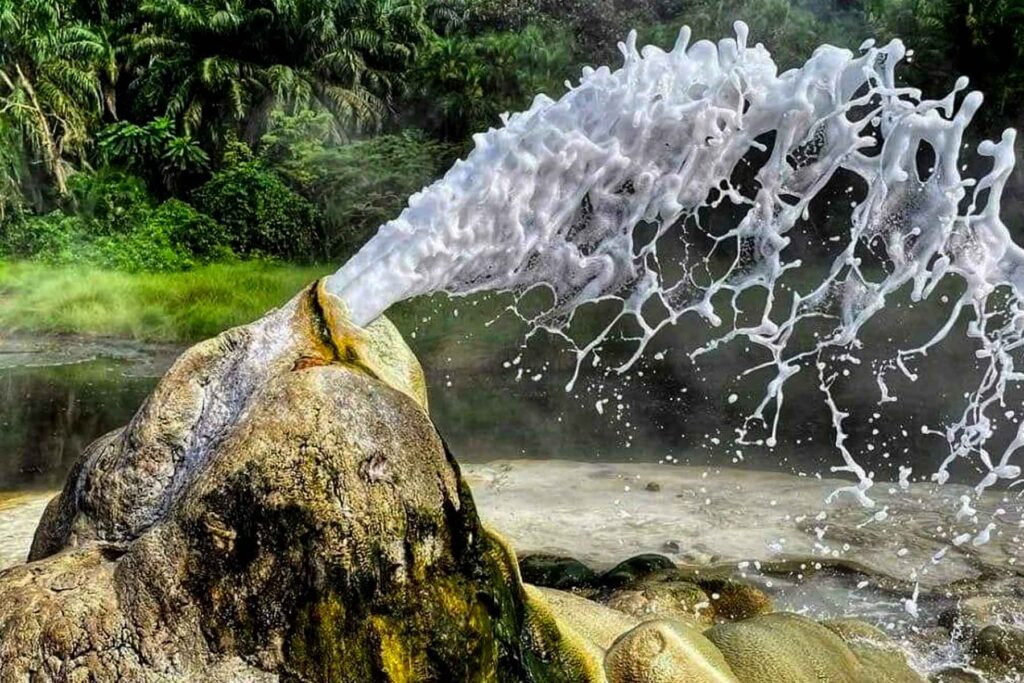
Semuliki Hot Springs Visit Guide: What to Expect Semuliki Hot Springs offers one of the most unusual natural…
Read article →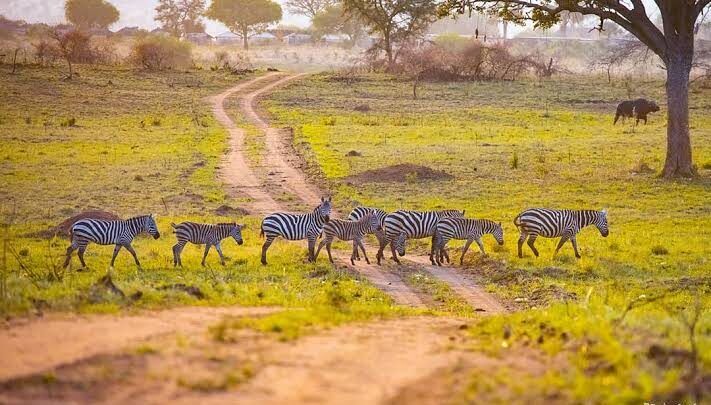
Kidepo Valley Remote Safari Guide: What to Expect Kidepo Valley National Park offers one of Uganda's most remote…
Read article →
Akagera Boat Cruise on Lake Ihema: What to Expect A boat cruise on Lake Ihema offers one of…
Read article →