
Gorilla Trekking Rules and Regulations in Rwanda, Uganda and Congo
Gorilla Trekking Rules and Regulations: Everything You Need to Know
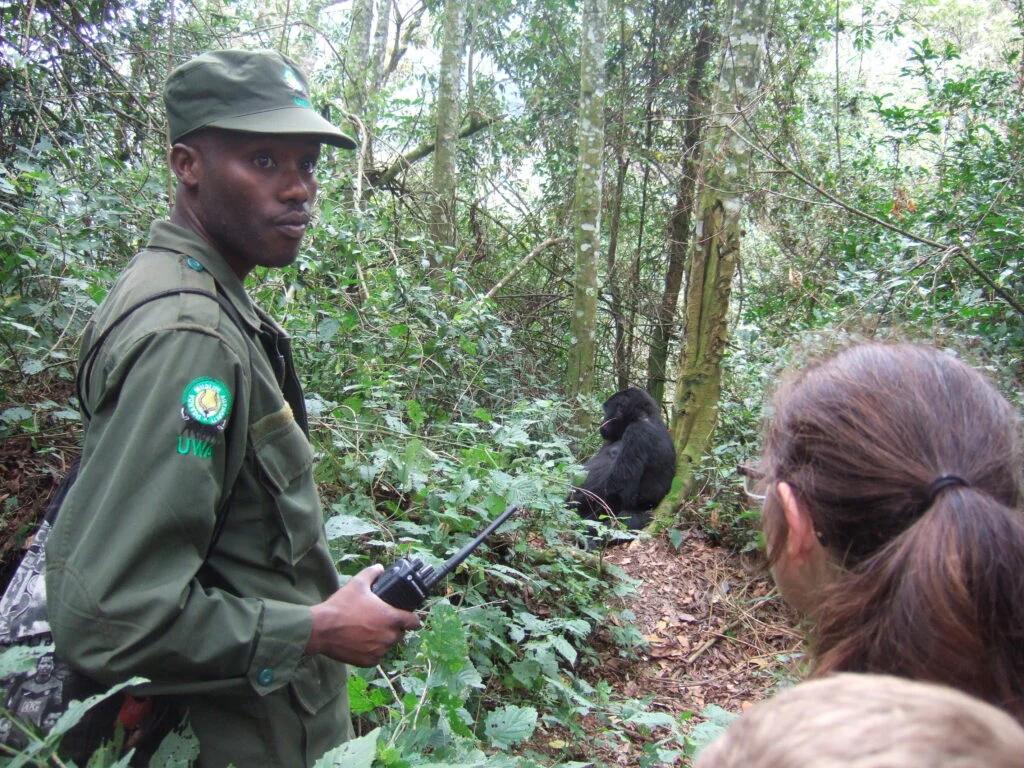
Gorilla trekking rules and regulations are essential for protecting endangered mountain gorillas and ensuring safe, responsible wildlife encounters in Africa. Whether you are planning to trek gorillas in Rwanda, Uganda or the Democratic Republic of Congo, understanding these regulations is an important part of preparing for your adventure.
Mountain gorilla trekking is one of the world’s most remarkable wildlife experiences. Visitors walk through protected forests with experienced ranger guides in search of habituated gorilla families. Once the gorillas are located, travelers have an opportunity to observe their natural behavior while following carefully controlled viewing procedures.
Unlike animals in zoos or wildlife sanctuaries, mountain gorillas live freely within their natural habitats. They decide where to travel, when to feed and how to interact with members of their family. Visitors enter these environments as temporary guests and must respect the animals’ space.
Gorilla trekking is therefore different from many other wildlife tourism activities. It involves close supervision by trained park personnel, strict limits on visitor numbers, restrictions on viewing time and important precautions designed to reduce disease transmission.
The main mountain gorilla trekking destinations are Bwindi Impenetrable National Park and Mgahinga Gorilla National Park in Uganda, Volcanoes National Park in Rwanda and Virunga National Park in the Democratic Republic of Congo.
Each protected area operates under its own management authority. Although many regulations are similar, visitors should always follow the current instructions issued by the park they are visiting.
Rules can also change in response to conservation research, disease risks, visitor safety concerns and other operational requirements. A regulation printed in an older travel guide may not reflect the latest park instructions.
This guide explains the most important requirements before, during and after a gorilla trek. It also describes the reasons behind the rules, helping visitors understand how their behavior contributes to mountain gorilla conservation.
By preparing carefully and following your ranger guide’s instructions, you can enjoy an unforgettable wildlife encounter while minimizing your impact on the gorillas and their forest environment.
Why Are Gorilla Trekking Rules So Important?
Mountain gorillas are endangered great apes found only in a small part of Central and East Africa. Their survival depends on protected habitat, effective conservation management and the prevention of threats such as disease, poaching and habitat disturbance.
Because gorillas are closely related to humans, they can be vulnerable to some infectious diseases carried by people. Respiratory illnesses are a particular concern during close wildlife encounters.
Even a visitor who feels only mildly unwell may present a risk to the animals. For this reason, health screening, distance requirements and other precautions form an important part of gorilla trekking regulations.
Rules also protect the gorillas from unnecessary stress. Large crowds, loud voices, sudden movements and prolonged observation could interfere with their normal behavior.
By limiting group sizes and viewing time, park authorities aim to reduce disturbance while allowing visitors to experience the animals responsibly.
Visitor safety is another consideration. Adult gorillas are exceptionally powerful wild animals. Although habituated families are accustomed to controlled human presence, they remain unpredictable and should never be approached without authorization.
Ranger guides understand gorilla behavior and can identify warning signs that inexperienced visitors might overlook. Following their instructions is therefore essential.
Finally, trekking rules help protect the wider forest ecosystem. Preventing litter, controlling visitor movement and restricting unauthorized activities reduces damage to vegetation and wildlife habitats.
Responsible gorilla tourism can generate conservation revenue and support communities living near protected areas. These benefits depend on maintaining wildlife protection as the central priority.
Essential Gorilla Trekking Rules Every Visitor Must Follow
1. Follow Your Ranger Guide’s Instructions
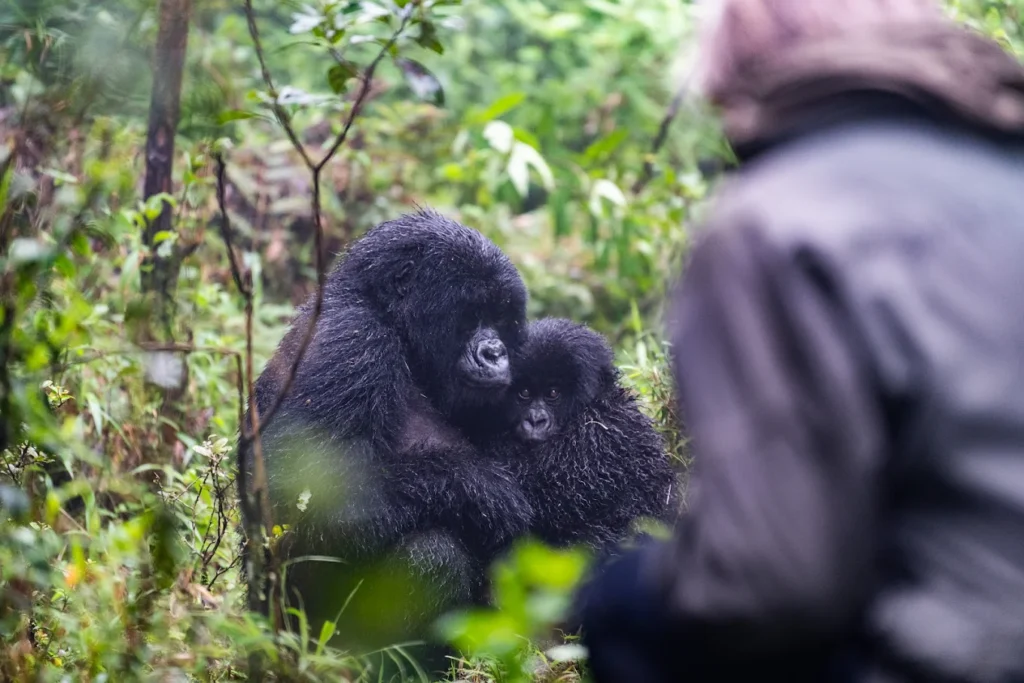
Always listen carefully to the ranger guide before entering the forest and throughout the trekking activity. Rangers are responsible for visitor safety and for ensuring that the gorillas are not disturbed.
2. Keep the Required Distance From Gorillas
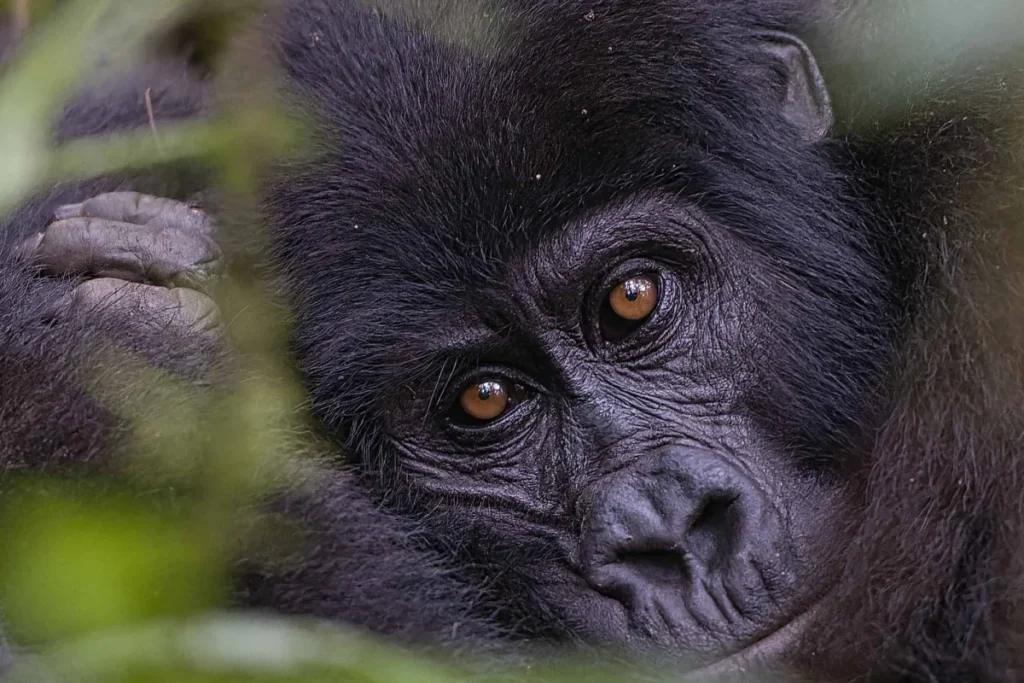
Maintain the minimum viewing distance specified by the park authorities. Older guidance frequently refers to seven meters, while some current procedures require greater separation. Follow the distance stated at your official briefing.
3. Never Touch or Feed Gorillas

Gorillas must not be touched, fed or deliberately approached. Feeding can alter natural behavior and increase the risk of disease transmission.
4. Do Not Trek When You Are Sick
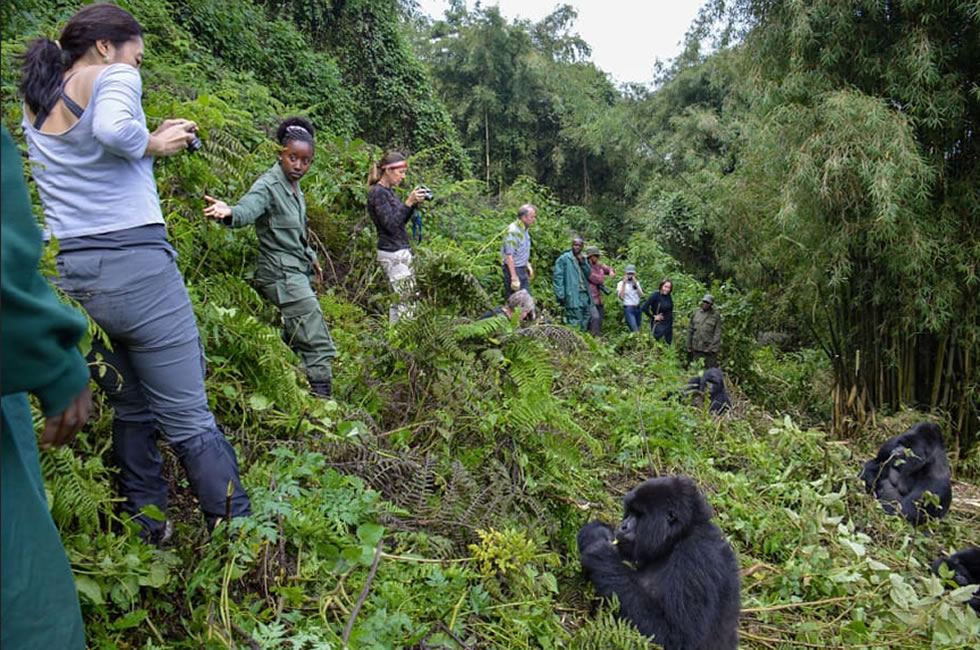
Visitors with symptoms of a potentially contagious illness must inform park officials. Participation may be refused or postponed according to the applicable regulations.
5. Respect the Minimum Age Requirement
The minimum age for standard mountain gorilla trekking in Rwanda and Uganda is 15 years. Other destinations and specialized activities may have additional conditions.
6. Respect Visitor Group Limits
Standard trekking groups are normally limited to eight visitors per habituated gorilla family. The ranger and supporting park personnel are not counted in the same way as tourist participants.
7. Observe the Permitted Viewing Time

Standard gorilla trekking normally allows one hour with a habituated gorilla family once it has been located. Visitors must leave when instructed.
8. Do Not Use Flash Photography
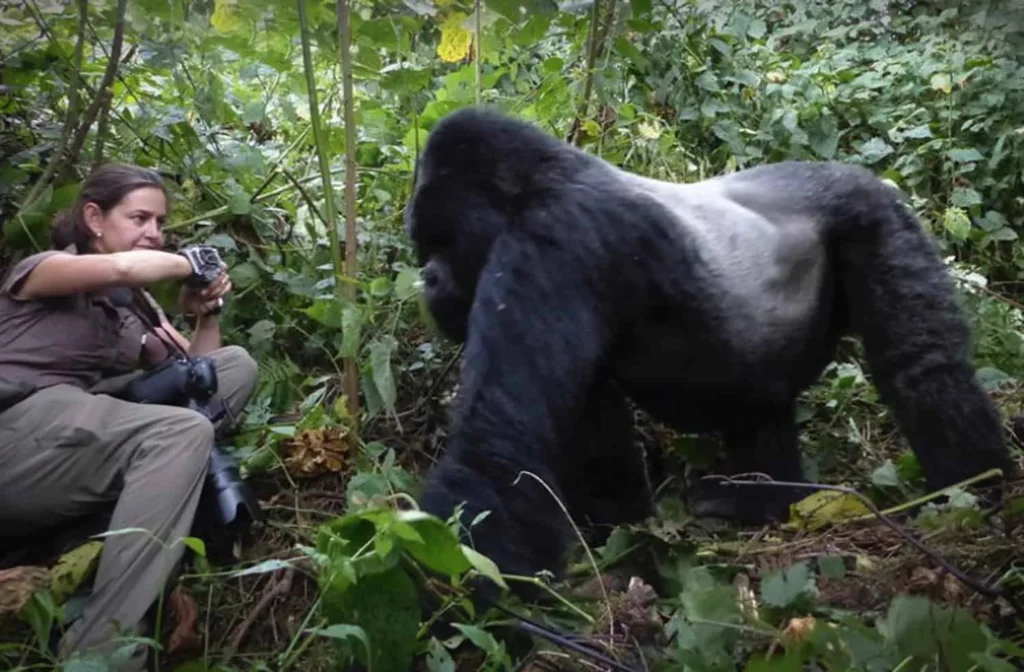
Flash photography is prohibited during gorilla encounters. Visitors should also avoid intrusive photography behavior that disturbs the animals.
9. Speak Quietly and Avoid Sudden Movements
Keep voices low, remain calm and avoid actions that could startle the gorillas. Do not attempt to attract their attention for photographs.
10. Do Not Eat, Drink or Smoke Near Gorillas
Food and drinks should only be consumed in locations approved by your guide. Smoking is not permitted near the animals.
11. Carry All Rubbish Out of the Forest
Do not leave packaging, food waste, tissues or other materials inside the protected area. Your guide will explain appropriate waste procedures.
12. Remain With Your Assigned Trekking Group

Visitors must not separate from their group, leave designated routes without authorization or attempt to locate gorillas independently.
13. Respect All Health Precautions
Wear a face mask where required and follow the hygiene instructions issued by the park. Requirements may vary according to the destination and current health guidance.
14. Avoid Direct Eye Contact or Confrontational Behavior When Instructed
If a gorilla displays signs of agitation, follow your ranger’s guidance. Do not stare aggressively, run or make sudden movements.
15. Respect the Forest and Other Wildlife
Do not remove plants, disturb other animals or damage the natural environment. Gorilla trekking takes place within protected ecosystems that support many species beyond gorillas.
What Is the Minimum Age for Gorilla Trekking?
The minimum age for standard gorilla trekking in Uganda and Rwanda is 15 years. This restriction is an important consideration for families planning a wildlife safari.
Gorilla trekking may involve several hours of walking through steep, muddy or uneven forest terrain. Participants must be able to follow ranger instructions and remain calm during a close encounter with large wild animals.
Health protection is another consideration because mountain gorillas can be vulnerable to diseases transmitted by humans.
Parents traveling with younger children can still arrange a family safari, but alternative activities should be planned for children who do not meet the trekking age requirement.
Suitable family activities may include selected cultural experiences, nature excursions and wildlife game drives, depending on the destination and the age requirements of individual activities.
Travelers should confirm age eligibility before paying for non-refundable permits or accommodation.
How Close Can You Get to Mountain Gorillas?
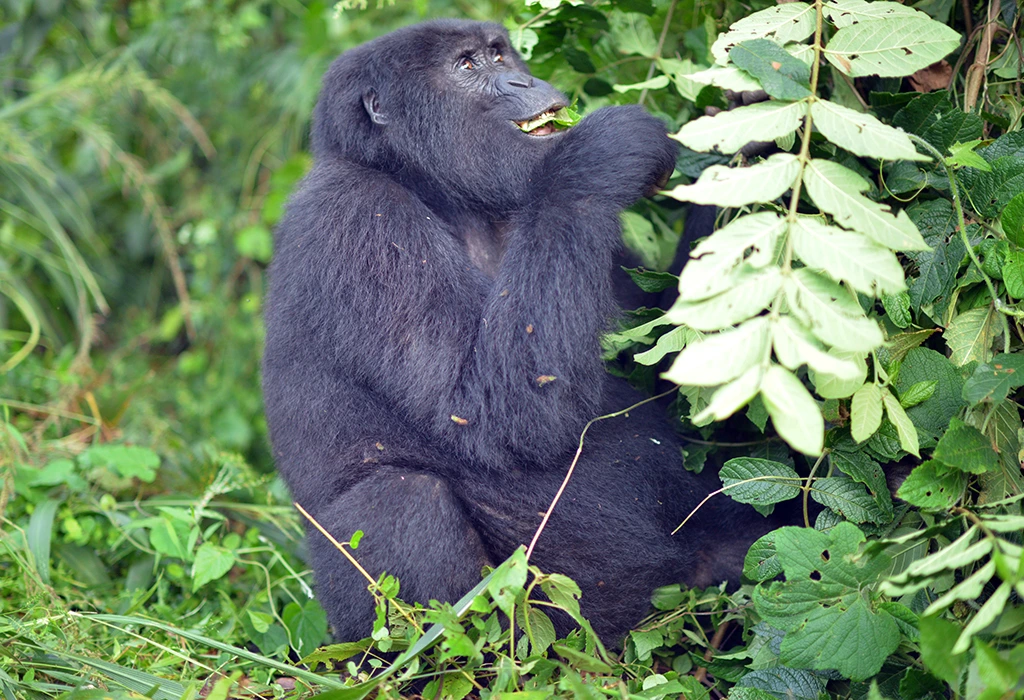
Maintaining a safe distance is one of the most important gorilla trekking regulations. Visitors must not approach gorillas more closely than the distance permitted by the relevant park authority.
Older gorilla trekking guidance commonly specifies a minimum distance of seven meters. However, health protection procedures and destination-specific instructions may require a greater distance. Always follow the current requirement announced by your ranger during the official briefing.
Distance matters because mountain gorillas can contract certain infectious diseases from humans. The closer visitors stand to the animals, the greater the concern about respiratory droplets and other forms of disease transmission.
Maintaining space also reduces the likelihood of disturbing the gorillas. Although habituated families are familiar with controlled human visits, they remain wild animals with their own social relationships and behavioral patterns.
During your encounter, the ranger will identify an appropriate viewing position. Visitors should remain together and avoid moving closer to improve photographs.
If a gorilla changes position, do not attempt to follow it independently. The guide will decide whether your group should move and where it is appropriate to stand.
Sometimes a curious young gorilla may approach visitors without warning. This does not give anyone permission to touch the animal or initiate contact.
Remain calm and follow the ranger’s instructions. The guide may direct you to stay still, lower your body or move carefully when it is safe to do so.
Can You Take Close-Up Gorilla Photographs?

Yes, close-looking photographs can often be captured using suitable camera equipment without violating the required viewing distance.
A camera with an appropriate zoom lens can help you photograph expressions and natural behavior while respecting the animals’ space.
Never move closer simply because another visitor has obtained a better photograph. The welfare of the gorillas must always take priority over photography.
Health Requirements for Gorilla Trekking
Gorilla trekking health rules are designed to reduce the risk of transmitting human diseases to endangered gorillas.
Mountain gorillas share important biological similarities with humans. Consequently, some illnesses that affect people can also affect gorillas.
Respiratory infections are a particular concern because gorillas live in social groups and an illness introduced to one animal could potentially affect others.
Can You Trek Gorillas With a Cold or Flu?
Visitors experiencing symptoms of a potentially contagious illness should not assume that they are eligible to trek.
Symptoms such as fever, coughing, a sore throat or other signs of infection must be reported to the safari operator and park officials before the activity.
Park authorities will determine whether participation is permitted. The applicable refund or rescheduling policy depends on the destination and the circumstances.
Do not conceal symptoms because you are concerned about losing the cost of your permit. Protecting the gorillas is more important than completing a scheduled wildlife encounter.
Why Is Disease Prevention Necessary?
Mountain gorillas live in relatively small, interconnected populations. Their endangered status makes disease prevention particularly important.
Tourism can provide substantial conservation benefits, but repeated human contact must be managed carefully.
Visitor screening, hygiene procedures, viewing-distance requirements and limits on time spent with gorillas help reduce unnecessary exposure.
What Should You Do If You Become Sick Before Your Trek?
Inform your tour operator immediately and explain your symptoms. Your operator can help you communicate with the relevant park authority.
Do not take medication merely to conceal symptoms and proceed with the trek.
If you are unable to participate, ask about the official procedures applicable to your permit. Refunds or changes should never be assumed unless the authority confirms them.
Should You Carry Personal Medication?
Yes. Travelers should carry any prescribed medication and essential personal medical supplies.
If you have an ongoing medical condition, consult a qualified healthcare professional before undertaking strenuous hiking in a remote mountain environment.
Comprehensive travel insurance with suitable medical and evacuation coverage is strongly recommended.
Are Face Masks Required During Gorilla Trekking?
Face masks may be required during gorilla encounters as part of the health precautions established by the relevant park authority.
Visitors should not rely on old photographs or previous travel experiences to determine whether masks are necessary.
Rules may differ between Rwanda and Uganda and may be revised in response to disease risks or updated conservation policies.
Carry suitable face masks even when you are uncertain about the current requirement. Your ranger will explain when and how they should be worn.
A mask does not replace the need to maintain the required viewing distance or to avoid trekking when ill.
All health precautions work together to reduce the potential impact of tourism on vulnerable gorilla populations.
How Many People Are Allowed in a Gorilla Trekking Group?
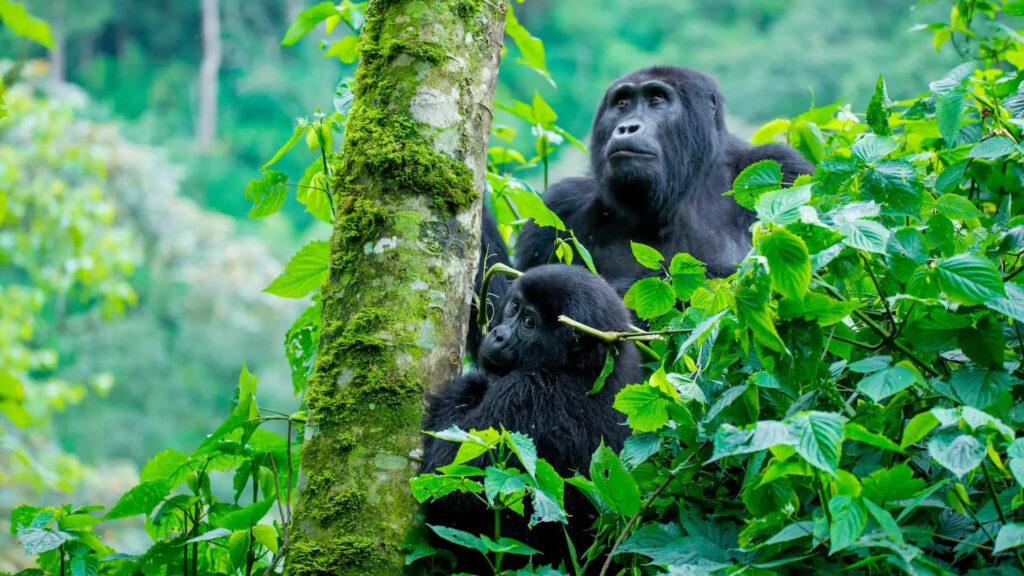
Standard mountain gorilla trekking normally allows a maximum of eight visitors per habituated gorilla family per day.
This limit helps reduce the number of people entering the animals’ immediate surroundings and supports a quieter, more controlled viewing experience.
Visitors are accompanied by authorized park personnel, including ranger guides and, where applicable, trackers.
The number of available gorilla trekking permits depends on the habituated families open to tourism and the operating arrangements of the park.
Because permits are limited, popular dates may sell out well in advance.
Can You Book a Private Gorilla Trek?
Some travelers prefer a private trekking experience with their family or companions.
Whether an exclusive allocation is possible depends on the relevant authority, permit availability and the number of places that must be reserved.
A private safari vehicle or private lodge booking does not automatically mean that the gorilla trekking group itself will be private.
Ask your operator to confirm any exclusive trekking arrangements before making payment.
Can Friends Trek Together?
Travel companions can request to be allocated together, but final group arrangements are controlled by park officials.
Factors such as group capacity, permit allocation and operational considerations may affect the final assignment.
How Long Are Visitors Allowed to Stay With Gorillas?
During standard mountain gorilla trekking, visitors are normally permitted one hour with a habituated gorilla family after the animals have been located.
This restriction is designed to limit disturbance and reduce the amount of time gorillas are exposed to visitors.
The hour begins according to the ranger’s instructions. Visitors cannot extend the encounter simply because the gorillas are active or photographs have not turned out as expected.
The ranger may end an encounter earlier if necessary for animal welfare or visitor safety.
Why Is Gorilla Viewing Limited to One Hour?
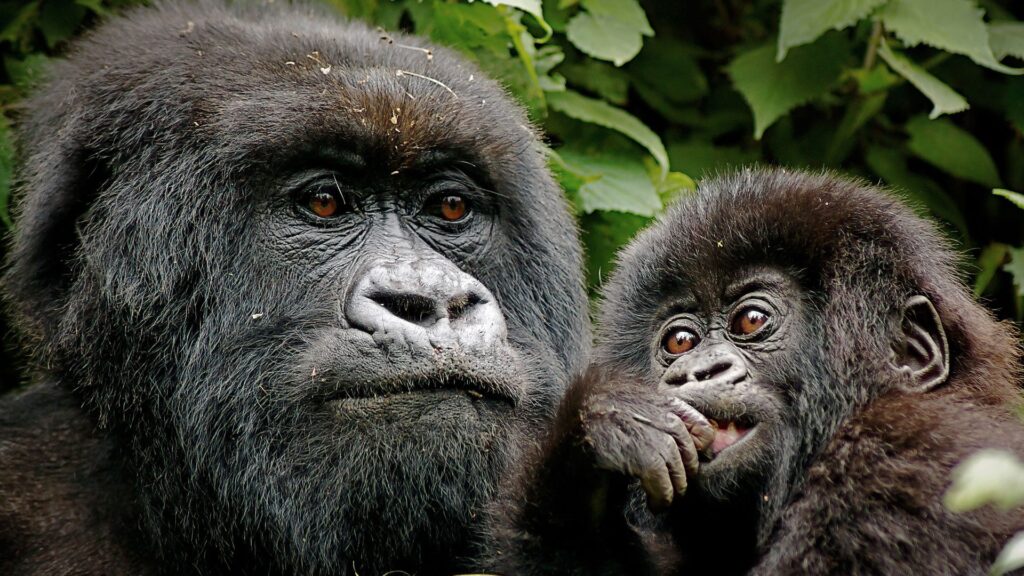
Gorillas need time to feed, rest, travel and interact without constant human presence.
Limiting visits helps preserve natural behavior while still allowing tourism to contribute to conservation.
The one-hour limit also reduces prolonged exposure to possible human pathogens.
Can You Spend Four Hours With Gorillas?

Uganda offers a specialized gorilla habituation experience in the Rushaga area of Bwindi Impenetrable National Park.
Under the applicable arrangements, participants may spend up to four hours observing a gorilla group undergoing habituation once it has been located.
This is a separate activity requiring a different permit. It is not an extension of the standard one-hour gorilla trekking visit.
Gorilla Trekking Photography Rules
Photographing mountain gorillas can be one of the most rewarding aspects of the trekking experience. However, photography must never interfere with the animals’ welfare.
Is Flash Photography Allowed?
No. Flash photography is prohibited during gorilla encounters.
Disable your camera’s automatic flash setting before approaching the gorillas. This is especially important when photographing in shaded forest conditions.
Check your equipment before the trek rather than trying to change settings while standing near the animals.
What Camera Equipment Is Best?

A camera capable of performing well in low light can be helpful because forest conditions are often shaded.
A suitable zoom lens allows you to capture detailed photographs without moving closer to the gorillas.
Bring protection against moisture because rain and mist can occur unexpectedly in mountain forests.
Can You Use a Drone?
Do not assume that drones are permitted inside gorilla habitats or protected areas.
Drone use is subject to strict aviation, conservation and park regulations and generally requires specific authorization where it is allowed at all.
Never fly a drone near gorillas without explicit approval from every relevant authority.
Can You Record Video?
Personal video recording may be permitted under park instructions, provided it does not disturb the animals.
Commercial filming, professional productions and specialized equipment may require additional permits.
Ask the relevant park authority about filming permissions before travel.
Should You Spend the Whole Hour Taking Photographs?
Photography is an important part of many safaris, but it is worth spending some time simply observing the gorillas.
Watching their movements, expressions and social interactions without looking through a camera can make the encounter even more memorable.
How to Behave During a Gorilla Trek
Your behavior in the forest is an important part of a successful and responsible gorilla trekking experience.
The trek begins long before you encounter the animals. From the moment you enter the protected area, you must follow the ranger’s instructions and respect the surrounding environment.
Remain With Your Trekking Group
Do not wander away from your group to photograph birds, explore forest paths or search for gorillas independently.
Protected forests contain difficult terrain and wild animals. Remaining with the group helps the ranger maintain an organized and safe activity.
Keep Your Voice Low
Speak quietly during the trek and especially when approaching the gorillas.
Loud conversations, shouting and unnecessary noise can disturb wildlife and reduce the quality of the encounter.
Listen carefully when the ranger explains the gorillas’ behavior or gives safety instructions.
Do Not Remove Forest Plants
Do not collect flowers, leaves, branches or other natural materials as souvenirs.
Mountain gorilla habitats support many other species, and removing vegetation can damage the protected environment.
Follow the Ranger’s Walking Route

Gorilla tracking sometimes requires movement through thick vegetation or along uneven paths.
Follow the route selected by the guide and avoid creating unnecessary alternative paths through sensitive areas.
Do Not Eat Near Gorillas
Food should only be consumed at a suitable location approved by the ranger.
Never offer food to gorillas or leave food scraps in the forest.
Use Appropriate Waste Procedures
Carry rubbish out of the park. If you need a toilet break during the trek, inform the ranger so that the correct procedure can be followed.
Do not leave tissues, sanitary products or other waste on the forest floor.
Do Not Attempt to Attract Gorilla Attention
Visitors must not imitate gorilla calls, make gestures to provoke a reaction or move into an animal’s path for photographs.
The purpose of trekking is to observe natural behavior, not to create artificial interactions.
What Should You Do If a Gorilla Approaches You?

Gorillas are wild animals, and their movements are not controlled by park personnel.
Although visitors are instructed to maintain a minimum distance, a gorilla may occasionally move closer during an encounter.
If this happens, remain calm and listen carefully to your ranger.
Do not reach out to touch the animal, offer food or attempt to take a close-up photograph by moving toward it.
Do not run away. Sudden movement can create additional risks and may be interpreted unpredictably by wildlife.
Your ranger may instruct you to remain still, lower your body or move slowly when appropriate.
The correct response depends on the animal’s behavior and the situation. Always prioritize the ranger’s instructions over general advice read before the trip.
What If a Silverback Displays Aggressive Behavior?

A silverback may display behaviors such as vocalizing, chest beating or moving suddenly in response to perceived disturbances.
These behaviors do not always mean that an attack will occur, but they must be taken seriously.
Do not attempt to challenge the animal, stare aggressively or make sudden movements.
Follow your ranger’s instructions immediately. Experienced guides are trained to interpret gorilla behavior and manage visitor movements.
Can Gorillas Touch Visitors?
Visitors must never initiate physical contact with gorillas.
If an animal approaches or makes unexpected contact, do not encourage the interaction. Follow the ranger’s instructions and allow park personnel to manage the situation.
Gorilla Trekking Rules in Uganda
Gorilla trekking in Uganda is managed by the Uganda Wildlife Authority in Bwindi Impenetrable National Park and Mgahinga Gorilla National Park.
Visitors must obtain a valid permit for their confirmed trekking date and follow the instructions issued by park officials.
The minimum age for standard mountain gorilla trekking is 15 years.
Standard trekking groups are normally limited to eight visitors per habituated gorilla family, with one hour of permitted viewing time after the family is located.
Visitors must respect the current minimum distance requirement, health screening procedures and any applicable mask rules.
Gorilla Trekking Rules in Bwindi Impenetrable National Park
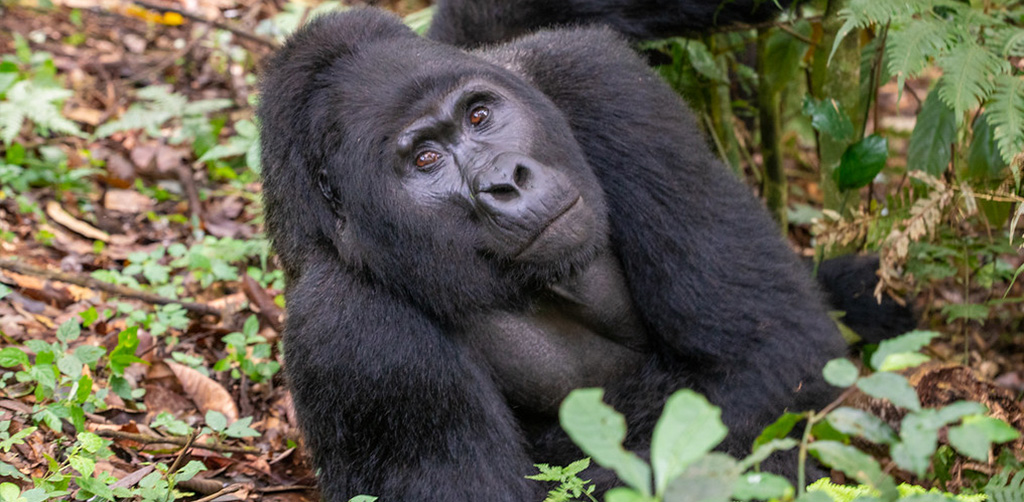
Bwindi contains four principal trekking sectors: Buhoma, Ruhija, Rushaga and Nkuringo.
Your permit and booking arrangements determine where you should report for the activity.
Do not assume that accommodation in one sector is conveniently located for trekking in another. Mountain roads can make transfers lengthy.
Visitors should arrive at the designated briefing location at the time stated in their booking instructions.
Because Bwindi’s terrain can be steep and muddy, suitable hiking boots and protective clothing are recommended.
Porter services may be available to help carry bags and provide assistance on challenging trails.
Gorilla Trekking Rules in Mgahinga Gorilla National Park
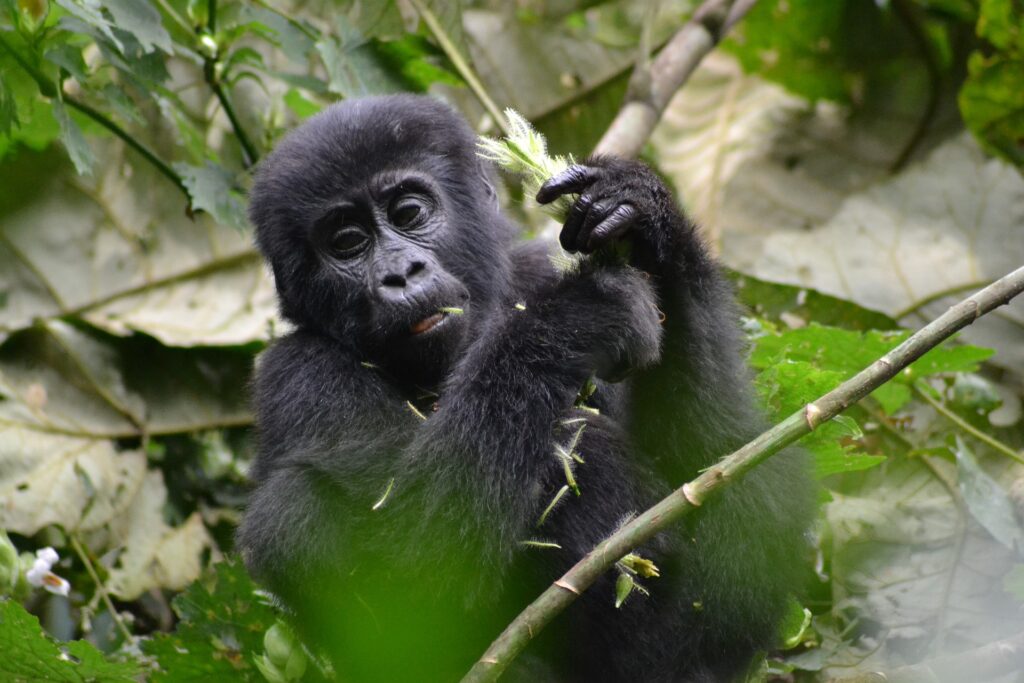
Mgahinga lies within the Virunga volcanic landscape and provides a distinctive mountain gorilla trekking environment.
Visitors must follow the Uganda Wildlife Authority’s permit, briefing and wildlife protection requirements.
Walking conditions may include bamboo vegetation, volcanic slopes and uneven terrain.
Gorilla trekking should not be confused with golden monkey tracking or volcano hiking. These are separate activities with their own arrangements.
Uganda Gorilla Permit Requirements
The standard foreign non-resident gorilla trekking permit is USD 800 per person under the tariff referenced in this guide, subject to current official rates.
Permit availability is limited, and advance booking is recommended.
Carry the identification documents required by the Uganda Wildlife Authority and ensure that your booking details match the relevant travel documents.
Gorilla Trekking Rules in Rwanda
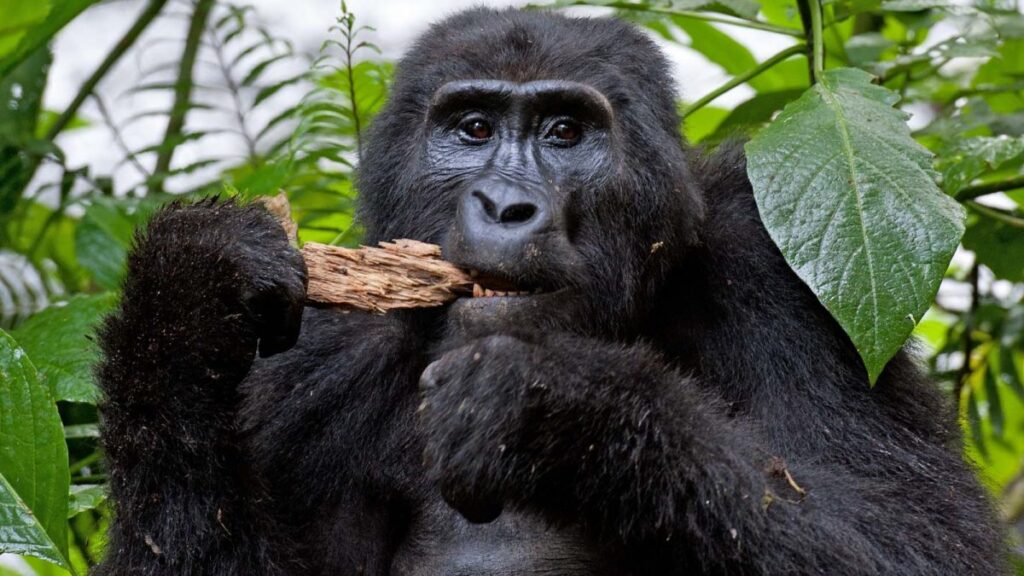
Gorilla trekking in Rwanda takes place in Volcanoes National Park, located in the northwestern part of the country.
The activity is managed under the regulations of the Rwanda Development Board and the relevant park authorities.
Visitors generally begin their trekking day with an early morning briefing at the park headquarters in Kinigi.
During the briefing, rangers explain the current rules, safety procedures and arrangements for visiting habituated gorilla families.
The minimum age for gorilla trekking in Rwanda is 15 years.
Standard groups are normally limited to eight visitors per habituated family, and viewing time is generally restricted to one hour after the gorillas are located.
Visitors must follow the current viewing-distance requirement and any mask or health precautions announced by the park.
Rwanda Gorilla Trekking Permit Requirements
The standard international visitor gorilla trekking permit costs USD 1,500 per person, subject to current official tariffs and eligibility-based rates.
Permits are limited and should be booked in advance, particularly during popular travel periods.
Visitors should carry the identification documents required for permit verification.
Are Rwanda Gorilla Treks Easy?

Some travelers choose Rwanda because Volcanoes National Park is relatively close to Kigali.
However, convenient road access does not mean the actual forest trek will be easy.
Mountain gorillas move freely, and trekking routes may involve steep slopes, muddy trails and several hours of walking.
Visitors should be physically prepared and should communicate relevant mobility concerns before the activity.
Additional Rules for Volcanoes National Park

Visitors must remain with authorized ranger guides, respect forest boundaries and avoid disturbing wildlife.
Golden monkey tracking, volcano hiking and other activities require their own arrangements and should not be assumed to be included in a gorilla trekking permit.
Gorilla Trekking Rules in the Democratic Republic of Congo
The Democratic Republic of Congo contains important mountain gorilla habitat within Virunga National Park.
Historically, Virunga offered guided mountain gorilla trekking under park supervision. However, serious security challenges have affected tourism operations and access to parts of eastern Congo.
Travelers must not assume that gorilla trekking is currently operating or that permits are available.
Any future visit should depend on direct confirmation from authorized park management and careful review of official travel advisories.
Are Gorilla Trekking Permits Available in Congo?
Permit availability and pricing must be verified directly with authorized park management.
Historical permit prices published in older guides should not be treated as confirmed current rates.
Do the Same Wildlife Protection Rules Apply?
Whenever authorized gorilla trekking operates, visitors should expect strict regulations designed to protect gorillas and manage human contact.
These include controlled group sizes, ranger supervision, restrictions on viewing time and precautions against disease transmission.
The exact requirements must be confirmed with the relevant park authority rather than assumed from Rwanda or Uganda’s procedures.
Is Gorilla Trekking in Congo Safe?
Security conditions in eastern Congo can be serious and unpredictable.
Travelers should follow current government travel advice and should not attempt independent access to restricted or insecure areas.
If safe and authorized tourism operations cannot be confirmed, consider gorilla trekking in Rwanda or Uganda instead.
Rules for the Gorilla Habituation Experience in Uganda

The gorilla habituation experience is a specialized activity offered in the Rushaga area of Bwindi Impenetrable National Park, subject to current Uganda Wildlife Authority arrangements.
It differs from standard gorilla trekking because visitors observe a gorilla group undergoing the process of becoming accustomed to controlled human presence.
During this activity, visitors may spend up to four hours with the gorillas once they have been located.
The longer observation period provides an opportunity to learn more about gorilla behavior and the conservation work involved in habituation.
However, it does not mean that visitors can approach the animals more closely or interact with them physically.
Does Gorilla Habituation Have Different Group Limits?
Gorilla habituation generally operates with smaller visitor groups than standard trekking.
The exact allocation and operating procedures should be confirmed with the Uganda Wildlife Authority before booking.
Are Health Rules Different During Habituation?
Health protection remains essential because the gorillas are exposed to human observers for a longer period.
Visitors must follow all current mask, distance and disease prevention requirements.
Anyone with symptoms of a potentially contagious illness should inform park officials before the activity.
Can You Touch Gorillas During Habituation?
No. Gorilla habituation is a controlled observation activity, not an opportunity for physical interaction.
Visitors must not touch, feed or deliberately approach gorillas.
How Much Does Gorilla Habituation Cost?
The standard foreign non-resident permit is USD 1,500 per person under the tariff referenced in this guide, subject to current official rates.
It is a separate permit from standard gorilla trekking and must be booked accordingly.
What Happens on the Day of Gorilla Trekking?
Understanding the day’s procedures can help visitors feel more confident and prepared for their first gorilla trekking experience.
Early Morning Breakfast and Departure
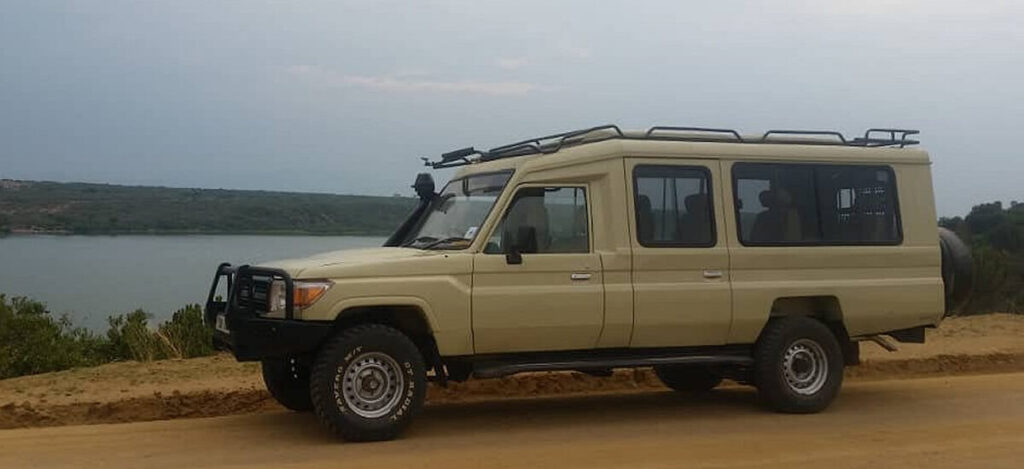
Most gorilla trekking days begin early. Your safari guide will collect you from your lodge and transfer you to the designated briefing location.
Before leaving, check that you have your required identification, suitable clothing, drinking water and essential personal items.
Eat a suitable breakfast because the trekking duration may be unpredictable.
Registration and Official Briefing

At the park headquarters, officials confirm visitor arrangements and explain the regulations.
You will learn about the viewing-distance requirement, health precautions, permitted viewing time and appropriate behavior around gorillas.
Listen carefully and ask questions if any instructions are unclear.
Assignment to a Gorilla Family

Park officials organize visitors into trekking groups and assign habituated gorilla families according to the day’s operating arrangements.
Fitness and mobility considerations may be taken into account, but no specific trekking difficulty can be guaranteed.
Travel to the Trekking Starting Point
After the briefing, visitors may travel by vehicle to their assigned starting point.
The exact arrangements depend on the park, trekking sector and location of the gorilla family.
Walking Through the Forest

The trek begins under the supervision of authorized ranger guides.
Depending on the terrain, you may pass through bamboo forest, dense vegetation, steep slopes or muddy paths.
Follow the guide’s pace and avoid leaving the group.
Locating the Gorillas

Trackers help identify the gorilla family’s location using their knowledge of the forest and the animals’ movements.
Once the gorillas are located, the ranger will explain the final approach and viewing procedures.
The One-Hour Gorilla Encounter
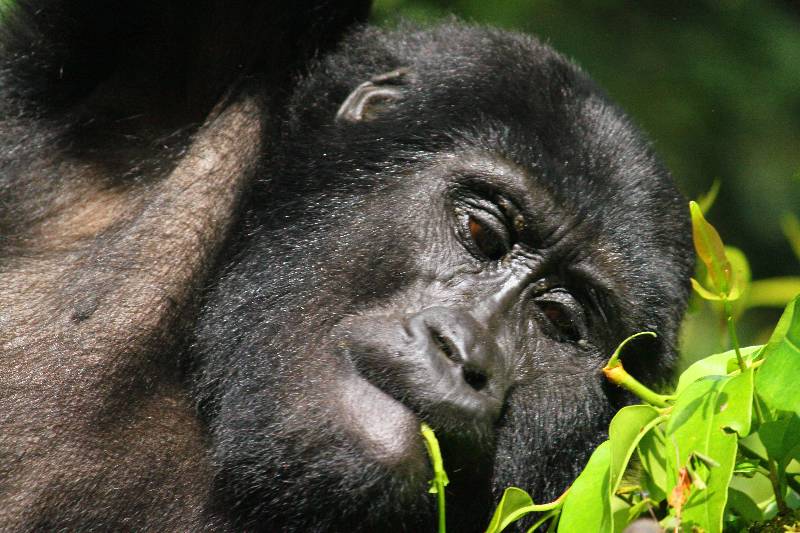
Visitors normally spend one hour observing the habituated gorilla family.
During this time, remain calm, follow the required viewing distance and avoid actions that might disturb the animals.
Photography is generally permitted without flash.
Returning to the Starting Point
After the permitted viewing period, your group will leave the gorillas and return through the forest.
The return journey may still require significant physical effort, particularly on steep or muddy terrain.
Return to the Lodge
Your safari guide will transfer you back to your accommodation or continue with the itinerary’s next scheduled activity.
After trekking, enjoy a meal, drink water and allow time to rest.
What Should You Wear and Carry for Gorilla Trekking?
Appropriate clothing is important because mountain gorilla habitats can be wet, cool and physically demanding.
Waterproof Hiking Boots
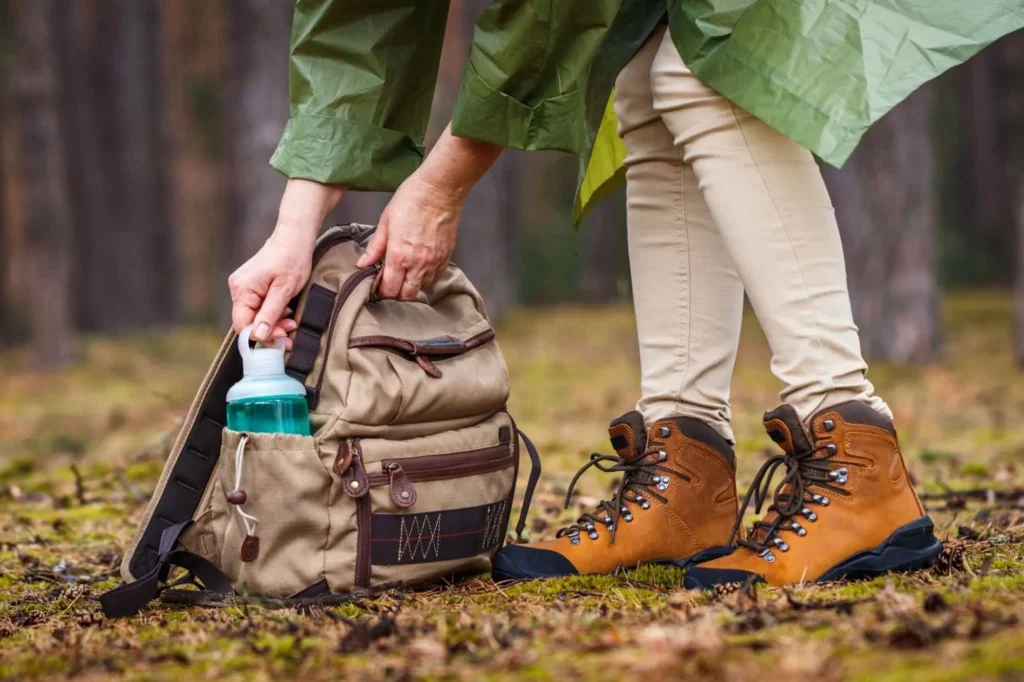
Choose sturdy hiking boots with good grip and comfortable ankle support.
Forest trails may contain mud, loose stones, roots and steep sections.
Long Trousers and Long-Sleeved Shirts
Long clothing helps protect your skin from vegetation, insects and scratches.
Lightweight, comfortable fabrics are generally suitable, with additional warm layers for cooler conditions.
Waterproof Rain Jacket
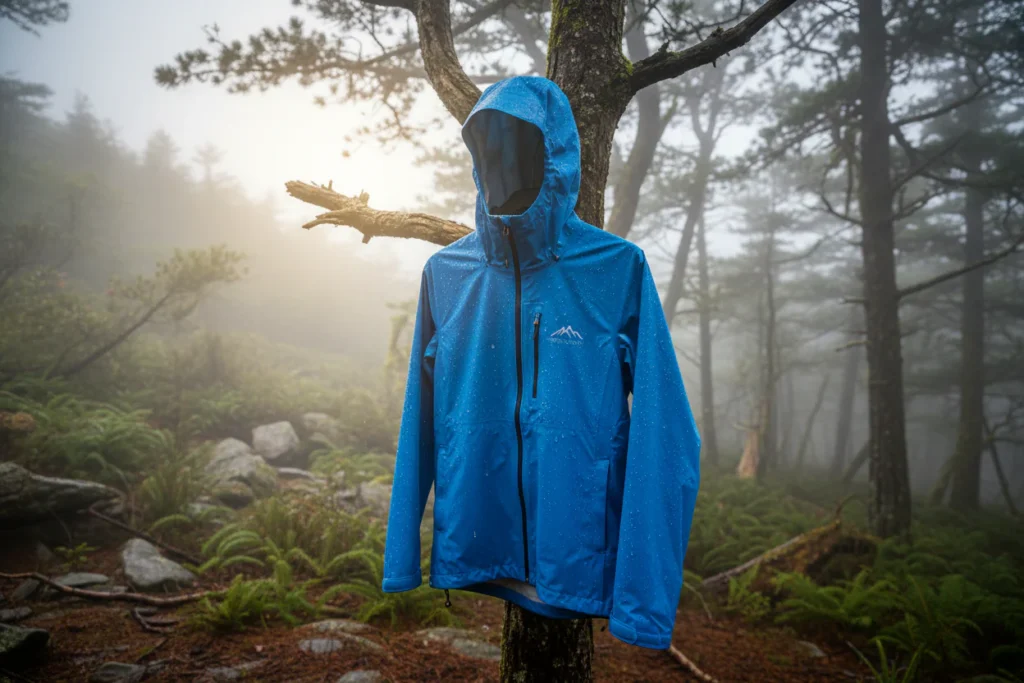
Rain can occur unexpectedly in mountain forests, even during relatively dry months.
A waterproof jacket is therefore one of the most useful items to carry.
Gardening Gloves
Gloves can help protect your hands when holding vegetation for balance.
They may be particularly useful on steep or densely vegetated trails.
Gaiters and Long Socks
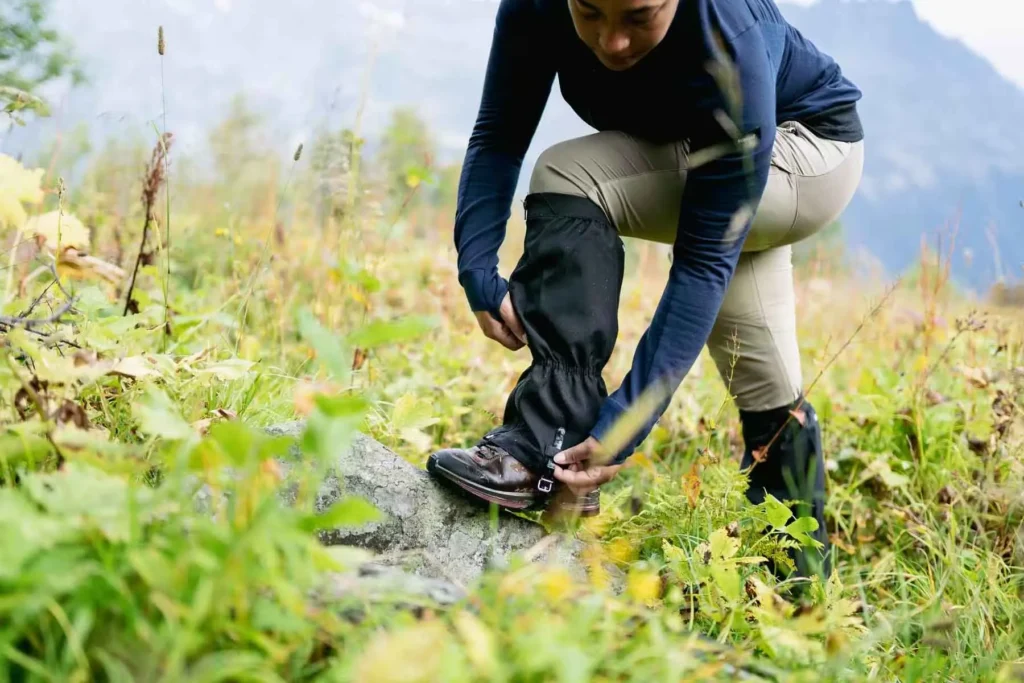
Gaiters can help reduce the amount of mud and moisture entering your boots.
Long socks may also provide additional comfort and protection.
Drinking Water and Snacks
Carry enough drinking water for the activity.
Snacks may be useful during a long trek, but they must only be consumed where permitted by your guide.
Camera Without Flash
Bring a camera suitable for low-light forest photography and disable its flash function.
Protect electronic equipment from rain and moisture.
Personal Medication and Identification
Carry essential medication and the identification documents required for permit verification.
A waterproof daypack can help keep your belongings organized.
Should You Hire a Porter?
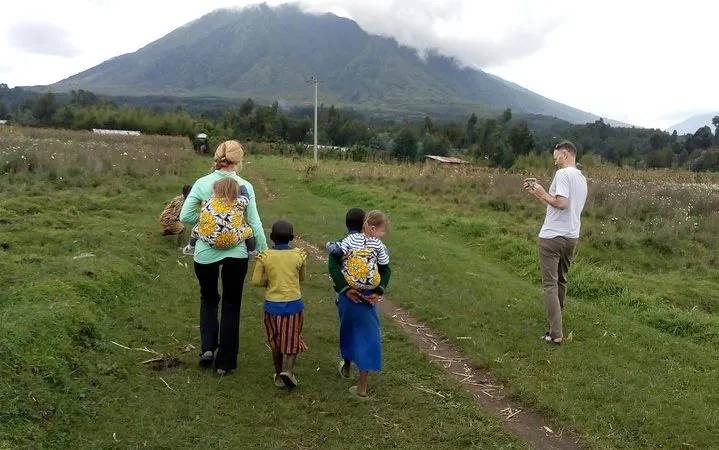
Porter services may be available at trekking starting points.
Hiring a porter can make the walk more comfortable and provide an opportunity to support local livelihoods.
Confirm the applicable porter fee and payment arrangements before the trek.
How Gorilla Trekking Rules Support Conservation
Mountain gorilla conservation is one of Africa’s important wildlife protection efforts.
Gorilla trekking tourism can generate revenue for conservation management, protected area operations and surrounding communities.
However, tourism must be carefully controlled because increased human activity can also create risks for endangered animals.
Protecting Gorillas From Human Diseases
Health screening, distance requirements and mask procedures help reduce the possibility of transmitting infectious diseases to gorillas.
These precautions are particularly important because gorillas live in close social groups.
Reducing Disturbance to Gorilla Families
Limiting group sizes and viewing time helps prevent constant human presence from disrupting feeding, resting and social behavior.
Gorillas must remain free to move through their habitat without being followed excessively.
Protecting Forest Habitats
Visitors are required to remain with authorized guides and avoid damaging vegetation or leaving rubbish.
These rules help protect the wider forest ecosystem, including birds, mammals, insects and plant species.
Supporting Local Communities
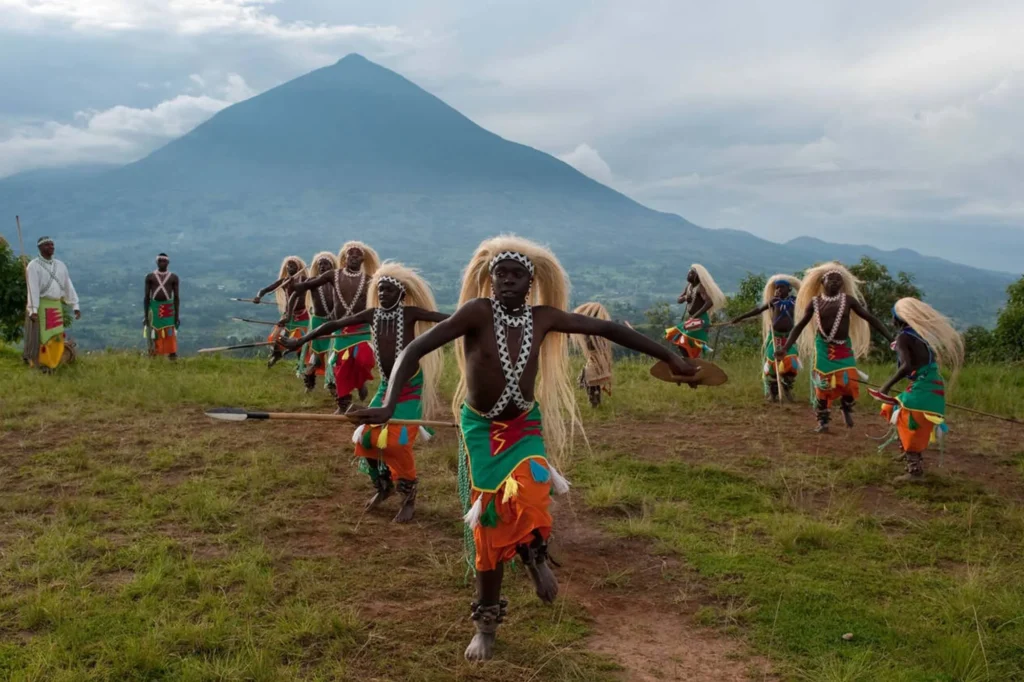
Responsible tourism can create employment opportunities for guides, porters, accommodation staff and community tourism providers.
Where communities receive meaningful benefits from conservation, tourism can help strengthen support for protected areas.
Why Visitors Play an Important Role
Every visitor contributes to the success of responsible gorilla tourism through their behavior.
Following the rules, respecting local communities and choosing responsible safari operators helps protect the experience for future generations.
Common Gorilla Trekking Mistakes to Avoid
Booking Permits Too Late
Gorilla trekking permits are limited, and popular dates can sell out well in advance.
Confirm permit availability before finalizing non-refundable travel arrangements.
Assuming Every Trek Is Easy
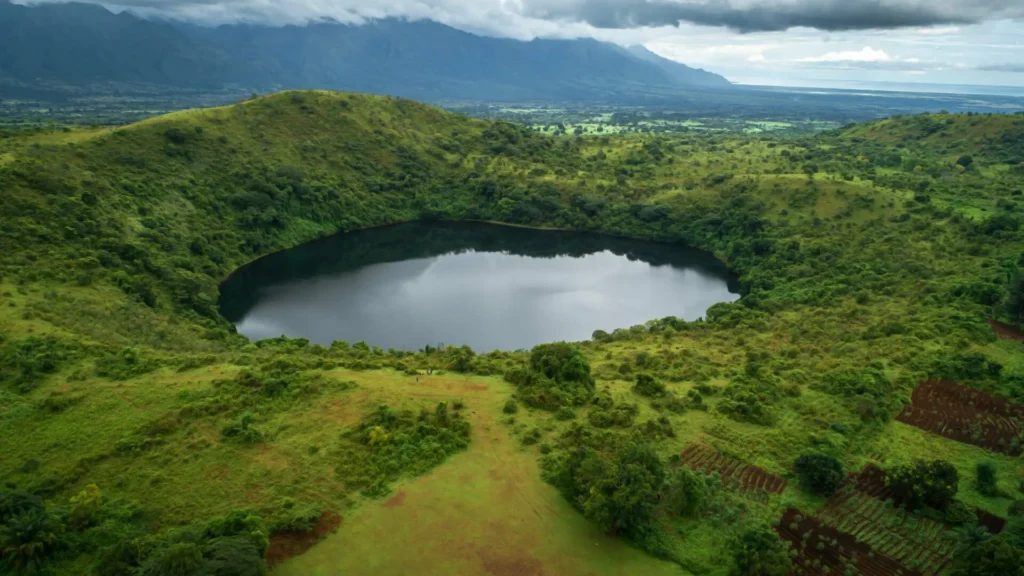
The length and difficulty of a gorilla trek depend on the animals’ location and the terrain.
Prepare for the possibility of several hours of walking.
Wearing Inappropriate Footwear
Ordinary casual shoes may not provide enough grip or protection on muddy mountain trails.
Comfortable hiking boots are strongly recommended.
Ignoring Health Symptoms
Do not conceal signs of illness to avoid missing your trek.
Inform park authorities and follow their decision.
Moving Too Close for Photographs
Never reduce the required viewing distance to obtain a better camera angle.
Use suitable equipment and follow your ranger’s instructions.
Forgetting to Disable Camera Flash
Check your camera settings before reaching the gorillas.
Automatic flash can activate unexpectedly in dark forest conditions.
Assuming the Gorilla Trek Is Private
A private safari package does not automatically include an exclusive gorilla trekking group.
Confirm any private group arrangements with the operator and park authority.
Ignoring the Location of Your Trekking Sector
In Bwindi, the distance between accommodation and trekking sectors can be substantial.
Choose accommodation according to your confirmed permit allocation.
Relying on Outdated Rules
Permit tariffs, health precautions and viewing-distance requirements can change.
Always follow the latest instructions issued by the relevant park authority.
Frequently Asked Questions About Gorilla Trekking Rules and Regulations
1. What Are the Main Rules for Gorilla Trekking?
The main rules include following ranger instructions, maintaining the required distance, avoiding physical contact, respecting group limits, observing the permitted viewing time and following health precautions.
2. What Is the Minimum Age for Gorilla Trekking?
The minimum age for standard mountain gorilla trekking in Uganda and Rwanda is 15 years.
3. How Close Can You Get to Gorillas?
Visitors must maintain the minimum distance required by the relevant park authority. Older guidance commonly specifies seven meters, but current park instructions may require greater separation.
4. Can You Touch a Mountain Gorilla?
No. Visitors must never touch, feed or deliberately approach mountain gorillas.
5. Can You Trek Gorillas If You Have a Cold?
Visitors with symptoms of a potentially contagious illness must inform park officials. Participation may be restricted to protect the gorillas.
6. Are Face Masks Required?
Face mask requirements depend on current park regulations. Travelers should carry suitable masks and follow the instructions provided during the official briefing.
7. How Many People Are Allowed in a Gorilla Trekking Group?
Standard mountain gorilla trekking normally allows a maximum of eight visitors per habituated gorilla family.
8. How Long Can You Stay With Gorillas?
Standard trekking normally permits one hour with a habituated gorilla family once located.
9. Can You Spend Four Hours With Gorillas?
Yes. Uganda offers a specialized gorilla habituation experience that permits up to four hours with a gorilla group undergoing habituation once located.
10. Is Flash Photography Allowed?
No. Flash photography is prohibited during gorilla encounters.
11. Can You Record Videos of Gorillas?
Personal video recording may be permitted under park rules, provided it does not disturb the animals. Commercial filming may require additional authorization.
12. What Should You Do If a Gorilla Approaches?
Remain calm and follow the ranger’s instructions. Do not touch the gorilla, run away or attempt to initiate interaction.
13. What Happens If a Silverback Charges?
Follow the ranger’s instructions immediately. Do not run, challenge the animal or make sudden movements. The appropriate response depends on the situation and the ranger’s assessment.
14. Can You Eat During Gorilla Trekking?
Food may be consumed during the trek only in suitable locations approved by the guide. Eating near gorillas is prohibited.
15. Can You Smoke During a Gorilla Encounter?
No. Smoking near gorillas is not permitted.
16. Are Children Allowed to Accompany Parents on a Gorilla Trek?
Children below the minimum trekking age cannot participate in standard gorilla trekking in Rwanda or Uganda. Alternative activities should be arranged for them.
17. Are Gorilla Trekking Rules the Same in Rwanda and Uganda?
Many principles are similar, including group limits, age restrictions and viewing time. However, current distance, health and operational requirements must be confirmed with each park authority.
18. Do Gorilla Trekking Rules Apply to Habituation Experiences?
Yes. Gorilla habituation is also regulated. It has a longer observation period and may have different group arrangements, but visitors must still respect strict wildlife protection rules.
19. What Happens If You Break Gorilla Trekking Rules?
Park personnel may issue instructions, end an encounter or take other action according to the relevant authority’s regulations. Visitors should not assume that a warning will always be given before enforcement.
20. Can You Leave Your Trekking Group?
No. Visitors must remain with their assigned group unless authorized by the ranger guide.
21. Can You Use a Drone During Gorilla Trekking?
Do not assume drone use is allowed. Protected areas and aviation authorities may impose strict restrictions or require special authorization.
22. What Is the Best Clothing for Gorilla Trekking?
Waterproof hiking boots, long trousers, long-sleeved clothing, a rain jacket and gloves are recommended.
23. Is Gorilla Trekking Safe?
Authorized gorilla trekking activities are conducted under trained ranger supervision. However, forest trekking involves natural risks, and visitors must follow safety instructions and current regional travel guidance.
24. How Long Does a Gorilla Trek Take?
The complete activity may take several hours, depending on the location of the gorillas, weather, terrain and the return walking distance.
25. Can Older Travelers Go Gorilla Trekking?
Yes, provided they meet the applicable requirements and are medically fit for the activity. Travelers with mobility concerns should discuss suitable arrangements before booking.
26. Are Gorilla Sightings Guaranteed?
Experienced trackers make sightings highly likely during normal operations, but gorillas remain wild animals and encounters cannot be guaranteed.
27. Can You Trek Gorillas During the Rainy Season?
Yes, under normal park operations. However, trails may be muddy and slippery, and visitors should prepare for changing weather.
28. Why Are Gorilla Trekking Permits Limited?
Permits are limited to control visitor numbers, reduce disturbance and support responsible conservation management.
29. Do You Need Travel Insurance for Gorilla Trekking?
Comprehensive travel insurance is strongly recommended, particularly coverage for medical treatment, evacuation and relevant outdoor activities.
30. Where Can I Book a Gorilla Trekking Safari?
You can arrange a gorilla trekking safari through an authorized tourism authority or a reputable safari operator. Visit Rwanda Gorilla can help coordinate permits, accommodation, transportation and additional activities in Rwanda and Uganda.
Book Your Gorilla Trekking Safari in Rwanda or Uganda
Experience mountain gorillas in their natural habitat while supporting responsible wildlife tourism.
Gorilla trekking is more than a wildlife excursion. It is an opportunity to explore beautiful African rainforests, learn about endangered primates and witness remarkable animal behavior under the guidance of experienced park rangers.
Whether you choose the forested hills of Bwindi Impenetrable National Park, the volcanic landscapes of Mgahinga or the famous mountain gorilla habitat of Volcanoes National Park, proper preparation is essential.
At Visit Rwanda Gorilla, we help travelers plan private gorilla trekking safaris with suitable accommodation, professional guiding and carefully coordinated activities.
Our safari specialists can assist with gorilla permit reservations, travel planning, transportation, lodge selection and additional wildlife experiences.
We also organize safaris combining gorilla trekking with golden monkey tracking, chimpanzee tracking, Big Five game drives, cultural visits and scenic lake destinations.
Plan Your Gorilla Trekking Adventure With Confidence
Contact our team with your preferred travel dates, number of travelers, destination preferences and accommodation category.
We will help you prepare a personalized itinerary and explain the important gorilla trekking requirements before your journey.
Visit Rwanda Gorilla
Website: www.visitrwandagorilla.com
Email: info@visitrwandagorilla.com
WhatsApp: +256 772 446879
Book your Rwanda or Uganda gorilla trekking safari today and discover one of Africa’s most extraordinary wildlife experiences while respecting the rules that protect endangered mountain gorillas.