
Gorilla Trekking in Rwanda, Uganda, and Congo: Ultimate Guide
In This Guide
- Gorilla Trekking in Africa: An Introduction
- What Is Gorilla Trekking?
- Where to Go Gorilla Trekking in Africa
- Gorilla Trekking in Uganda
- Bwindi Impenetrable National Park
- The Four Gorilla Trekking Sectors in Bwindi
- Mgahinga Gorilla National Park
- Uganda Gorilla Trekking Permits
- Gorilla Habituation Experience
- Gorilla Trekking in Rwanda
- Volcanoes National Park
- Rwanda Gorilla Trekking Permits
- Gorilla Trekking in Congo
- Congo Permits and Travel Safety
- Rwanda vs. Uganda vs. Congo Gorilla Trekking
- Gorilla Trekking Permit Prices
- Best Time for Gorilla Trekking
- How Difficult Is Gorilla Trekking?
- Gorilla Trekking Rules and Regulations
- What to Pack for Gorilla Trekking
- How Much Does Gorilla Trekking Cost?
- Recommended Gorilla Trekking Itineraries
- Frequently Asked Questions
- Book Your Gorilla Trekking Safari
Gorilla Trekking in Rwanda, Uganda, and Congo: Everything You Need to Know
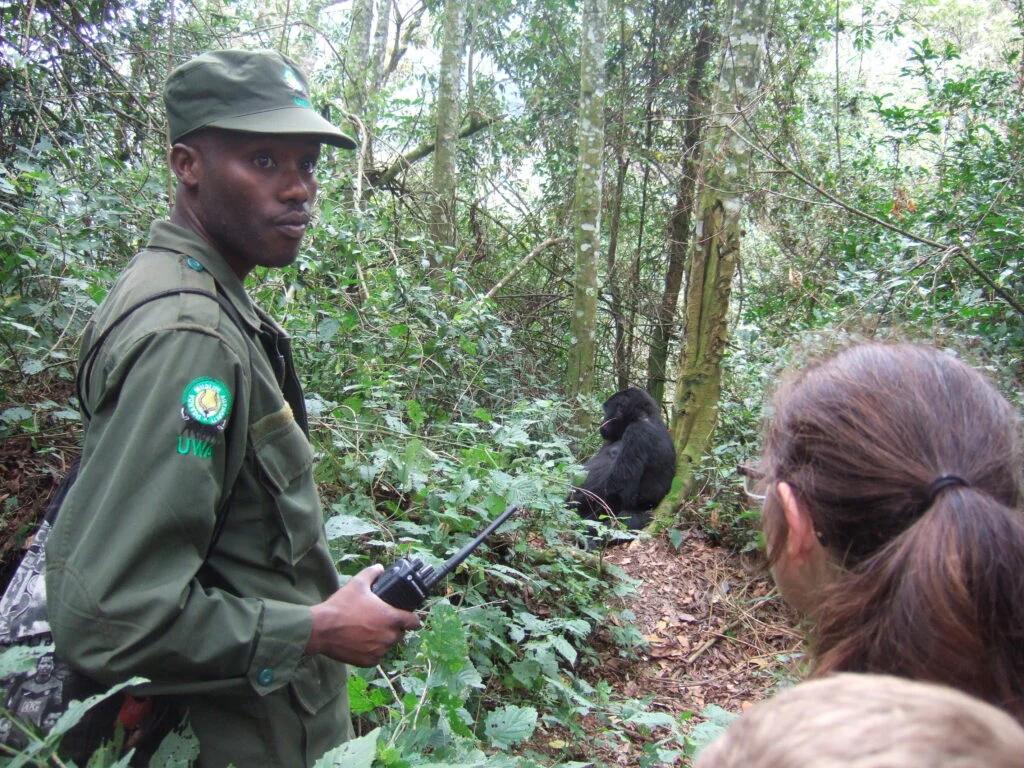
Gorilla trekking in Africa is one of the most extraordinary wildlife experiences available anywhere in the world. Imagine walking beneath towering rainforest trees, following narrow forest trails and listening to the sounds of birds and insects as experienced trackers search for signs of a mountain gorilla family. After an unpredictable journey through the forest, you may finally encounter a silverback resting among the vegetation, young gorillas playing together, or a mother carefully watching over her infant.
Unlike a traditional wildlife safari, where animals are usually observed from a vehicle, gorilla trekking takes visitors into the natural habitat of these remarkable primates. The experience is intimate, physically engaging, and carefully regulated to protect endangered gorillas from disturbance and disease.
Africa is the only continent where mountain gorillas live in the wild. Their remaining populations are found in two main regions: the Virunga Massif, which extends across Rwanda, Uganda, and the Democratic Republic of Congo, and Bwindi Impenetrable National Park in southwestern Uganda.
The three countries offer different travel experiences. Gorilla trekking in Uganda is particularly attractive to travelers seeking varied forest environments, a choice of trekking sectors and the opportunity to participate in a gorilla habituation experience. Gorilla trekking in Rwanda is known for its well-organized tourism infrastructure, comfortable accommodation, and relatively convenient access from Kigali. The Democratic Republic of Congo is historically associated with adventurous gorilla trekking in Virunga National Park, although security conditions and park access must be carefully verified before any travel arrangements are made.
Choosing the right destination depends on your budget, travel dates, preferred accommodation, physical fitness, and the other experiences you would like to include in your safari.
Some travelers prefer a short gorilla trekking holiday focused entirely on one park. Others combine the experience with chimpanzee tracking, Big Five wildlife safaris, golden monkey tracking, birdwatching, cultural encounters, or relaxation beside one of East Africa’s beautiful lakes.
This comprehensive guide explains everything you need to know before planning your journey. You will discover where mountain gorillas live, how trekking permits work, what to expect during a forest encounter, how much the experience costs, and how to choose between Uganda, Rwanda, and Congo.
You will also find practical advice about the best travel seasons, clothing, accommodation, trekking difficulty, safety regulations, and responsible wildlife tourism.
Whether you are planning your first African safari or returning to East Africa for a specialized primate adventure, this guide will help you make informed decisions and prepare for an unforgettable encounter with wild gorillas.
What Is Gorilla Trekking?
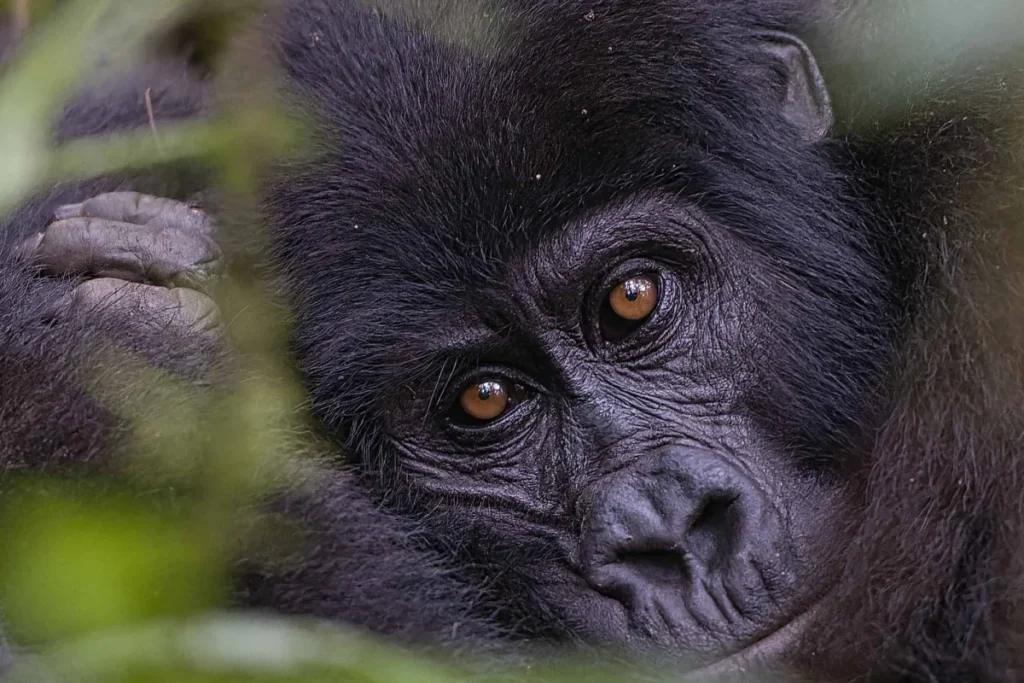
Gorilla trekking is a guided wildlife activity in which visitors walk through protected forest habitats to locate and observe a habituated gorilla family. The activity takes place under the supervision of trained park rangers, guides, and trackers.
Habituated gorillas are wild animals that have gradually become accustomed to the controlled presence of humans. Habituation does not mean that the gorillas are domesticated or dependent on visitors. They continue to move freely, feed naturally, and interact within their family groups.
On the morning of a trek, visitors normally report to a designated park headquarters or briefing location. Park officials explain the activity regulations and organize participants into groups.
After the briefing, visitors travel to their assigned starting point and begin walking with experienced guides. Trackers who enter the forest earlier may help locate the gorilla family and communicate its approximate position.
The trekking duration varies considerably. Some families may be located after a relatively short walk, while others require several hours of hiking through mountainous or densely vegetated terrain.
Once the gorillas are located, visitors are normally permitted one hour to observe the habituated family, subject to park regulations and the ranger’s instructions.
During the encounter, you may observe gorillas feeding, resting, grooming, and interacting with one another. Young gorillas sometimes play while adult females care for their infants. A dominant silverback may remain close to the family, monitoring its surroundings.
These encounters provide a fascinating introduction to gorilla behavior and social organization. However, the animals are never expected to perform or behave in a particular way. Every experience is determined by their natural activities.
Why Is Gorilla Trekking Different From a Traditional Safari?
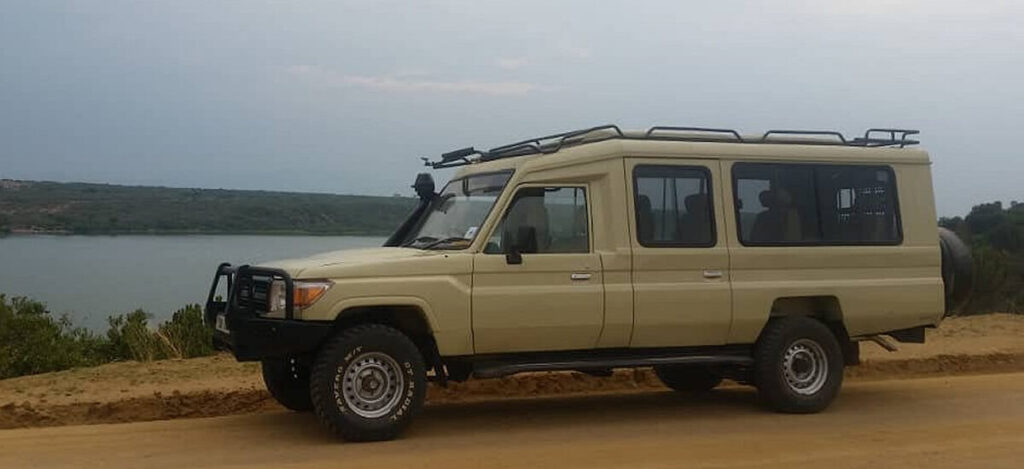
Traditional African wildlife safaris usually involve searching for animals across savannah landscapes in a safari vehicle. Gorilla trekking is different because the experience takes place on foot within forest habitats.
The journey itself is part of the adventure. Visitors may walk through bamboo forests, climb mountain slopes, cross muddy paths, or move through dense vegetation before encountering the gorillas.
Rather than observing many different species over a large area, gorilla trekking focuses on spending a carefully controlled period with one gorilla family.
The experience can be physically demanding, but the opportunity to observe endangered great apes in their natural environment makes it exceptionally rewarding.
Why Are Mountain Gorillas So Special?

Mountain gorillas are a subspecies of eastern gorilla adapted to the highland forests of Central and East Africa. They are powerful, highly social animals that live in family groups.
A typical family may include a dominant silverback, adult females, younger males, and infants. Group composition varies, and some families contain more than one silverback.
Mountain gorillas spend much of their time feeding on vegetation, resting, and maintaining social relationships. Their diet includes leaves, stems, shoots, and other plant material.
Their expressive faces and recognizable family interactions often create a powerful impression on visitors.
Mountain gorillas remain endangered, making habitat protection, disease prevention, and responsible tourism essential to their long-term survival.
Where to Go: Gorilla Trekking in Africa
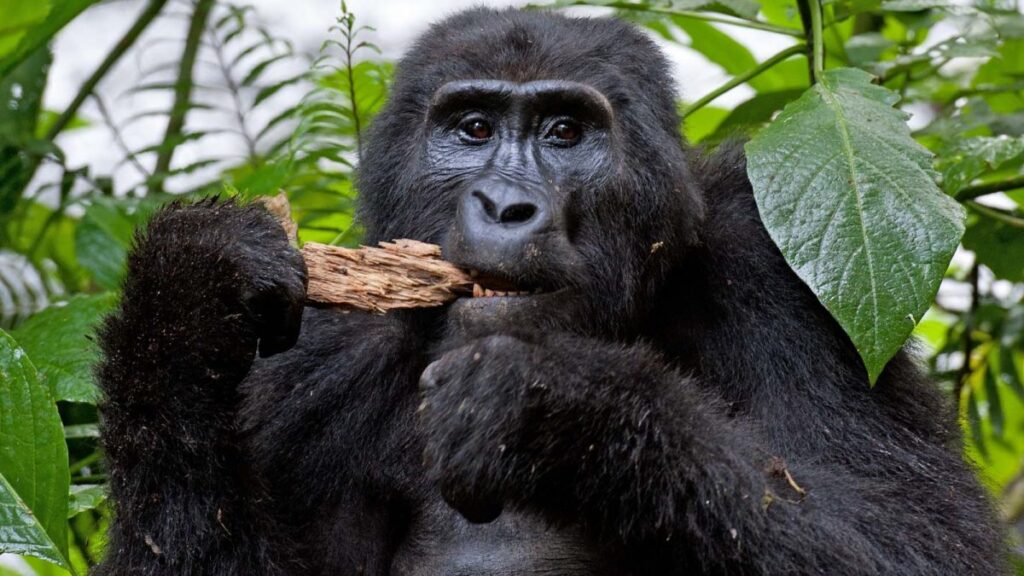
Mountain gorilla trekking is concentrated in four protected areas across three countries. These are Bwindi Impenetrable National Park and Mgahinga Gorilla National Park in Uganda, Volcanoes National Park in Rwanda, and Virunga National Park in the Democratic Republic of Congo.
Although these destinations protect the same mountain gorilla subspecies, they offer different landscapes, travel arrangements, and visitor experiences.
Uganda’s Bwindi Impenetrable National Park contains dense montane and tropical forest, with trekking routes distributed across four main sectors. Mgahinga lies within the Virunga volcanic landscape and offers a smaller, distinctive trekking destination.
Rwanda’s Volcanoes National Park protects bamboo forests and mountain vegetation along the slopes of the Virunga volcanoes. It is particularly convenient for visitors arriving through Kigali International Airport.
Virunga National Park in eastern Congo contains dramatic volcanic landscapes and important gorilla habitat. However, tourism operations have been affected by serious security challenges. Travelers should never assume that trekking permits or visitor access are currently available without direct confirmation from authorized park management.
The following sections explain each destination in detail and help you decide which location best suits your travel plans.
Gorilla Trekking in Uganda: Bwindi and Mgahinga National Parks

Gorilla trekking in Uganda is one of the country’s leading wildlife experiences. Uganda protects mountain gorillas in two national parks in its southwestern region: Bwindi Impenetrable National Park and Mgahinga Gorilla National Park.
Both destinations offer guided forest treks to observe habituated gorilla families, but their landscapes and travel arrangements differ. Bwindi is famous for its extensive forest, multiple trekking sectors, and impressive biodiversity. Mgahinga is smaller and lies within the spectacular volcanic landscape of the Virunga Mountains.
Uganda is particularly attractive to travelers who want to combine gorilla trekking with other wildlife experiences. A longer safari can include chimpanzee tracking in Kibale National Park, game drives in Queen Elizabeth National Park, boat excursions along the Kazinga Channel, or relaxation beside Lake Bunyonyi.
The country also offers a broad range of accommodation, from simpler guesthouses to comfortable forest lodges and exclusive luxury properties.
One important advantage is the availability of the gorilla habituation experience in Bwindi. This specialized activity allows visitors to spend a longer period observing a gorilla group undergoing habituation, subject to the applicable permit and park regulations.
Uganda’s standard international gorilla trekking permit is also less expensive than Rwanda’s standard permit. However, travelers should consider the total safari cost, including accommodation, transport and the distance from their arrival airport.
Bwindi Impenetrable National Park: Uganda’s Famous Gorilla Trekking Forest
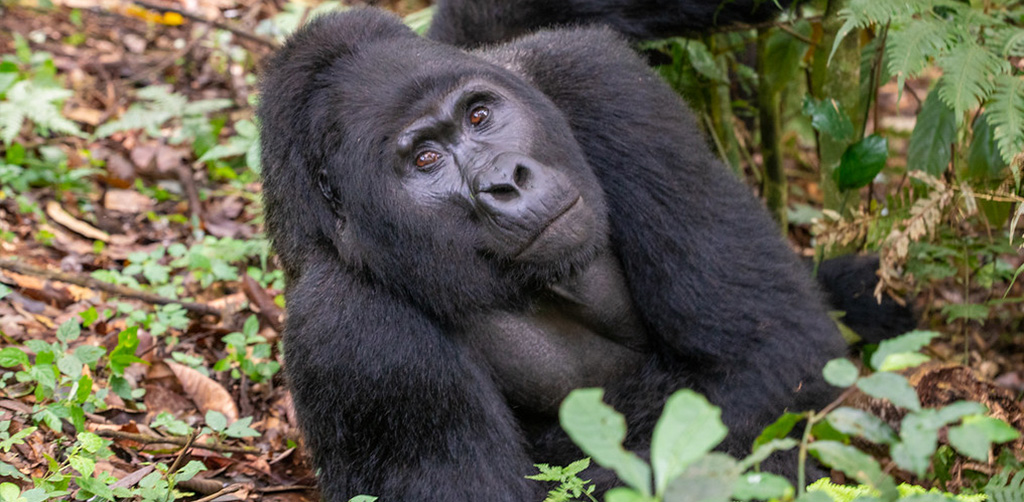
Bwindi Impenetrable National Park is located in southwestern Uganda near the borders with Rwanda and the Democratic Republic of Congo. It is one of Africa’s most important protected forests and was designated a UNESCO World Heritage Site in recognition of its exceptional biodiversity.
The park is famous for its mountain gorillas, but its conservation importance extends far beyond a single species. Bwindi supports numerous birds, mammals, butterflies and plant species within a complex forest ecosystem.
Its dense vegetation, steep valleys and forested ridges create a remarkable setting for wildlife exploration. The name “Impenetrable” reflects the challenging nature of parts of the forest, although designated trekking routes allow visitors to explore it with authorized guides.
Gorilla trekking in Bwindi is organized through four main sectors: Buhoma, Ruhija, Rushaga and Nkuringo. Each sector has its own access routes, accommodation choices and habituated gorilla groups.
When booking a safari, the sector is particularly important. Your accommodation should be selected with the assigned trekking location in mind, because driving between sectors can take considerable time on winding mountain roads.
Visitors should not assume that a gorilla permit issued for one sector can automatically be used in another. The trekking allocation and reporting instructions must be confirmed before travel.
The Four Gorilla Trekking Sectors in Bwindi
Buhoma: Gorilla Trekking in Northern Bwindi
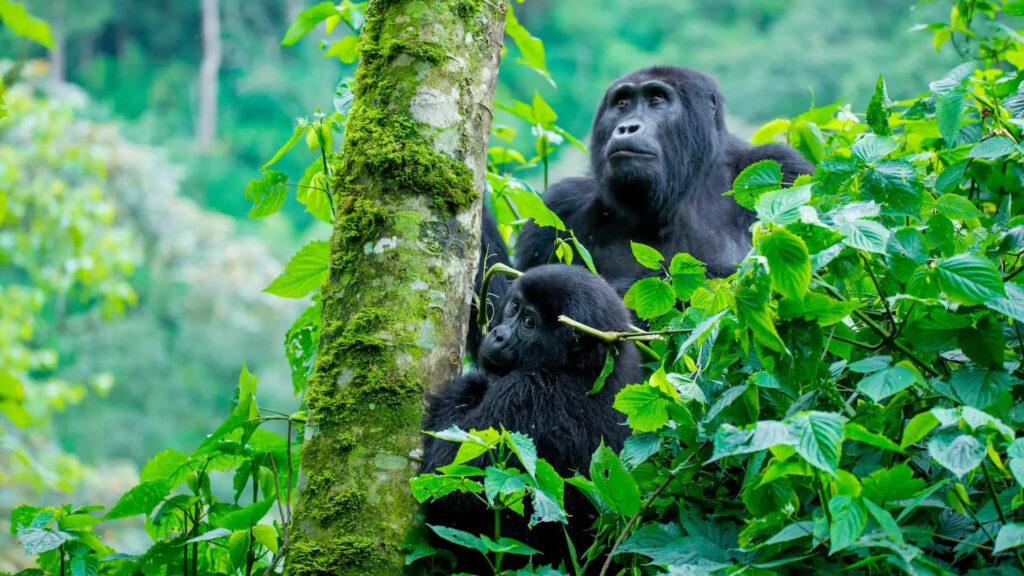
Buhoma is one of Bwindi’s best-known gorilla trekking sectors and has a long history of organized gorilla tourism. It is situated in the northern part of the park and offers access to several accommodation options.
The sector is popular with visitors who want to combine gorilla trekking with a wider Uganda wildlife itinerary. Depending on the chosen route, Buhoma can be linked with Queen Elizabeth National Park and the Ishasha region.
The surrounding forest creates a beautiful atmosphere, particularly in the early morning when mist settles among the trees. Visitors may also enjoy birdwatching and selected guided nature experiences where permitted.
Buhoma is sometimes described as a relatively accessible trekking sector, but this should not be confused with a guarantee of an easy trek. Gorilla families move freely, and the terrain can still be steep and muddy.
Ruhija: High-Altitude Gorilla Trekking and Forest Scenery

Ruhija is situated in the eastern part of Bwindi and is known for its high elevation and beautiful forest views. The landscape contains steep ridges, valleys and dense vegetation.
Travelers who enjoy mountain scenery and birdwatching may find Ruhija particularly rewarding. The surrounding forest supports a rich bird community, including species associated with the Albertine Rift.
Because of its elevation, mornings can be cool. Visitors should carry a warm layer and waterproof clothing, even during relatively dry periods.
Gorilla trekking difficulty varies according to the assigned family and its location on the day. Travelers should prepare for potentially demanding walking conditions.
Rushaga: Gorilla Trekking and Habituation Experiences

Rushaga is located in southern Bwindi and is well known for its gorilla trekking opportunities. It is particularly important for travelers interested in the gorilla habituation experience.
The sector offers dramatic forest scenery and access to several habituated gorilla groups. The surrounding landscape includes steep hills, cultivated slopes and forested valleys.
Visitors staying near Rushaga can enjoy a peaceful mountain atmosphere before and after their trekking activities.
Travelers interested in spending more time with gorillas should ask about the availability of the specialized habituation permit rather than assuming it is included in a standard trekking package.
Nkuringo: Scenic and Potentially Challenging Gorilla Trekking

Nkuringo is located in southwestern Bwindi and is famous for its spectacular views of the surrounding hills and distant Virunga volcanoes.
The sector can involve demanding walking conditions, particularly where routes descend into valleys and climb back toward higher ground.
For physically active travelers, the scenery and sense of adventure can make Nkuringo especially rewarding.
However, trekking difficulty is never fixed. The actual experience depends on the location of the assigned gorilla family, weather and the route selected by park rangers.
Visitors should choose accommodation close to their confirmed trekking sector and allow enough time for travel to the briefing point.
Mgahinga Gorilla National Park: Gorilla Trekking in the Virunga Mountains
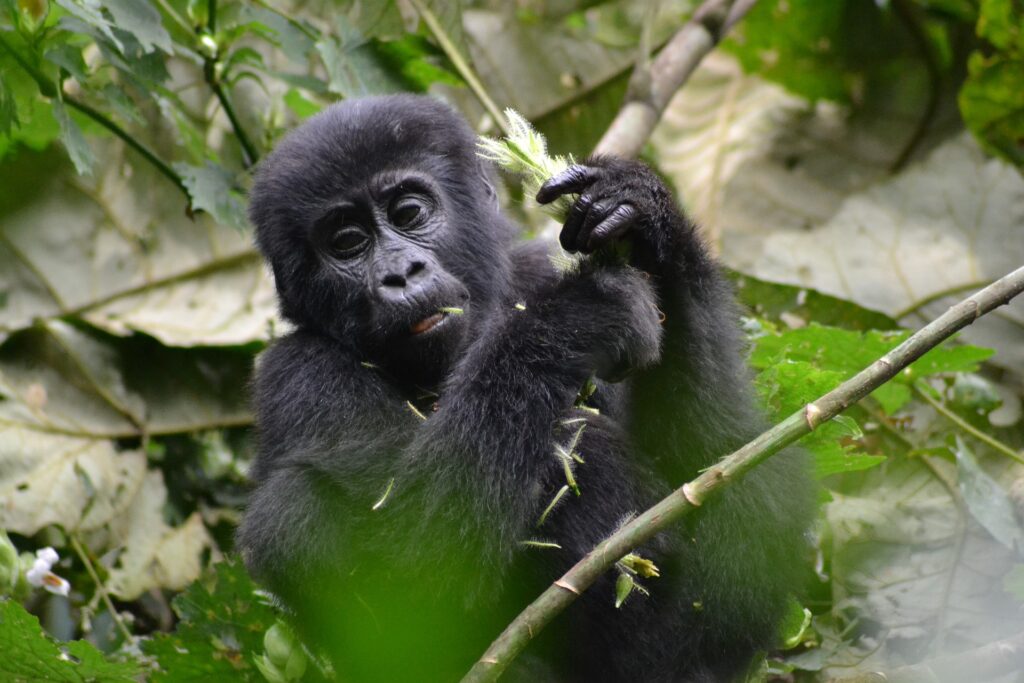
Mgahinga Gorilla National Park is situated in southwestern Uganda, near the borders with Rwanda and the Democratic Republic of Congo. It forms part of the greater Virunga conservation landscape.
Unlike Bwindi’s extensive forested ridges, Mgahinga is characterized by volcanic slopes, bamboo vegetation and beautiful mountain scenery.
The park is an attractive destination for travelers seeking a quieter gorilla trekking environment. However, the number of available trekking permits and gorilla groups is more limited than in Bwindi.
Mgahinga is also an important destination for golden monkey tracking. These endangered primates inhabit bamboo forests and provide a lively wildlife experience that complements gorilla trekking.
Travelers interested in hiking may also explore authorized volcano trails, subject to weather, fitness and park arrangements.
Mgahinga can be incorporated into a wider southwestern Uganda itinerary that includes Lake Bunyonyi, Bwindi or other attractions near Kisoro.
How Much Is a Gorilla Trekking Permit in Uganda?

The standard Uganda gorilla trekking permit for a foreign non-resident visitor is USD 800 per person under the published tariff referenced in this guide. Different rates may apply to foreign residents, citizens of East African Community countries and eligible promotional categories.
A standard permit allows one person to participate in a guided trek and spend up to one hour observing a habituated gorilla family once it has been located.
Permits are issued through the Uganda Wildlife Authority and are subject to availability for the requested date and trekking location.
Because visitor numbers are limited, permits should be arranged well in advance, particularly during popular travel months.
Travelers should confirm the applicable tariff when booking, as official fees and promotional arrangements may change.
When comparing Uganda with Rwanda, remember that the permit is only one part of the total safari cost. Road transfers, domestic flights, accommodation and other activities can significantly influence the final price.
Gorilla Habituation Experience in Uganda: Spend More Time With Gorillas

The gorilla habituation experience in Uganda is a specialized wildlife activity available in the Rushaga area of Bwindi Impenetrable National Park, subject to current Uganda Wildlife Authority arrangements.
Unlike standard gorilla trekking, which normally allows one hour with a habituated family, this activity permits visitors to spend up to four hours observing a gorilla group undergoing habituation once it has been located.
Habituation is the gradual process through which wild gorillas become accustomed to carefully controlled human presence. The process involves experienced researchers, trackers and conservation personnel.
The activity provides a different perspective on gorilla behavior and conservation work. Visitors may observe feeding, movement, resting and social interactions over a longer period.
However, the experience should not be confused with unrestricted access to gorillas. Visitors remain under the supervision of authorized personnel and must follow strict wildlife protection rules.
The standard foreign non-resident habituation permit is USD 1,500 per person under the tariff referenced here. The activity generally has a smaller visitor group than standard trekking.
Because the gorillas are still undergoing habituation, their behavior and movements may be less predictable. The forest experience can also be physically demanding.
This option is particularly attractive to wildlife photographers, primate enthusiasts and travelers who want a deeper understanding of gorilla conservation.
For visitors with limited time or a preference for a shorter encounter, standard gorilla trekking remains an excellent choice.
Other Activities to Combine With Gorilla Trekking in Uganda
Uganda offers many opportunities to extend a gorilla trekking safari. Birdwatching in Bwindi is particularly rewarding because the forest supports numerous species, including Albertine Rift endemics.
Community tourism activities can introduce visitors to local traditions and the history of forest communities, including Batwa cultural heritage. These experiences should be arranged through responsible community-led initiatives.
Travelers can also combine gorilla trekking with chimpanzee tracking in Kibale National Park, wildlife game drives in Queen Elizabeth National Park or relaxation beside Lake Bunyonyi.
Longer Uganda itineraries may include Murchison Falls National Park, Kidepo Valley National Park or other destinations, depending on available travel time.
Gorilla Trekking in Rwanda: A Complete Guide to Volcanoes National Park

Gorilla trekking in Rwanda is one of Africa’s most celebrated wildlife experiences. The country is internationally recognized for its mountain gorilla conservation programs, beautiful volcanic landscapes and well-developed tourism infrastructure.
Rwanda’s gorilla trekking takes place in Volcanoes National Park, located in the northwestern part of the country. The park is accessible by road from Kigali, making it particularly attractive to travelers with limited time.
The journey from Kigali to the Musanze or Kinigi region generally takes approximately two and a half to three hours, depending on traffic and the exact accommodation location.
This relatively convenient access allows travelers to organize short gorilla trekking holidays lasting two or three days. Longer itineraries can combine the experience with wildlife viewing in Akagera National Park, chimpanzee trekking in Nyungwe Forest or relaxation beside Lake Kivu.
Rwanda is also known for its selection of high-end lodges, although mid-range and simpler accommodation options are available in the surrounding region.
For travelers who value efficient transfers, comfortable accommodation and the opportunity to explore additional attractions within a compact country, Rwanda is an excellent choice.
Volcanoes National Park: Home of Rwanda’s Mountain Gorillas
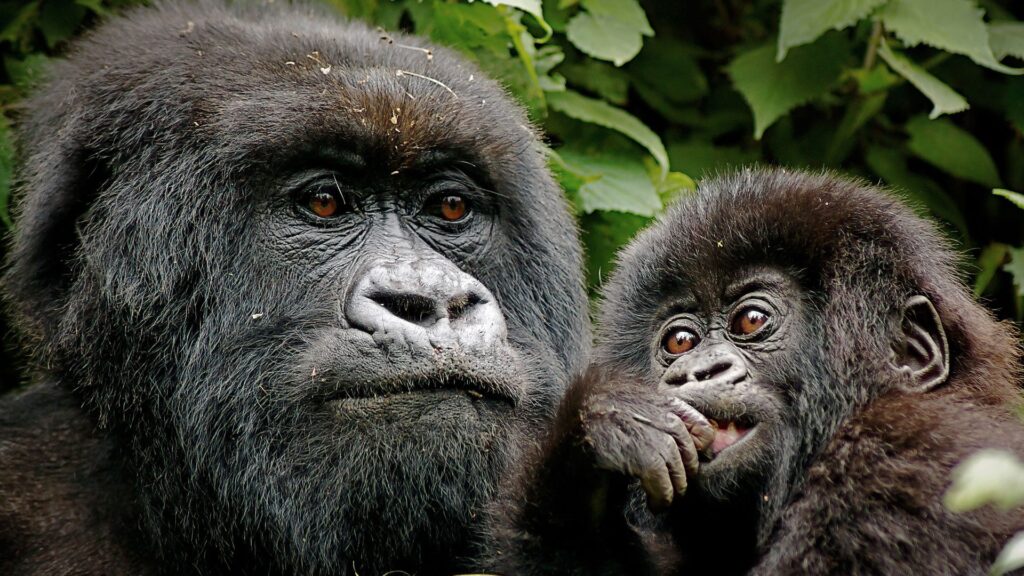
Volcanoes National Park forms part of the Virunga Massif, a chain of volcanic mountains extending across Rwanda, Uganda and the Democratic Republic of Congo.
The park protects bamboo forests, montane vegetation and high-altitude habitats that provide essential refuge for endangered mountain gorillas.
Its dramatic landscape is dominated by volcanic peaks, including Karisimbi, Bisoke, Muhabura, Gahinga and Sabyinyo.
These mountains create one of Africa’s most beautiful settings for a wildlife adventure. On clear mornings, the volcanic slopes rise above cultivated farmland, while mist often settles across the forested hills.
Gorilla trekking begins with an early morning briefing at the park headquarters in Kinigi. Visitors receive instructions about wildlife viewing regulations and are assigned to habituated gorilla families according to the day’s operating arrangements.
After the briefing, travelers continue to their designated trekking starting points. Experienced ranger guides accompany each group, while trackers help locate the gorillas.
The trek may pass through farmland boundaries, bamboo forests and mountain vegetation. The walking conditions depend on the assigned family and its location.
Some gorilla families may be found after a relatively manageable walk, while others require several hours of hiking through steep or muddy terrain.
Visitors should therefore avoid assuming that Rwanda gorilla trekking is always easy. Although the country’s infrastructure is well organized, the gorillas remain wild animals that move freely through mountainous forest.
What to Expect During a Rwanda Gorilla Encounter

When your group approaches the gorillas, the ranger guide will explain how to behave and where visitors should stand.
The encounter may begin with a silverback resting among the vegetation or a female feeding beside her young. Other family members may be hidden in the surrounding plants.
Mountain gorillas spend much of their day feeding, resting and interacting with one another. Their social behavior is often the most memorable part of the experience.
Young gorillas may play together, mothers may groom their infants and adults may move quietly through the forest.
Visitors normally spend one hour with the family once it has been located. Photography is permitted under the park’s rules, but flash photography is prohibited.
Following the viewing period, the group leaves the gorillas undisturbed and returns along the trekking route.
Other Activities in Volcanoes National Park

Volcanoes National Park offers several experiences beyond gorilla trekking. Golden monkey tracking is one of the most popular activities. These endangered monkeys inhabit bamboo forests and are known for their beautiful coloring and energetic behavior.
Visitors interested in hiking can explore selected volcano trails, including Mount Bisoke and Mount Karisimbi, subject to fitness, weather and park regulations.
The Dian Fossey research and conservation legacy is another important part of the region’s history. Travelers can learn about the pioneering work that contributed to international awareness of mountain gorilla conservation.
Cultural activities near Musanze also provide opportunities to learn about Rwandan traditions and the relationship between local communities and protected areas.
How Much Is a Gorilla Trekking Permit in Rwanda?
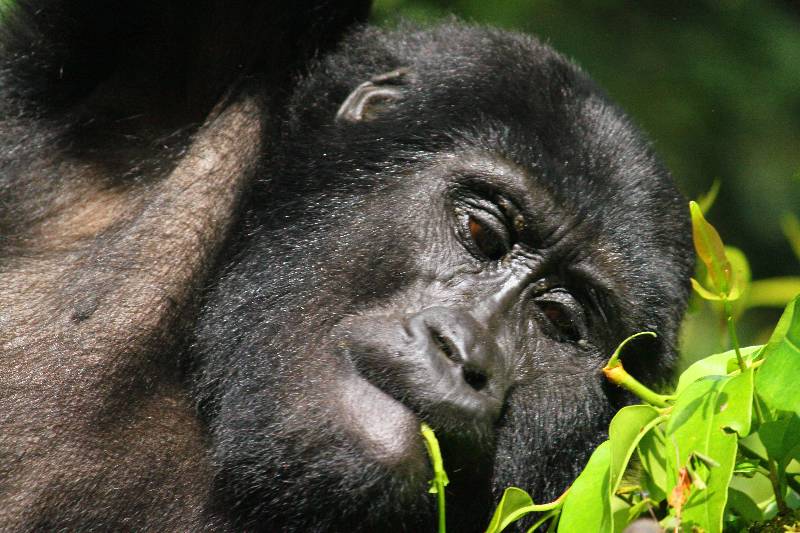
The standard Rwanda gorilla trekking permit costs USD 1,500 per person for international visitors, subject to current Rwanda Development Board tariffs and eligibility-based arrangements.
The permit allows participation in a guided trek and one permitted hour with a habituated mountain gorilla family once located.
Rwanda’s gorilla trekking system carefully controls visitor numbers. Each habituated gorilla family normally receives a maximum of eight visitors per day.
Permits should be reserved well in advance, particularly during popular travel periods such as June through September and the December holiday season.
Although Rwanda’s standard permit is more expensive than Uganda’s, travelers should compare the complete safari cost rather than focusing exclusively on the permit price.
For example, a short Rwanda itinerary may require fewer road transfers than a longer Uganda safari beginning and ending in Entebbe.
Accommodation category, private transport, travel dates and additional activities all influence the final quotation.
Travelers should also ask about any official promotional rates that may apply to their nationality, residency or travel dates. Such arrangements should never be assumed without confirmation.
Gorilla Trekking in the Democratic Republic of Congo

The Democratic Republic of Congo is one of the three countries containing mountain gorilla habitat. Its eastern region includes part of the Virunga Massif, a landscape of volcanic mountains, forests and exceptional biodiversity.
Virunga National Park has historically offered mountain gorilla trekking and other remarkable nature experiences. However, eastern Congo has experienced serious security challenges that have disrupted tourism operations and affected access to protected areas.
Travelers should therefore distinguish between the park’s historical tourism offerings and activities that are currently operating.
Gorilla trekking in Virunga should only be considered when authorized park management confirms that visitor access is open and appropriate travel arrangements are available.
Independent travel into restricted or insecure areas should not be attempted.
Virunga National Park: Africa’s Oldest National Park

Virunga National Park was established in 1925 and is recognized as Africa’s oldest national park. It is also a UNESCO World Heritage Site.
The park protects a remarkable range of habitats, from tropical forests and savannah landscapes to volcanic mountains and high-altitude environments.
Its mountain gorillas inhabit forested areas within the Virunga ecosystem. These populations are part of the same wider conservation landscape as gorillas found in Rwanda’s Volcanoes National Park and Uganda’s Mgahinga Gorilla National Park.
Historically, visitors traveled to Virunga for guided gorilla trekking, volcanic scenery and other wildlife experiences.
The park is also associated with Mount Nyiragongo, one of Africa’s most famous volcanoes. However, access to the mountain and its summit must not be assumed, particularly following volcanic activity and security disruptions.
Any future itinerary involving Virunga or Nyiragongo should be based on direct confirmation of current park operations and official travel guidance.
Congo Gorilla Trekking Permits, Prices and Safety
Older travel guides have listed Virunga gorilla trekking permits at prices such as USD 400 per person, while other historical or promotional rates have also appeared.
These figures should not be presented as a confirmed current price. Permit costs, availability and tourism operations may change, and trekking may be suspended entirely during periods of insecurity.
Before advertising or booking a Congo gorilla safari, travelers and tour operators should confirm current access directly with authorized Virunga National Park management.
It is also essential to review official government travel advisories, border arrangements, visa requirements and the security situation along the proposed route.
A lower advertised permit price should never be the deciding factor when current travel safety cannot be established.
For travelers seeking a confirmed mountain gorilla trekking experience, Uganda and Rwanda may offer more practical alternatives depending on the current situation.
Can You See Other Gorillas in Congo?
Yes. The Democratic Republic of Congo is also home to eastern lowland gorillas, commonly known as Grauer’s gorillas. These are distinct from mountain gorillas.
Kahuzi-Biega National Park is internationally known for its eastern lowland gorilla conservation significance.
However, travel access and security conditions in eastern Congo require careful verification. A lowland gorilla visit should not be treated as automatically available or interchangeable with mountain gorilla trekking in Virunga.
Rwanda vs Uganda vs Congo: Which Country Is Best for Gorilla Trekking?
Choosing between Rwanda, Uganda and Congo depends on several factors, including your budget, travel time, physical fitness, accommodation preferences and current access conditions.
Choose Uganda for Value and a Wider Safari Experience
Uganda is an excellent choice for travelers seeking a combination of gorilla trekking and other wildlife activities. The country offers two gorilla trekking national parks and the specialized gorilla habituation experience in Bwindi.
Uganda also provides opportunities to visit Queen Elizabeth National Park, Kibale National Park, Lake Bunyonyi and other destinations.
The standard foreign non-resident gorilla trekking permit is less expensive than Rwanda’s, although transport and accommodation costs must be considered.
Choose Rwanda for Convenient Access and Short Gorilla Safaris
Rwanda is particularly attractive to travelers with limited time. Volcanoes National Park is accessible by road from Kigali, making two-day and three-day gorilla trekking itineraries practical.
The country offers a well-developed tourism infrastructure and accommodation across several comfort levels, including exclusive luxury lodges.
Rwanda is also suitable for travelers who want to combine gorilla trekking with golden monkey tracking, Lake Kivu or a wildlife safari in Akagera National Park.
Consider Congo Only When Authorized Access Is Confirmed
Virunga’s volcanic landscapes and mountain gorilla habitat are extraordinary. However, serious security challenges mean that travelers should not assume tourism operations are open.
Any Congo itinerary must depend on confirmed park access, current travel advice and reliable arrangements through authorized operators.
For most travelers planning a gorilla trekking safari without confirmed Congo access, Uganda and Rwanda provide clearer options.
Gorilla Trekking Permit Prices in Rwanda, Uganda and Congo
Understanding permit costs is an important part of planning a gorilla trekking safari. Each country has its own tourism regulations, fee structures and booking arrangements.
Uganda Gorilla Trekking Permit
The standard Uganda gorilla trekking permit for foreign non-resident visitors is USD 800 per person under the tariff referenced in this guide.
The specialized gorilla habituation permit is USD 1,500 per person and allows up to four hours with a gorilla group undergoing habituation once located.
Different rates may apply to eligible residents, East African citizens or travelers qualifying for official promotions.
Rwanda Gorilla Trekking Permit
The standard Rwanda gorilla trekking permit costs USD 1,500 per person for international visitors, subject to current official rates and eligibility conditions.
The permit includes participation in the guided trek and one permitted hour observing a habituated mountain gorilla family once located.
Democratic Republic of Congo Gorilla Permit
Historical Virunga National Park gorilla trekking prices have included USD 400 per person and other rates. However, these figures are not reliable as current booking prices without direct confirmation.
Because park access and tourism operations may be affected by security conditions, travelers should confirm whether trekking is operating before considering any permit purchase.
What Does a Gorilla Trekking Permit Cover?
A standard permit generally covers the authorized trekking activity, park ranger guidance and the permitted viewing period with a habituated gorilla family.
It does not automatically include international flights, accommodation, road transfers, porter services, personal equipment or other activities.
When booking a complete safari package, ask the operator to explain exactly which services are included in the quotation.
Best Time to Go Gorilla Trekking in Rwanda and Uganda
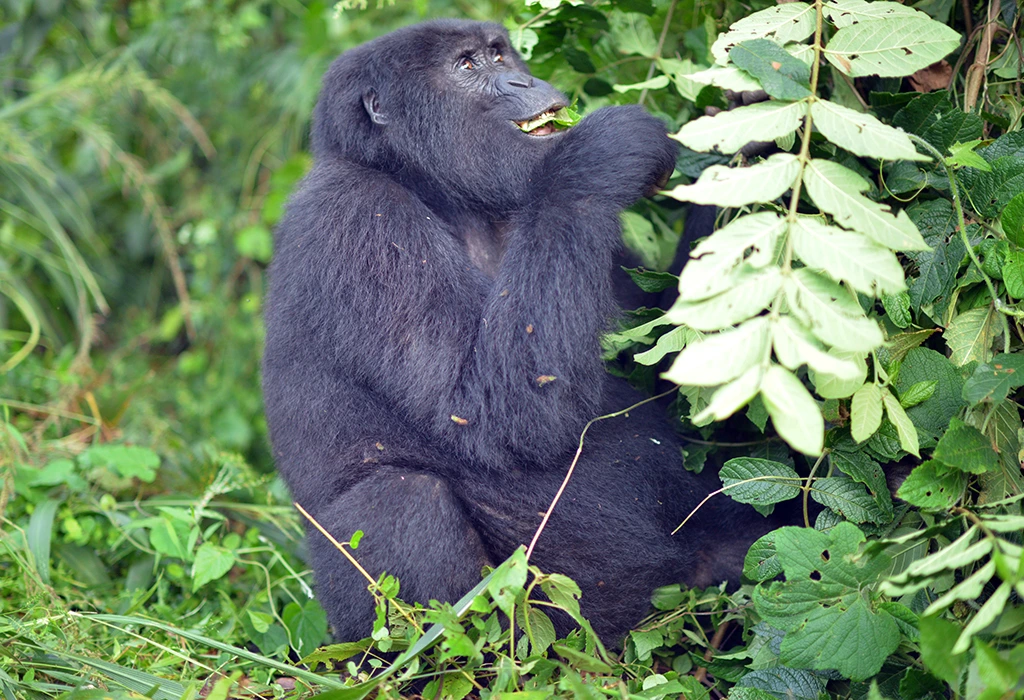
Gorilla trekking is possible throughout the year in Rwanda and Uganda, subject to permit availability and normal park operations.
However, weather conditions can affect trail accessibility, walking comfort and the overall trekking experience.
June to September: Popular Drier Season
June through September is one of the most popular periods for gorilla trekking. Rainfall is often lower than during the main wet seasons, and forest trails may be easier to navigate.
These months are attractive to travelers who prefer relatively drier conditions, although rainfall can occur at any time in mountain forests.
Because demand is high, gorilla trekking permits and popular lodges should be reserved well in advance.
December to February: Another Attractive Travel Period

December through February is another popular period for gorilla trekking in Rwanda and Uganda.
Travelers often combine gorilla trekking with other East African wildlife activities during these months.
The Christmas and New Year holiday period can be particularly busy, so early booking is recommended.
March to May: Rainforest Scenery and Wetter Trails

March through May generally brings increased rainfall to many gorilla trekking areas. Forests become lush and green, creating beautiful scenery for nature lovers and photographers.
However, trekking trails can be slippery, muddy and more physically demanding.
Travelers visiting during this period should carry reliable waterproof clothing and suitable hiking boots.
October to November: Green Landscapes and Variable Weather
October and November are often associated with additional rainfall in parts of the region.
Gorilla trekking remains possible under normal operating conditions, but visitors should prepare for changing weather and potentially difficult walking conditions.
The best month ultimately depends on your travel preferences, available permits and the other destinations you want to include.
How Difficult Is Gorilla Trekking?
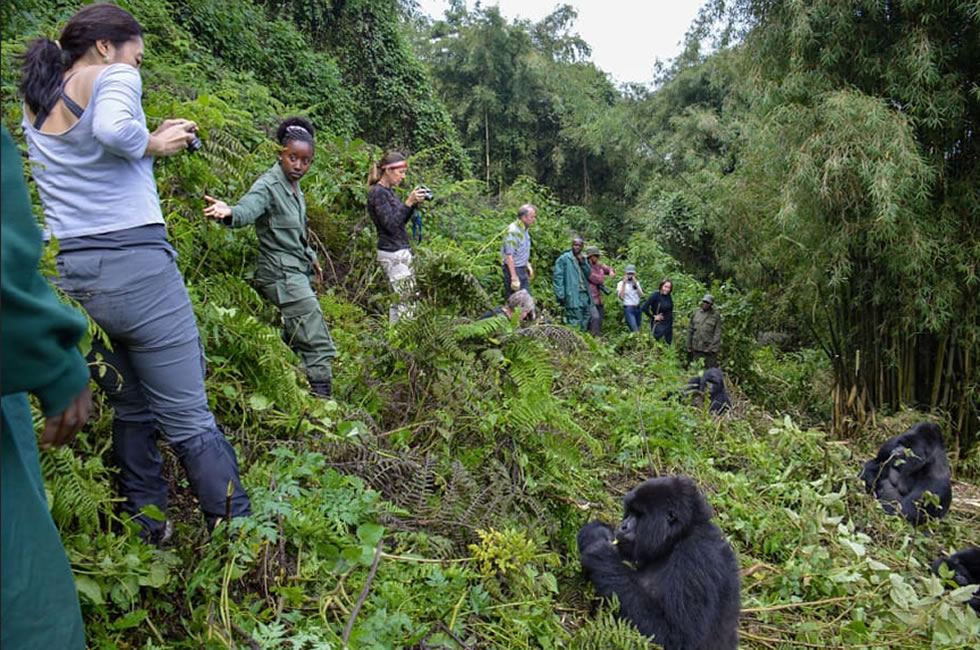
One of the most common questions travelers ask is whether they need to be extremely fit to participate in gorilla trekking.
The answer depends on the specific trek. Gorilla families move freely through their habitat, so the distance, elevation and terrain vary from day to day.
Some groups may reach their assigned gorilla family after a relatively short walk. Others may spend several hours climbing steep slopes or moving through dense vegetation.
Forest trails can be muddy, slippery and uneven. The altitude in parts of the Virunga Mountains can also make physical activity feel more demanding.
How Long Does a Gorilla Trek Last?
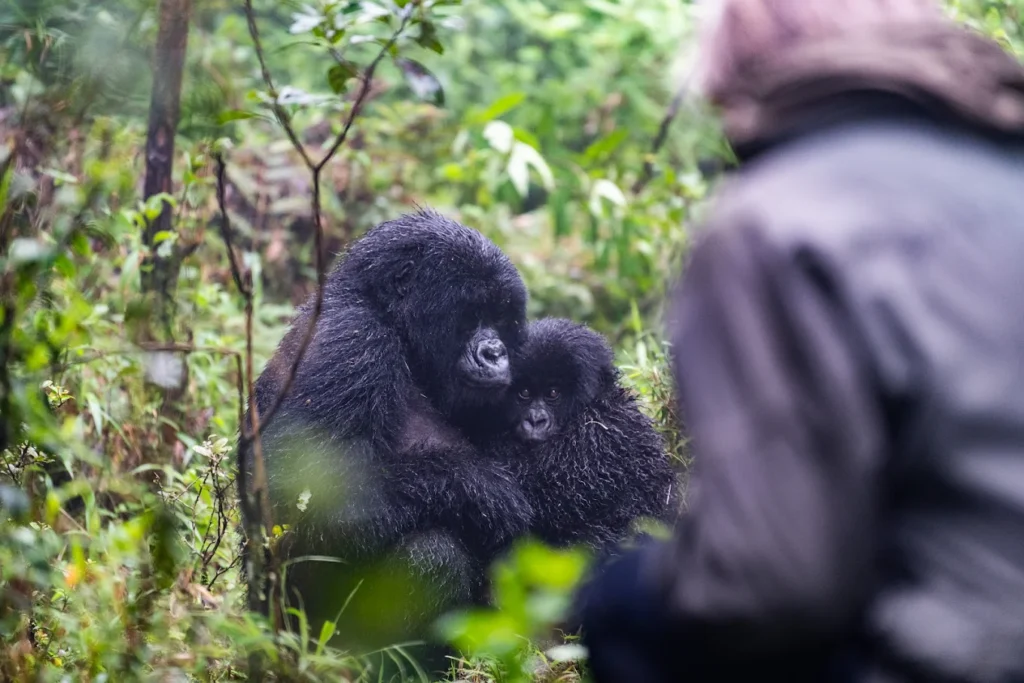
A complete gorilla trekking activity may take several hours, including the walk into the forest, the permitted viewing period and the return journey.
Some treks are relatively short, while more demanding excursions can occupy much of the day.
There is no guaranteed trekking duration because the gorillas are wild animals and their movements cannot be controlled.
Can Older Travelers Go Gorilla Trekking?
Yes. Many older travelers participate successfully in gorilla trekking, provided they meet the park’s eligibility requirements and are medically fit for the activity.
Visitors concerned about their mobility should discuss their needs with the safari operator before booking.
In some destinations, porter services and other locally available assistance may help travelers manage difficult terrain. Such services should be confirmed in advance.
How Can You Prepare Physically?

Walking regularly before your trip can help improve endurance. Hiking on uneven terrain, climbing stairs and maintaining general cardiovascular fitness may also be beneficial.
Travelers with medical conditions should seek appropriate professional advice before undertaking strenuous trekking.
Comfortable footwear, suitable clothing and realistic expectations are just as important as physical preparation.
Gorilla Trekking Rules and Regulations
Gorilla trekking is carefully regulated to protect endangered gorillas and ensure that visitors behave responsibly.
Although specific rules may differ between parks and can be updated, several important principles apply across established gorilla trekking destinations.
Maintain the Required Distance From Gorillas

Visitors must follow the minimum viewing distance required by the relevant park. Published rules have commonly referred to a separation of at least seven meters, but current park instructions take priority and may require greater distance.
Gorillas should never be touched or deliberately approached. If an animal moves closer, visitors must follow their ranger guide’s instructions.
Do Not Trek When You Are Sick
Human respiratory and other infectious diseases can pose serious risks to gorillas.
Visitors experiencing symptoms such as fever, coughing or other potentially contagious illnesses should inform the operator and park authorities before trekking.
Park officials may restrict participation to protect the animals.
Follow Mask and Hygiene Requirements
Face masks and other health precautions may be required during gorilla encounters. Travelers should follow the current rules issued by the park authorities.
Good hygiene and responsible behavior help reduce the risk of disease transmission.
Respect Visitor Group Limits
Standard gorilla trekking visits are normally limited to a maximum of eight visitors per habituated gorilla family.
Specialized habituation activities may operate with smaller groups and different procedures.
Observe the Permitted Viewing Time
Standard gorilla trekking normally allows one hour with a habituated gorilla family once located.
Uganda’s specialized gorilla habituation experience allows up to four hours with a group undergoing habituation.
Visitors must leave when instructed by the ranger guide, even if they would prefer to stay longer.
Avoid Flash Photography and Sudden Movements
Flash photography is not permitted during gorilla encounters. Visitors should also avoid loud noises, sudden movements and behavior that may disturb the animals.
Speak quietly and remain attentive to the ranger’s instructions.
Never Feed Gorillas or Leave Rubbish
Visitors must not feed gorillas or leave food and rubbish in the forest.
Food and drinking water should only be consumed in locations approved by the guide, away from the gorillas.
All waste should be carried out of the protected area.
What to Pack for Gorilla Trekking in Africa
Appropriate clothing and equipment can make a significant difference to your comfort during a gorilla trekking adventure.
Waterproof Hiking Boots
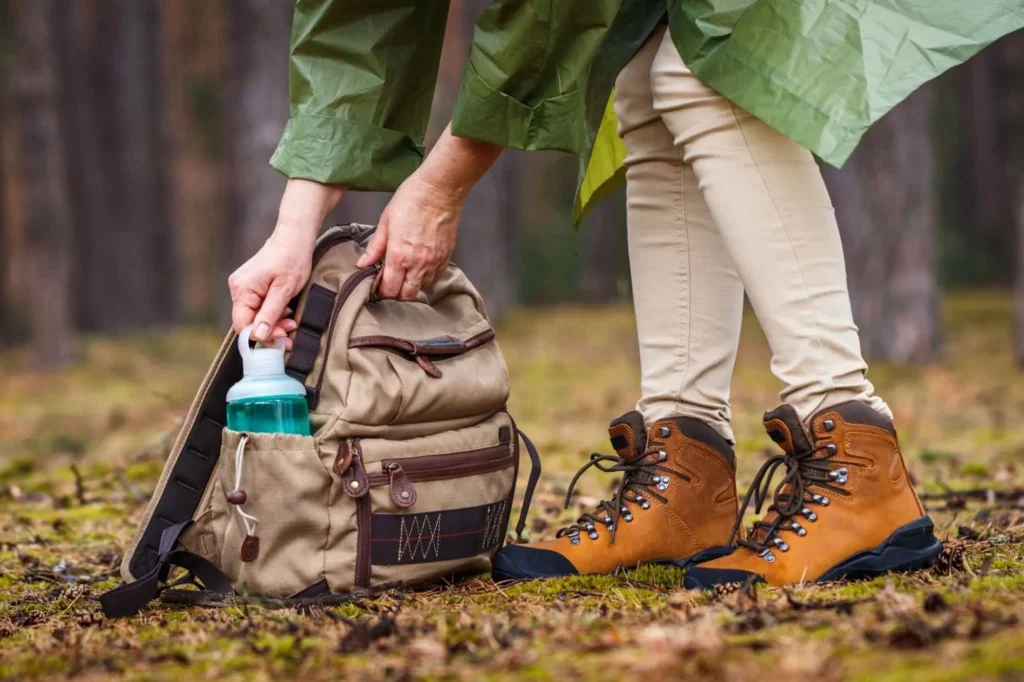
Sturdy hiking boots with good ankle support and reliable grip are among the most important items. Forest trails can be steep, muddy and slippery.
Long-Sleeved Shirts and Trousers
Long clothing helps protect your skin from vegetation, insects and minor scratches while walking through dense forest.
Waterproof Jacket and Warm Layer
Mountain forests experience changing weather. A lightweight waterproof jacket is essential, while a warm layer can be useful during early morning briefings.
Gardening Gloves and Gaiters
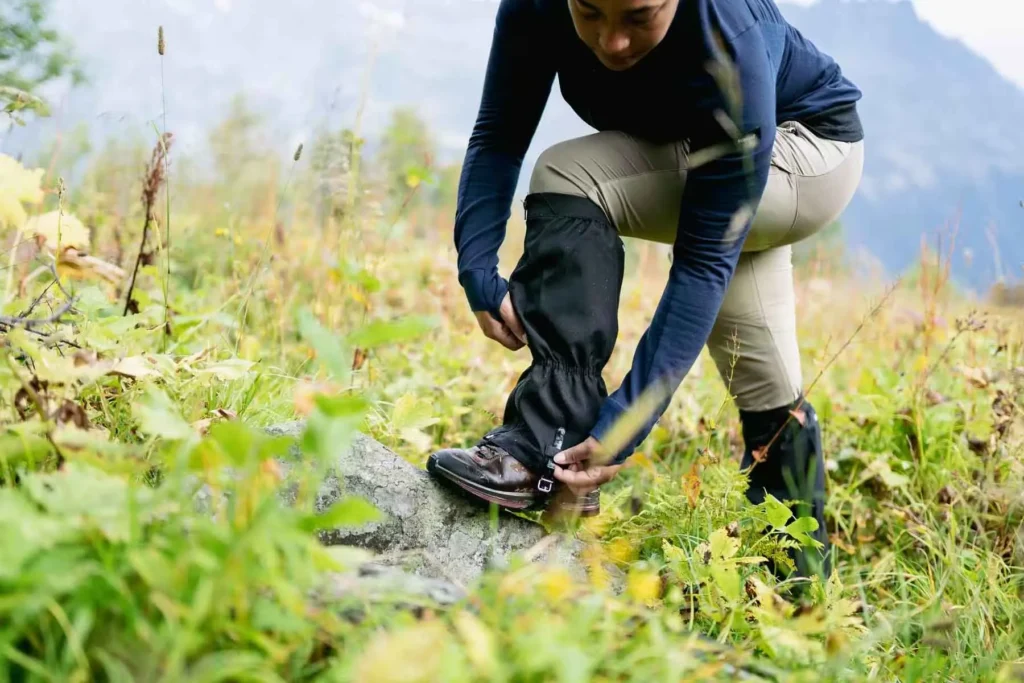
Gardening gloves can help protect your hands when holding vegetation for balance. Gaiters may reduce the amount of mud and moisture entering your boots.
Drinking Water and Snacks
Carry sufficient water for the trek and suitable snacks for consumption only in areas approved by the ranger guide.
Camera and Binoculars
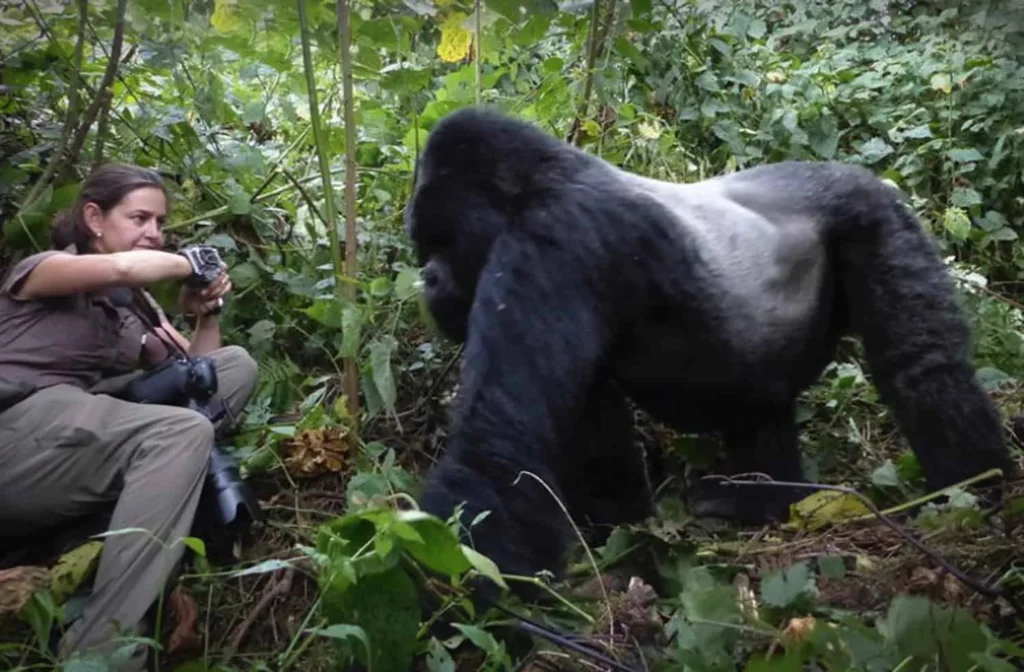
A camera is useful for recording the experience, but flash photography is prohibited. Protect your equipment from moisture and changing forest conditions.
Personal Medication and Identification
Bring essential medication and any passport or identification documents required for activity registration.
A small waterproof daypack will help keep your belongings organized. Porter services may be available to assist with carrying equipment.
How Much Does a Complete Gorilla Trekking Safari Cost?
The total cost of a gorilla trekking safari depends on more than the permit price.
Accommodation, transportation, travel dates, number of travelers, selected activities and the duration of the itinerary all influence the final quotation.
A short Rwanda gorilla trekking safari may involve fewer road transfers because Volcanoes National Park is relatively close to Kigali.
A Uganda gorilla trekking safari may require a longer road journey from Entebbe or Kampala, although some travelers choose domestic flights or enter southwestern Uganda from Kigali where border arrangements permit.
Accommodation choices range from simpler guesthouses to comfortable mid-range lodges and exclusive luxury properties.
Private safari vehicles generally cost more per person for solo travelers than for couples or small groups sharing the same vehicle.
Additional activities, including chimpanzee trekking, golden monkey tracking, wildlife game drives and boat safaris, also affect the total price.
For accurate budgeting, request a quotation that clearly separates permit costs from accommodation, transportation and other services.
At Visit Rwanda Gorilla, we can prepare tailored itineraries for budget, mid-range and luxury travelers based on their actual travel dates and interests.
Recommended Gorilla Trekking Safari Itineraries in Africa
Gorilla trekking can be arranged as a short wildlife holiday or included within a longer East African safari. The best itinerary depends on your arrival airport, available travel days, accommodation preferences and other activities you would like to experience.
2 Days Rwanda Gorilla Trekking Safari

A 2 Days Rwanda Gorilla Trekking Safari is suitable for travelers with limited time who want to focus on the mountain gorilla experience.
The journey normally begins in Kigali before continuing to Volcanoes National Park. After an overnight stay near the park, visitors participate in gorilla trekking and return to Kigali according to the agreed schedule.
This short itinerary is particularly convenient for travelers already visiting Rwanda or combining gorilla trekking with another African destination.
3 Days Rwanda Gorilla Trekking Safari
A three-day Rwanda gorilla safari provides more time to enjoy the Virunga Mountains and surrounding attractions.
The itinerary can include a Kigali city tour, transfer to Volcanoes National Park, mountain gorilla trekking and a cultural experience near Musanze.
Depending on the final arrangements, travelers may also add golden monkey tracking or another suitable activity.
3 Days Uganda Gorilla Trekking Safari
A three-day Uganda gorilla trekking itinerary typically focuses on Bwindi Impenetrable National Park or Mgahinga Gorilla National Park.
Travelers arriving through Entebbe should prepare for substantial road transfers unless domestic flights are arranged.
The itinerary normally includes travel to the gorilla trekking region, one day dedicated to the trekking experience and a return transfer.
4 Days Uganda Gorilla Trekking and Lake Bunyonyi
This itinerary combines mountain gorilla trekking with relaxation beside Lake Bunyonyi, one of southwestern Uganda’s most scenic lakes.
After the forest adventure, travelers can enjoy beautiful lake views, boat excursions or time at a comfortable lakeside lodge.
The combination is attractive to couples and visitors who want a relaxed conclusion to their gorilla trekking experience.
5 Days Rwanda Gorilla and Akagera Wildlife Safari
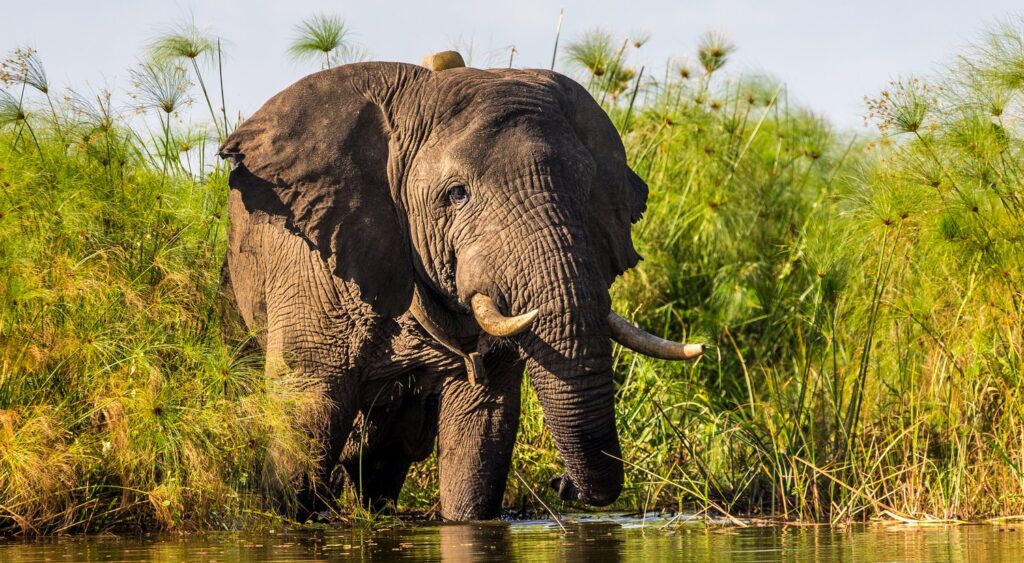
The 5 Days Rwanda Gorilla and Akagera Wildlife Safari combines mountain gorilla trekking with traditional African wildlife viewing.
Travelers explore Akagera National Park on guided game drives before continuing to Volcanoes National Park for gorilla trekking and golden monkey tracking.
The itinerary also includes cultural experiences and Musanze Caves, creating a varied introduction to Rwanda.
7 Days Uganda and Rwanda Gorilla Trekking Safari
A seven-day Uganda and Rwanda itinerary offers opportunities to experience the wildlife and landscapes of both countries.
Depending on the chosen route, travelers can include gorilla trekking, golden monkey tracking, cultural experiences and selected wildlife activities.
Cross-border travel requires appropriate immigration arrangements and advance permit reservations.
Longer Uganda and Rwanda Wildlife Safaris
Travelers with more time can combine gorilla trekking with chimpanzee tracking in Kibale or Nyungwe, wildlife game drives in Queen Elizabeth or Akagera, and relaxation beside Lake Kivu or Lake Bunyonyi.
Longer itineraries provide a more relaxed pace and allow visitors to experience different ecosystems without rushing between destinations.
Frequently Asked Questions About Gorilla Trekking in Rwanda, Uganda and Congo
1. What Is Gorilla Trekking?
Gorilla trekking is a guided wildlife activity that involves walking through protected forest habitats to locate and observe a habituated gorilla family. Visitors follow experienced park rangers and must respect strict wildlife viewing regulations.
2. Which Countries Offer Mountain Gorilla Trekking?
Mountain gorillas live in Uganda, Rwanda and the Democratic Republic of Congo. Established trekking destinations include Bwindi, Mgahinga, Volcanoes and Virunga national parks. However, tourism access in Congo must be verified because of security-related disruptions.
3. Which Country Is Best for Gorilla Trekking?
Uganda is attractive for travelers seeking varied trekking locations and a lower standard international permit price. Rwanda is particularly convenient for short itineraries from Kigali. Congo should only be considered when authorized park access and safe travel arrangements are confirmed.
4. How Much Does Gorilla Trekking Cost in Uganda?
The standard Uganda permit for foreign non-resident visitors is USD 800 per person under the tariff referenced in this guide. A complete safari costs more because accommodation, transportation and other services must also be included.
5. How Much Does Gorilla Trekking Cost in Rwanda?
The standard Rwanda gorilla trekking permit costs USD 1,500 per person for international visitors, subject to current official tariffs and eligibility conditions.
6. How Much Does Gorilla Trekking Cost in Congo?
Historical Virunga permit prices have varied. Current prices and availability cannot be assumed without confirmation from authorized park management. Security conditions may also prevent tourism operations.
7. What Is the Gorilla Habituation Experience?
Gorilla habituation is a specialized activity involving observation of a gorilla group undergoing the process of becoming accustomed to controlled human presence. In Uganda’s Bwindi Impenetrable National Park, the experience allows up to four hours with the group once located.
8. Where Can I Do Gorilla Habituation in Uganda?
The specialized gorilla habituation experience is associated with the Rushaga area of Bwindi Impenetrable National Park, subject to current Uganda Wildlife Authority arrangements.
9. How Long Can Visitors Stay With Mountain Gorillas?
Standard gorilla trekking normally permits one hour with a habituated gorilla family once located. Uganda’s specialized habituation experience allows up to four hours.
10. What Is the Minimum Age for Gorilla Trekking?
The minimum age for standard mountain gorilla trekking in Rwanda and Uganda is 15 years.
11. How Many People Can Trek One Gorilla Family?
Standard trekking groups are normally limited to eight visitors per habituated gorilla family. Specialized habituation activities may have smaller group limits.
12. Is Gorilla Trekking Safe?
Gorilla trekking in authorized and operating parks is conducted under the supervision of experienced rangers and guides. However, outdoor activities involve natural risks, and regional security conditions differ. Travelers should follow park instructions and current official travel guidance.
13. Are Mountain Gorillas Dangerous?
Mountain gorillas are powerful wild animals, but habituated families are accustomed to controlled human presence. Visitors must follow ranger instructions, maintain the required distance and avoid behavior that could disturb the gorillas.
14. Can You Touch Mountain Gorillas?
No. Visitors must never touch, feed or deliberately approach mountain gorillas. These rules protect both the animals and visitors.
15. Can You Take Photographs During Gorilla Trekking?
Yes. Photography is generally permitted under park regulations, but flash photography is prohibited. Visitors should follow the ranger’s instructions and avoid disturbing the animals.
16. What Happens If It Rains During Gorilla Trekking?
Gorilla trekking can continue during rain under normal park operations. Trails may become muddy and slippery, so waterproof clothing and suitable hiking boots are important. Park authorities determine whether conditions require changes to activities.
17. What Is the Best Time of Year for Gorilla Trekking?
June through September and December through February are popular periods because conditions are often relatively drier. However, trekking is possible throughout the year in operating parks, subject to permit availability.
18. How Physically Fit Do I Need to Be?
Visitors should be reasonably fit and prepared for uneven forest trails. The difficulty varies according to the gorillas’ location, terrain and weather. Travelers with mobility concerns should discuss suitable arrangements before booking.
19. Should I Hire a Porter?
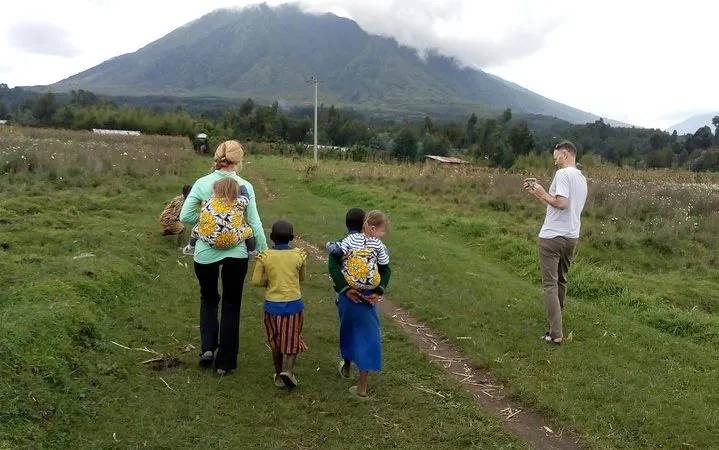
Hiring a porter can be helpful, particularly on steep or muddy trails. Porters may assist with carrying a daypack and provide support where permitted. Their services can also contribute to local livelihoods.
20. What Should I Wear for Gorilla Trekking?
Waterproof hiking boots, long trousers, a long-sleeved shirt, a rain jacket and gardening gloves are recommended. A warm layer and comfortable daypack are also useful.
21. Can I Trek Gorillas If I Am Sick?
Visitors experiencing symptoms of a potentially contagious illness must inform the operator and park authorities. Participation may be restricted to protect the gorillas from disease transmission.
22. Can I Book Gorilla Trekking Permits Directly?
Permits can be arranged through the relevant authorized park or tourism authority, subject to its booking procedures. Travelers may also use a reputable safari operator to coordinate permits with accommodation and transportation.
23. How Early Should I Book Gorilla Trekking Permits?
Booking several months in advance is advisable, particularly during popular travel seasons. Availability can be limited because daily visitor numbers are controlled.
24. Can I Combine Gorilla Trekking With Chimpanzee Tracking?

Yes. In Uganda, gorilla trekking can be combined with chimpanzee tracking in Kibale National Park. In Rwanda, travelers can include chimpanzee trekking in Nyungwe Forest National Park.
25. Can I Combine Gorilla Trekking With a Big Five Safari?
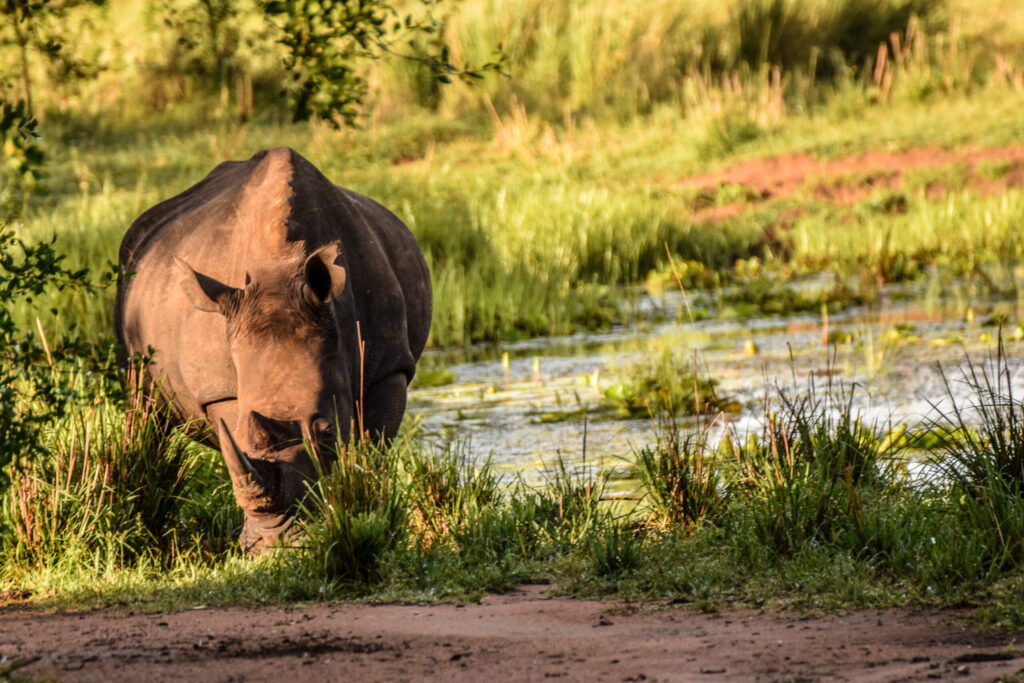
Yes. Rwanda itineraries can combine gorilla trekking in Volcanoes National Park with wildlife game drives in Akagera National Park. Uganda itineraries can include Queen Elizabeth National Park and other savannah destinations.
26. Are Gorilla Sightings Guaranteed?
Gorilla trekking is organized with experienced trackers who monitor habituated families, making encounters highly likely during normal operations. However, the gorillas remain wild animals, so sightings cannot be guaranteed.
27. Is Gorilla Trekking Worth the Cost?
For many wildlife enthusiasts, observing endangered mountain gorillas in their natural habitat is a once-in-a-lifetime experience. Permit fees also contribute to regulated tourism and conservation activities. The value depends on personal interests, budget and travel expectations.
28. How Can I Book a Gorilla Trekking Safari?
Contact Visit Rwanda Gorilla with your preferred travel dates, number of travelers, destination choices and accommodation preferences. Our team can help prepare a personalized itinerary and coordinate available permits and safari services.
Book Your Gorilla Trekking Safari in Rwanda or Uganda
Experience one of Africa’s most extraordinary wildlife encounters with a professionally organized gorilla trekking safari.
Imagine walking through a beautiful mountain forest as your ranger guide follows signs of a gorilla family’s movements. The anticipation builds with every step until you finally encounter these remarkable animals in their natural habitat.
Watching a silverback resting among the vegetation, young gorillas playing or mothers caring for their infants creates memories that can last a lifetime.
At Visit Rwanda Gorilla, we organize private gorilla trekking safaris in Rwanda and Uganda, with itineraries tailored to your travel dates, preferred accommodation category and personal interests.
Our team can assist with gorilla permit arrangements, accommodation reservations, private transfers and additional wildlife experiences.
Whether you are planning a short Rwanda gorilla trekking holiday, a Uganda gorilla habituation experience or a longer wildlife safari combining several national parks, we can help you create a suitable itinerary.
We also organize safaris that combine gorilla trekking with chimpanzee tracking, golden monkey tracking, Big Five game drives, cultural experiences and scenic lake destinations.
For travelers interested in Congo, any proposed itinerary will depend on confirmed park operations, official travel guidance and suitable security arrangements.
Start Planning Your Gorilla Trekking Adventure Today
Contact our safari specialists for a personalized gorilla trekking itinerary and quotation. Share your preferred travel dates, number of travelers, desired destinations and accommodation preferences.
Visit Rwanda Gorilla
Website: www.visitrwandagorilla.com
Email: info@visitrwandagorilla.com
WhatsApp: +256 772 446879
Book your gorilla trekking safari today and discover the extraordinary mountain gorillas, beautiful forests and remarkable wildlife of Rwanda and Uganda.
Visit Rwanda Gorilla
GECKO SAFARIS AFRICA is a tour operator offering safaris to Uganda, Rwanda, Congo, Kenya and Tanzania. We create authentic and memorable travel experiences across East and Central Africa.
PLAN YOUR SAFARI ›
- Wildlife Safaris
- Gorilla Trekking
- Tailor-made Trips
- Responsible Tourism