
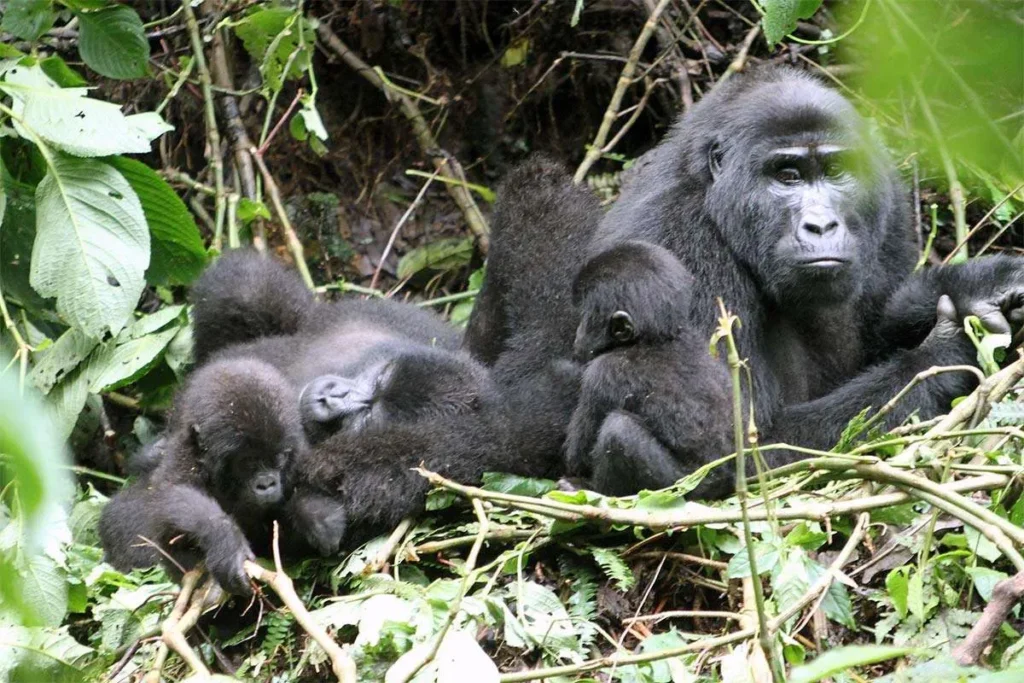
Nshongi Gorilla Family in Bwindi
Nshongi Gorilla Family in Bwindi: History, Location and Trekking Guide The Nshongi Gorilla Family holds an important place…
Read article →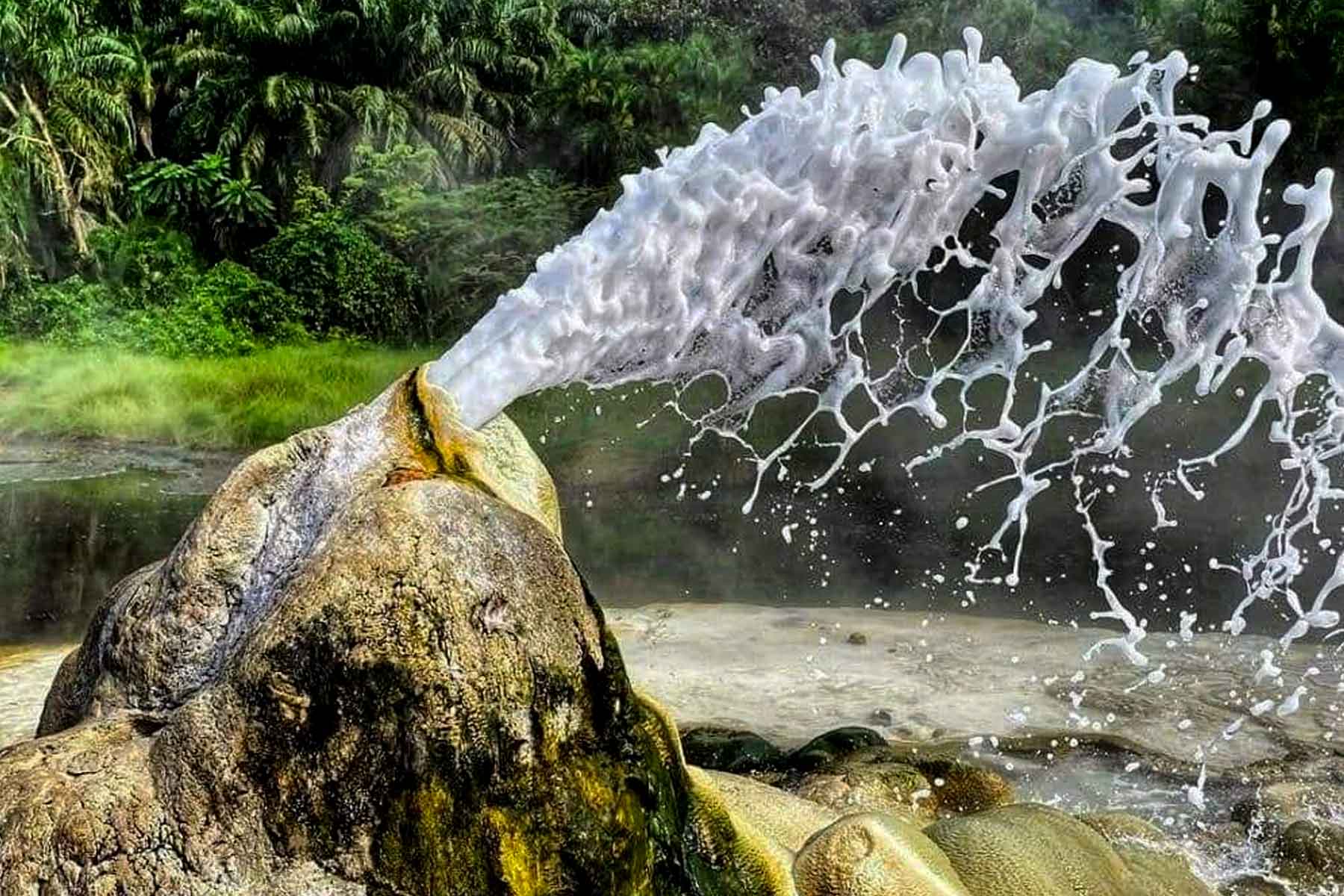
Travel Guide
Semuliki Hot Springs offers one of the most unusual natural attractions in western Uganda. The springs sit inside Semuliki National Park, where geothermal water rises through the forest floor. The hot springs provide a fascinating addition…
Semuliki Hot Springs offers one of the most unusual natural attractions in western Uganda. The springs sit inside Semuliki National Park, where geothermal water rises through the forest floor.
The hot springs provide a fascinating addition to a Uganda safari. Visitors can walk through tropical forest, observe birds and primates, and then reach steaming pools where temperatures can become extremely high.
A visit does not require a full day. However, taking time to explore the surrounding forest can turn a simple hot spring visit into a richer wildlife experience.
Semuliki Hot Springs sits inside Semuliki National Park in western Uganda.
The park lies within the Albertine Rift Valley near the border with the Democratic Republic of Congo.
The Rwenzori Mountains rise to the southeast, while the Semuliki River and surrounding lowland forest create a distinctive landscape.
The hot springs form part of the park’s geothermal features and remain among its most recognizable attractions.
The hot springs provide evidence of geothermal activity beneath the earth.
Groundwater moves through cracks and heated rock before returning to the surface at high temperatures.
Visitors can see steam rising from the pools and observe bubbling water.
The landscape feels particularly atmospheric because the springs sit within a lush forest environment.
The most famous hot springs in Semuliki are the Sempaya Hot Springs.
The area contains two main geothermal features commonly known as the male and female hot springs.
The larger female spring, often called Nyasimbi, creates a powerful display of boiling water and steam.
The male spring, known as Bintente, forms a large pool surrounded by vegetation.
Both sites provide different experiences and make excellent stops during a Semuliki safari.
The female hot spring provides one of the most impressive sights in the area.
Boiling water rises from the ground and creates clouds of steam above the pool.
The name Nyasimbi relates to a local legend connected with the spring.
Your guide can explain the cultural stories surrounding the site and how local communities understand the hot springs.
The male hot spring creates a broad pool surrounded by forest.
The water remains extremely hot, so visitors must stay within designated areas.
The spring provides an excellent place to observe the contrast between the cool green forest and the steaming geothermal water.
Your guide will explain the safety boundaries before you approach the spring.
Yes, the boiling water can cook an egg.
Guides sometimes demonstrate the temperature of the spring by placing an egg or other food into the boiling water.
The demonstration provides an easy way to understand just how hot the water becomes.
However, never attempt to enter the water or touch it yourself.
The springs can cause serious burns.
No. You should never swim or bathe in the Sempaya hot springs.
The water reaches temperatures far above what the human body can tolerate.
Visitors should remain on designated paths and viewing areas.
The springs provide a sightseeing experience rather than a bathing experience.
If you want a traditional hot-water bathing experience, choose a purpose-built spa or thermal pool elsewhere.
The temperature varies between different parts of the geothermal system.
Some sections can reach boiling temperatures.
Steam and bubbling water provide visible evidence of the extreme heat.
Your guide will show you where you can safely stand and observe the springs.
Always follow the marked paths and instructions.
The walk to the hot springs can take a few hours depending on your route, walking pace, and stops.
The experience normally involves a forest walk rather than simply driving directly to the springs.
Allow enough time to enjoy the scenery and look for wildlife along the trail.
If you want to combine the visit with birdwatching or primate viewing, plan additional time.
The Sempaya Nature Trail provides the main walking route to the hot springs.
The trail passes through Semuliki’s tropical forest and offers opportunities to observe birds, butterflies, primates, and other forest wildlife.
The walk also introduces visitors to the area’s plant life and geological features.
The journey forms an important part of the experience.
Semuliki supports a remarkable variety of wildlife.
During the walk, you may see red-tailed monkeys, black-and-white colobus monkeys, blue monkeys, and other primates.
Birdwatchers can also find many forest species.
Butterflies and other insects add color and movement to the trail.
Wildlife sightings remain unpredictable, so patience helps.
Semuliki National Park ranks among Uganda’s best birdwatching destinations.
The park’s location within the Albertine Rift and its connection to Central African ecosystems give it a unique bird community.
You can search for hornbills, kingfishers, turacos, barbets, forest birds, and other species.
A specialist bird guide can greatly improve your chances of finding difficult forest species.
Yes.
Semuliki supports several primate species.
You may encounter red-tailed monkeys, black-and-white colobus monkeys, blue monkeys, and other forest primates.
Some species remain shy and may move through dense vegetation before you can photograph them.
A guide can identify their calls and movement patterns.
The Sempaya Hot Springs carry cultural importance for communities around the park.
Local traditions explain the names of the springs and connect them with stories passed down through generations.
Your guide can share these stories during the walk.
Learning about the cultural meaning of the springs adds another dimension to the natural attraction.
Wear comfortable hiking clothing suitable for warm and humid conditions.
Lightweight trousers and a breathable shirt work well.
Strong walking shoes or hiking boots provide better grip on forest trails.
A waterproof jacket remains useful because Semuliki receives rainfall throughout the year.
Carry a hat and sunscreen for exposed sections of the trail.
Bring enough drinking water because the forest can feel hot and humid.
Carry a small daypack with your personal essentials.
Binoculars can improve wildlife and birdwatching opportunities.
If you bring a camera, protect it from rain and humidity.
Insect repellent can also improve comfort during the forest walk.
The walk requires a reasonable level of fitness.
Some sections can become uneven, muddy, or slippery, particularly after rain.
Visitors should take their time and follow the guide’s route.
If you have mobility concerns, discuss them with your safari operator before planning the walk.
They can advise you about current trail conditions and suitable alternatives.
Semuliki remains open to visitors throughout the year.
The drier months can provide easier walking conditions.
However, rainfall can occur even during traditionally dry periods because Semuliki forms part of a tropical forest ecosystem.
The wet season creates especially lush scenery and active forest life.
Your choice should depend on your wider Uganda itinerary rather than weather alone.
Drier conditions can make the nature trail easier to navigate.
The forest remains green, while some sections of the trail may become less muddy.
Wildlife viewing can also remain productive.
Morning visits often provide cooler temperatures and more comfortable walking conditions.
Rain transforms the forest into an even greener environment.
Streams and vegetation become more active, and the atmosphere can feel especially dramatic around the steaming springs.
However, trails can become muddy and slippery.
Good hiking shoes and rain protection become essential.
Yes.
Semuliki offers several activities that complement a visit to the hot springs.
You can combine the walk with birdwatching, primate walks, forest hikes, and wildlife viewing.
A visit to the nearby Semuliki River can also add another dimension to your safari.
Travelers with more time can explore the wider region around Fort Portal and the Rwenzori Mountains.
A full day can cover the main hot spring experience.
However, staying one or two nights allows you to explore more of the park.
Birdwatchers especially benefit from additional time because many forest species require patience.
An overnight stay also allows you to combine the hot springs with other wildlife activities without rushing.
Accommodation around Semuliki ranges from comfortable safari lodges to smaller guesthouses and camps.
Semuliki Safari Lodge provides one of the better-known lodge experiences near the park.
Travelers can also stay around Fort Portal and visit the park as part of a wider western Uganda itinerary.
Choose accommodation according to your planned activities and driving schedule.
Yes, when visitors follow the park’s safety rules.
The greatest danger comes from the extreme temperature of the geothermal water.
Stay on designated paths and never approach the water unnecessarily.
Do not attempt to touch the boiling pools or throw objects into them without your guide’s permission.
The park guide will explain safe viewing points.
Semuliki offers something different from Uganda’s famous savannah and gorilla destinations.
You can walk through tropical forest, search for rare birds and primates, and then encounter powerful geothermal activity.
The combination of wildlife, geology, forest scenery, and cultural stories makes the experience distinctive.
It also works well as part of a broader western Uganda itinerary.
A visit to the Sempaya Hot Springs provides an excellent opportunity to experience one of Uganda’s most unusual natural attractions. The boiling pools rise through the forest, creating steam and bubbling water within a beautiful tropical landscape.
The experience involves more than simply seeing the springs. The nature trail introduces you to Semuliki’s birds, primates, plants, butterflies, and cultural stories.
Do not swim in the springs or touch the boiling water. Stay on designated trails and follow your guide’s instructions throughout the visit.
For a richer experience, combine the hot springs with birdwatching, primate walks, or other activities in Semuliki National Park. If you have enough time, spend a night or two in the area rather than rushing through the park.
Semuliki may receive fewer visitors than Uganda’s better-known safari destinations, but that adds to its appeal. The steaming springs, dense forest, wildlife, and remote atmosphere create a memorable experience for travelers exploring western Uganda.

Nshongi Gorilla Family in Bwindi: History, Location and Trekking Guide The Nshongi Gorilla Family holds an important place…
Read article →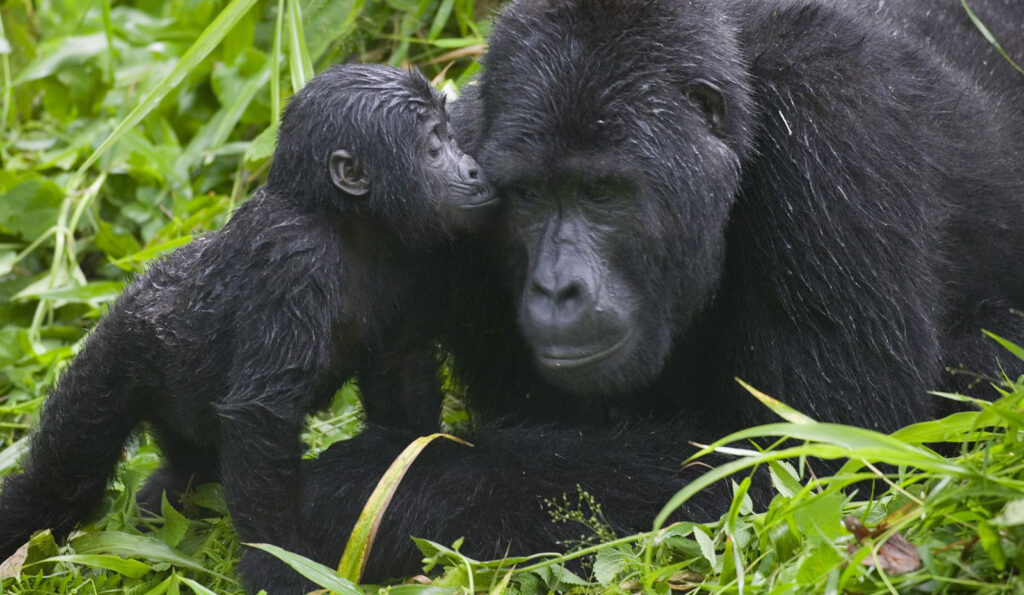
Mishaya Gorilla Family in Bwindi: History, Trekking and What to Know The Mishaya Gorilla Family is one of…
Read article →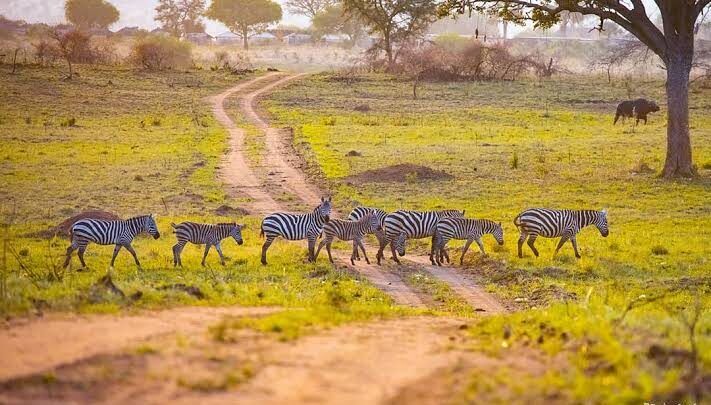
Kidepo Valley Remote Safari Guide: What to Expect Kidepo Valley National Park offers one of Uganda's most remote…
Read article →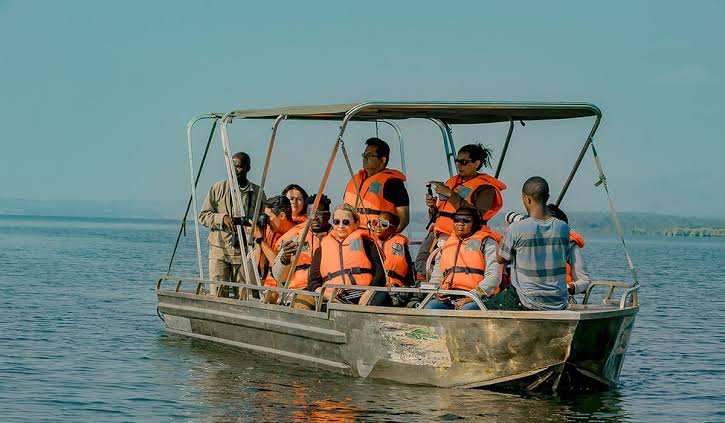
Akagera Boat Cruise on Lake Ihema: What to Expect A boat cruise on Lake Ihema offers one of…
Read article →