
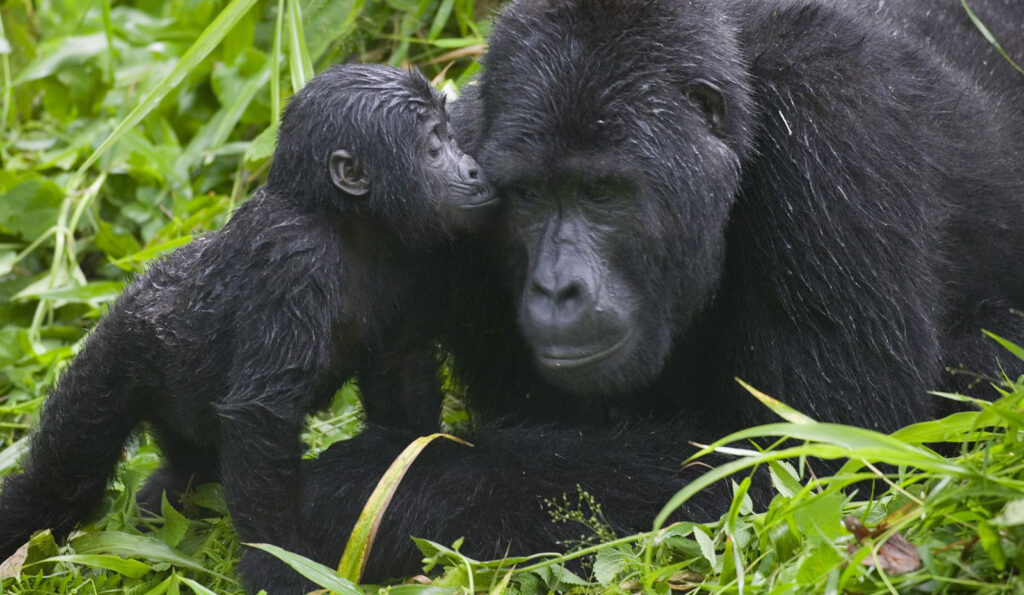
Mishaya Gorilla Family in Bwindi
Mishaya Gorilla Family in Bwindi: History, Trekking and What to Know The Mishaya Gorilla Family is one of…
Read article →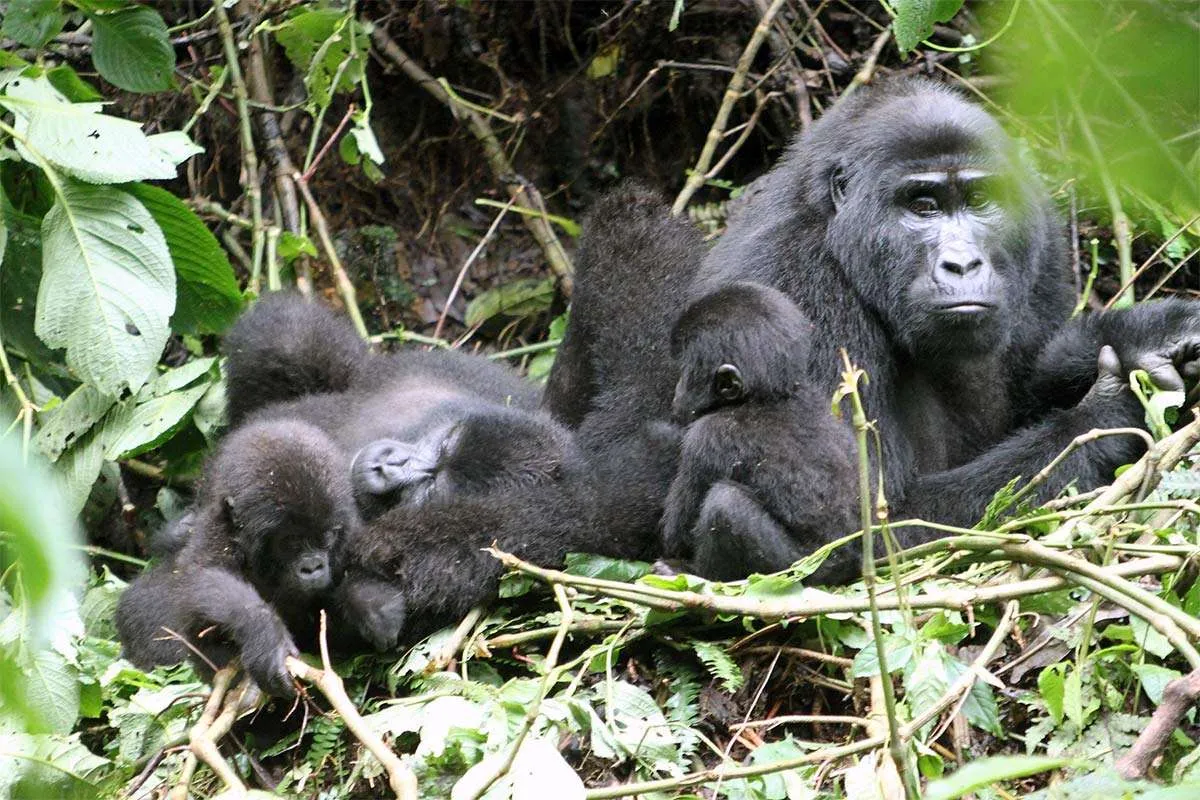
Travel Guide
The Nshongi Gorilla Family holds an important place in the history of mountain gorilla tourism in Uganda. The group lives in Bwindi Impenetrable National Park, one of the world's most important habitats for mountain gorillas. Nshongi…
The Nshongi Gorilla Family holds an important place in the history of mountain gorilla tourism in Uganda. The group lives in Bwindi Impenetrable National Park, one of the world’s most important habitats for mountain gorillas.
Nshongi became famous because it once formed one of the largest habituated gorilla groups in Bwindi. The family also experienced major changes as younger silverbacks matured and the group eventually split.
Today, the history of Nshongi helps travelers understand how mountain gorilla families naturally change over time.
The Nshongi Gorilla Family became associated with the Rushaga sector in southern Bwindi.
Rushaga provides access to several habituated gorilla families and has become an important gorilla trekking destination in Uganda.
The sector sits within the rugged Albertine Rift landscape, where dense rainforest covers steep hills and valleys.
Travelers who receive a Rushaga trekking permit normally begin their experience from the sector’s designated briefing area.
Nshongi gained international attention because the group once contained a remarkably large number of gorillas.
At one point, the family had more than 30 members, making it one of the largest habituated gorilla groups known at the time.
The large group provided researchers and visitors with an unusual opportunity to observe complex gorilla social behavior.
However, the group later split as younger silverbacks established their own groups.
Nshongi was the dominant silverback associated with the family.
His leadership helped maintain the group during an important period of its history.
The group took his name, following the common practice of naming gorilla families after prominent silverbacks, locations, or other significant features.
His leadership also became part of the family’s conservation story.
Mountain gorilla groups can grow through births and the movement of females into established groups.
Nshongi became particularly large as several individuals remained within the same social unit.
A large group can provide opportunities to observe different social relationships.
You may see mothers caring for infants, juveniles playing, blackbacks interacting, and silverbacks maintaining order.
The group eventually divided as younger silverbacks reached maturity.
Young males often leave their birth groups when they become adults.
Some establish independent groups, while others spend time as solitary males before attracting females.
This natural process contributed to the formation of new gorilla families from the original Nshongi group.
One of the most important developments involved Mishaya, a silverback who left the Nshongi group and established his own family.
The Mishaya group later became an important habituated gorilla family in the Rushaga area.
This split demonstrates how one established family can contribute to the development of another.
The process also helps explain why Bwindi has several gorilla families with interconnected histories.
The Nshongi family also contributed to the formation of the Bweza Gorilla Family.
Bweza separated from the larger Nshongi group and eventually developed into an independent family.
This created another habituated group within the Rushaga sector.
The history shows how gorilla populations can expand through natural social changes rather than simple population growth alone.
Travelers should treat older information about the Nshongi family carefully.
The original group experienced significant changes after its large period, including group splits and changes in leadership.
Gorilla families do not remain fixed units.
Some historical family names continue to appear in tourism literature even after their composition or status changes.
Always confirm the current habituated gorilla family list and trekking allocation with Uganda Wildlife Authority or your safari operator before your trip.
Rushaga lies in the southern section of Bwindi Impenetrable National Park.
The sector provides access to several gorilla families and offers both gorilla trekking and gorilla habituation experiences.
The surrounding landscape consists of steep forested hills, valleys, farmland, and communities.
The combination of wildlife and cultural experiences makes Rushaga an attractive part of a Uganda safari.
Gorilla trekking begins with a briefing before you enter the forest.
Park guides and trackers then lead you into the forest while searching for the assigned gorilla family.
The trek can take several hours because gorillas move through their natural habitat.
The terrain can become steep, muddy, and slippery, especially after rain.
Your physical preparation can therefore make a major difference.
The difficulty depends on the location of the gorillas on the day of your trek.
The forest contains steep slopes and thick vegetation.
Some treks may take only a few hours, while others can require longer hikes.
The unpredictable nature of gorilla movements means you cannot know the exact trekking duration beforehand.
Prepare for a genuine rainforest hike rather than a simple wildlife walk.
Wear waterproof hiking boots with strong traction.
Long trousers can protect your legs from vegetation and insects.
A lightweight waterproof jacket provides protection from rain.
Gardening gloves can protect your hands when you use vegetation for balance.
Gaiters can also help protect your lower legs from mud and wet vegetation.
Once trackers locate the gorilla family, you spend a controlled period observing the animals.
Your guide explains where to stand and how to behave.
Keep a safe distance from the gorillas and avoid sudden movements.
Never attempt to touch a gorilla, even if one approaches you.
Habituated gorillas remain wild animals and deserve respect.
Silverbacks sometimes display defensive or dominant behavior.
A silverback may beat its chest, vocalize, slap vegetation, or make a short charge.
These behaviors can look frightening, but the guide understands gorilla communication and will tell you how to respond.
Remain calm and follow instructions.
Never run away from a charging gorilla.
Gorilla tourism contributes directly to the conservation system around Bwindi.
Permit fees support protected-area management, monitoring, research, and conservation activities.
Tourism also creates employment for guides, trackers, porters, drivers, lodge staff, and other local workers.
Communities around the park benefit from tourism-related income and community initiatives.
Protecting the gorillas therefore provides both environmental and economic value.
The Nshongi story demonstrates the dynamic nature of gorilla societies.
A gorilla family does not operate like a permanent human family unit.
Individuals join groups, leave groups, form new families, and change social roles.
These changes create the complex family histories that visitors encounter when researching Bwindi gorilla groups.
Researchers monitor individual mountain gorillas throughout their lives.
They record births, deaths, movements, group changes, health conditions, and social relationships.
Long-term monitoring helps conservationists understand how gorilla populations respond to environmental and social pressures.
The Nshongi group and its descendants provide valuable examples of these natural social processes.
You cannot normally choose a specific gorilla family simply because you prefer its history.
Uganda Wildlife Authority manages trekking allocations and assigns visitors to available habituated groups.
Your permit determines the sector, while the authorities and guides manage the family allocation.
If you have a particular interest in a family, discuss it with your safari operator before booking. However, the final allocation depends on park management and current conditions.
Nshongi and the Rushaga Habituation Experience
Rushaga also offers gorilla habituation experiences.
This activity allows visitors to spend considerably more time with a gorilla group undergoing habituation.
The experience differs from standard gorilla trekking because researchers and trackers work closely with the group.
Availability remains limited, so travelers should arrange it well in advance.
Yes.
You can combine gorilla trekking with cultural experiences around Bwindi.
Community visits can introduce you to local traditions, crafts, farming, music, and daily life.
Birdwatching and forest walks provide additional opportunities to explore Bwindi’s biodiversity.
These activities can create a more complete experience beyond gorilla trekking.
Bwindi remains open for gorilla trekking throughout the year.
The drier months can provide more comfortable hiking conditions.
However, rain can occur at any time because Bwindi forms a tropical rainforest.
The wet months can produce muddy trails but also create lush scenery.
Your choice should depend on your overall itinerary, availability, and preferred travel conditions.
The Nshongi Gorilla Family remains one of the most fascinating chapters in the history of gorilla conservation and tourism in Bwindi. The family became famous for its large size before natural social changes led to major splits.
The formation of the Mishaya and Bweza groups demonstrates how mountain gorilla societies evolve. Young silverbacks mature, groups divide, and new families develop.
If you plan to trek in Rushaga, remember that historical gorilla family information can change. Confirm current family names and trekking allocations before your trip.
Prepare for a challenging rainforest hike with waterproof boots, long trousers, gloves, and rain protection. Most importantly, follow your guide’s instructions and maintain respectful behavior around the gorillas.
The story of Nshongi adds depth to a gorilla trekking experience. It shows that every family has a history, and that history continues to change as the gorillas form new relationships and adapt to life in Bwindi’s forest.

Mishaya Gorilla Family in Bwindi: History, Trekking and What to Know The Mishaya Gorilla Family is one of…
Read article →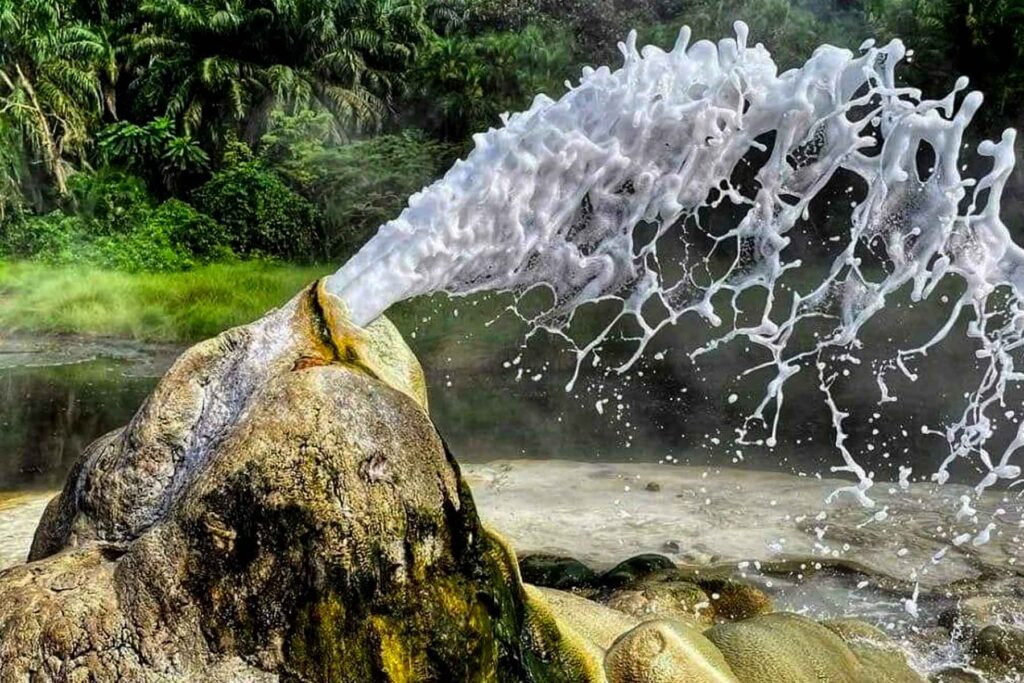
Semuliki Hot Springs Visit Guide: What to Expect Semuliki Hot Springs offers one of the most unusual natural…
Read article →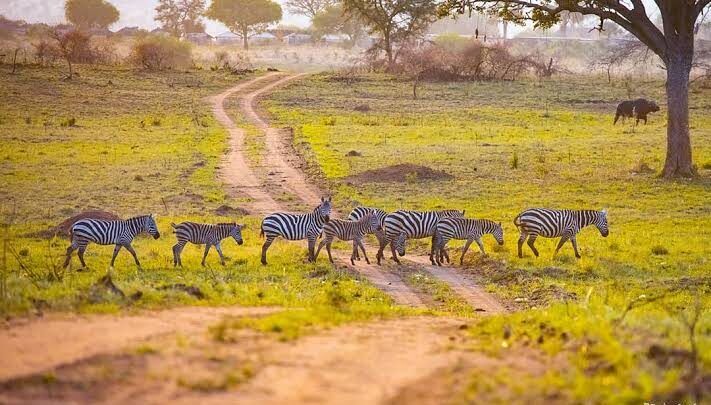
Kidepo Valley Remote Safari Guide: What to Expect Kidepo Valley National Park offers one of Uganda's most remote…
Read article →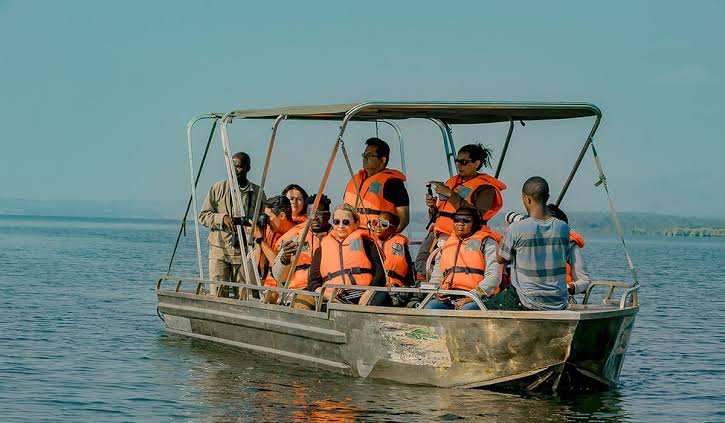
Akagera Boat Cruise on Lake Ihema: What to Expect A boat cruise on Lake Ihema offers one of…
Read article →