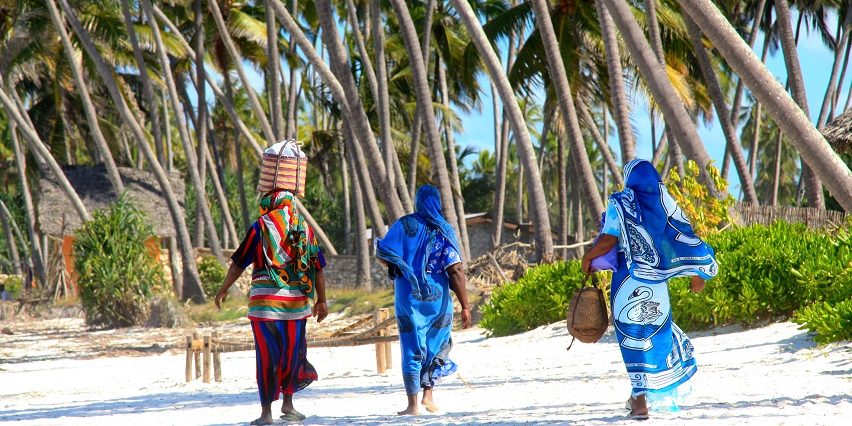

Swahili Culture on the Coast of Kenya
Swahili Culture on the Coast of Kenya: Traditions, Food & Heritage
Swahili culture on the coast of Kenya reflects centuries of interaction between African communities and Indian Ocean traders. The culture developed along the coastal towns and islands of East Africa.
Kenya’s coastal region offers a fascinating mix of language, architecture, religion, food, music, and maritime traditions. Mombasa, Lamu, and Malindi provide excellent places to explore this heritage.
Travelers can experience Swahili culture through historic towns, local cuisine, traditional homes, markets, and community experiences.
The Origins of Swahili Culture
Swahili culture developed along the East African coast over many centuries. African coastal communities interacted with traders from Arabia, Persia, India, and other parts of the Indian Ocean.
These connections shaped coastal societies without removing their strong African foundations. The result became a distinctive cultural identity that remains visible today.
The Swahili language also reflects this history. It contains Bantu foundations alongside words borrowed from Arabic and other languages.
Mombasa and Swahili Heritage
Mombasa remains one of Kenya’s most important coastal cities. Its history stretches back many centuries.
The city’s Old Town features narrow streets and historic buildings. Arabic and Indian architectural influences appear throughout the area.
Fort Jesus provides another important historical landmark. The Portuguese built the fort in the sixteenth century, and it later became part of the region’s complex political history.
Lamu and Traditional Swahili Life
Lamu Old Town provides one of the best places to experience traditional Swahili heritage. UNESCO recognizes the town as a World Heritage Site.
The town features narrow streets, traditional houses, mosques, and carved wooden doors. Donkeys remain an important form of transport within the historic settlement.
Visitors can explore the town on foot or by dhow. These experiences reveal how coastal communities adapted their lives around the Indian Ocean.
Swahili Food and Coastal Cuisine
Food forms an important part of Swahili culture on the coast of Kenya. Coastal cuisine combines local African ingredients with influences from Arabia and India.
Popular dishes include biryani, pilau, samaki wa kupaka, chapati, and various coconut-based meals. Fresh seafood also plays an important role in coastal cooking.
Spices such as cardamom, cloves, cinnamon, and cloves contribute distinctive flavors. A local food tour provides an excellent introduction to this culinary heritage.
Swahili Dhow Culture
Traditional dhows have played an important role along the East African coast. These wooden sailing vessels connected communities through fishing and trade.
Today, travelers can experience dhow trips from places such as Lamu and Mombasa. Sunset cruises offer a relaxing way to appreciate the coastline.
Dhow culture also demonstrates the deep connection between Swahili communities and the Indian Ocean.
Swahili Architecture and Doors
Swahili houses often feature courtyards, thick walls, and decorative doors. These designs helped families adapt to the coastal climate.
Carved wooden doors became particularly famous in historic coastal towns. Their designs can include geometric patterns, floral details, and symbolic elements.
Walking through Mombasa Old Town or Lamu allows visitors to see these architectural traditions firsthand.
Experiencing Swahili Culture Responsibly
Cultural tourism should benefit local communities and respect local customs. Visitors should dress appropriately when visiting religious or residential areas.
Photography should also follow local expectations. Asking permission creates more respectful interactions.
Choosing locally guided tours can help direct tourism income toward coastal communities.
Why Explore Swahili Culture on the Kenyan Coast?
Swahili culture on the coast of Kenya adds cultural depth to a beach holiday. It connects travelers with centuries of history and Indian Ocean heritage.
A coastal itinrrary can combine culture with beaches, marine activities, food experiences, and historic sites.