

Nshongi Gorilla Family in Bwindi
Nshongi Gorilla Family in Bwindi: History, Location and Trekking Guide The Nshongi Gorilla Family holds an important place…
Read article →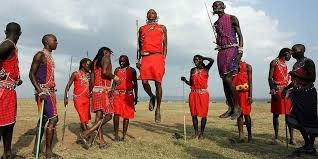
Travel Guide
Discover cultural tours in Kenya, from Maasai and Samburu traditions to Swahili coast heritage and Turkana lifestyles. Explore authentic communities and festivals.
Kenya is internationally recognized for wildlife safaris, but its human diversity is equally important to understanding the country. Cultural tours in Kenya introduce travelers to communities, languages, architecture, food, music, pastoral traditions and coastal histories that cannot be experienced through game drives alone.
The strongest cultural experiences are not built around treating communities as attractions. They create opportunities for respectful exchange and allow local people to explain their heritage in their own way.
From Maasai communities around southern Kenya to Swahili heritage along the Indian Ocean coast, the country’s cultural landscape is remarkably varied.
Adding cultural experiences to a safari can therefore transform a wildlife holiday into a broader journey through Kenya’s history and contemporary life.
Kenya contains numerous ethnic communities with different languages, histories and social traditions.
No single village or performance can represent the whole country.
Travelers should therefore avoid talking about “Kenyan culture” as though it were one uniform tradition.
Geography has played an important role in shaping cultural differences.
Pastoral communities developed ways of life connected with livestock and seasonal landscapes, while coastal communities were influenced by centuries of Indian Ocean trade.
Urban centers have created additional layers of contemporary Kenyan identity.
The Maasai are among the communities most strongly associated with Kenya in international tourism.
Their pastoral traditions and distinctive dress have become widely photographed.
This visibility can be positive when tourism provides income and creates opportunities for communities to share their own heritage.
It can also produce stereotypes.
A responsible Maasai cultural experience should therefore go beyond photographs.
Visitors can learn about livestock, family life, changing education patterns, land issues and the ways communities combine tradition with contemporary life.
The Maasai Mara is one of the easiest places to combine wildlife and cultural tourism.
Many safari itineraries can include a community visit.
The quality of these experiences varies.
Travelers should ask how the visit is organized and how fees benefit participants.
A respectful tour gives hosts an active role in deciding what visitors see and learn.
Guests should also ask before taking close photographs of individuals.
Paying an entrance fee does not automatically remove the need for basic courtesy.
Northern Kenya introduces travelers to different pastoral landscapes and communities.
Samburu cultural experiences can complement wildlife viewing in the region.
Visitors may learn about livestock, traditional clothing, social organization and the relationship between communities and dryland environments.
As with Maasai tourism, the experience should avoid presenting people as though their culture has remained unchanged for centuries.
Communities adapt to education, technology, markets and environmental pressures while continuing to value important traditions.
The Kenyan coast tells a completely different cultural story.
Swahili culture developed through centuries of interaction along the Indian Ocean.
African foundations combined with influences created through trade and migration.
Language, architecture, religion, food and settlement patterns reflect this history.
Travelers who spend their entire coastal holiday inside a resort miss much of what makes the region culturally significant.
Exploring old towns and heritage areas adds depth to a beach stay.
Lamu is one of Kenya’s best-known Swahili cultural destinations.
Its narrow streets, historic buildings and long association with Indian Ocean trade create an atmosphere very different from Nairobi or inland safari areas.
The town rewards slow exploration.
Rather than rushing through a checklist of monuments, travelers can spend time observing architectural details and learning how the settlement developed.
A knowledgeable local guide can explain features that would otherwise be easy to overlook.
Mombasa has been shaped by centuries of trade, migration and political competition.
The old town and historic landmarks reveal influences from different periods.
Visitors can combine cultural exploration with marine activities and beach time.
This makes Mombasa particularly useful for travelers who want both relaxation and historical context.
Food is another excellent entry point into coastal culture.
Spices, seafood and culinary traditions reflect the region’s Indian Ocean connections.
Nairobi is often treated merely as the arrival point for a safari.
That overlooks the city’s importance as a modern cultural center.
Museums, markets, galleries, restaurants and historic sites can introduce visitors to both Kenyan history and contemporary urban life.
Spending at least one thoughtfully planned day in Nairobi can help travelers understand the country beyond its national parks.
The city also demonstrates that modern Kenyan identity cannot be reduced to rural traditions.
Northern Kenya contains communities and landscapes very different from the country’s better-known southern safari circuit.
The Turkana region has distinctive cultural traditions shaped partly by its dry environment and pastoral history.
Travel here requires more careful logistical planning than a standard Nairobi-Mara itinerary.
Distances are substantial, infrastructure can be limited and specialized guiding is valuable.
Travelers should approach community experiences respectfully and avoid visiting remote areas merely to collect photographs.
One of the easiest ways to experience Kenyan culture is through food.
Different regions and communities have their own culinary traditions.
Urban areas bring many of these foods together.
A guided food experience can help visitors understand ingredients, preparation methods and the social role of meals.
Markets are also valuable cultural spaces.
However, travelers should remember that markets exist primarily for local commerce rather than as tourist attractions.
Photography should be respectful.
Music and dance may feature in community tourism programs, festivals and cultural centers.
Performances can communicate history, celebration and social identity.
Visitors should ask about the meaning behind what they are seeing rather than treating every performance as generic entertainment.
Different communities have their own instruments, rhythms and performance traditions.
Understanding context transforms a colorful show into a meaningful cultural experience.
Festivals can provide opportunities to experience Kenyan culture in a dynamic setting.
Events may celebrate music, heritage, religion, food or community identity.
Dates and programs can change from year to year.
Travelers planning around a specific festival should confirm current details before booking flights.
Festivals are also community events rather than private tourist performances.
Visitors should respect local rules and avoid interfering with ceremonies for photographs.
Culture and wildlife conservation frequently overlap.
Many protected areas exist within landscapes historically used by local communities.
Community conservancies have become important within parts of Kenya because they connect wildlife protection with local land use and economic benefits.
Travelers staying in these areas may learn how tourism revenue supports employment and community projects.
Understanding these relationships provides a more complete picture of conservation than focusing exclusively on animals.
Photography is one of the most sensitive parts of cultural tours in Kenya.
Always ask before taking close portraits unless the setting clearly establishes different expectations.
Do not photograph children simply because they appear interesting.
Avoid handing out money randomly in exchange for photographs, as this can create uncomfortable relationships.
When photography forms part of an organized community program, follow the guidance of hosts.
The objective should be respectful documentation rather than collecting exotic images.
Purchasing crafts can provide direct economic benefits when products are genuinely locally made.
Kenya has traditions involving beadwork, carving, textiles and other forms of craftsmanship.
Ask sellers about the item and how it was produced.
Bargaining may be appropriate in some markets, but it should remain respectful.
The small amount a traveler saves through aggressive negotiation may matter much more to the seller.
Buying fewer high-quality pieces with a clear connection to local artisans can be more meaningful than collecting mass-produced souvenirs.
Tourism marketing sometimes presents African communities as though they exist outside modern life.
This can be misleading.
A person can value traditional dress and use a smartphone. A pastoralist community can maintain livestock traditions while sending children to formal schools.
Culture evolves.
Travelers should therefore avoid judging authenticity according to whether people match an image seen in a travel brochure.
Contemporary life is part of culture too.
A well-designed Kenya itinerary can alternate wildlife experiences with cultural ones.
After several days in the Maasai Mara, travelers might spend time learning about Maasai community life.
A northern safari can include Samburu cultural experiences.
A beach holiday can incorporate Swahili heritage.
This approach gives each destination more depth.
It also reduces the tendency to treat Kenya simply as a collection of wildlife parks.
The best cultural tours in Kenya involve genuine participation by host communities.
Travelers should ask where fees go, who guides the experience and whether community members control how their culture is presented.
Small-group experiences can allow better interaction than large bus tours.
Avoid programs that encourage visitors to intrude into private life without clear consent.
Respectful tourism should benefit both guest and host.
Wildlife may be the reason many travelers first consider Kenya, but people, history and culture give the journey context.
The Maasai Mara makes more sense when visitors understand the communities sharing the wider landscape. Mombasa and Lamu become richer when their Indian Ocean histories are explored. Northern Kenya becomes more meaningful when travelers learn how communities have adapted to dry environments.
Thoughtful cultural tours in Kenya do not simply add another activity to an itinerary. They help visitors understand that the country is a living society rather than a backdrop for safari photographs.
When cultural experiences are approached with curiosity, consent and respect, they can become some of the most memorable parts of a Kenya journey.

Nshongi Gorilla Family in Bwindi: History, Location and Trekking Guide The Nshongi Gorilla Family holds an important place…
Read article →
Mishaya Gorilla Family in Bwindi: History, Trekking and What to Know The Mishaya Gorilla Family is one of…
Read article →
Semuliki Hot Springs Visit Guide: What to Expect Semuliki Hot Springs offers one of the most unusual natural…
Read article →
Kidepo Valley Remote Safari Guide: What to Expect Kidepo Valley National Park offers one of Uganda's most remote…
Read article →