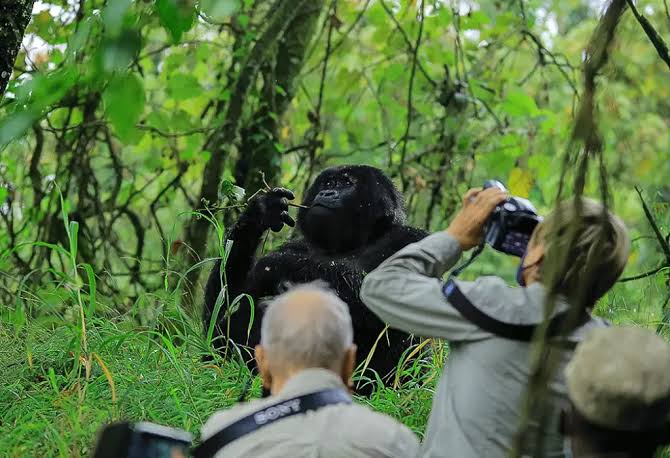

Photography Safari Gorilla Trekking
Photography Safari Gorilla Trekking: The Ultimate Guide to Capturing Mountain Gorillas
A photography safari with gorilla trekking offers one of the most rewarding wildlife experiences in Africa. Watching mountain gorillas in their natural habitat provides incredible opportunities to capture intimate moments that few photographers ever experience.
Unlike photographing animals on open savannahs, gorilla photography takes place inside dense tropical rainforests. The lighting constantly changes, vegetation surrounds the subjects, and the gorillas move naturally through their environment. These conditions create exciting challenges while rewarding photographers with extraordinary images.
Uganda and Rwanda remain the only countries where travelers can enjoy mountain gorilla trekking. Both destinations allow visitors to spend a limited amount of time observing a habituated gorilla family while following strict conservation guidelines.
Whether you use a professional camera or a smartphone, proper preparation can help you return home with memorable photographs while respecting the welfare of these endangered primates.
Why Choose a Gorilla Photography Safari?
A gorilla photography safari combines adventure, conservation, and wildlife photography into one unforgettable journey. Every trek offers unique opportunities because no two gorilla encounters ever look the same.
Mountain gorillas display fascinating social behavior throughout the day. You may watch mothers care for infants, juveniles play together, silverbacks protect their families, or older gorillas quietly feed among the vegetation.
Photographers also enjoy dramatic rainforest scenery. Mist-covered forests, giant trees, vines, moss, and filtered sunlight create beautiful natural backgrounds.
Every photograph tells a story about one of the world’s most endangered great apes while highlighting the importance of conservation.
Where Can You Photograph Mountain Gorillas?
Mountain gorilla photography takes place in two countries. Uganda protects mountain gorillas in Bwindi Impenetrable National Park and Mgahinga Gorilla National Park, while Rwanda offers trekking in Volcanoes National Park.
Uganda has more habituated gorilla families and several trekking sectors. Visitors can choose between Buhoma, Ruhija, Rushaga, and Nkuringo depending on permit availability.
Rwanda provides easier access from Kigali, making it popular for photographers with limited travel time. Volcanoes National Park also offers spectacular volcanic scenery surrounding the rainforest.
Both countries provide excellent photography opportunities. Your choice should depend on your itinerary, budget, and travel preferences rather than photography alone.
Gorilla Trekking Rules for Photographers
Photography should never interfere with gorilla conservation. Park authorities require every visitor to follow strict rules during the trek.
Maintain the recommended viewing distance whenever possible and always follow your guide’s instructions. Never attempt to move closer simply to improve a photograph.
Avoid using flash photography because bright flashes may disturb the gorillas. Keep your camera set to operate without flash before entering the forest.
Remain calm throughout the encounter. Slow movements allow the gorillas to continue their natural behavior while giving photographers better opportunities.
Respect other visitors as well. Everyone deserves an enjoyable and peaceful gorilla trekking experience.
Choosing the Best Camera for Gorilla Trekking
The best camera depends on your experience and photography goals. Professional DSLR and mirrorless cameras produce excellent image quality in the challenging rainforest environment.
Many photographers prefer mirrorless cameras because they weigh less than traditional DSLR equipment. A lighter camera becomes easier to carry during long forest hikes.
Beginners can also capture outstanding photographs using compact cameras with good low-light performance. Modern smartphones continue to improve and can produce impressive images when lighting conditions allow.
Choose equipment that you know how to use confidently. Gorilla encounters happen quickly, so you should avoid learning new camera settings during the trek.
Best Camera Lenses for Gorilla Photography
A medium telephoto zoom lens often works best for gorilla trekking. Lenses in the 70–200mm range allow photographers to frame close-up portraits while maintaining a respectful distance.
A standard zoom lens can also work well when gorillas move closer to the group. Sometimes a gorilla may approach naturally, making wider compositions possible.
Avoid carrying too many heavy lenses. Frequent lens changes inside the rainforest increase the risk of moisture, dust, and missed photographic opportunities.
Choose quality over quantity. One versatile lens often performs better than carrying several unnecessary options.
Camera Settings for Gorilla Photography
Rainforests usually provide limited natural light. Fast shutter speeds help prevent blur when gorillas move through vegetation.
A wider aperture allows more light to reach the camera sensor. This also creates attractive background separation between the gorilla and the surrounding forest.
Increase your ISO gradually when necessary. Modern cameras handle higher ISO settings much better than older models.
Practice changing settings quickly before your safari. Familiarity allows you to react confidently during the limited viewing time.
How to Handle Low-Light Conditions
Dense forest can create challenging lighting throughout the trek. Thick vegetation often blocks direct sunlight while producing strong shadows.
Position yourself carefully whenever possible. Small changes in your angle can improve available light without disturbing the gorillas.
Avoid depending on flash or artificial lighting. Natural light creates more authentic wildlife photographs and supports responsible tourism.
Shoot in RAW format if your camera allows it. RAW files provide greater flexibility when adjusting exposure during editing.
Best Time of Day for Gorilla Photography
Gorilla trekking usually begins early in the morning after a briefing at the park headquarters. However, the actual time you reach the gorilla family depends on their location.
Some groups reach the gorillas within an hour, while others hike for several hours. This means photographers cannot choose the exact lighting conditions.
Prepare for every possibility before entering the forest. Your equipment and settings should allow you to adapt quickly as conditions change.
Every trek offers different photographic opportunities. Flexibility remains one of the most valuable skills for wildlife photographers.
Capturing Gorilla Behavior
The best gorilla photographs often focus on behavior rather than simple portraits. Watch the gorillas carefully instead of constantly looking through your viewfinder.
Mothers caring for infants create emotional images that tell powerful stories. Young gorillas playing together often provide energetic and entertaining photography opportunities.
Silverbacks also display fascinating behavior. Their calm confidence, protective posture, and impressive size create iconic wildlife photographs.
Patience remains essential. Waiting quietly often rewards photographers with meaningful natural moments.
Photographing Baby Gorillas
Baby gorillas attract many photographers because they display playful and curious personalities. They often climb trees, wrestle with siblings, and explore their surroundings.
Young gorillas also interact closely with their mothers. These moments create touching family photographs that highlight strong emotional bonds.
Avoid concentrating only on babies throughout the encounter. The entire gorilla family provides countless opportunities for compelling wildlife images.
Observe carefully and anticipate movement. Patience often produces the strongest photographs.
Taking Respectful Gorilla Portraits
Portrait photography allows viewers to connect emotionally with mountain gorillas. Sharp eyes often become the most important feature in every portrait.
Focus carefully on the gorilla’s face whenever possible. Eye contact creates a powerful connection between the photograph and the viewer.
Avoid cropping too tightly if vegetation adds context to the scene. Rainforest surroundings help tell the complete conservation story.
Natural expressions often create stronger portraits than dramatic poses. Genuine wildlife moments remain the most rewarding.
Protecting Your Camera in the Rainforest
Rainforests can become wet without warning. Carry waterproof protection for your camera and lenses throughout the trek.
A simple rain cover or waterproof bag can protect expensive equipment from sudden showers. Dry microfiber cloths also help remove moisture from lenses.
Avoid leaving equipment exposed during breaks. High humidity can affect both cameras and lenses.
Keep spare batteries in a dry pocket because moisture can reduce battery performance during long treks.
Carrying Camera Equipment During the Trek
Choose a comfortable backpack designed for hiking rather than a large photography bag. Lightweight equipment makes steep forest trails much easier to manage.
Many photographers carry one camera body with one primary lens. This setup reduces weight while allowing quick access.
A porter can carry additional equipment if necessary. Hiring a porter also supports local communities surrounding the national parks.
Remember that your safety matters more than your camera. Move carefully on uneven trails and avoid rushing to capture photographs.
Smartphone Photography During Gorilla Trekking
Modern smartphones produce excellent images in many situations. Travelers who prefer lighter equipment can still capture memorable photographs.
Clean your camera lens before entering the forest. A clean lens improves image quality significantly.
Use natural light whenever possible and avoid digital zoom. Moving slightly closer, while following park rules, usually creates better results than heavy zooming.
Keep your phone secure throughout the trek. Waterproof protection also helps during unexpected rain.
Gorilla Photography Etiquette
Good wildlife photography begins with respect. The welfare of the gorillas always comes before every photograph.
Follow your guide’s instructions at all times. They understand gorilla behavior and know how to keep both visitors and wildlife safe.
Avoid making unnecessary noise while photographing. Quiet observation creates a better experience for everyone.
Never block another photographer’s view for extended periods. Sharing opportunities creates a more enjoyable group experience.
Photography Tips for Beginners
Beginners should focus on enjoying the experience rather than chasing perfect images. Good memories matter just as much as technical perfection.
Learn your camera controls before traveling. Practice adjusting shutter speed, ISO, and focus until these actions become natural.
Take several photographs instead of relying on a single image. Wildlife moves unpredictably, and multiple frames increase your chances of success.
Remember to pause occasionally without your camera. Watching mountain gorillas with your own eyes creates unforgettable memories.
Best Time for a Gorilla Photography Safari
Uganda and Rwanda welcome gorilla trekkers throughout the year. Seasonal weather influences trekking conditions rather than the quality of the wildlife experience.
The drier months often provide easier hiking conditions because trails remain less muddy. Many photographers choose these periods for greater comfort.
The rainy seasons produce greener forests and beautiful misty landscapes. Moisture can create dramatic rainforest photography with rich colors.
Choose the season that best matches your travel style. Excellent photographs remain possible throughout the year.
Combining Gorilla Trekking With Other Photography Safaris
Many photographers combine gorilla trekking with traditional wildlife safaris. Uganda allows visitors to photograph gorillas, chimpanzees, tree-climbing lions, elephants, giraffes, and numerous bird species within one trip.
Rwanda combines gorilla trekking with wildlife photography in Akagera National Park. Couples can photograph lions, rhinos, elephants, and giraffes before exploring Volcanoes National Park.
Kenya and Tanzania also pair well with gorilla trekking. Many photographers begin with the Great Migration before continuing to Uganda or Rwanda.
A combined itinerary creates a diverse wildlife photography portfolio while maximizing your African safari experience.
Editing Gorilla Photographs
Post-processing helps photographers refine their images without changing the authenticity of the wildlife encounter.
Adjust exposure carefully to recover details from forest shadows. Small improvements to contrast and white balance can also enhance natural colors.
Avoid excessive editing that changes the appearance of the gorillas or rainforest. Authentic wildlife photography should reflect the real experience.
Organize your photographs immediately after the safari. Back up your files in multiple locations before traveling home.
Planning Your Gorilla Photography Safari
Book your gorilla permits well in advance because availability becomes limited during popular travel periods. Early planning also provides more accommodation choices near the trekking sectors.
Choose lodges close to your trekking starting point. Shorter morning transfers allow you to begin the day feeling rested.
Discuss your photography interests with your safari operator before arrival. They can help you choose suitable destinations and accommodation for your itinerary.
Finally, prepare physically for the trek. Better fitness allows you to focus on photography rather than fatigue during the hike.
Plan Your Gorilla Photography Adventure
A photography safari with gorilla trekking offers one of Africa’s most extraordinary wildlife experiences. The opportunity to photograph endangered mountain gorillas inside ancient rainforests creates memories and images that remain valuable for a lifetime.
Success depends on preparation, patience, and respect for wildlife. Choosing the right equipment, understanding your camera, and following conservation guidelines allow you to enjoy the experience while protecting these remarkable primates.
Whether you travel to Uganda or Rwanda, every gorilla trek tells a different story. Each family displays unique personalities, every forest reveals new scenery, and every encounter offers opportunities for unforgettable photographs.
Bring your camera, respect the wildlife, and allow the rainforest to surprise you. The result will be more than beautiful photographs—it will become one of the greatest wildlife experiences you will ever enjoy.