
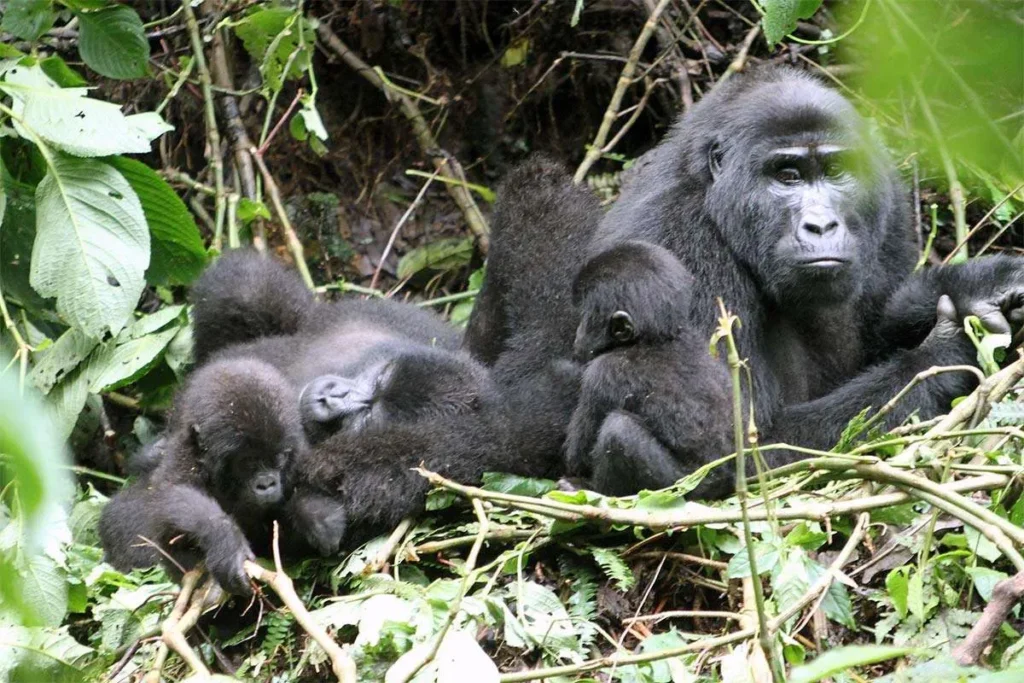
Nshongi Gorilla Family in Bwindi
Nshongi Gorilla Family in Bwindi: History, Location and Trekking Guide The Nshongi Gorilla Family holds an important place…
Read article →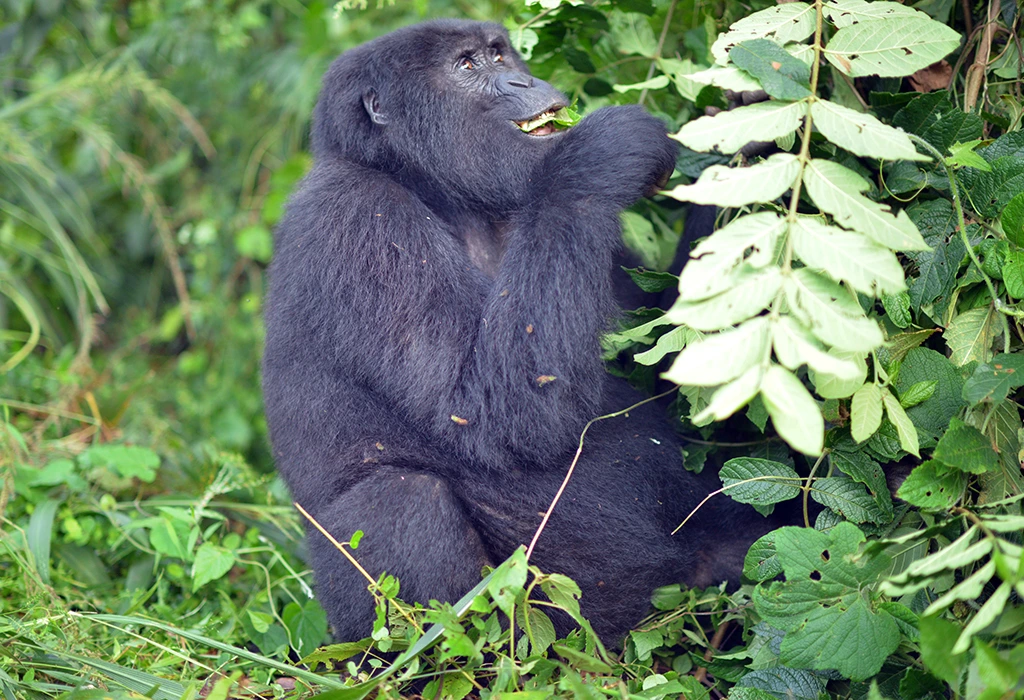
Travel Guide
Gorilla trekking raises an important question for responsible travelers: is it ethical to visit endangered mountain gorillas in their natural habitat? The answer depends largely on how tourism operates and how visitors behave. When authorities manage…
Gorilla trekking raises an important question for responsible travelers: is it ethical to visit endangered mountain gorillas in their natural habitat?
The answer depends largely on how tourism operates and how visitors behave.
When authorities manage gorilla tourism carefully, trekking can support conservation, local communities, scientific research, and habitat protection. However, gorilla tourism also creates risks because humans can transmit diseases to gorillas and excessive visitor pressure can disturb their natural behavior.
Responsible gorilla trekking aims to balance these benefits and risks. Strict visitor rules, limited trekking groups, health precautions, and conservation funding help reduce the negative effects of tourism.
For travelers who care about wildlife welfare, understanding how gorilla tourism works can help them make informed and responsible decisions.
Mountain gorillas once faced severe threats from habitat loss, hunting, disease, and political instability.
Today, conservation programs have helped their population recover significantly. Tourism plays an important role in funding many of these efforts.
Gorilla trekking generates revenue through permits, accommodation, transportation, guiding, and other tourism services. Governments and conservation organizations can use part of this revenue to support protected areas and conservation programs.
Tourism therefore creates an economic reason to protect gorilla habitats.
Yes, responsible tourism can contribute significantly to gorilla conservation.
Gorilla permit revenue helps support protected areas where mountain gorillas live. Tourism also creates jobs for guides, trackers, rangers, porters, drivers, lodge employees, and other local workers.
When communities benefit economically from conservation, they have stronger incentives to protect wildlife and forests.
Tourism therefore connects gorilla conservation with local economic development.
Gorilla trekking does not involve unrestricted interaction with gorillas.
Visitors observe habituated gorilla families under strict conditions. Park authorities limit the number of visitors and control the duration of encounters.
Guides and trackers also monitor visitor behavior during the experience.
These rules help reduce stress and minimize disruption to gorilla families.
Yes. Gorilla families that tourists visit undergo a carefully managed habituation process.
Habituation allows gorillas to become accustomed to the presence of humans without treating visitors as threats.
This process takes time and requires careful monitoring by researchers, conservationists, and trackers.
Not every gorilla group participates in tourism. Authorities select specific families for controlled visitor experiences.
Gorilla trekking can create some level of disturbance because humans enter the gorillas’ habitat.
However, conservation authorities use strict rules to reduce this impact.
Small visitor groups, limited observation periods, minimum distances, and controlled routes help reduce disturbance.
Travelers should always follow their guide’s instructions and avoid actions that could stress the gorillas.
Disease transmission remains one of the most important ethical concerns surrounding gorilla tourism.
Mountain gorillas share many biological similarities with humans. This similarity means that certain human respiratory illnesses can potentially affect them.
A common illness for humans can become much more serious for a small endangered population.
For this reason, visitors should not trek when they have contagious illnesses.
Do not enter the forest if you have symptoms of an infectious illness.
Tell your safari operator and park authorities about your condition. They can advise you according to current health and trekking regulations.
Avoid taking medication simply to hide symptoms so that you can complete the trek.
Protecting gorillas should remain more important than completing one scheduled wildlife encounter.
Authorities establish rules to protect both gorillas and visitors.
Common rules include maintaining a safe distance, avoiding direct contact, staying with the trekking group, and following the guide’s instructions.
Visitors should avoid sudden movements, loud noises, feeding gorillas, or attempting to attract their attention.
Photography also requires responsible behavior.
No. Visitors should never attempt to touch a wild gorilla.
Even when a gorilla approaches a visitor, the traveler should follow the guide’s instructions and maintain the required distance.
Touching creates health risks for both humans and gorillas.
A close encounter can feel extraordinary without physical contact.
Controlled trekking programs can protect gorilla welfare when authorities enforce the rules effectively.
The limited number of visitors helps reduce pressure on individual gorilla families.
Guides and trackers also monitor gorilla behavior during visits.
If a gorilla family shows signs of stress or unusual behavior, guides can move visitors away or end the encounter.
Responsible gorilla tourism can provide substantial benefits to communities near national parks.
Tourism creates employment and supports businesses such as lodges, restaurants, transport companies, craft markets, and community tourism projects.
Local people can earn income from guiding, portering, hospitality, and other tourism services.
Tourism can therefore turn wildlife conservation into an economic opportunity for surrounding communities.
Protected forests cannot survive without support from surrounding communities.
People living near national parks depend on land and natural resources for their livelihoods. Conservation programs therefore need to address local economic needs.
Tourism can provide alternative sources of income while supporting education, healthcare, infrastructure, and community projects.
When communities see tangible benefits from conservation, they have stronger reasons to support protected areas.
Gorilla trekking still creates an environmental footprint.
Visitors travel to remote areas, use accommodation, consume water and energy, and generate waste. Roads and tourism infrastructure can also affect the environment.
Responsible tourism operators can reduce these impacts through sustainable accommodation, proper waste management, local sourcing, and environmentally responsible transport.
Travelers can also make better choices by supporting operators that take sustainability seriously.
For travelers interested in wild gorillas, responsible trekking provides an opportunity to observe animals within their natural environment.
Visitors can see natural social behavior without supporting entertainment-focused wildlife interactions.
However, travelers should still evaluate the conservation standards of the trekking program they choose.
The goal should remain wildlife protection rather than entertainment at any cost.
Uganda offers gorilla trekking in Bwindi Impenetrable National Park and Mgahinga Gorilla National Park.
Uganda’s gorilla tourism program supports conservation and provides employment for communities around these protected areas.
Visitors can also support local communities by hiring porters, purchasing locally made crafts, and choosing locally owned tourism services.
Responsible travel helps ensure that tourism benefits reach people living near gorilla habitats.
Rwanda offers gorilla trekking in Volcanoes National Park.
The country has developed a high-value tourism model that limits visitor numbers and generates significant tourism revenue.
Travelers can support ethical tourism by following park regulations and respecting gorilla behavior.
Choosing responsible accommodation and community experiences can also increase the positive impact of your trip.
The Democratic Republic of Congo has also offered mountain gorilla trekking in Virunga National Park.
However, travel conditions and tourism operations can change because of security and other circumstances.
Travelers considering gorilla trekking in the Democratic Republic of Congo should check current official travel and park information before making arrangements.
Conservation and traveler safety should remain the highest priorities.
Travelers have an important role in responsible gorilla tourism.
Choose a reputable safari operator that follows park regulations and supports local communities.
Do not trek when you have an infectious illness. Follow the required distance and never touch, feed, or provoke gorillas.
Use designated trails, avoid littering, and respect the forest environment.
Consider hiring a porter. Porters provide valuable assistance while earning income from tourism.
Purchase crafts directly from local artisans when possible.
Gorilla trekking has a minimum age of 15 years in Uganda and Rwanda.
This rule considers the physical demands of trekking and the importance of maintaining appropriate behavior around gorillas.
Families traveling with younger children can explore other wildlife and cultural experiences.
Nature walks, community visits, and selected wildlife activities can provide excellent alternatives.
Successful gorilla tourism demonstrates the economic value of protecting endangered wildlife.
When tourism generates meaningful revenue and employment, governments and communities have stronger incentives to protect gorilla habitats.
The model does not eliminate every conservation challenge, but it can provide important financial and social support.
Continued monitoring remains essential to ensure that tourism does not undermine the welfare of the animals it aims to protect.
Gorilla tourism does not offer a completely risk-free conservation model.
Disease transmission, habitat pressure, human disturbance, waste, and tourism infrastructure all require careful management.
Authorities must continue monitoring gorilla health and behavior.
They must also adjust visitor numbers and regulations when conservation conditions require changes.
Ethical tourism therefore depends on continuous management rather than a simple claim that tourism causes no harm.
Choose an operator that follows the regulations of the relevant wildlife authority.
Ask how the company handles waste, supports local communities, and manages visitor behavior.
Responsible operators should also provide clear information about health precautions and trekking rules.
Avoid operators that encourage close contact with gorillas or promise experiences that violate park regulations.
A responsible safari company should place conservation and visitor safety ahead of entertainment.
So, is gorilla trekking ethical? In many cases, responsible gorilla trekking can make a positive contribution to conservation and local communities.
However, ethical tourism requires careful management. Visitors must respect health rules, maintain appropriate distances, follow guides, and avoid disturbing the animals.
Gorilla tourism works best when conservation authorities, communities, tourism businesses, researchers, and travelers share responsibility for protecting these endangered animals.
When you choose a responsible operator and follow the rules, your visit can contribute to the continued protection of mountain gorillas and their forest habitat.
The most ethical gorilla encounter is not the closest encounter. It is the one that protects the animals while allowing visitors to appreciate them responsibly.

Nshongi Gorilla Family in Bwindi: History, Location and Trekking Guide The Nshongi Gorilla Family holds an important place…
Read article →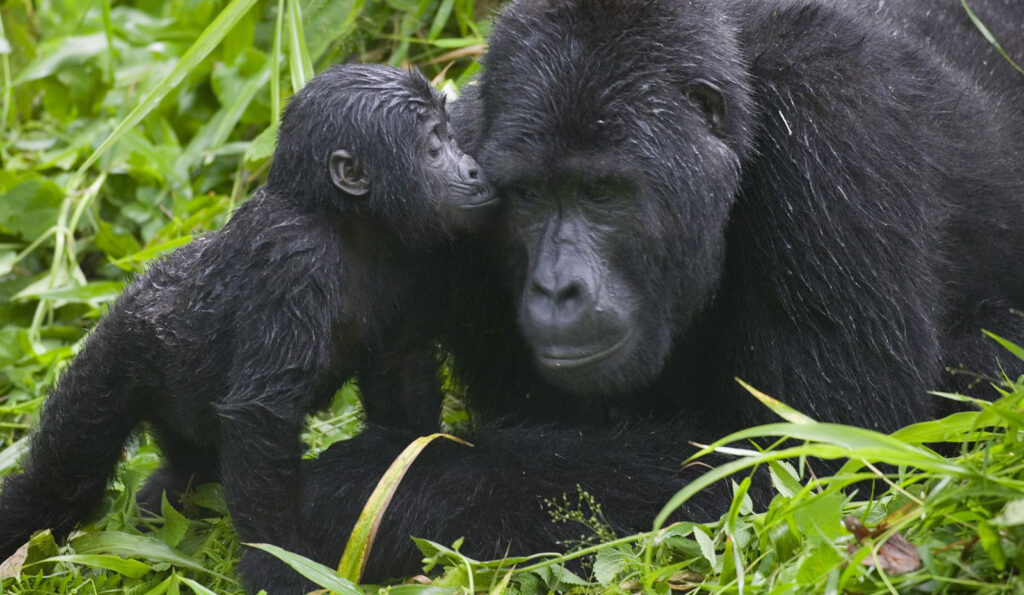
Mishaya Gorilla Family in Bwindi: History, Trekking and What to Know The Mishaya Gorilla Family is one of…
Read article →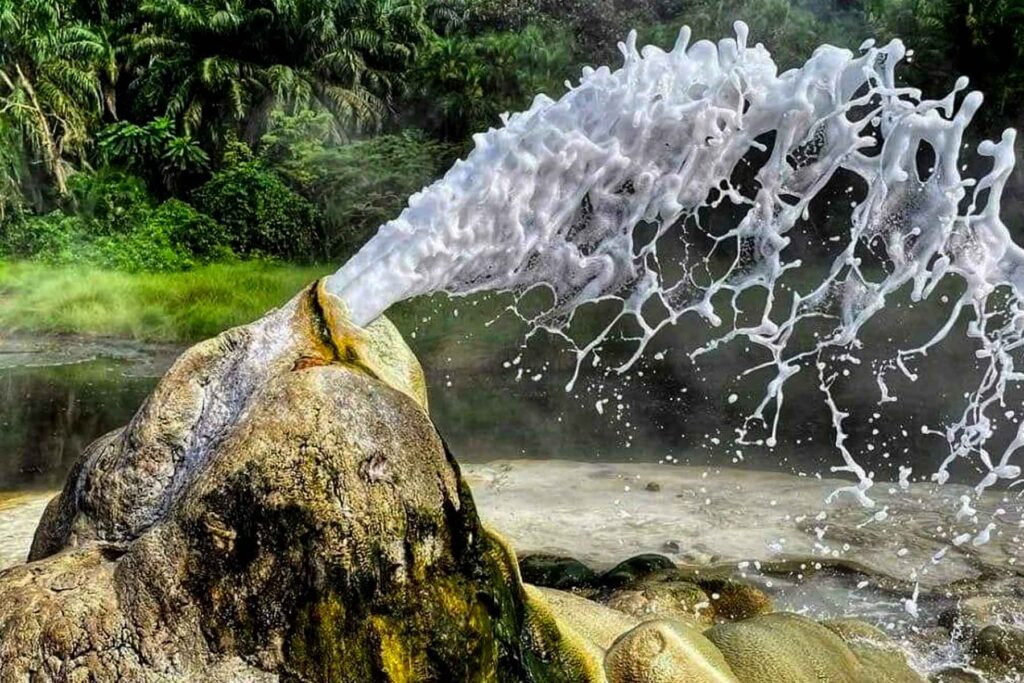
Semuliki Hot Springs Visit Guide: What to Expect Semuliki Hot Springs offers one of the most unusual natural…
Read article →
Kidepo Valley Remote Safari Guide: What to Expect Kidepo Valley National Park offers one of Uganda's most remote…
Read article →