
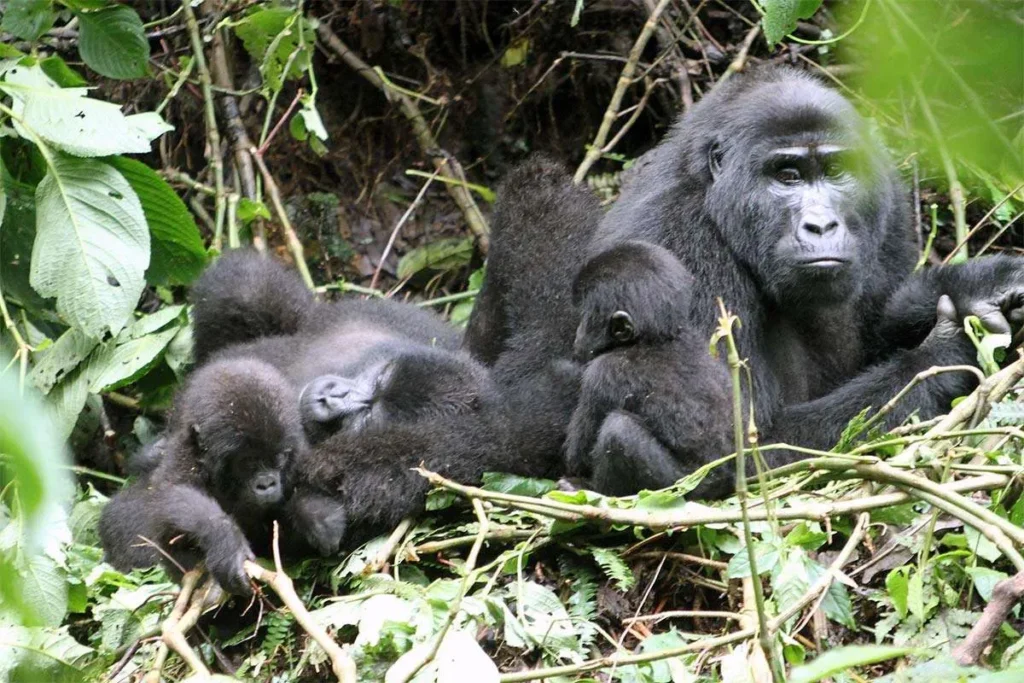
Nshongi Gorilla Family in Bwindi
Nshongi Gorilla Family in Bwindi: History, Location and Trekking Guide The Nshongi Gorilla Family holds an important place…
Read article →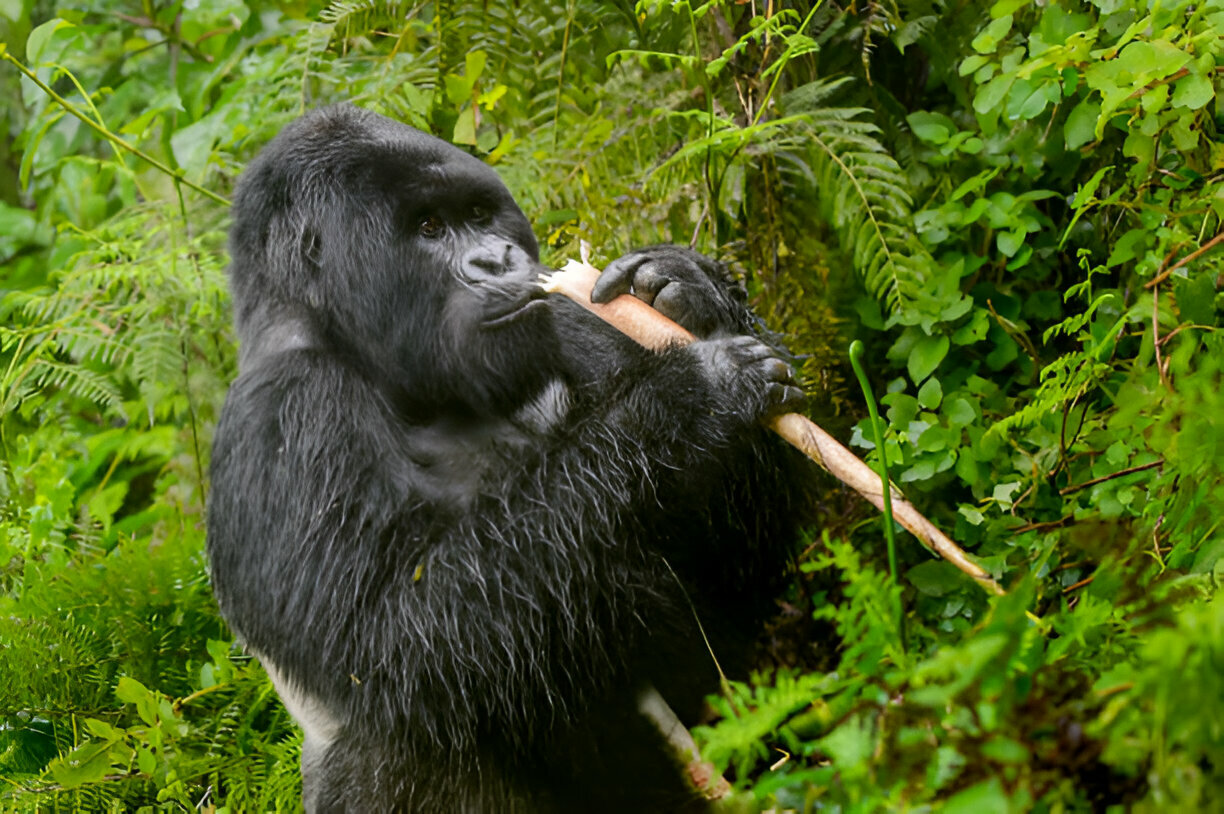
Travel Guide
A gorilla trekking permit reserves a specific trekking date and location for one traveler. Because gorilla permits have limited availability, changing the trekking date requires approval from the relevant wildlife authority. Travelers sometimes need to change…
A gorilla trekking permit reserves a specific trekking date and location for one traveler. Because gorilla permits have limited availability, changing the trekking date requires approval from the relevant wildlife authority.
Travelers sometimes need to change their trekking date because of flight changes, illness, family emergencies, itinerary adjustments, or other unexpected circumstances. The process differs between Uganda and Rwanda, so you should understand the applicable rules before requesting a change.
If you need to move your gorilla trekking date, contact your safari operator as early as possible. They can check availability and communicate with the relevant authority on your behalf.
In some circumstances, travelers can request a change to their gorilla trekking date. However, a date change does not happen automatically.
The relevant authority must approve the request, and the requested date must have an available gorilla trekking slot.
A permit does not guarantee that you can move your trek to any date you choose. Availability, park regulations, booking conditions, and the reason for the change can affect the outcome.
The Uganda Wildlife Authority (UWA) manages gorilla trekking permits in Uganda.
If you need to change your trekking date, your safari operator should contact UWA and submit the request according to the applicable permit procedures.
UWA may allow a date change when the circumstances meet its current conditions. The operator should confirm the new date with UWA before changing your itinerary.
Do not assume that an unused permit automatically remains valid for another date.
The Rwanda Development Board (RDB) manages gorilla trekking permits in Rwanda.
Travelers who need to change their trekking date should contact their safari operator as soon as possible. The operator can communicate with RDB and check whether the requested date has availability.
RDB must confirm the change before the traveler relies on the new trekking date.
This process becomes particularly important during busy travel periods when gorilla permits can sell out quickly.
Yes. The availability of the new trekking date remains an important factor.
Gorilla trekking groups have limited spaces each day. A fully booked date cannot accommodate an additional traveler simply because they already hold a permit for another date.
Your safari operator should check availability before requesting or confirming the change.
This is why early communication gives you a better chance of securing a suitable alternative.
No. You should not assume that you can move your permit freely to any date.
The wildlife authority controls permit allocation and determines whether a date change meets its current rules.
The new date must also have an available trekking space.
For popular travel periods, finding another suitable date can become difficult.
You should avoid waiting until arrival before requesting a date change.
Contact your safari operator immediately when you know that you cannot trek on your original date.
Last-minute requests can create additional challenges because nearby dates may already have full permits.
If an emergency occurs during your trip, inform your operator immediately so they can communicate with the relevant authority.
Illness can create circumstances where a traveler cannot safely participate in a scheduled trek.
If you become ill before your trekking date, contact your safari operator immediately.
Depending on the applicable regulations and supporting documentation, the authority may provide options for handling the permit.
Do not travel into the forest if you have an illness that could affect the gorillas. Gorilla conservation rules place strong emphasis on preventing disease transmission between humans and gorillas.
A flight delay can disrupt a carefully planned safari itinerary.
If a delay affects your ability to reach the gorilla trekking area on time, contact your safari operator immediately.
The operator can assess the situation and communicate with the wildlife authority.
However, travelers should not assume that a flight delay automatically qualifies them for a free permit change.
Travel insurance can provide additional protection against certain travel disruptions.
Changing both the traveler and trekking date creates a more complicated request.
A gorilla permit remains linked to the registered traveler, so you should not transfer it to another person without official approval.
The new traveler must also meet all applicable requirements, including the minimum trekking age.
Your safari operator should contact UWA or RDB before making any assumptions about a combined name and date change.
The financial implications can depend on the authority, permit conditions, and circumstances of the change.
If the new date involves a different permit rate or additional service costs, your safari operator should explain the difference before confirming the change.
Always request a clear breakdown of any additional charges.
No. You cannot simply transfer a Uganda gorilla permit to Rwanda.
Uganda and Rwanda operate separate gorilla tourism systems.
UWA manages Uganda’s gorilla permits, while RDB manages Rwanda’s gorilla permits.
A permit purchased for Bwindi Impenetrable National Park or Mgahinga Gorilla National Park does not become a Rwanda permit.
Similarly, a Rwanda permit for Volcanoes National Park does not allow trekking in Uganda.
You cannot directly transfer a Rwanda gorilla permit to Uganda.
Rwanda and Uganda have separate permit systems, national parks, booking procedures, and authorities.
If you need to change from one country to another, your safari operator should review the existing booking and explain the available options.
You may need to cancel, rebook, or make a separate permit arrangement depending on the circumstances.
Request the change as soon as you know that your original date will not work.
Early requests give the operator more time to check alternative dates and communicate with the relevant authority.
This becomes especially important during peak travel periods, when permits can sell out months in advance.
Waiting until the last minute reduces your options.
Your safari operator may need your permit details, trekking date, traveler information, and preferred new date.
They may also ask for a reason for the requested change.
If illness or another emergency caused the change, supporting documents may help the authority assess the request.
Provide accurate information to avoid delays.
If your preferred date has no availability, ask your safari operator to check nearby dates.
You may need to adjust your accommodation, transportation, or other safari activities to accommodate the available trekking date.
Flexible travel dates provide a significant advantage when changing gorilla permits.
Consider several alternative dates rather than requesting only one specific day.
Peak seasons can make date changes more difficult.
June through September usually attracts high numbers of visitors, while December and January can also experience strong demand.
During busy periods, available permits may disappear quickly.
If your travel dates remain flexible, discuss alternative dates with your safari operator before making other arrangements.
Gorilla trekking in both Uganda and Rwanda has a minimum age of 15 years.
If you change the traveler connected to a permit, make sure the replacement traveler meets this requirement.
Authorities may verify the traveler’s age and identity using passport information.
A permit cannot simply transfer to a child who does not meet the minimum age requirement.
A professional safari operator can make permit changes easier to manage.
Operators communicate with UWA in Uganda or RDB in Rwanda and understand the procedures surrounding gorilla permits.
They can also coordinate accommodation, transportation, park activities, and other itinerary changes.
This support becomes especially valuable when you need to change your trekking date close to your travel period.
A gorilla permit connects to a specific traveler and trekking date. You should therefore treat the permit as a time-specific reservation.
Uganda and Rwanda have separate permit systems and different authorities.
A date change requires confirmation from the relevant authority and depends on availability.
Contact your safari operator immediately if you need to change your date.
Never assume that an unused permit automatically transfers to another day.
Changing a gorilla trekking permit to another date may be possible, but approval and availability remain important factors.
In Uganda, the Uganda Wildlife Authority (UWA) manages gorilla permits. In Rwanda, the Rwanda Development Board (RDB) manages permits.
If your plans change, contact your safari operator as early as possible. Provide your permit details, explain the situation, and give several alternative trekking dates.
Early planning gives you more options and reduces the risk of losing your preferred trekking experience.
Before making any change, always confirm the current permit rules and any applicable charges with the relevant authority or your registered safari operator.

Nshongi Gorilla Family in Bwindi: History, Location and Trekking Guide The Nshongi Gorilla Family holds an important place…
Read article →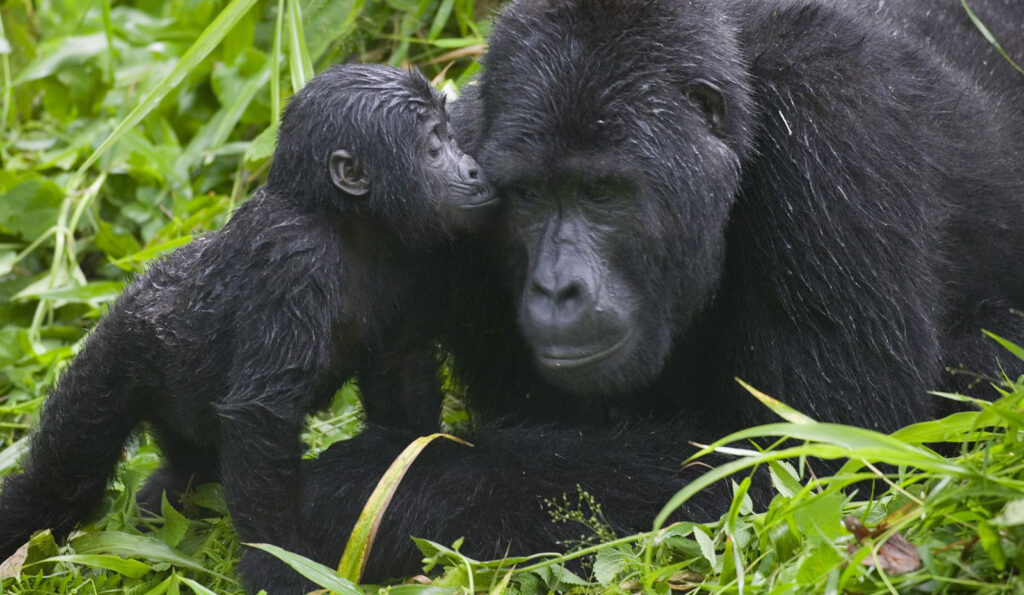
Mishaya Gorilla Family in Bwindi: History, Trekking and What to Know The Mishaya Gorilla Family is one of…
Read article →
Semuliki Hot Springs Visit Guide: What to Expect Semuliki Hot Springs offers one of the most unusual natural…
Read article →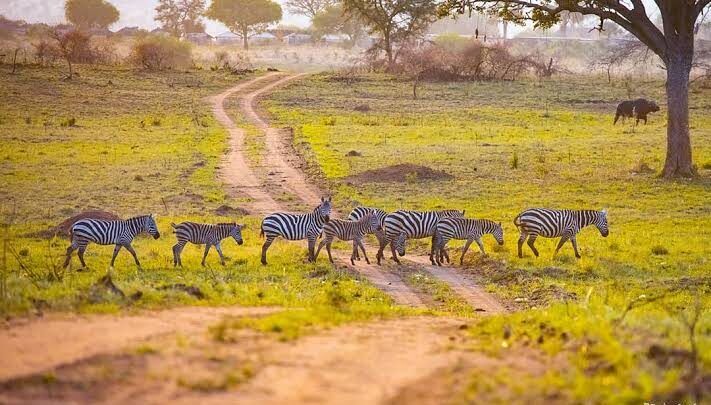
Kidepo Valley Remote Safari Guide: What to Expect Kidepo Valley National Park offers one of Uganda's most remote…
Read article →