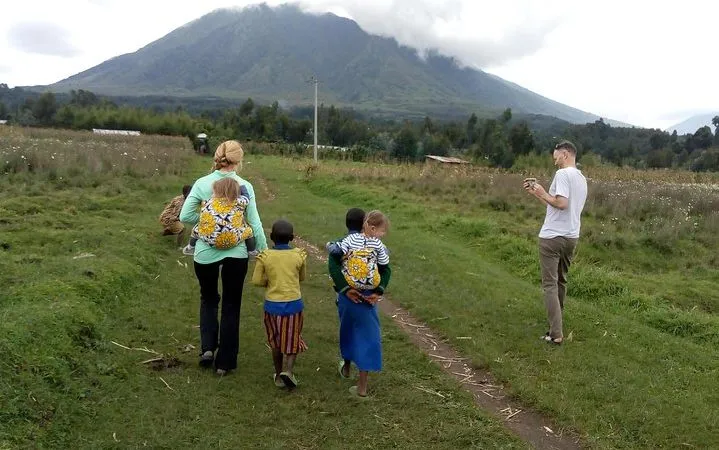

Gorilla Trekking with Children.
Gorilla Trekking with Children: What Is the Minimum Age?
Gorilla trekking offers one of Africa’s most unforgettable wildlife experiences. Standing in the forest near a family of mountain gorillas creates memories that children and adults can treasure for years.
However, families cannot take very young children on gorilla treks. Rwanda and Uganda both set a minimum age of 15 years for gorilla trekking.
This age requirement protects both visitors and the gorillas. It also ensures that trekkers can handle the physical demands of walking through dense forests and mountainous terrain.
If you plan a family safari, understanding the age rules helps you choose the right activities for every member of your family.
What Is the Minimum Age for Gorilla Trekking?
The minimum age for gorilla trekking in Rwanda and Uganda is 15 years. A child must have reached their 15th birthday by the date of the trek.
This rule applies to the standard gorilla trekking experience in both countries. Children under 15 cannot join the trek, even when accompanied by a parent or guardian.
Parents should therefore check their children’s ages carefully when planning a gorilla safari. The permit booking process also requires accurate traveler information.
Families with younger children can still enjoy an incredible African safari. Uganda and Rwanda offer several activities that suit children below the gorilla trekking age.
Why Do Children Need to Be 15 Years or Older?
The age restriction serves several important purposes. Gorilla trekking involves physical activity, unpredictable forest conditions, and strict wildlife guidelines.
The trek can take several hours depending on where the gorilla family moves. Visitors may walk through steep slopes, thick vegetation, muddy trails, and uneven ground.
Young children may struggle with these conditions. They may also find it difficult to remain quiet and follow the rules around wild gorillas.
Gorillas also need protection from human diseases. Children can sometimes carry respiratory infections without showing obvious symptoms.
The age requirement therefore helps protect both visitors and the gorillas. It also creates a more controlled environment for the trekking experience.
How Difficult Is Gorilla Trekking for Teenagers?
Gorilla trekking does not require professional hiking experience. However, trekkers need reasonable fitness and the ability to walk for several hours.
The terrain varies considerably between trekking areas. Some groups may reach the gorillas after a short walk, while others may hike for several hours.
Teenagers who regularly participate in outdoor activities can often handle the trek comfortably. Good preparation can make the experience much easier.
Encourage your teenager to walk or hike before the trip. Regular walks, hill training, and basic cardiovascular exercise can help build endurance.
Can a 14-Year-Old Go Gorilla Trekking?
A 14-year-old cannot participate in an official gorilla trek. The minimum age remains 15 years in both Uganda and Rwanda.
Parents sometimes ask whether park authorities can make an exception for children who are almost 15. In general, families should not rely on exceptions when planning their safari.
The safest approach involves planning the gorilla trek around the child’s 15th birthday. If that does not work, you can choose alternative wildlife experiences for younger children.
Can Children Under 15 See Gorillas?
Children under 15 cannot join the gorilla trekking activity. However, families can still introduce younger children to gorilla conservation and primate experiences.
Uganda offers several wildlife and cultural activities suitable for families. Kibale National Park, Queen Elizabeth National Park, Lake Mburo, and Murchison Falls can provide excellent alternatives.
Families can also visit conservation-focused attractions and learn about primates without entering a gorilla trekking zone.
These experiences can help younger children understand wildlife conservation. They can also build excitement for a future gorilla trek when they reach the required age.
Can Families With Young Children Visit Bwindi?
Yes. Families with children under 15 can visit the Bwindi region, even though the children cannot join the gorilla trek.
Bwindi offers more than gorilla trekking. Families can explore local communities, experience Batwa cultural activities, enjoy nature walks, and discover the beautiful landscapes around the forest.
Parents can arrange activities that allow younger children to remain engaged while older family members participate in gorilla trekking.
However, families should plan the logistics carefully. One adult may need to stay with children while other family members complete the trek.
Can Families With Young Ch|ildren Visit Rwanda’s Volcanoes National Park?
Families can visit the Volcanoes region even when some children do not meet the gorilla trekking age requirement.
The area offers several family-friendly experiences. Visitors can explore local communities, learn about Rwandan culture, enjoy nature activities, and visit conservation attractions.
Families can also combine Volcanoes National Park with other destinations in Rwanda. Akagera National Park offers traditional safari experiences, while Kigali provides museums, cultural attractions, restaurants, and family activities.
This allows families to experience Rwanda without making gorilla trekking the only focus of the trip.
Can Parents Leave Children at the Lodge?
Parents should plan childcare arrangements before the trekking day. Safari lodges may offer childcare services, but availability varies between properties.
Do not assume that a lodge will automatically provide a babysitter. Ask your tour operator or accommodation provider about childcare before confirming your booking.
Some families choose to travel with another adult who can stay with younger children. This arrangement allows eligible family members to enjoy the gorilla trek without leaving children unattended.
Planning this detail early can prevent unnecessary stress during the safari.
Gorilla Trekking With Teenagers
Gorilla trekking can become an excellent family experience once children reach the required age. Teenagers often find the experience exciting because they can observe gorillas at close range in their natural environment.
The trek also provides an opportunity to teach young travelers about conservation. Guides explain gorilla behavior, habitat protection, and the importance of responsible tourism.
Teenagers should understand that gorillas remain wild animals. They must follow every instruction from the guides and maintain the required distance from the animals.
Photography also requires patience. Avoid sudden movements or loud sounds when taking pictures.
What Should Children Wear for Gorilla Trekking?
Teenagers should wear practical clothing designed for forest conditions. Long trousers and long-sleeved shirts help protect against vegetation, insects, and scratches.
Strong hiking shoes provide better grip on muddy and uneven trails. Avoid ordinary sneakers if the forecast suggests wet conditions.
A waterproof jacket is also essential. Rain can arrive quickly in the mountain forests, even during relatively dry periods.
Gloves can protect hands when trekkers use vegetation for support. A small backpack should carry water, snacks, rain protection, and other essential items.
Should Teenagers Hire a Porter?
Hiring a porter can make the trek more comfortable. Porters can carry backpacks and provide assistance on steep or muddy sections.
This option can benefit teenagers who have limited hiking experience. It also provides income to local community members who support tourism around the national parks.
Parents should consider hiring porters for the entire family if the terrain looks challenging. The additional support can allow everyone to focus on enjoying the forest.
Gorilla Trekking Safety for Teenagers
Safety starts with following the guide’s instructions. Teenagers should remain with the trekking group throughout the experience.
They should never move toward a gorilla independently. They should also avoid touching animals, making sudden movements, or using flash photography when prohibited.
Gorillas can react to unfamiliar behavior. The guides understand their behavior and know how to respond during close encounters.
Parents should also discuss responsible wildlife behavior before the trek. A short conversation can help teenagers understand why the rules matter.
Gorilla Habituation Experience and Children
Uganda also offers the gorilla habituation experience in Bwindi. This activity allows visitors to spend more time observing gorillas under the guidance of researchers and trackers.
The minimum age requirement still matters. Families should confirm the current age rules before booking because conservation authorities can update regulations.
The habituation experience can involve longer periods in the forest. It may therefore require even more preparation and physical endurance than a standard trek.
For families with teenagers who love wildlife, this experience can provide a deeper understanding of gorilla research and conservation.
Uganda vs Rwanda for Families
Uganda and Rwanda both provide exceptional gorilla trekking experiences. Both countries set the minimum trekking age at 15 years.
Uganda offers gorilla trekking in Bwindi Impenetrable National Park and Mgahinga Gorilla National Park. Bwindi also provides the gorilla habituation experience for eligible visitors.
Rwanda offers gorilla trekking in Volcanoes National Park. The park sits close to Kigali compared with Uganda’s Bwindi region, making travel logistics relatively simple.
Families should compare permit costs, accommodation, transportation, trekking conditions, and other activities before choosing a destination.
What Can Younger Children Do Instead?
Families do not need to cancel an African safari because their children are under 15. Uganda and Rwanda offer many activities that younger travelers can enjoy.
In Uganda, families can explore Queen Elizabeth National Park, Murchison Falls National Park, and Lake Mburo National Park. Wildlife drives can provide exciting encounters with elephants, lions, giraffes, zebras, hippos, and many other animals.
Kibale National Park also offers family-friendly forest experiences. Depending on age and current park regulations, children can participate in selected nature and conservation activities.
In Rwanda, families can combine Kigali with Akagera National Park. Akagera provides classic game drives and boat trips that work well for families.
Planning a Family Gorilla Safari
Start planning your trip early if your family includes teenagers who meet the age requirement. Gorilla permits have limited availability, especially during popular travel periods.
Book accommodation near the trekking area to reduce early-morning travel. This can also give your family more time to rest before the trek.
Discuss the trek with your teenager before the trip. Explain the walking distance, weather conditions, wildlife rules, and expectations around the gorillas.
Good preparation can make the experience more enjoyable for everyone. It also helps teenagers understand that gorilla trekking involves conservation as much as adventure.
Plan Your Family Gorilla Trekking Adventure
Gorilla trekking offers a powerful wildlife experience for families with children aged 15 and above. The minimum age protects young visitors, local communities, and the endangered mountain gorillas.
Families with younger children can still enjoy the forests and wildlife of Uganda and Rwanda. You can build an itinerary around safari drives, cultural experiences, nature walks, and conservation activities.
When your child reaches 15, you can return for the full gorilla trekking experience. By then, they may appreciate the encounter even more because they understand the importance of protecting these remarkable animals.