Gorilla Trekking Photography in Rwanda: Capturing Mountain Gorillas in the Wild
Gorilla trekking photography in Rwanda is one of the most rewarding wildlife photography experiences in Africa. Deep within the mountain forests of Volcanoes National Park, visitors have the rare opportunity to photograph endangered mountain gorillas in their natural habitat. These remarkable primates live among bamboo forests, dense vegetation and the mist-covered slopes of the Virunga Mountains.
Photographing mountain gorillas is very different from taking pictures of wildlife during a conventional African safari. Instead of remaining inside a safari vehicle, photographers walk into the forest with experienced ranger guides and trackers. The gorillas may be resting beneath thick vegetation, feeding among bamboo stems or interacting with family members in a shaded clearing.
The combination of limited natural light, unpredictable animal movement and dense vegetation makes gorilla photography technically challenging. However, these conditions also create opportunities for intimate portraits, expressive wildlife photographs and powerful environmental images that communicate the atmosphere of the rainforest.
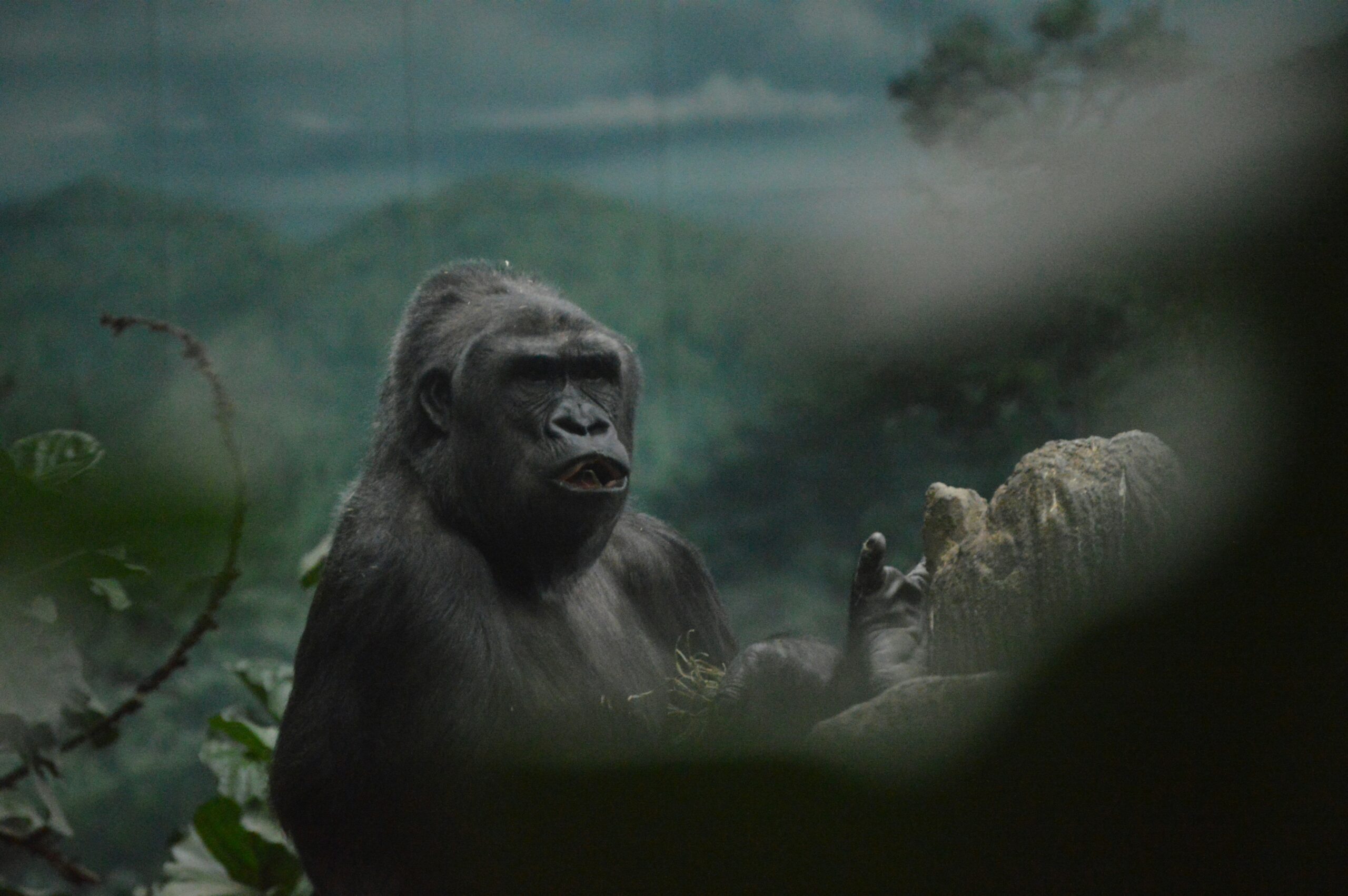
Imagine arriving quietly at a gorilla family after a guided trek through the forest. A large silverback sits among green vegetation, occasionally raising his head to observe the surrounding area. Nearby, a young gorilla clings to its mother while another juvenile plays among fallen branches.
For a photographer, every moment offers a different story. A close-up of a silverback’s face can reveal extraordinary detail in his expression. A wider composition can show the relationship between the gorillas and the surrounding forest. A photograph of a mother holding her infant can communicate the family bonds that make mountain gorillas so fascinating.
Successful gorilla photography is not simply about owning an expensive camera. It requires preparation, suitable equipment, an understanding of changing light and the ability to work calmly within strict wildlife conservation rules.
Visitors must also remember that gorilla trekking is primarily a conservation experience. Photography is permitted only within the regulations established by park authorities, and the welfare of the gorillas always takes priority over obtaining a particular image.
Standard gorilla trekking in Rwanda normally allows visitors up to one hour with a habituated gorilla family after it has been located. This limited observation period makes preparation particularly important.
Photographers who understand their camera controls before entering the forest can spend more time observing the gorillas and less time adjusting unfamiliar equipment.
This guide explains the best cameras and lenses for gorilla trekking in Rwanda, practical camera settings for rainforest photography, techniques for photographing gorilla behavior and the conservation rules every visitor must follow.
Whether you are using a professional mirrorless camera, a DSLR or a smartphone, thoughtful preparation can help you return from Volcanoes National Park with memorable photographs while respecting the mountain gorillas and their habitat.
Why Rwanda Is One of Africa’s Best Destinations for Gorilla Photography
Rwanda offers a remarkable combination of mountain gorilla habitat, beautiful scenery and established wildlife tourism infrastructure.
Volcanoes National Park is located in northwestern Rwanda, within the Virunga Massif. The protected area is characterized by volcanic mountains, bamboo forests and lush montane vegetation.
Extraordinary Mountain Gorilla Encounters
Rwanda’s habituated mountain gorilla families can be visited through carefully regulated trekking activities.
Visitors are accompanied by authorized ranger guides who manage the encounter and explain appropriate behavior around the animals.
The opportunity to observe gorillas in their natural environment creates exceptional wildlife photography possibilities.
Beautiful Forest Backgrounds
Volcanoes National Park offers more than close-up gorilla portraits.
The surrounding bamboo, ferns and mountain vegetation can provide beautiful natural backgrounds for environmental wildlife photographs.
These wider compositions help communicate the relationship between mountain gorillas and their protected habitat.
Expressive Gorilla Behavior
Mountain gorillas live in complex social groups.
Photographers may observe feeding, grooming, resting, play and interactions between mothers and infants.
Capturing these moments can create more meaningful images than a simple photograph of a gorilla looking toward the camera.
Convenient Access From Kigali
Volcanoes National Park is relatively accessible from Kigali compared with some other mountain gorilla destinations.
The journey to the Musanze or Kinigi area usually takes approximately two and a half to three hours, depending on traffic and the exact destination.
This makes Rwanda attractive for travelers planning short gorilla photography holidays.
Opportunities for a Longer Photography Safari
Photographers can combine gorilla trekking with golden monkey tracking, landscape photography around the Virunga Mountains and additional wildlife experiences elsewhere in Rwanda.
Akagera National Park offers opportunities to photograph savannah wildlife, while Nyungwe National Park is known for forest landscapes, primates and birdlife.
Challenges of Photographing Mountain Gorillas in Volcanoes National Park
Mountain gorilla photography presents several challenges that visitors should understand before traveling.
Limited Natural Light
Dense forest vegetation blocks much of the sunlight reaching the ground.
Even during the middle of the day, gorillas may be resting in shaded areas where the available light is relatively low.
Photographers often need to increase ISO sensitivity or use lenses with wide maximum apertures to maintain suitable shutter speeds.
Dark Gorilla Fur
Mountain gorillas have dark fur that can be difficult to expose correctly against bright green leaves or patches of sunlight.
Automatic exposure systems may produce images that are too dark or too bright when the background differs significantly from the subject.
Checking the histogram and reviewing exposure can help preserve detail.
Unpredictable Movement
Although adult gorillas may remain still for extended periods, juveniles can move quickly and unpredictably.
A shutter speed suitable for a resting silverback may not be fast enough to freeze a playful young gorilla.
Dense Vegetation
Leaves, branches and bamboo stems can partially obstruct the subject.
Photographers must work with the view available from the ranger-approved position rather than moving closer or disturbing vegetation.
Limited Viewing Time
The standard viewing period is normally limited to one hour after the gorilla family has been located.
This makes familiarity with your equipment essential.
Changing Weather
Rain and mist can develop quickly in the mountains.
Camera protection and suitable clothing help prevent weather from interrupting the experience.
Conservation Restrictions
Flash photography is prohibited, and visitors must follow the viewing distance and movement instructions established by the park authority.
No photograph is worth disturbing the gorillas or compromising visitor safety.
Best Camera for Gorilla Trekking Photography in Rwanda
The best camera for gorilla trekking is one that performs reliably in low light, focuses accurately and can be operated comfortably during a demanding forest excursion. A professional camera can produce excellent results, but modern enthusiast cameras and smartphones are also capable of capturing memorable photographs.
Mirrorless Cameras for Gorilla Photography
Modern mirrorless cameras are particularly useful for photographing mountain gorillas. Many models provide effective subject tracking, electronic viewfinders, high ISO performance and relatively compact bodies.
Eye-detection autofocus can be helpful when photographing gorilla portraits, although recognition of animal eyes varies by camera model and may not always work reliably with gorillas.
Photographers should practice switching between automatic subject detection and a conventional autofocus point before their safari.
DSLR Cameras for Gorilla Trekking
DSLR cameras remain capable wildlife photography tools. Their optical viewfinders, interchangeable lenses and familiar controls make them suitable for challenging forest conditions.
A DSLR with dependable autofocus and good high ISO image quality can produce detailed photographs of mountain gorillas.
The most important factor is understanding how to adjust exposure and focus quickly.
Full-Frame Versus Crop-Sensor Cameras
Full-frame cameras often provide advantages in high ISO image quality and dynamic range, particularly when comparing similar sensor generations.
Crop-sensor cameras can offer a narrower field of view with the same lens, which may help when photographing animals from the permitted viewing distance.
Neither format is automatically better for every visitor. Lens choice, camera weight, budget and familiarity matter more than sensor size alone.
Do You Need an Expensive Camera?
No. Expensive equipment does not guarantee successful gorilla photographs.
A mid-range camera paired with a suitable lens and operated confidently can produce excellent results.
Photographers should prioritize dependable autofocus, good low-light performance and equipment they can carry comfortably.
Should You Bring Two Camera Bodies?
Experienced photographers sometimes carry two bodies fitted with different lenses to avoid changing lenses in wet or dusty conditions.
However, extra equipment increases weight and can make the forest walk more tiring.
For many visitors, one camera and a versatile zoom lens provide a practical balance.
Best Lenses for Gorilla Trekking Photography in Rwanda
Choosing the right lens is one of the most important decisions when preparing for gorilla trekking in Volcanoes National Park.
Mountain gorillas are photographed at regulated distances, and the surrounding vegetation can limit the available viewing angles.
A versatile lens allows you to capture both detailed portraits and wider scenes without changing equipment frequently.
70–200mm Zoom Lens
A 70–200mm lens is a popular option for wildlife photography because it offers flexibility for portraits, family interactions and compositions that include some surrounding vegetation.
A version with a maximum aperture of f/2.8 is particularly useful in shaded forest conditions.
However, f/2.8 lenses can be relatively heavy and expensive. A lighter f/4 version may also work well when paired with a camera capable of producing acceptable results at higher ISO settings.
24–70mm Standard Zoom Lens
A 24–70mm lens is useful for wider environmental photographs and scenes showing the forest habitat.
It can also be suitable when the ranger-approved viewing position provides a broad view of several gorillas together.
Photographers must never move closer simply because their lens does not provide enough magnification.
70–300mm Telephoto Zoom Lens
A 70–300mm lens provides additional reach and may be a practical choice for travelers who already own one.
Its usefulness in the rainforest depends on its maximum aperture, image stabilization and the camera’s low-light performance.
Slower telephoto lenses may require higher ISO settings to maintain an appropriate shutter speed.
100–400mm Telephoto Lens
A 100–400mm lens can be useful for tight portraits from greater distances.
However, the longer focal lengths may be unnecessary for some gorilla encounters, and the relatively narrow maximum aperture of many models can make low-light photography more challenging.
Photographers should consider weight, minimum focusing distance and how easily the lens can be handled in the forest.
Fast Prime Lenses
Prime lenses with wide apertures, such as 85mm or 135mm models, can produce beautiful portraits with softly blurred backgrounds.
The limitation is their fixed focal length. You may be unable to change your position because of conservation rules or surrounding vegetation.
For this reason, zoom lenses are often more flexible for a first gorilla trekking experience.
Which Lens Should Beginners Choose?
For many beginners, a versatile medium telephoto zoom is the most practical option.
The exact choice depends on the camera’s sensor size, lens availability and the photographer’s experience.
It is better to use a familiar lens confidently than to rent complicated equipment without practicing beforehand.
Best Camera Settings for Gorilla Photography in Rwanda
There is no single camera setting that works for every mountain gorilla photograph. Light levels, animal movement and vegetation can change within seconds.
The following settings provide useful starting points, but photographers should adjust them according to the conditions they encounter.
Use Aperture Priority or Manual Exposure
Aperture Priority mode allows you to control depth of field while the camera adjusts shutter speed according to the available light.
Manual exposure with Auto ISO is another effective approach because it allows you to select both aperture and shutter speed while the camera adjusts sensitivity.
Choose the method you can operate most confidently.
Recommended Aperture
For a single gorilla portrait, a wide aperture such as f/2.8 or f/4 can help gather light and separate the subject from the background.
For two gorillas positioned at different distances, consider a smaller aperture such as f/5.6 or f/8 when sufficient light is available.
Depth of field also depends on focal length, camera-to-subject distance and sensor size.
Recommended Shutter Speed
For a relatively still gorilla, a shutter speed around 1/250 second may be a reasonable starting point when using a stabilized setup and suitable focal length.
For moving juveniles or active interactions, try approximately 1/500 to 1/1000 second or faster when lighting conditions permit.
Longer focal lengths, camera movement and unpredictable animal behavior may require faster shutter speeds.
Recommended ISO Settings
Use Auto ISO or adjust ISO manually to achieve the required shutter speed.
In shaded forest, ISO 1600, 3200 or higher may be necessary.
Modern cameras can often produce usable photographs at elevated ISO values, especially when images are exposed correctly and processed carefully.
A sharp photograph with some noise is usually more useful than a blurred image captured at an unnecessarily low ISO.
Autofocus Settings
Continuous autofocus is helpful when photographing moving gorillas.
Use an appropriately sized autofocus area and aim to keep the visible eye sharp in portraits.
When branches interfere with subject tracking, a smaller focus area may provide more reliable results.
Exposure Compensation
Dark fur against a bright background can confuse automatic metering.
Review the histogram and highlight warnings when available, then adjust exposure compensation as needed.
There is no universal positive or negative compensation value because the correct adjustment depends on the scene and metering method.
Photograph in RAW Format
RAW files retain more flexibility for adjusting exposure, white balance, shadows and highlights during editing.
If you prefer photographs that are ready to share immediately, consider recording RAW and JPEG files together.
Use Silent Shooting Carefully
Silent electronic shutter modes can reduce camera noise, but some cameras may produce rolling-shutter distortion or banding under certain lighting conditions.
Test your camera’s silent mode before traveling.
Quick Gorilla Photography Settings Reference
| Photography situation | Suggested starting settings |
|---|---|
| Resting gorilla portrait | f/2.8–f/4, approximately 1/250 second, Auto ISO |
| Mother and infant together | f/4–f/5.6, approximately 1/500 second, Auto ISO |
| Active young gorilla | f/2.8–f/4, approximately 1/1000 second, Auto ISO |
| Gorilla family in its habitat | f/5.6–f/8 when light permits, shutter speed appropriate to movement |
| Dark forest portrait | Wide aperture, sufficient shutter speed, higher ISO as needed |
These are illustrative settings, not guaranteed exposure recipes. Always adapt to the actual light, lens and movement of the gorillas.
How to Photograph Mountain Gorillas in Low Light
Low light is one of the defining challenges of gorilla photography in Rwanda.
The rainforest canopy filters sunlight, and mountain gorillas often rest in shaded vegetation. Their dark fur can make exposure particularly demanding.
Prioritize Shutter Speed
Do not reduce shutter speed excessively simply to maintain a low ISO.
Even a resting gorilla may move its head unexpectedly, and image stabilization cannot freeze subject movement.
Use the Widest Practical Aperture
A wider aperture allows more light to reach the sensor.
However, make sure the depth of field is sufficient for the intended composition.
Increase ISO When Necessary
High ISO noise can often be reduced during editing, but significant motion blur is much harder to correct.
Choose an ISO value that supports a sufficiently fast shutter speed.
Watch for Bright Backgrounds
Sunlight filtering through leaves can create bright patches behind a dark gorilla.
These conditions may cause the camera to underexpose the animal.
Use exposure compensation or manual exposure when necessary and review the histogram.
Look for Natural Openings in the Canopy
Sometimes gorillas move into areas where soft natural light reaches their faces.
Be ready to photograph these moments from your permitted position.
Never attempt to move the animals or disturb vegetation to improve the light.
Avoid Flash Completely
Flash photography is prohibited during gorilla encounters.
Plan your equipment and camera settings around the available natural light.
Composition Tips for Stunning Mountain Gorilla Photographs
Technical settings help produce sharp photographs, but composition determines how effectively an image tells a story. Mountain gorillas offer opportunities for portraits, family interactions and environmental photography.
Focus on the Gorilla’s Eyes
Eyes often create the strongest connection between a wildlife photograph and its viewer.
When photographing a gorilla portrait, focus on the nearest visible eye whenever possible.
A sharp eye can make a simple composition particularly powerful.
Photograph at the Gorilla’s Eye Level
Eye-level compositions can create a more intimate perspective.
However, do not crouch, change position or move closer without ranger approval.
Your safety and the gorillas’ welfare take priority over camera angle.
Include the Forest Environment
Not every photograph needs to be a close-up portrait.
Wider images showing bamboo, ferns and mountain vegetation help communicate the gorillas’ natural habitat.
These environmental compositions are especially valuable when creating a complete photographic story of the encounter.
Use Natural Framing
Leaves and branches can sometimes frame a gorilla beautifully.
Rather than treating every piece of vegetation as an obstruction, look for opportunities to incorporate the forest naturally into the image.
A softly blurred foreground can add depth without distracting from the subject.
Leave Space in the Direction of the Gaze
If a gorilla is looking to one side, consider leaving additional space in that direction.
This can create a balanced composition and suggest the surrounding environment beyond the frame.
Capture Relationships Between Gorillas
Images of two or more gorillas interacting can communicate more about family life than isolated portraits.
Look for grooming, resting together, feeding and moments of attention between adults and young gorillas.
Use Vertical and Horizontal Compositions
Vertical photographs work well for portraits and social media.
Horizontal compositions can show family groups and the surrounding forest.
Capture both orientations when time and positioning permit.
Avoid Excessive Cropping
Very tight cropping can remove useful context and reduce image quality.
Try to compose carefully in the camera while respecting the required viewing distance.
How to Photograph Mountain Gorilla Behavior
Mountain gorillas are highly social primates. Their family interactions offer opportunities to create meaningful wildlife photographs.
Understanding common behaviors helps photographers anticipate interesting moments without attempting to influence the animals.
Photographing Silverbacks
A mature male mountain gorilla, known as a silverback, is one of the most impressive subjects in African wildlife photography.
Silverbacks often display calm, watchful behavior while resting or feeding.
Look for expressive portraits that show facial features, powerful shoulders and the distinctive silver coloration along the back.
Allow the gorilla to behave naturally and avoid trying to provoke a reaction.
Photographing Mothers and Infants
Interactions between mothers and infants can produce particularly moving photographs.
Young gorillas may cling to their mothers, rest beside them or explore nearby vegetation.
Use a shutter speed suitable for unpredictable movement and focus carefully on the most important subject.
Photographing Young Gorillas Playing
Juvenile gorillas may climb, tumble and interact energetically.
These movements can be difficult to capture in the shaded forest.
Continuous autofocus and a faster shutter speed can improve the chances of producing sharp images.
Photographing Grooming and Social Bonds
Grooming and other close interactions provide opportunities to document the social nature of mountain gorillas.
Wait patiently and photograph naturally occurring behavior.
Photographing Feeding Behavior
Gorillas spend much of their day feeding on vegetation.
Photographs of feeding behavior can illustrate the animals’ relationship with their forest environment.
Include enough surrounding habitat to provide context when possible.
Photographing Resting Gorillas
Resting animals can offer excellent opportunities for carefully composed portraits.
Use the quieter moments to review exposure and framing rather than taking unnecessary bursts of identical photographs.
Why Patience Matters
Wildlife photography is most effective when the photographer observes before reacting.
Instead of constantly searching for dramatic movement, pay attention to expressions, relationships and subtle changes in behavior.
The most memorable photograph may be a quiet moment between two gorillas rather than an action scene.
Gorilla Photography Rules in Rwanda’s Volcanoes National Park
Mountain gorilla photography is governed by conservation regulations designed to protect endangered gorillas and visitors.
Ranger instructions and current Rwanda Development Board requirements take precedence over any photography advice.
Flash Photography Is Prohibited
Visitors must not use camera flash when photographing mountain gorillas.
Disable the flash before entering the gorilla viewing area, including automatic flash settings on smartphones.
Maintain the Required Distance
Follow the minimum gorilla viewing distance communicated by park officials.
Do not move closer to improve your composition or compensate for a short lens.
Respect the One-Hour Viewing Limit
Standard gorilla trekking normally allows up to one hour with the assigned family once located.
Use this time thoughtfully and stop photographing when instructed by the ranger.
Do Not Touch Gorillas
Mountain gorillas are wild animals, and physical contact is prohibited.
If a gorilla approaches unexpectedly, remain calm and follow ranger instructions.
Do Not Attract the Gorillas’ Attention
Avoid calling, whistling, making loud noises or using other methods to encourage a gorilla to look toward the camera.
Photograph natural behavior rather than attempting to create a staged reaction.
Do Not Feed Gorillas
Food must never be offered to mountain gorillas.
Visitors should follow park instructions regarding eating and drinking during the trek.
Follow Health Regulations
Mountain gorillas are vulnerable to certain infections that can be transmitted by humans.
Visitors with symptoms of a potentially contagious illness must inform park officials.
Follow current mask and hygiene requirements.
Stay With Your Ranger-Led Group
Do not leave the assigned group to search for a better photography angle.
The ranger manages safe movement and protects the animals from unnecessary disturbance.
Respect Other Visitors
Gorilla trekking is a shared experience.
Avoid blocking another visitor’s view for extended periods or moving abruptly in front of someone else’s camera.
Do Not Use Drones Without Specific Authorization
Drone operations in protected areas are subject to strict aviation, security and park permissions.
Do not bring or operate a drone for gorilla photography without explicit authorization from all relevant authorities.
Keep Photography Equipment Under Control
Avoid placing bags, tripods or other equipment where they could obstruct the group or create a safety hazard.
Use only equipment permitted by park personnel.
Essential Camera Equipment for a Rwanda Gorilla Photography Safari
Good preparation can prevent equipment problems during the limited gorilla viewing period.
Camera Body and Suitable Lens
Choose a camera and lens combination that you can operate confidently.
Practice changing focus modes, shutter speed and exposure settings before traveling.
Spare Camera Batteries
Bring charged spare batteries because cool conditions, frequent image review and continuous autofocus can increase power consumption.
Memory Cards
Carry sufficient memory card capacity, especially if you plan to photograph in RAW format.
Format cards only after safely backing up their contents.
Waterproof Camera Protection
A rain cover helps protect the camera during sudden showers.
Choose a cover that allows access to essential controls.
Lens Cleaning Cloth
A clean microfiber cloth is useful for removing moisture from the lens surface.
Avoid rubbing dirt or grit across the glass.
Comfortable Camera Strap
A secure strap helps prevent accidental drops while walking through uneven terrain.
Keep the camera close to your body when navigating difficult sections.
Lightweight Camera Bag
Use a compact, weather-resistant bag that can be opened without unnecessary noise or delay.
A porter may help carry equipment to the appropriate point, subject to ranger instructions.
Optional Backup Camera
A second camera can be useful if the primary camera fails, but additional equipment increases the weight carried during the trek.
For many travelers, a well-prepared single-camera setup is sufficient.
How to Protect Your Camera During Gorilla Trekking in Rwanda
Volcanoes National Park is a mountain forest environment where rain, mist and high humidity can affect photographic equipment.
Protecting your camera before entering the forest reduces the risk of damage and allows you to concentrate on the gorilla encounter.
Use a Rain Cover
A dedicated camera rain cover can protect the body and lens during showers.
Choose a cover that fits securely without interfering with essential controls.
Keep Spare Equipment Dry
Store spare batteries, memory cards and cleaning materials in waterproof pouches inside your camera bag.
Even a weather-resistant backpack may allow moisture inside during prolonged rain.
Manage Lens Condensation
Moving equipment between different temperatures and humidity levels can cause condensation.
Allow equipment to adjust gradually when possible and avoid unnecessary lens changes in damp conditions.
Avoid Changing Lenses in the Rain
Changing lenses exposes the camera’s interior to moisture and dust.
A versatile zoom lens can reduce the need to change equipment during the trek.
Clean Equipment After Trekking
Once you return to a dry environment, inspect your camera and lens for moisture or dirt.
Follow the manufacturer’s cleaning instructions and allow equipment to dry safely before storage.
Protect Equipment During the Hike
Gorilla trekking may involve climbing steep slopes and moving through thick vegetation.
Keep the camera secure when walking and take it out when the ranger indicates that photography is appropriate.
Best Time for Gorilla Trekking Photography in Rwanda
Mountain gorilla trekking in Rwanda normally operates throughout the year, and each season offers different photographic conditions.
The best time depends on whether you prioritize relatively drier hiking trails, lush forest scenery or a particular travel schedule.
June to September: Relatively Drier Conditions
June through September is one of Rwanda’s popular travel periods.
Rainfall is often relatively lower, which can make some forest trails easier to navigate and help protect photographic equipment.
However, rain remains possible in Volcanoes National Park throughout the year.
December to February: Another Popular Period
December through February can also offer relatively favorable trekking conditions.
Photographers may encounter a combination of soft mountain light, mist and beautiful green vegetation.
March to May: Rainy-Season Photography
March through May generally brings increased rainfall.
Wet vegetation, cloud cover and mist can create atmospheric images, but the trails may be slippery and camera protection becomes especially important.
October to November: Green Forest Landscapes
October and November can also be wetter.
The forest often appears lush, although photographers must prepare for changing light and weather.
Does the Dry Season Guarantee Better Photographs?
No. Clear weather does not automatically produce better wildlife photographs.
Soft overcast light can be particularly useful for photographing dark gorilla fur without harsh shadows.
The gorillas’ position, available light and your ability to compose the scene matter more than the season alone.
Can You Choose the Time of Day for Gorilla Photography?
Standard trekking follows the park’s scheduled morning arrangements.
Visitors cannot freely select a private photography session or remain with gorillas beyond the permitted viewing period.
Actual encounter timing depends on how long it takes to locate the assigned family.
What to Expect on a Rwanda Gorilla Photography Trekking Day
A successful photography safari begins with realistic expectations about the trekking process.
Early Morning Preparation
Begin the day with breakfast at your accommodation near Volcanoes National Park.
Check your camera batteries, memory cards, lens settings and rain protection before leaving the lodge.
Arrival at the Briefing Point
Visitors attend an official briefing where park personnel explain the gorilla trekking regulations and organize the groups.
Photography preferences may be discussed, but they do not override conservation requirements or determine the final gorilla family allocation.
Entering the Forest
After the briefing, the group travels to the appropriate starting point and begins walking with authorized ranger guides.
Some treks are relatively manageable, while others involve steep slopes and muddy trails.
Preparing Your Camera Before the Encounter
As trackers approach the assigned family, check that your flash is disabled and your camera is set for the available light.
Use a shutter speed appropriate for movement and select a reliable autofocus mode.
The Gorilla Encounter
Once the ranger permits viewing, observe the gorillas before immediately beginning to photograph.
Identify the available light, surrounding vegetation and natural interactions within the family.
Work calmly from your approved position.
Making the Most of One Hour
Begin with a few carefully composed photographs, then look for different expressions and family interactions.
Alternate between portraits and wider images where possible.
Remember to spend some time observing the gorillas without looking through the camera.
Returning From the Forest
After the permitted viewing period, follow the ranger back toward the starting point.
Secure your equipment for the return walk, particularly if the terrain is steep or wet.
Backing Up Your Photographs
When you return to your lodge, copy your images to a second storage device if possible.
Do not erase the original memory card until you have verified the backup.
Can You Take Good Gorilla Photographs With a Smartphone?
Yes. Modern smartphones can produce memorable mountain gorilla photographs, particularly when the animals are clearly visible and the available light is favorable.
However, smartphone cameras face limitations in dark forests, especially when photographing moving subjects at a distance.
Use the Main Camera When Possible
The main camera often provides better low-light performance than secondary lenses on the same phone.
Use optical telephoto capabilities when available rather than relying heavily on digital zoom.
Disable Flash Before the Encounter
Make sure the phone’s flash is turned off, including any automatic setting.
Do this before the ranger permits the group to approach the gorillas.
Tap to Focus on the Gorilla
Tap the subject on your screen to help the camera focus and expose appropriately.
Check that the gorilla’s face is not excessively dark against a bright background.
Hold the Phone Steady
Use both hands and keep your movements controlled.
Do not use supports or move into positions that the ranger has not approved.
Avoid Excessive Digital Zoom
Heavy digital zoom can reduce detail and increase the appearance of noise.
It is often better to capture a wider photograph and crop moderately afterward.
Use Burst Mode for Movement
Burst shooting can help capture an expressive moment when a young gorilla moves unexpectedly.
However, avoid taking so many photographs that you stop observing the experience.
Keep the Phone Dry
Use suitable waterproof protection and keep the phone securely attached or stored while walking.
Can Smartphones Replace Professional Cameras?
Smartphones are convenient and capable, but interchangeable-lens cameras generally offer greater control over shutter speed, lens selection and low-light image quality.
The best choice depends on your photography goals and the equipment you can use confidently.
Common Gorilla Photography Mistakes to Avoid
Using a Shutter Speed That Is Too Slow
Mountain gorillas may move unexpectedly, even when they appear relaxed.
Increase shutter speed when photographing active animals and raise ISO if necessary.
Underexposing Dark Gorilla Fur
Bright vegetation can cause the camera to expose for the background instead of the gorilla.
Review exposure and adjust carefully to preserve detail in the subject.
Using the Wrong Autofocus Area
Branches may attract autofocus away from the gorilla’s face.
Use a smaller focus area when automatic subject detection is unreliable.
Bringing Too Much Equipment
Heavy equipment can make a demanding trek more tiring.
Prioritize a manageable camera setup and essential accessories.
Changing Settings Too Frequently
Constantly adjusting unfamiliar controls can cause you to miss important moments.
Practice before your trip and begin with a dependable exposure setup.
Ignoring the Background
Bright leaves, branches and distracting highlights can reduce the impact of a portrait.
Look for the cleanest composition available from your permitted position.
Photographing Only the Silverback
Silverbacks are impressive subjects, but mothers, infants and juveniles offer equally valuable storytelling opportunities.
Try to document the family as a whole.
Forgetting to Experience the Encounter
Gorilla trekking is an extraordinary wildlife experience, not simply a photography assignment.
Spend part of the permitted viewing time observing the animals without a camera in front of your face.
How to Edit Mountain Gorilla Photographs Naturally
Careful editing can improve photographs taken in the difficult lighting conditions of Volcanoes National Park.
The goal should be to preserve a natural appearance while bringing out details that were visible during the encounter.
Adjust Exposure and Shadows
Dark gorilla fur may require selective shadow adjustments.
Avoid brightening the subject so aggressively that the image appears artificial or excessively noisy.
Control Highlights
Bright patches of sky or sunlit vegetation can distract from the gorilla.
Recover highlight detail where the RAW file allows it.
Correct White Balance
Forest light may introduce green or cool color casts.
Adjust white balance carefully while preserving the natural atmosphere.
Apply Moderate Noise Reduction
High ISO photographs may benefit from noise reduction.
However, excessive processing can remove fine detail from gorilla fur.
Sharpen the Eyes Carefully
Selective sharpening can emphasize the eyes and important facial details.
Avoid halos and unnatural textures.
Crop for Stronger Composition
Moderate cropping can remove distracting edges and improve balance.
Preserve enough resolution for your intended use.
Keep Wildlife Images Authentic
For documentary and conservation photography, avoid edits that misrepresent animal behavior or substantially alter the scene.
Natural-looking photographs are especially valuable when communicating the importance of gorilla conservation.
How to Plan a Gorilla Photography Safari in Rwanda
Planning a successful Rwanda gorilla photography safari involves more than selecting a camera. You also need to consider permit availability, accommodation, travel time, physical fitness and the park’s conservation regulations.
Book Your Gorilla Trekking Permit Early
Every eligible visitor requires an official gorilla trekking permit.
The standard Rwanda gorilla trekking permit costs USD 1,500 per international visitor under the tariff referenced in this guide, subject to current official rules and any applicable visitor-category arrangements.
Popular dates can fill quickly, so booking several months in advance is advisable.
Choose Accommodation Near Volcanoes National Park
Staying in the Musanze or Kinigi area allows convenient access to the morning trekking arrangements.
Accommodation ranges from comfortable mid-range lodges to luxury properties with mountain views.
Select a lodge according to your budget, travel preferences and confirmed itinerary.
Allow Enough Time for Your Safari
A two-day itinerary may be suitable for travelers with limited time, but a three-day safari provides a more relaxed schedule.
Photographers may appreciate an additional night to rest, explore the surrounding landscapes or enjoy other authorized activities.
Consider More Than One Gorilla Trek
Some dedicated wildlife photographers arrange separate gorilla trekking permits for consecutive days.
This can provide additional opportunities to experience different lighting conditions and natural behavior.
However, each trek requires its own permit, and a particular gorilla family or photographic opportunity cannot be guaranteed.
Prepare Physically
Gorilla trekking can involve several hours of walking through steep, muddy or uneven forest terrain.
Regular walking and hill training before your safari can make the experience more comfortable.
Hire a Porter
An authorized porter can help carry your equipment and may provide assistance along difficult sections of the trail.
Porter availability and charges should be confirmed locally.
Protect Your Equipment
Bring rain protection, spare batteries, sufficient memory cards and a secure camera strap.
A lighter equipment setup may be more practical than carrying several heavy lenses.
Combine Gorillas With Other Rwanda Photography Experiences
Rwanda offers opportunities to photograph golden monkeys, volcanic landscapes, birds, primates and savannah wildlife.
Longer itineraries can include Volcanoes National Park, Nyungwe National Park, Lake Kivu and Akagera National Park.
Respect Conservation Above Photography
Always follow park rules, maintain the required viewing distance and avoid disturbing the gorillas.
A successful photography safari should create memorable images while supporting responsible wildlife tourism.
Book Your Rwanda Gorilla Photography Safari With Visit Rwanda Gorilla
Capture unforgettable photographs of endangered mountain gorillas in the spectacular forests of Rwanda’s Volcanoes National Park.
Few wildlife experiences compare with observing a mountain gorilla family in its natural habitat. From the quiet expression of a powerful silverback to the playful behavior of young gorillas, every encounter offers remarkable photographic opportunities.
At Visit Rwanda Gorilla, we organize personalized gorilla trekking safaris for wildlife enthusiasts, photographers, couples and private groups.
Whether you are planning your first gorilla trek or returning to Rwanda with a more ambitious photography goal, we can help you arrange a suitable itinerary around your travel dates and interests.
Personalized Gorilla Photography Itineraries
Choose a short gorilla trekking safari from Kigali or extend your holiday to explore Rwanda’s diverse wildlife destinations.
A three-day itinerary can provide time to travel to Volcanoes National Park, enjoy your gorilla encounter and return to Kigali at a comfortable pace.
Longer itineraries may include additional gorilla trekking permits, golden monkey tracking, scenic photography around the Virunga Mountains and wildlife experiences in Akagera or Nyungwe National Parks.
All gorilla encounters remain subject to official permits, park regulations and ranger supervision.
Let Us Help You Plan Your Safari
Our team can assist with gorilla permit availability inquiries, accommodation selection, private transportation and practical safari planning.
We can also help you build an itinerary that allows sufficient time for travel, equipment preparation and other wildlife photography opportunities.
Send us your preferred travel dates, number of travelers, accommodation category and photography interests.
Visit Rwanda Gorilla
Website: www.visitrwandagorilla.com
Email: info@visitrwandagorilla.com
WhatsApp: +256 772 446879
Book your Rwanda gorilla photography safari today and experience the extraordinary mountain gorillas of Volcanoes National Park.