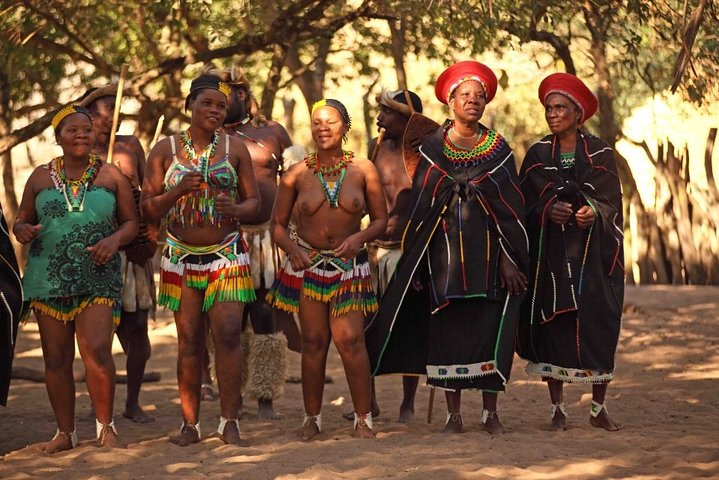

Zulu Culture Tour South Africa
Zulu Culture Tour South Africa: Traditions, History & Heritage
A Zulu culture tour South Africa offers travelers an opportunity to discover one of Southern Africa’s most influential cultural traditions. The Zulu people have a rich heritage shaped by history, community, music, dance, and storytelling.
KwaZulu-Natal provides some of the best opportunities to experience Zulu culture. Visitors can explore cultural villages, historical sites, museums, and community-led experiences.
A cultural tour can complement a South African safari, beach holiday, or historical journey through KwaZulu-Natal.
Who Are the Zulu People?
The Zulu are one of South Africa’s largest cultural groups. Most Zulu communities live in KwaZulu-Natal, although Zulu people live throughout South Africa.
The Zulu language, isiZulu, remains widely spoken. It forms an important part of cultural identity and everyday communication.
Family, community, respect for elders, and traditional ceremonies remain important aspects of Zulu life.
The History of the Zulu Kingdom
The Zulu Kingdom became a powerful political force in southern Africa during the nineteenth century. King Shaka Zulu played a major role in its expansion.
Shaka introduced important military and organizational changes. His leadership helped transform the Zulu Kingdom into a major regional power.
The kingdom later faced conflicts with colonial forces. The Battle of Isandlwana remains one of the most significant events in Zulu military history.
Learning this history adds depth to a Zulu culture tour South Africa.
Zulu Traditional Dance
Dance forms an important part of Zulu cultural expression. Performances often feature energetic movements, singing, drumming, and coordinated formations.
Some dances connect with important ceremonies and celebrations. Traditional performers may also use shields, spears, and distinctive clothing during presentations.
Visitors should understand that cultural dances carry meaning beyond entertainment. Performances help preserve history and cultural identity.
Zulu Traditional Clothing
Traditional clothing varies according to age, gender, occasion, and cultural setting. Beadwork remains an important part of Zulu artistic expression.
Beaded necklaces, bracelets, belts, and other ornaments can carry symbolic meanings. Traditional clothing often appears during weddings, ceremonies, festivals, and cultural performances.
Visitors can learn about these meanings during guided cultural experiences.
Zulu Beadwork and Craftsmanship
Zulu beadwork has become one of the best-known forms of South African traditional art. Artists create colorful patterns using carefully selected beads.
Different colors and patterns can communicate messages. In some contexts, beadwork can express relationships, emotions, identity, or social status.
Travelers can purchase authentic handmade crafts directly from local artisans. This can provide meaningful support for community businesses.
Zulu Food and Hospitality
Food provides another way to experience Zulu culture. Traditional dishes often use maize, vegetables, beans, meat, and other locally available ingredients.
Visitors may encounter foods such as uphuthu, isijingi, and traditional meat dishes during cultural experiences.
Sharing food creates an opportunity to connect with local hosts. Guides can explain the history and cultural meaning behind different dishes.
Where to Experience Zulu Culture
KwaZulu-Natal provides many opportunities for cultural tourism. Shakaland offers cultural experiences inspired by traditional Zulu life.
Dundee and the surrounding Battlefields region provide opportunities to explore Zulu history. Visitors can learn about the Anglo-Zulu War and important historical sites.
Ulundi also holds significance because of its connection to the historic Zulu Kingdom.
Combining Zulu Culture with a Safari
KwaZulu-Natal offers excellent opportunities to combine cultural experiences with wildlife viewing. Travelers can visit reserves such as Hluhluwe-iMfolozi after exploring Zulu heritage.
This combination creates a varied South African itinerary. Guests can experience wildlife, history, landscapes, and living cultural traditions in one journey.
Why Take a Zulu Culture Tour?
A Zulu culture tour South Africa provides more than a glimpse into traditional life. It helps travelers understand the history and identity of one of southern Africa’s most prominent cultural communities.
The experience becomes even more meaningful when visitors choose locally guided tours. These experiences help keep cultural knowledge alive while creating income for local communities.