
Zanzibar Stone Town History Tour
Zanzibar Stone Town History Tour: Discover the Heart of Zanzibar
A Zanzibar Stone Town history tour takes travelers through one of East Africa’s most fascinating historic cities. Stone Town combines African, Arab, Indian, and European influences.
Its narrow streets reveal centuries of trade, migration, religion, and cultural exchange. The historic buildings also showcase Zanzibar’s unique architectural heritage.
Today, Stone Town remains the cultural heart of Zanzibar. A walking tour offers one of the best ways to understand its past.
The Origins of Stone Town
Stone Town developed as an important trading center along the East African coast. Its location helped Zanzibar connect with traders from Arabia, India, Persia, and mainland Africa.
The town grew significantly during the nineteenth century. Zanzibar became a major center for the spice and maritime trade.
Its streets still contain buildings from different historical periods. These structures reflect the many cultures that shaped the island.
Stone Town and the Spice Trade
Cloves became one of Zanzibar’s most important exports. Other spices also contributed to the island’s economic importance.
The spice trade attracted merchants and settlers from different parts of the Indian Ocean world. Their presence influenced Zanzibar’s food, architecture, language, and traditions.
A Zanzibar Stone Town history tour often connects these historical developments with the city’s present-day culture.
The Sultan’s Palace
The Sultan’s Palace, now known as the Palace Museum, provides insight into Zanzibar’s royal history. The palace once served as a residence for members of the Omani ruling family.
The building overlooks the waterfront. Its location reflects Stone Town’s historic connection with the Indian Ocean.
Visitors can explore exhibits that explain Zanzibar’s royal past and relationships with Oman.
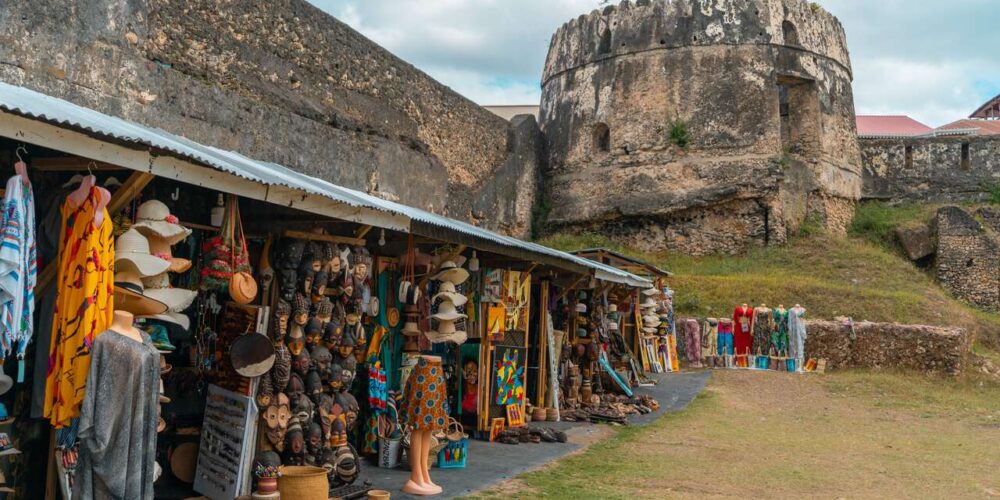
The Old Fort of Zanzibar
The Old Fort stands near the waterfront and remains one of Stone Town’s most recognizable landmarks.
The Omani built the fort in the late seventeenth century after taking control of Zanzibar from the Portuguese.
Today, the fort serves as a cultural and entertainment venue. Visitors can explore its historic walls while discovering the surrounding streets.
The Zanzibar Slave Trade History
Stone Town also carries a difficult history connected to the East African slave trade. Zanzibar became an important center in regional slave trading during the nineteenth century.
The Christ Church Cathedral and the nearby slave market site preserve memories of this history. The site provides important context about the people who suffered under the trade.
A responsible historical tour should present this past honestly and respectfully.
Stone Town’s Unique Architecture
Stone Town’s architecture reflects centuries of cultural interaction. Carved wooden doors remain among the city’s most recognizable features.
Many doors feature elaborate designs influenced by Arab and Indian traditions. Their details can reveal the wealth and status of former owners.
The narrow streets also reflect the town’s historical development. Walking allows visitors to appreciate these details at a slower pace.
Why Take a Stone Town History Tour?
A Zanzibar Stone Town history tour offers more than sightseeing. It reveals how African, Arab, Indian, and European influences created Zanzibar’s distinctive identity.
Visitors can combine the tour with spice experiences, food walks, cultural encounters, and beach holidays.