
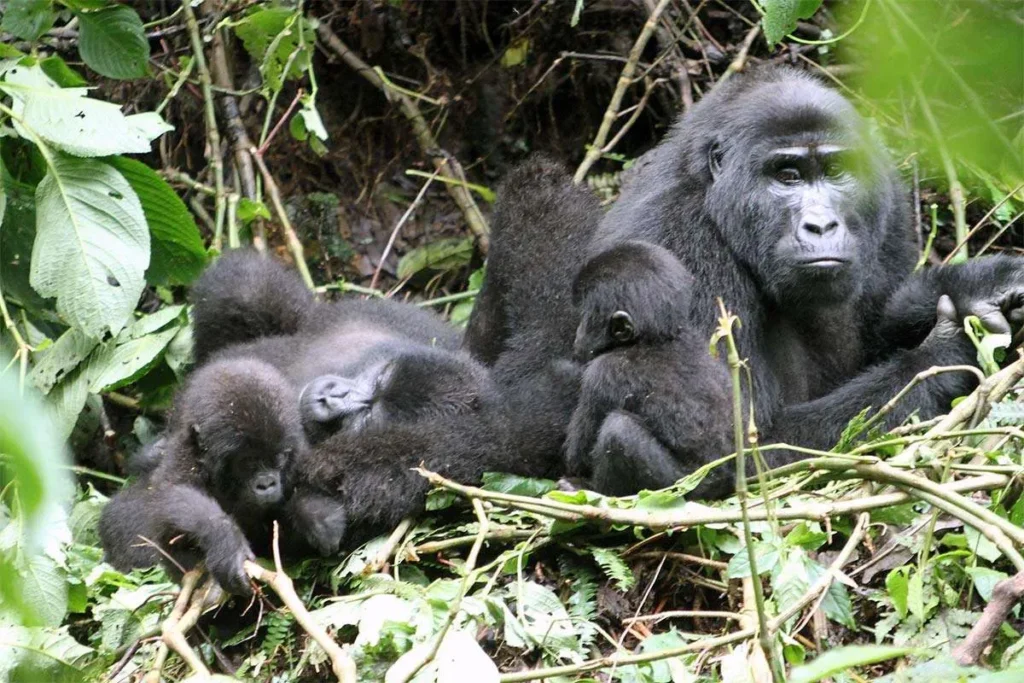
Nshongi Gorilla Family in Bwindi
Nshongi Gorilla Family in Bwindi: History, Location and Trekking Guide The Nshongi Gorilla Family holds an important place…
Read article →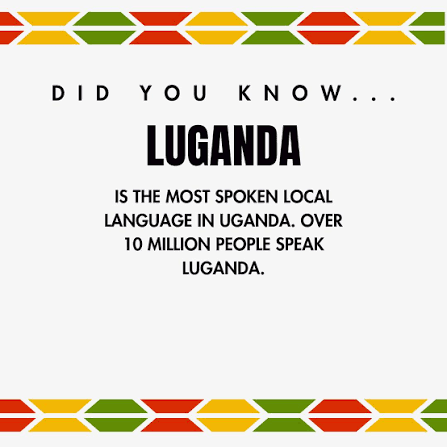
Travel Guide
Uganda is one of Africa’s most linguistically diverse countries. People across the country speak more than 40 languages, reflecting Uganda’s many ethnic communities and rich cultural history. English serves as the official language and plays an…
Uganda is one of Africa’s most linguistically diverse countries. People across the country speak more than 40 languages, reflecting Uganda’s many ethnic communities and rich cultural history.
English serves as the official language and plays an important role in education, government, business, and tourism. Swahili also serves as an official language and has a growing role in regional communication.
For travelers, English makes Uganda relatively easy to explore. Most professional safari guides, hotel staff, drivers, and tourism operators can communicate comfortably in English.
However, local languages remain an important part of everyday life. Learning a few words from the language spoken in the area you visit can make your interactions with local communities more meaningful.
Uganda has two official languages: English and Swahili.
English has long served as the main language of government, education, business, and formal communication. Most schools teach students in English, particularly at higher levels.
Swahili gained official-language status and plays an important role in regional communication. You may hear Swahili in markets, transport areas, and communities, particularly near Uganda’s borders with neighboring countries.
Despite these official languages, most Ugandans use a local language at home.
Luganda ranks among the most widely spoken local languages in Uganda. Many people speak Luganda in Kampala, Central Uganda, and other parts of the country.
Luganda belongs to the Bantu language family and has a strong cultural connection with the Baganda people.
You may hear Luganda frequently in Kampala, Entebbe, Jinja, and surrounding areas.
Many Ugandans also use Luganda as a second language, even when they come from different ethnic communities.
Yes. English remains widely spoken in Uganda.
People use English extensively in schools, government offices, hotels, businesses, banks, and tourism.
Safari guides and professional drivers commonly speak English because they regularly work with international visitors.
Most travelers can therefore communicate easily in English during a Uganda safari.
English proficiency varies between individuals, especially in remote rural areas. However, visitors can generally find someone who speaks English when they need assistance.
Yes. Swahili has official-language status in Uganda, although its everyday use varies significantly across the country.
Swahili has a stronger presence in the military, regional trade, border areas, and some urban communities.
Travelers may hear Swahili more often in areas close to Kenya, Tanzania, and the Democratic Republic of Congo.
Many people across East Africa use Swahili as a shared language, making it useful for travelers visiting several countries.
Uganda’s local languages reflect its diverse ethnic communities. The most widely known include Luganda, Runyankole, Runyoro, Rutooro, Acholi, Ateso, Lugisu, and Lugbara.
Central Uganda has strong Luganda use, while western Uganda has several Runyankole, Rutooro, and related languages.
Northern Uganda has languages such as Acholi and Lango, while eastern regions include languages such as Ateso and Lugisu.
This diversity makes language an important part of Uganda’s cultural identity.
Luganda is one of Uganda’s most widely spoken local languages.
You will hear it extensively around Kampala, Entebbe, Jinja, and Central Uganda.
Many people who do not belong to the Baganda community also understand or speak Luganda.
Because of its widespread use, Luganda can help travelers communicate during everyday interactions in central Uganda.
Runyankole is widely spoken in southwestern Uganda, particularly around Mbarara and the surrounding areas.
Travelers heading toward Queen Elizabeth National Park, Bwindi Impenetrable National Park, and southwestern Uganda may encounter Runyankole speakers.
Many people in the region also speak English, particularly those working in tourism.
Rutooro is commonly spoken in western Uganda, particularly around Fort Portal and the Toro region.
Visitors traveling to Kibale Forest National Park may hear Rutooro during interactions with local communities.
The language forms part of the wider Bantu language family.
Acholi is one of the major languages of northern Uganda.
People commonly speak Acholi in areas such as Gulu and surrounding districts.
Travelers heading toward Murchison Falls National Park and northern Uganda may encounter Acholi speakers.
English and other regional languages also support communication in tourism areas.
Ateso is widely spoken in northeastern and eastern Uganda, particularly among the Iteso people.
You may hear Ateso around Soroti and neighboring areas.
The language forms an important part of the cultural identity of communities in eastern Uganda.
Lugisu, also known as Lumasaba, is widely spoken around eastern Uganda, particularly in the Bugisu region near Mount Elgon.
Travelers visiting Mount Elgon, Sipi Falls, and Mbale may encounter Lugisu speakers.
The region also offers rich cultural experiences connected to the Bagisu people.
Tourism has increased the use of English across Uganda’s major destinations.
In Kampala and Entebbe, English works well in hotels, restaurants, shops, and transport services.
In national parks, professional guides generally speak English and often communicate with tourists from different countries.
Local communities may use their own languages among themselves, but they usually communicate with visitors through English or another shared language.
Most professional safari guides in Uganda speak English.
Many guides also speak one or more local languages. This allows them to communicate with local communities during safari activities.
Some guides speak additional international languages, particularly when they regularly work with visitors from Europe or other regions.
When booking a safari, travelers can request a guide who speaks their preferred language.
Yes. English provides the easiest option for international travelers.
You can use English at airports, hotels, safari lodges, restaurants, banks, and most major tourism businesses.
English also works well when arranging transportation and communicating with safari guides.
Travelers exploring remote villages may encounter people who speak little English. In these situations, your guide can help with communication.
You do not need to learn a local Ugandan language before visiting.
English provides enough coverage for most travel situations.
However, learning a few words in the local language can create warmer interactions. Local people often appreciate visitors who make an effort to learn their language.
Simple greetings can also make cultural experiences more enjoyable.
If you spend time around Kampala or Central Uganda, learning a few Luganda expressions can be useful.
Even a few words can help create friendly interactions with local people.
Language plays an important role in Uganda’s cultural tourism.
Visitors can learn about traditional songs, storytelling, ceremonies, dances, and community history through local languages.
Cultural guides often translate these experiences into English for international visitors.
Understanding local languages can provide deeper insight into Uganda’s diverse communities.
English works well during gorilla trekking in Uganda.
Professional guides and park staff communicate important information in English, including trekking rules, safety instructions, and conservation guidelines.
Local porters may speak English to varying degrees, while they often use their local languages among themselves.
Travelers can therefore participate comfortably without knowing a local Ugandan language.
Community tourism provides an excellent opportunity to experience Uganda’s linguistic diversity.
Visitors may meet local families, artisans, farmers, dancers, storytellers, and community leaders.
Guides often translate conversations so international travelers can understand the experience.
These interactions provide a deeper connection with Ugandan culture beyond traditional wildlife safaris.
Uganda’s linguistic diversity reflects the country’s complex cultural history.
Different communities developed their own languages over centuries, while trade, migration, education, and regional connections created multilingual communities.
Many Ugandans speak several languages depending on where they live and work.
A person might speak a local language at home, Luganda in an urban setting, English at work, and Swahili for regional communication.
This multilingual environment makes language an important part of everyday Ugandan life.
Uganda’s language diversity adds another fascinating dimension to travel. While the country has many local languages, English remains the most practical language for international visitors.
Luganda dominates much of Central Uganda, while languages such as Runyankole, Rutooro, Acholi, Ateso, and Lugisu remain important in their respective regions.
Safari guides, hotel staff, and tourism professionals generally communicate well in English, making Uganda accessible to English-speaking travelers.
Learning a few local expressions can make your trip even more rewarding. It shows respect for local culture and often creates friendly connections with the people you meet.

Nshongi Gorilla Family in Bwindi: History, Location and Trekking Guide The Nshongi Gorilla Family holds an important place…
Read article →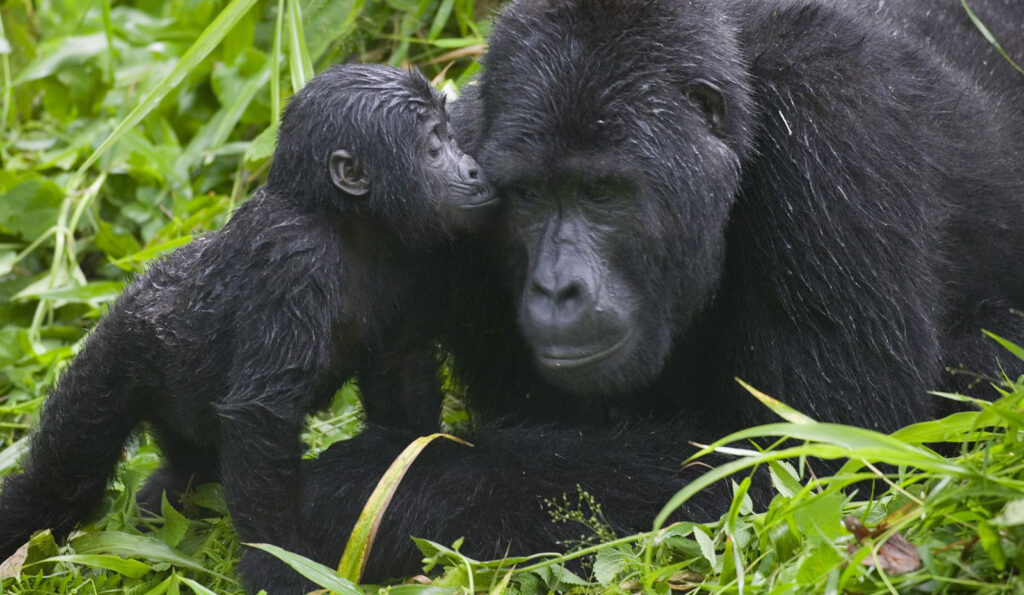
Mishaya Gorilla Family in Bwindi: History, Trekking and What to Know The Mishaya Gorilla Family is one of…
Read article →
Semuliki Hot Springs Visit Guide: What to Expect Semuliki Hot Springs offers one of the most unusual natural…
Read article →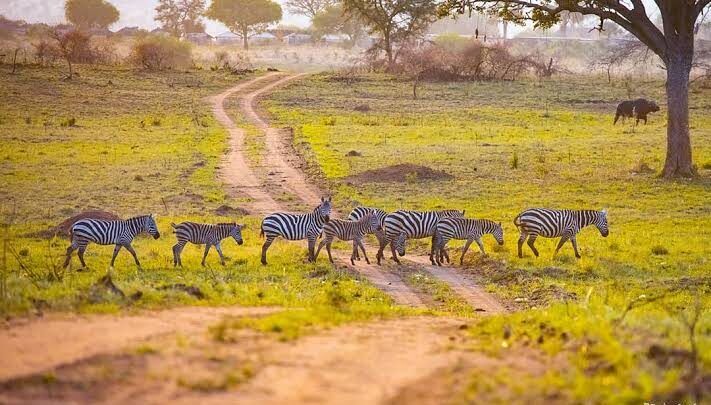
Kidepo Valley Remote Safari Guide: What to Expect Kidepo Valley National Park offers one of Uganda's most remote…
Read article →