
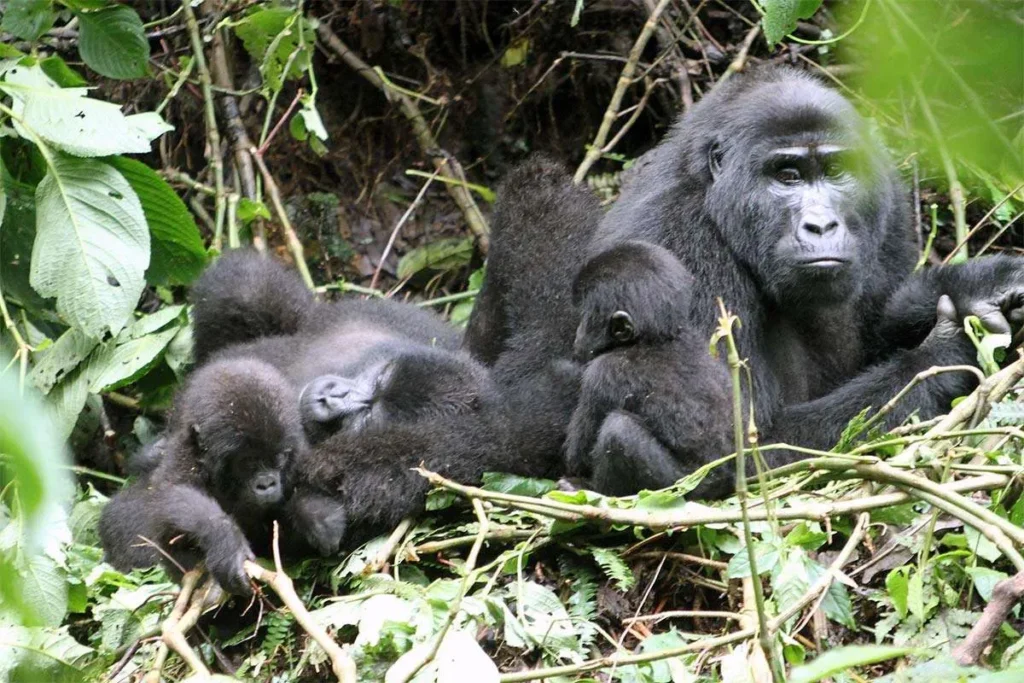
Nshongi Gorilla Family in Bwindi
Nshongi Gorilla Family in Bwindi: History, Location and Trekking Guide The Nshongi Gorilla Family holds an important place…
Read article →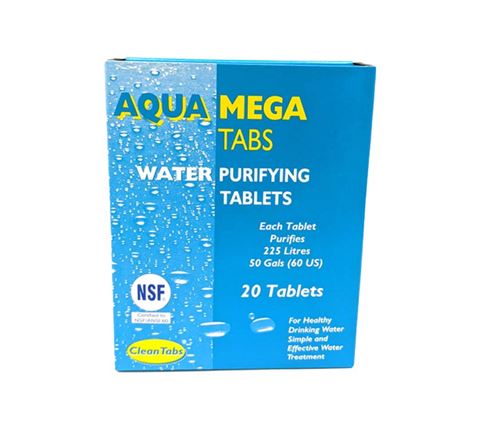
Travel Guide
Packing for an African safari requires more thought than packing for an ordinary holiday. You may spend long hours in national parks, travel through remote areas, and stay far from major towns. Access to safe drinking…
Packing for an African safari requires more thought than packing for an ordinary holiday. You may spend long hours in national parks, travel through remote areas, and stay far from major towns. Access to safe drinking water can therefore become an important part of your preparation.
Water purification tablets offer a lightweight way to treat water when you cannot access a reliable supply of safe drinking water. They can prove useful during camping safaris, hiking trips, gorilla trekking, and longer journeys through remote areas.
However, most travelers do not need to rely on purification tablets throughout an entire safari. Safari lodges, hotels, camps, and tour operators usually provide treated or bottled drinking water. Tablets work best as a backup rather than your main source of drinking water.
Safari travel can take you far from shops and towns. A long game drive may last several hours, while remote camps can sit deep inside national parks.
You may also encounter situations where your normal supply runs low. A water purification tablet can provide an emergency option when you have access to untreated water but cannot confirm its safety.
The tablets weigh very little and take up almost no space in a daypack. For this reason, they can make a useful addition to a safari first-aid or emergency kit.
Not necessarily. Many safari destinations provide safe drinking water through hotels, lodges, camps, and safari vehicles.
Your safari operator can also carry drinking water during game drives and transfers. You should follow your operator’s advice about the local water supply.
However, conditions vary between destinations. Travelers who plan remote camping, hiking, backpacking, or multi-day adventures may find purification tablets more useful.
Think of them as an emergency backup rather than something you must use every day.
Purification tablets become especially useful when you travel away from established tourism facilities.
They can help during remote camping trips, long hiking excursions, multi-day wilderness journeys, and unexpected situations where your drinking water runs out.
They can also provide peace of mind when traveling through areas where you cannot easily purchase bottled or treated water.
For a standard lodge-based safari, you may never need to use them.
Most water purification tablets use chemicals that kill or deactivate many harmful microorganisms in untreated water.
Common active ingredients include chlorine dioxide, iodine, and other approved disinfectants.
The chemical treatment targets organisms that can cause waterborne illnesses.
However, different products work in different ways. Always follow the manufacturer’s instructions regarding dosage, water volume, contact time, and storage.
No. Different tablets use different active ingredients and have different treatment capabilities.
Some products work quickly, while others require longer contact times.
Some also perform better against certain microorganisms than others.
Before your safari, read the product instructions carefully and choose a reputable product designed for drinking-water treatment.
Chlorine dioxide tablets remain a popular choice among hikers and travelers.
They can effectively treat many microorganisms in water when you follow the manufacturer’s instructions.
Some products also reduce unpleasant tastes compared with certain iodine-based treatments.
Chlorine dioxide products can take longer to work under some conditions, so plan ahead when treating water.
Iodine tablets have a long history of use among travelers and outdoor enthusiasts.
They can provide effective emergency treatment against many microorganisms.
However, iodine can leave a noticeable taste and does not suit everyone. People with certain medical conditions, including some thyroid disorders, may need to avoid iodine-based products.
Pregnant travelers and people with medical concerns should consult a qualified healthcare professional before using iodine water treatment.
No. Water purification tablets do not make every type of contaminated water safe.
They mainly target microorganisms. They do not necessarily remove chemicals, heavy metals, sediment, fuel, or other physical contaminants.
If water looks heavily polluted or contains chemical contamination, do not rely on purification tablets.
Choose a safer water source instead.
Cloudy water presents an additional challenge.
Sediment and organic material can reduce the effectiveness of some chemical treatments.
If you must treat cloudy water, follow the product instructions carefully. Some products recommend filtering the water before applying the treatment.
A small portable water filter can therefore complement purification tablets.
A filter and purification tablets can work well together.
A portable filter can remove sediment and many microorganisms, while chemical treatment can provide additional disinfection.
This combination can become useful during remote camping or long wilderness trips.
For a conventional safari, however, carrying both may add unnecessary equipment. Your travel style should determine how much water treatment gear you need.
Many established safari lodges and camps provide drinking water that meets their local safety standards.
Some properties use treated water systems, filtration, or bottled water.
However, standards can vary between properties and destinations.
Ask your safari operator or accommodation provider whether the local tap water remains safe for drinking.
When in doubt, use the drinking water provided by the lodge or camp.
The answer depends on your destination and accommodation.
Some urban areas provide treated tap water that travelers can drink safely. Remote areas can have different water systems.
Do not assume that tap water has the same safety standards everywhere.
Ask your hotel, lodge, or safari operator before drinking local tap water.
Many safari operators carry drinking water in their vehicles.
Your driver or guide can provide information about the water supply and advise you about how much you should carry during game drives.
Long game drives can become hot, so you should drink regularly rather than wait until you feel thirsty.
Keep your water bottle accessible throughout the day.
Your water needs depend on temperature, activity level, trek length, and individual health needs.
Game drives in hot areas can increase your fluid requirements. Hiking activities can require even more water because of physical exertion.
Your safari operator can advise you about the expected conditions.
Carry enough water for the planned activity and avoid relying entirely on purification tablets.
Gorilla trekking involves physical exertion in mountainous forests. You should carry sufficient drinking water for the trek.
Your safari operator will usually advise you about the water supply and may provide drinking water.
Purification tablets can serve as an emergency backup, but you should not plan to drink untreated forest water simply because you have tablets.
Never drink water from streams or other natural sources without appropriate treatment and confirmation that the treatment method suits that water.
Camping safaris can create greater demand for emergency water treatment.
You may spend nights away from established facilities, particularly on remote wilderness trips.
In these situations, purification tablets can provide an additional safety measure.
Your safari operator should still plan the primary water supply before the trip.
Backpackers may find purification tablets more useful than travelers staying in lodges.
Budget travel can involve public transport, remote campsites, long hikes, and less predictable access to treated water.
A small packet of tablets can provide emergency treatment without adding significant weight.
Combine them with a reusable water bottle and, where practical, a portable filter.
The treatment time depends on the product and the water conditions.
Some tablets require around 30 minutes, while others may require longer periods.
Cold or cloudy water can affect treatment times for certain products.
Always follow the exact instructions printed on your product packaging rather than relying on a general treatment time.
Some tablets can change the taste of water.
Iodine often produces a noticeable medicinal flavor. Some chlorine-based treatments can also alter the taste.
Chlorine dioxide products may produce less noticeable changes with certain water sources.
If taste concerns you, check reviews and product specifications before purchasing.
Keep your tablets in their original packaging and protect them from moisture.
Store them according to the manufacturer’s temperature and storage recommendations.
Do not transfer tablets into an unmarked container.
Check the expiry date before your trip and replace old products when necessary.
Do not assume that every water purification tablet suits children.
Age restrictions can vary between products, and some active ingredients may not suit certain age groups.
Parents should check the product instructions and seek professional medical advice when necessary.
Families traveling with children should also prioritize reliable drinking-water supplies rather than relying on emergency treatment alone.
Water purification tablets can provide effective emergency water treatment when you use an appropriate product correctly.
However, they are not risk-free for everyone.
Some people should avoid particular ingredients because of medical conditions, pregnancy, allergies, or medication interactions.
Read the product instructions carefully and consult a healthcare professional if you have concerns.
For a short safari that includes established lodges and organized game drives, purification tablets may not provide much practical value.
For remote camping, hiking, backpacking, or extended travel, they can provide useful emergency protection.
Their small size makes them easy to carry even when you do not expect to use them.
The best approach involves carrying them as a backup while relying on a planned supply of safe drinking water.
A reusable bottle with a built-in filter can provide another convenient option.
Portable filtration systems can remove sediment and many microorganisms, depending on their specifications.
You can also carry a small water filter alongside purification tablets for added flexibility during remote travel.
However, no treatment method works for every type of contamination. Choose your system based on the conditions you expect to encounter.
Staying hydrated matters just as much as treating water correctly.
African safari destinations can become hot, and game drives often involve long periods outdoors.
Drink regularly and carry water whenever you leave your accommodation.
If you develop symptoms such as severe diarrhea, vomiting, fever, or signs of dehydration during your trip, seek medical attention promptly.
Water purification tablets can provide useful backup protection during an African safari, especially when you travel through remote areas or spend nights camping away from established facilities.
For most lodge-based safaris, you will probably receive treated or bottled drinking water. In those situations, tablets can remain an emergency item rather than something you use every day.
Choose a reputable product, check its active ingredient and expiry date, and follow the manufacturer’s instructions carefully. Consider carrying a portable filter if your itinerary includes remote camping or long wilderness hikes.
Most importantly, never assume that natural water sources are safe simply because the water looks clean. Plan your drinking-water supply before entering remote areas and follow the advice of your safari operator.

Nshongi Gorilla Family in Bwindi: History, Location and Trekking Guide The Nshongi Gorilla Family holds an important place…
Read article →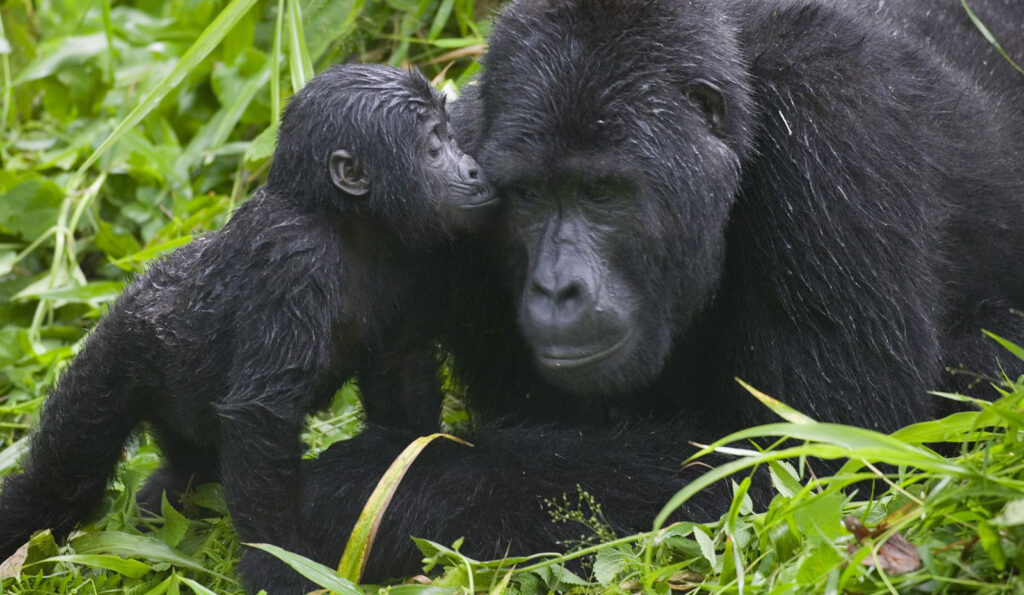
Mishaya Gorilla Family in Bwindi: History, Trekking and What to Know The Mishaya Gorilla Family is one of…
Read article →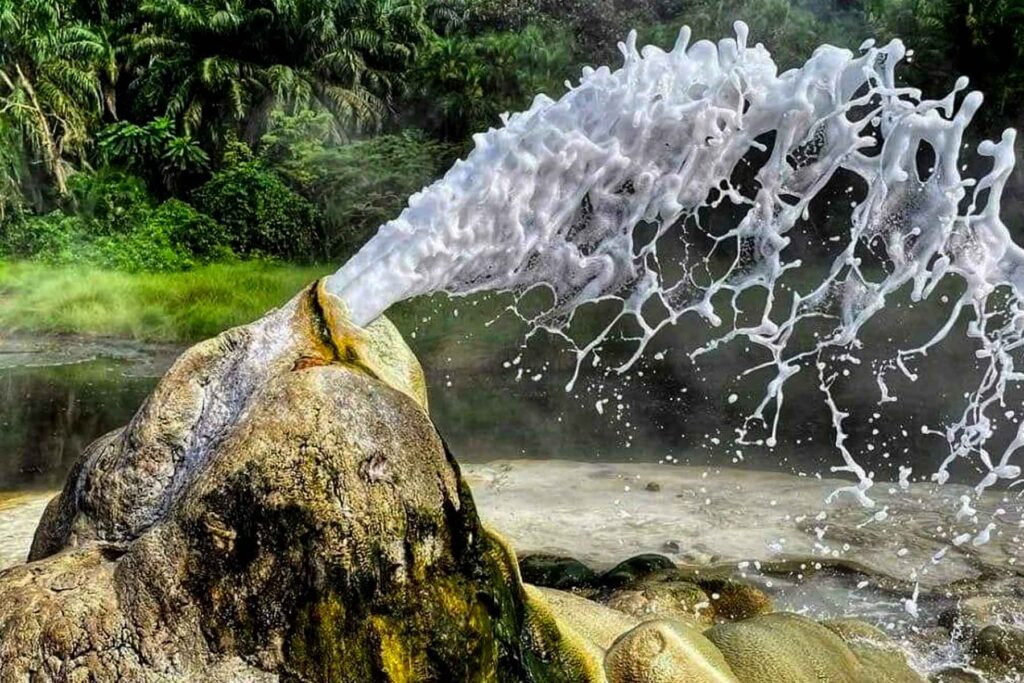
Semuliki Hot Springs Visit Guide: What to Expect Semuliki Hot Springs offers one of the most unusual natural…
Read article →
Kidepo Valley Remote Safari Guide: What to Expect Kidepo Valley National Park offers one of Uganda's most remote…
Read article →