

Nshongi Gorilla Family in Bwindi
Nshongi Gorilla Family in Bwindi: History, Location and Trekking Guide The Nshongi Gorilla Family holds an important place…
Read article →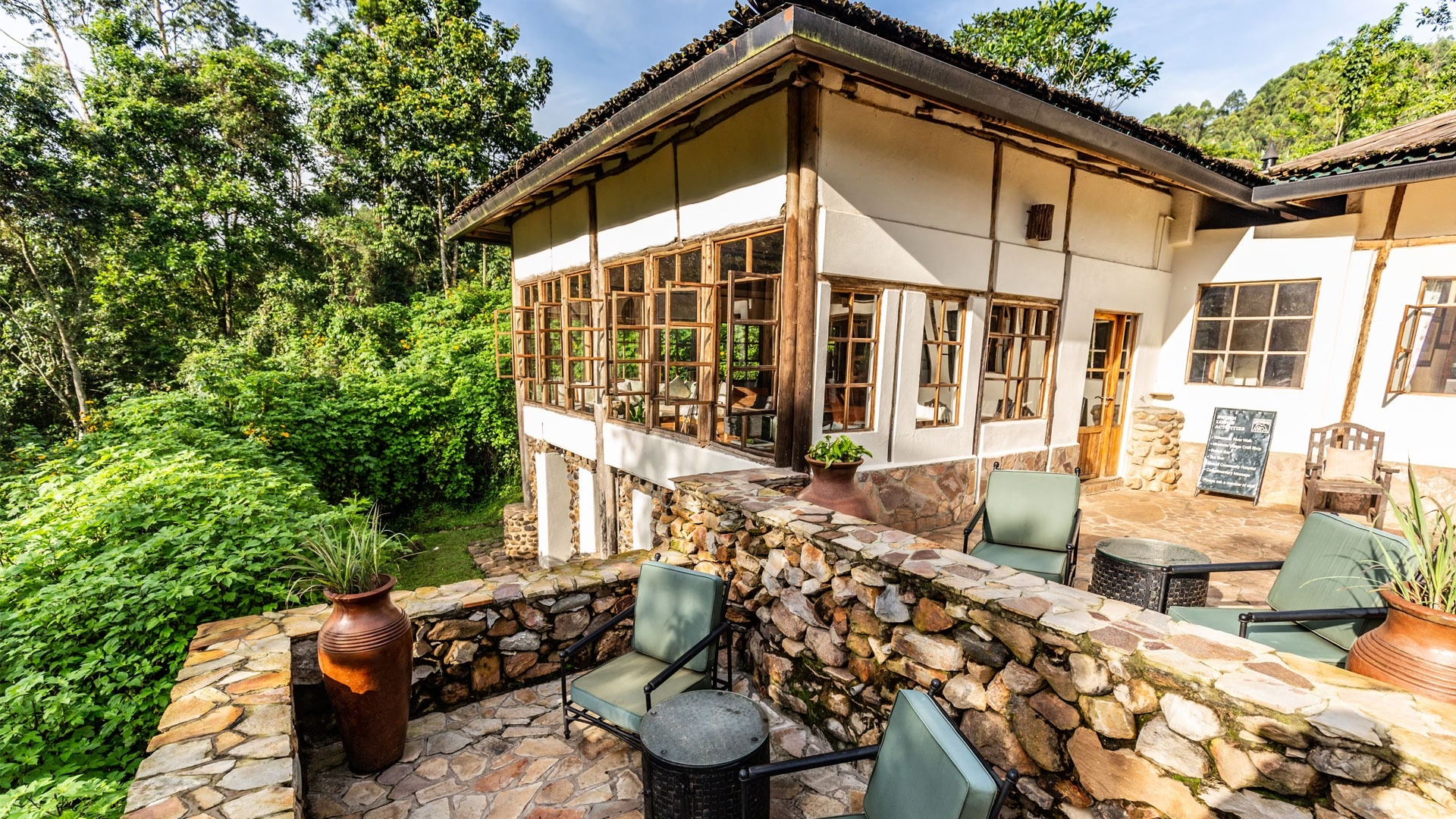
Travel Guide
Experience eco-luxury at Volcanoes Bwindi Lodge, overlooking Bwindi Impenetrable Forest. Perfect base for gorilla trekking and cultural encounters.
Volcanoes Bwindi Lodge offers travelers a comfortable base near Uganda’s Bwindi Impenetrable National Park, one of Africa’s most important mountain gorilla destinations. Set against the dramatic landscapes of southwestern Uganda, the lodge appeals particularly to travelers who want their gorilla trekking experience combined with high levels of comfort, forest views, and opportunities to explore the wider Bwindi region.
A visit to Bwindi is often one of the defining moments of an East African safari. Mountain gorilla encounters attract travelers from around the world, but the experience extends beyond the hours spent inside the forest. Where you stay, how much time you allow, and what additional activities you include can shape the entire journey.
The attraction of Volcanoes Bwindi Lodge begins with its setting near Bwindi Impenetrable National Park.
Bwindi’s landscape consists of densely forested ridges and valleys that form part of the Albertine Rift region.
The forest is internationally known for mountain gorillas but also protects a remarkable range of other plants and animals.
Staying close to this environment allows visitors to experience Bwindi beyond the trekking day itself.
Morning mist, forest sounds, changing weather, and green hills become part of the atmosphere throughout the stay.
Gorilla trekking is the primary reason many travelers choose Volcanoes Bwindi Lodge.
Treks begin with a briefing before visitors enter the forest in guided groups.
The amount of time required to locate a gorilla family varies. Mountain gorillas move freely, so one trek may be relatively short while another involves several hours of hiking.
Visitors should prepare for uneven terrain, vegetation, mud, and changing weather.
Once gorillas are located, standard trekking visits allow a regulated period of observation under the guidance of park personnel.
A confirmed gorilla permit is essential.
Uganda gorilla permits are issued for specific trekking dates and should be arranged in advance, particularly during popular travel periods.
Accommodation reservations do not automatically include trekking permits unless explicitly stated in a safari package.
Travelers should therefore coordinate their permit date with their lodge booking.
The minimum age for standard gorilla trekking in Uganda is 15 years.
Families should take this restriction into account before designing an itinerary around Bwindi.
Good preparation improves the experience considerably.
Wear sturdy hiking boots with reliable grip. Long trousers and long-sleeved shirts protect against vegetation and insects.
Gardening-style gloves can be useful when using vegetation for support on steep or slippery sections.
A lightweight waterproof jacket is essential because Bwindi is a tropical rainforest and rain can occur at any time.
Carry drinking water and any personal essentials in a comfortable daypack.
Hiring a local porter can also be helpful. Porters can assist with bags and provide support over challenging terrain while earning income from tourism.
Returning to comfortable accommodation after several hours in the forest can be especially rewarding.
A gorilla trek may involve physical exertion, wet clothing, muddy boots, and steep trails.
The opportunity to shower, change, eat, and relax becomes an important part of the day.
This is where staying at a property such as Volcanoes Bwindi Lodge can complement the trekking experience.
Instead of immediately beginning another long road journey, visitors can spend the remainder of the day appreciating the Bwindi environment.
The concept of eco-luxury is particularly relevant around sensitive environments such as Bwindi.
Travelers increasingly want comfort while also considering the environmental impact of accommodation.
Responsible lodge operations can involve waste management, water conservation, energy efficiency, local employment, and support for surrounding communities.
Guests can contribute by conserving water, reducing unnecessary waste, and following lodge guidelines.
Luxury in a remote safari setting is not simply about elaborate facilities. Privacy, attentive service, quality meals, views, and connection with the surrounding environment can be equally important.
Bwindi’s scenery changes throughout the day.
Early mornings may bring mist across the forest canopy. Afternoon light can reveal layers of hills, while rain clouds create dramatic conditions.
Travelers who enjoy photography can find plenty of opportunities without leaving the lodge environment.
Binoculars are also useful because birds and other wildlife may be observed in surrounding vegetation.
Allowing time simply to sit and watch the landscape can provide a welcome contrast to the physical intensity of gorilla trekking.
Bwindi is one of Uganda’s most important birding destinations.
The forest’s location within the Albertine Rift contributes to its exceptional biodiversity.
Dedicated birdwatchers may arrange guided excursions, while casual visitors can still enjoy identifying species around accommodation areas and forest edges.
A knowledgeable guide is particularly valuable because many forest birds are easier to locate by sound than sight.
Bring binoculars and, if birding is a major priority, consider allowing an additional day rather than trying to combine everything with the gorilla trek.
Communities around Bwindi are closely connected with the tourism economy.
Cultural and community activities can introduce travelers to local livelihoods, crafts, music, food, and everyday life.
These experiences are most valuable when they are organized respectfully and provide clear benefits to participants.
Purchasing locally made crafts can provide additional support while giving visitors meaningful souvenirs.
Community activities also remind travelers that gorilla conservation takes place within a wider human landscape.
Successful conservation depends partly on creating reasons for surrounding communities to benefit from protecting the forest.
A minimum stay should account for arrival time, the gorilla trekking day, and departure logistics.
Many travelers find that spending several nights creates a more comfortable experience.
Arriving the day before trekking avoids the risk and stress of trying to complete a long transfer on the same morning as the activity.
An additional night after trekking provides time to relax.
Visitors interested in birding, forest walks, or community activities may want to extend the stay further.
Slower travel often creates a more rewarding experience than treating Bwindi as a single activity stop.
Bwindi can be visited throughout the year.
Relatively drier periods are popular because forest trails may be easier to navigate. However, rain remains possible at any time.
Wetter periods produce lush landscapes and can offer atmospheric photography conditions.
Trail conditions may become muddier and more demanding, making suitable footwear particularly important.
Rather than searching for a completely rain-free month, travelers should prepare appropriately for rainforest conditions.
Travelers can reach the Bwindi region by road or by combining domestic flights with road transfers.
Road journeys allow visitors to see Uganda’s countryside and combine Bwindi with other safari destinations.
Flying can reduce transfer time, particularly for travelers on shorter itineraries.
The most appropriate route depends on the wider safari schedule and the specific trekking sector.
Always confirm transfer arrangements carefully because Bwindi has multiple access areas, and driving between them can take significant time.
Queen Elizabeth National Park is a popular addition to a Bwindi safari.
The combination brings together mountain gorilla trekking and classic savannah wildlife viewing.
Travelers can enjoy game drives and a Kazinga Channel boat experience before or after continuing to the forest.
This creates excellent ecological variety within one itinerary.
Instead of focusing exclusively on primates, visitors experience open plains, wetlands, lakes, forests, and mountain landscapes.
Some itineraries connect southwestern Uganda with Rwanda.
Kigali can provide an alternative international gateway depending on travel arrangements and current border requirements.
This can create a multi-country itinerary combining cultural experiences in Rwanda with gorilla trekking in Uganda.
Travelers should verify immigration requirements and transfer times before finalizing cross-border plans.
Responsible behavior is essential during gorilla trekking.
Follow instructions from guides and park personnel at all times.
Maintain the required distance from gorillas and never attempt to touch them.
Health precautions are especially important because gorillas are biologically close to humans and can be vulnerable to human illnesses.
Do not litter or leave anything inside the forest.
Respectful behavior protects both wildlife and future visitors’ ability to enjoy the same experience.
When planning a stay at Volcanoes Bwindi Lodge, coordinate accommodation, transportation, and gorilla permits as part of one itinerary.
Confirm the exact trekking sector associated with your permit and ensure that transfer arrangements match it.
Pack suitable hiking clothing even if you are traveling during a drier period.
Allow enough time around the trek to enjoy the destination rather than immediately moving on.
Bwindi is more than the place where a gorilla encounter happens. It is an ancient forest landscape surrounded by communities, hills, birdlife, and remarkable biodiversity.
Staying at Volcanoes Bwindi Lodge provides travelers with a base from which to appreciate both the famous mountain gorillas and the broader environment that makes Bwindi one of Uganda’s most extraordinary safari destinations.

Nshongi Gorilla Family in Bwindi: History, Location and Trekking Guide The Nshongi Gorilla Family holds an important place…
Read article →
Mishaya Gorilla Family in Bwindi: History, Trekking and What to Know The Mishaya Gorilla Family is one of…
Read article →
Semuliki Hot Springs Visit Guide: What to Expect Semuliki Hot Springs offers one of the most unusual natural…
Read article →
Kidepo Valley Remote Safari Guide: What to Expect Kidepo Valley National Park offers one of Uganda's most remote…
Read article →