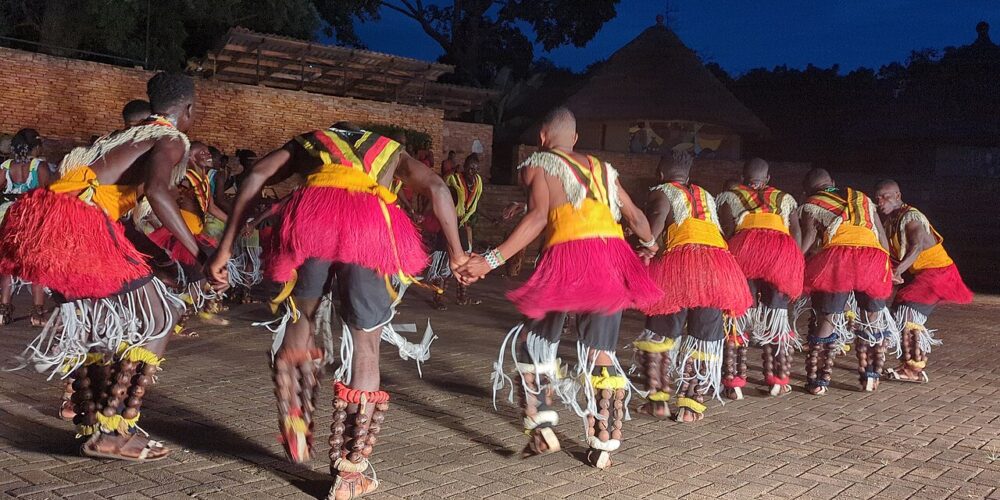

Uganda Traditional Dance
Uganda Traditional Dance: Exploring the Country’s Cultural Rhythms
Uganda traditional dance reflects the country’s remarkable cultural diversity. More than 50 ethnic groups contribute different dances, songs, rhythms, and traditions.
Each region has developed distinctive cultural expressions. Performances can celebrate marriage, harvests, royal ceremonies, community gatherings, and other important events.
For travelers, traditional dance offers an engaging way to understand Uganda’s people. It also adds a cultural dimension to wildlife and gorilla safaris.
Why Traditional Dance Matters in Uganda
Dance forms an important part of Uganda’s cultural heritage. Communities use music and movement to celebrate important moments and preserve history.
Traditional dances can also communicate stories and social values. Performers pass these traditions from one generation to another.
Uganda’s cultural diversity means that no single dance represents the entire country. Each region offers a different style and rhythm.
The Bakisimba Dance
The Bakisimba dance comes from the Buganda region. It remains one of the most recognized dances among the Baganda.
The dance features rhythmic hip movements and coordinated body movements. Drums provide an energetic musical foundation.
Traditional stories connect the dance with Buganda’s royal heritage. Today, performers showcase Bakisimba during cultural celebrations and events.
The Bwola Dance
The Bwola dance is associated with the Acholi people of northern Uganda. It often features circular formations and rhythmic movements.
The dance can appear during important cultural gatherings. Performers move together while drummers create a strong rhythmic foundation.
Bwola demonstrates the importance of community participation in Acholi cultural traditions.
The Larakaraka Dance
Another important northern Ugandan performance is Larakaraka. The dance has strong connections with Acholi cultural traditions.
Performers use energetic movements and coordinated formations. Historically, the dance played a role in social and ceremonial gatherings.
Visitors can learn more about Acholi traditions through cultural experiences in northern Uganda.
The Ekitaguriro Dance
The Ekitaguriro dance is associated with the Banyankole people of western Uganda. The dance reflects the region’s pastoral heritage.
Performers use graceful movements that can represent cattle and traditional pastoral life. The dance often appears during cultural celebrations.
It provides an interesting connection between dance, livestock, and community identity.
Traditional Drums and Instruments
Drums provide the heartbeat of many Ugandan dances. Different communities use different instruments and rhythms.
Other traditional instruments include flutes, string instruments, rattles, and xylophones. Musicians combine these sounds with singing and dance.
The result creates performances that feel energetic and highly communal.
Where to Experience Uganda Traditional Dance
Travelers can experience Uganda traditional dance in cultural centers, communities, festivals, and organized cultural tours.
Kampala offers several opportunities to watch performances from different regions. Travelers visiting western Uganda can also experience cultural dances alongside gorilla and wildlife adventures.
Northern Uganda offers another perspective through Acholi and Karamoja cultural experiences.
Why Include Traditional Dance in a Uganda Safari?
A Uganda safari can offer much more than wildlife viewing. Cultural experiences allow travelers to meet communities and understand local traditions.
Traditional dance creates a memorable connection with Uganda’s people. It can also support performers and community tourism initiatives.