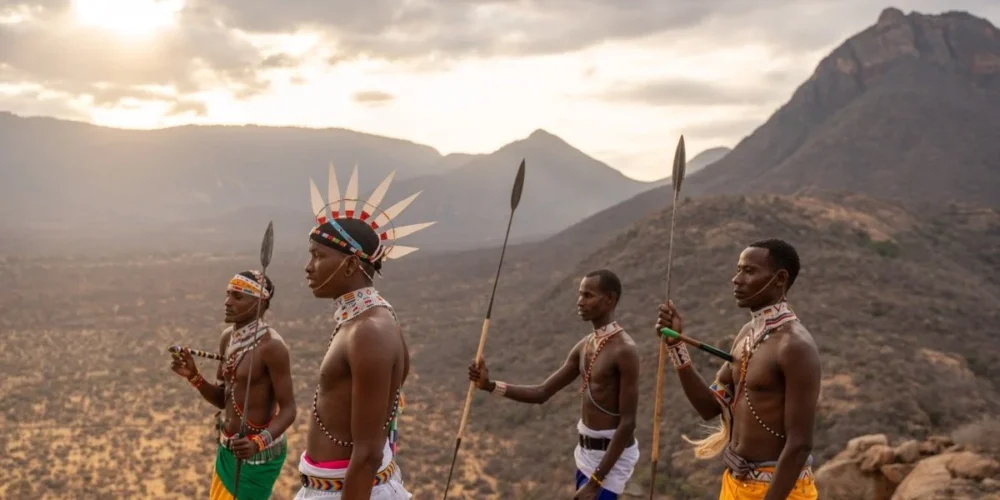

Samburu Tribe Culture Kenya
Samburu Tribe Culture Kenya: Traditions, Lifestyle & Cultural Experiences
The Samburu tribe culture Kenya offers one of the most fascinating cultural experiences in East Africa. The Samburu people live mainly in northern Kenya, where they maintain strong connections to livestock, family, and traditional customs.
Their culture shares some similarities with the Maasai, yet the Samburu have their own language, traditions, ceremonies, and social identity. A visit to Samburu communities allows travelers to learn about these traditions while exploring the beautiful landscapes of northern Kenya.
Who Are the Samburu People?
The Samburu are a Nilotic pastoralist community living mainly in northern Kenya. Many communities live around the Samburu, Laikipia, Isiolo, and Marsabit regions.
Livestock plays a central role in Samburu life. Cattle, goats, sheep, and camels provide food and economic support for many families.
The Samburu speak Samburu, a Maa language closely related to the language spoken by the Maasai. However, Samburu traditions have developed their own distinctive identity.
The Importance of Cattle in Samburu Culture
Livestock remains central to Samburu tribe culture Kenya. Animals provide milk, meat, and other resources for households.
Cattle also carry social importance. Livestock can contribute to family wealth and play a role in traditional ceremonies and marriage arrangements.
Pastoralism requires detailed knowledge of the environment. Samburu herders understand seasonal grazing areas and water sources across the dry northern landscapes.
Samburu Manyattas
A traditional Samburu settlement is often called a manyatta. Families build homes using locally available materials.
The settlement structure reflects the community’s social organization. Homes often sit close together, creating a strong sense of community.
Visitors can explore a manyatta with a local guide. Residents may explain how they build homes, care for livestock, prepare food, and organize daily activities.
Samburu Traditional Dress
Traditional clothing forms an important part of Samburu identity. Brightly colored fabrics and intricate beadwork feature prominently in community dress.
Women often wear elaborate bead necklaces and other ornaments. These pieces can communicate age, marital status, and social identity.
Men may wear colorful wraps and traditional accessories. Clothing can vary depending on ceremonies, age groups, and individual preferences.
Samburu Music and Dance
Music and dance bring people together during important celebrations. Traditional performances often feature singing, rhythmic movement, and coordinated group participation.
The famous Samburu jumping dance attracts attention because of its energetic movements. Young men may jump vertically while other participants sing and maintain the rhythm.
These performances should not become simple tourist shows. Responsible cultural experiences allow communities to decide how and when they share their traditions.
Samburu Marriage Traditions
Marriage holds an important place in Samburu society. Traditional marriage customs involve families and community relationships.
Livestock has historically played an important role in marriage arrangements. Ceremonies can involve singing, dancing, blessings, and other cultural practices.
Modern life continues to influence marriage traditions. Many families now combine traditional customs with contemporary practices.
Samburu Food and Daily Life
Samburu cuisine reflects the community’s pastoral lifestyle. Milk and other livestock products traditionally form an important part of the diet.
Communities also use grains, vegetables, and other foods available in their environment. Food traditions can vary between households and seasons.
A cultural visit can help travelers understand how Samburu families adapt to the dry conditions of northern Kenya.
Where to Experience Samburu Culture
The Samburu National Reserve provides an excellent base for combining wildlife and cultural experiences. Visitors can enjoy game drives before meeting local communities.
The wider Samburu region also offers opportunities to explore traditional villages and community conservation initiatives.
A responsible tour operator can arrange cultural visits with local guides. These experiences can support community livelihoods while preserving cultural heritage.
Why Experience Samburu Culture?
The Samburu tribe culture Kenya provides a deeper understanding of northern Kenya. It introduces travelers to pastoral traditions, community life, traditional dress, music, and craftsmanship.
Combining a cultural experience with a Samburu safari creates a well-rounded northern Kenya adventure. Travelers can discover both the region’s wildlife and the people who have lived alongside it for generations.