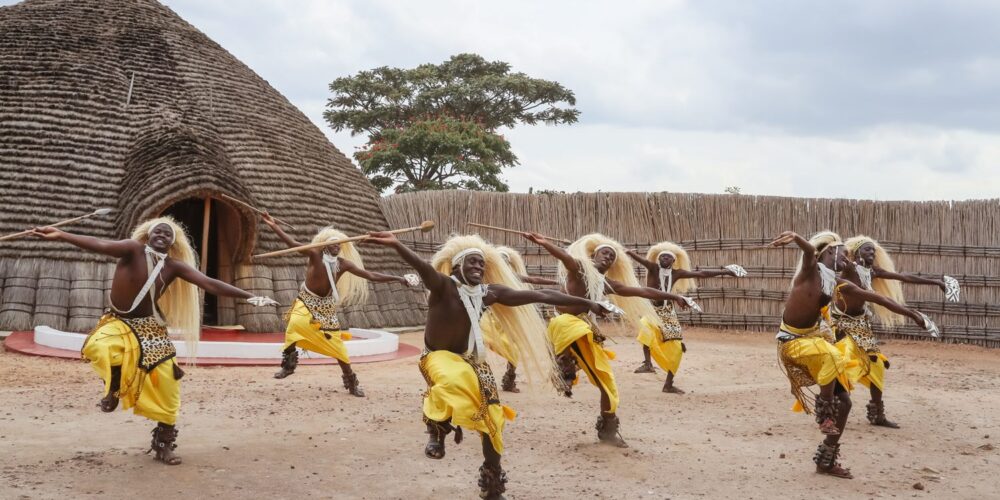

Rwanda Traditional Dance
Rwanda Traditional Dance: Culture, Music and Heritage
Rwanda traditional dance provides a powerful expression of the country’s cultural identity. Dance combines movement, music, storytelling, and community celebration.
Rwandan traditional performances often feature energetic movements and rhythmic drumming. Different dances have developed around ceremonies, social events, and cultural traditions.
Today, visitors can experience these performances at cultural centers and during special events. They offer an engaging way to discover Rwanda beyond its famous mountain gorillas.
The Importance of Dance in Rwandan Culture
Dance has played an important role in Rwandan society for generations. Communities used performances during celebrations, ceremonies, and important social occasions.
Traditional dance can communicate history and cultural values. Performers use movement, rhythm, costumes, and music to tell stories.
Dance also creates a strong connection between generations. Older performers pass knowledge to younger dancers through practice and cultural events.
The Famous Intore Dance
The Intore dance remains one of Rwanda’s best-known traditional performances. The word “Intore” refers to selected or elite performers.
Dancers traditionally perform with impressive energy and coordinated movements. Male dancers often wear grass wigs and carry spears or shields during performances.
Their movements can represent strength, bravery, and warrior traditions. The performance combines dramatic gestures with rhythmic music and singing.
The Intore dance has become an important cultural experience for visitors to Rwanda.
Traditional Rwandan Drumming
Drums play a central role in many Rwandan cultural performances. Their rhythms provide the foundation for dancers and singers.
Traditional drumming requires coordination and skill. Performers use different rhythms to create powerful musical patterns.
The Ingoma, a traditional drum, holds particular cultural significance. Drumming can accompany dances, ceremonies, celebrations, and other community events.
Traditional Clothing and Dance
Costumes add color and meaning to Rwanda traditional dance. Performers often wear clothing inspired by traditional Rwandan styles.
Women may wear colorful wraps and accessories. Male Intore dancers often appear with distinctive grass costumes and traditional weapons.
These costumes help audiences understand the historical themes behind different performances.
Where to Experience Traditional Dance in Rwanda
Visitors can experience traditional performances in several parts of Rwanda. Kigali offers some of the easiest opportunities through cultural centers and organized performances.
The Iby’Iwacu Cultural Village near Volcanoes National Park also provides cultural experiences. Visitors can learn about traditional life while meeting community members.
Cultural performances can also appear during festivals and national celebrations. These events provide opportunities to experience dance within a broader community setting.
Why Experience Rwanda Traditional Dance?
A Rwanda traditional dance experience adds cultural depth to a safari or gorilla trekking holiday. It allows travelers to connect with local heritage through music and movement.
The performances also support cultural preservation. Responsible tourism can provide income for performers and communities while keeping traditions visible.