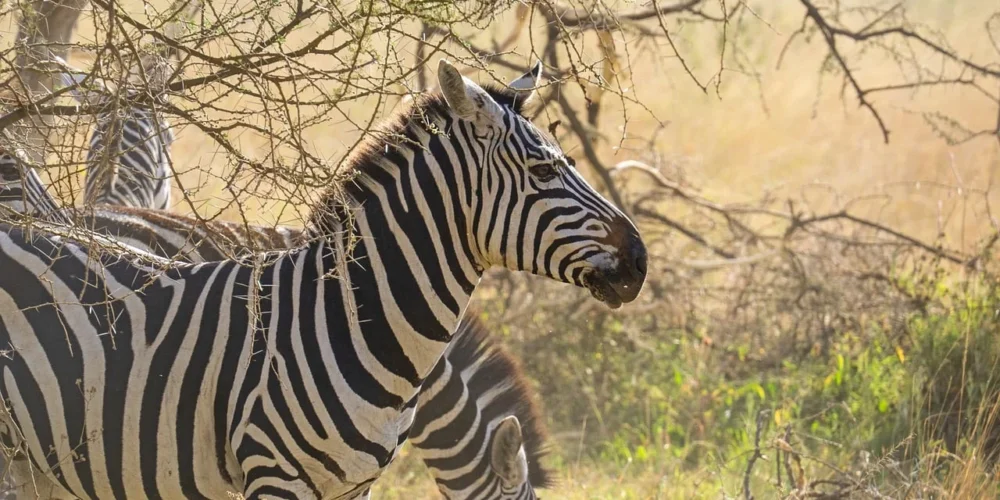

Ngorongoro Crater vs Serengeti: Which Safari Destination Is Better?
Ngorongoro Crater vs Serengeti: Which Safari Destination Is Better?
Tanzania is home to some of Africa’s most remarkable wildlife destinations, but two places stand above the rest: the Ngorongoro Crater and Serengeti National Park. Both destinations form part of the famous northern Tanzania safari circuit and offer incredible opportunities to experience Africa’s wildlife.
Many travelers struggle to choose between the two because both destinations provide unforgettable game viewing. The Serengeti is famous for its endless plains, massive wildlife populations, and the Great Migration. The Ngorongoro Crater is known for its dramatic volcanic landscape, high concentration of animals, and the rare opportunity to see many species within a single day.
Although they are located close to each other, the safari experience differs significantly. The Serengeti offers a vast wilderness adventure where animals move freely across thousands of kilometers. The Ngorongoro Crater provides a compact wildlife experience inside one of the world’s most extraordinary natural landscapes.
The best choice depends on your travel style, available time, wildlife interests, and the type of safari atmosphere you want.
Serengeti National Park: The Endless Plains of Tanzania
Serengeti National Park covers approximately 14,750 square kilometers in northern Tanzania. It represents one of the largest and most famous wildlife ecosystems on Earth.
The name “Serengeti” comes from the Maasai word “Siringet,” meaning “endless plains.” The description perfectly captures the park’s landscape, where golden grasslands stretch across the horizon and support some of Africa’s largest wildlife populations.
The Serengeti is best known as the home of the Great Migration. Every year, more than one million wildebeest, alongside hundreds of thousands of zebras and gazelles, move across the ecosystem following seasonal rains and fresh grazing areas.
However, the Serengeti offers much more than migration. The park supports large populations of lions, elephants, leopards, cheetahs, buffaloes, giraffes, hyenas, and many other species throughout the year.
Its enormous size creates a feeling of true wilderness. Visitors can spend days exploring different regions of the park, from the central Seronera Valley to the remote northern and western areas.
Ngorongoro Crater: Tanzania’s Natural Wildlife Sanctuary
The Ngorongoro Crater is one of Africa’s most unique safari destinations. Located within the Ngorongoro Conservation Area, this ancient volcanic caldera covers approximately 260 square kilometers and reaches depths of more than 600 meters.
The crater formed millions of years ago after a massive volcanic eruption caused the mountain to collapse inward. Today, the enclosed landscape creates a natural sanctuary where thousands of animals live.
The crater floor contains grasslands, forests, wetlands, and a permanent water supply. This combination supports an incredible concentration of wildlife within a relatively small area.
Visitors can often see elephants, lions, buffaloes, hippos, zebras, wildebeest, and hyenas during a single game drive. The crater also protects one of Tanzania’s remaining populations of black rhinos.
Unlike the Serengeti, where wildlife moves across vast distances, the Ngorongoro Crater offers a more concentrated safari experience. Many travellers describe it as a place where every moment feels rewarding because animals are easier to locate.
Wildlife Viewing: Ngorongoro Crater vs. Serengeti
Both destinations offer exceptional wildlife viewing, but the experience differs because of their landscapes.
The Serengeti provides a classic African safari atmosphere. The open plains allow visitors to watch predators hunt, large herds move across the landscape, and animals interact naturally within a vast ecosystem.
The park is especially famous for predator sightings. Lions are abundant, and visitors have excellent chances of seeing cheetahs, leopards, and hyenas.
The Serengeti also provides some of the best opportunities to witness natural behaviors. Watching thousands of animals move across the plains during migration creates a powerful connection with nature.
The Ngorongoro Crater offers a different advantage. Its enclosed environment creates one of the highest wildlife concentrations in Africa. Visitors can often see many species within a short game drive.
The crater provides excellent chances of seeing the Big Five, including lions, elephants, buffaloes, leopards, and black rhinos. The unique landscape also makes photography extremely rewarding.
For overall wildlife density, the Ngorongoro Crater has an advantage. For variety, scale, and natural behavior, the Serengeti remains unmatched.
The Great Migration Experience
The Great Migration is one of the biggest differences between Serengeti and Ngorongoro.
The Serengeti forms the center of this spectacular wildlife movement. Millions of wildebeest and zebras spend most of the year within the Serengeti ecosystem.
From January to March, the southern Serengeti and Ndutu region become important calving grounds. Thousands of young wildebeest are born during this period, attracting predators such as lions, cheetahs, and hyenas.
Between April and June, herds begin moving north through the Serengeti before eventually reaching Kenya’s Maasai Mara.
The Ngorongoro Crater does not host the Great Migration. However, some migrating animals pass through the wider Ngorongoro Conservation Area before continuing their journey.
If witnessing the Great Migration is your main goal, the Serengeti is the clear choice.
Landscape and Scenery
The landscapes of Serengeti and Ngorongoro create completely different safari experiences.
The Serengeti offers endless horizons, golden grasslands, scattered acacia trees, and dramatic sunsets. The sheer size of the landscape creates a feeling of freedom and adventure.
The park contains different habitats, including woodlands, rivers, rocky kopjes, and open plains. Each area supports unique wildlife experiences.
The Ngorongoro Crater provides one of the most dramatic landscapes in Africa. Standing at the crater rim and looking down into the vast caldera creates an unforgettable first impression.
Inside the crater, visitors experience a natural amphitheater filled with wildlife. The combination of volcanic walls, grasslands, and animals creates incredible photography opportunities.
For dramatic scenery, the Ngorongoro Crater is difficult to beat. For vast wilderness beauty, the Serengeti offers a more expansive experience.
Safari Duration and Experience
The size of each destination influences how long visitors should spend there.
The Ngorongoro Crater can deliver excellent wildlife viewing within one full-day game drive. Its compact size makes it ideal for travellers with limited time.
Many visitors spend one night near the crater before descending for a morning or afternoon safari.
The Serengeti requires more time because of its size. A short visit can still provide excellent sightings, but spending two to four nights allows travelers to explore different regions and experience the park fully.
The longer stay also increases opportunities to witness unique wildlife behavior and discover less crowded areas.
For short safari itineraries, Ngorongoro offers impressive results quickly. For deeper exploration, Serengeti provides more rewards.
Accommodation Options
Both destinations offer excellent accommodation experiences.
The Serengeti provides a wide range of safari camps and lodges across different regions. Mobile camps follow wildlife movements during the Great Migration, allowing guests to stay close to major animal activity.
Luxury lodges and comfortable tented camps provide excellent service while maintaining a strong connection with nature.
The Ngorongoro area offers lodges positioned along the crater rim, providing spectacular views into the caldera. Many properties combine comfort with breathtaking scenery.
Because accommodation sits above the crater, guests often enjoy sunrise and sunset views overlooking the wildlife below.
Both destinations offer memorable stays, but the Serengeti provides more variety because of its larger size.
Crowds and Exclusivity
Visitor numbers can influence the safari experience.
The Serengeti receives many travelers, especially during the Great Migration season. However, its enormous size allows visitors to escape busy areas by exploring less visited regions.
The northern Serengeti and western areas often provide quieter experiences compared with central areas.
The Ngorongoro Crater experiences higher vehicle concentration because all visitors enter the same limited area. During peak seasons, popular wildlife locations can become busy.
However, the concentration of animals often makes the experience worthwhile.
Travellers seeking solitude may prefer the Serengeti, while those prioritising guaranteed wildlife sightings may appreciate the Ngorongoro Crater.
Ngorongoro Crater vs Serengeti: Which One Is Better?
Choosing between the Serengeti and Ngorongoro Crater depends on your safari goals.
The Serengeti is the better choice for travellers who want endless landscapes, the Great Migration, predator sightings, and a true wilderness experience.
The Ngorongoro Crater is ideal for visitors seeking incredible wildlife density, dramatic scenery, and the chance to see many species within a short period.
However, the best experience comes from visiting both. The two destinations complement each other perfectly and form the foundation of Tanzania’s most famous safari route.
A classic northern Tanzania safari usually combines Tarangire National Park, Ngorongoro Crater, and Serengeti National Park. This combination offers elephants, volcanic landscapes, Big Five sightings, and the endless plains of Africa.
Plan Your Safari
A Serengeti and Ngorongoro safari provides one of the most complete wildlife experiences in Africa. The journey combines breathtaking landscapes, incredible animal encounters, and unforgettable moments in the heart of Tanzania.
Whether you choose the endless plains of the Serengeti or the wildlife-rich Ngorongoro Crater, both destinations showcase the beauty and power of Africa’s natural world.
For travellers looking for the ultimate Tanzania safari, combining both destinations creates the perfect balance between wilderness, scenery, and wildlife viewing.