
Little Five Africa
Little Five Africa: Small Animals Behind the Big Five
The Little Five Africa offer an interesting twist on the famous Big Five. These smaller creatures share names or characteristics associated with Africa’s most famous large mammals.
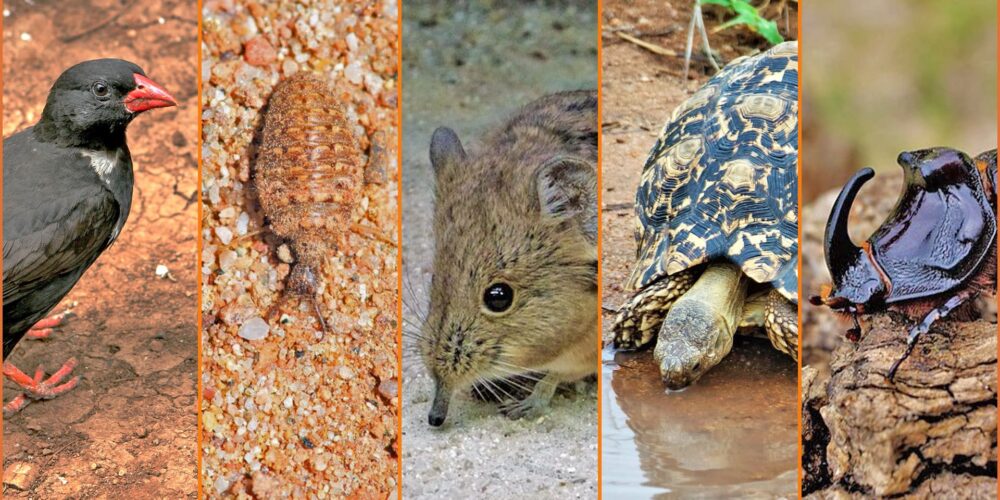
The Little Five include the elephant shrew, buffalo weaver, rhinoceros beetle, antlion, and leopard tortoise. They may lack the size of the Big Five, but they offer fascinating wildlife encounters.
What Are the Little Five in Africa?
The Little Five represent five small African species with names linked to the Big Five.
The elephant shrew connects with the elephant because of its long, trunk-like nose. The buffalo weaver takes its name from its association with African buffalo.
The rhinoceros beetle has a horn-like structure. The antlion earns its name from its predatory behavior.
The leopard tortoise carries beautifully patterned markings that resemble those of a leopard.
Elephant Shrew
The elephant shrew is a small insect-eating mammal. Its long nose gives it an unusual appearance.
Despite its name, it is not closely related to elephants. It uses its sensitive nose to locate insects and other small food items.
Elephant shrews move quickly and often remain difficult to spot. Patient safari travelers can sometimes find them moving through vegetation.
Buffalo Weaver
Buffalo weavers are social birds that often build large communal nests. They received their name from their association with buffalo and other large herbivores.
The birds can appear around open woodland and savannah environments. Their behavior adds interest to birdwatching during game drives.
Rhinoceros Beetle
The rhinoceros beetle gets its name from its prominent horn. Male beetles use the horn during competition with other males.
These insects contribute to ecosystem health by helping break down organic material. Their small size makes them easy to overlook during safari.
Antlion
Antlions are fascinating insects known for their unusual hunting strategy. Their larvae create cone-shaped pits in loose sand.
Small insects can fall into these traps. The antlion then captures its prey from beneath the sand.
Finding an antlion pit can turn an ordinary walk into an exciting discovery.
Leopard Tortoise
The leopard tortoise has a beautifully patterned shell. The markings resemble the spots of a leopard.
These tortoises inhabit grasslands, savannahs, and other dry environments. They feed mainly on grasses, plants, and other vegetation.
They move slowly but can cover surprising distances over time.
Where to See the Little Five
You can potentially find the Little Five Africa across many savannah and woodland ecosystems.
Kenya, Tanzania, Uganda, Botswana, Namibia, South Africa, and Zimbabwe offer excellent wildlife habitats.
Guided walking safaris can provide better opportunities to spot smaller species. Experienced guides know where to search and what signs to follow.
Why Look for the Little Five?
Searching for the Little Five encourages closer observation. Travelers start noticing tracks, insects, birds, plants, and small mammals.
This creates a richer safari experience. Africa’s ecosystems depend on creatures of every size.