
Gorilla Trekking for Photographers
Gorilla Trekking for Photographers: Essential Camera Gear and Equipment Guide
Gorilla trekking offers one of the world’s most rewarding wildlife photography experiences. Walking through dense rainforests before standing face-to-face with mountain gorillas creates opportunities to capture powerful and emotional images that few photographers ever experience.
However, photographing gorillas requires more preparation than a typical safari. The rainforest presents unique challenges, including low light, high humidity, muddy trails, and constantly changing weather conditions. Every piece of equipment you carry should help you work efficiently without slowing you down during the trek.
Choosing the right photography gear can make a significant difference. A lightweight camera, versatile lens, waterproof protection, and reliable accessories allow you to focus on the gorillas instead of worrying about your equipment.
Whether you are a professional wildlife photographer or an enthusiastic beginner, packing the right gear will improve your experience and help you return home with exceptional photographs.
Why Camera Gear Matters During Gorilla Trekking
Mountain gorillas live in dense tropical forests where lighting changes quickly. Thick vegetation blocks sunlight, while mist and rain create additional challenges throughout the trek.
Unlike animals on open plains, gorillas often move through shaded areas. Photographers must therefore react quickly to changing conditions while maintaining proper camera settings.
The trek itself also requires physical effort. Carrying unnecessary equipment can become exhausting during long hikes over steep and muddy terrain.
Choosing practical gear allows photographers to remain comfortable while staying ready for every wildlife encounter.
Best Camera for Gorilla Trekking
Mirrorless and DSLR cameras both perform exceptionally well during gorilla trekking. Modern mirrorless cameras attract many photographers because they combine excellent image quality with lighter weight.
A full-frame camera performs particularly well in the low-light conditions of the rainforest. Larger sensors generally produce cleaner images at higher ISO settings.
Crop-sensor cameras also produce outstanding results. They offer excellent image quality while reducing the overall size and weight of your equipment.
Beginners should choose a camera they already understand. Familiar equipment helps photographers react quickly during the limited viewing time.
DSLR or Mirrorless Camera?
Both camera systems offer excellent performance. Your decision should depend on personal preference rather than assuming one system always performs better.
Mirrorless cameras generally weigh less and provide electronic viewfinders that preview exposure before taking the photograph. Many photographers appreciate this advantage in changing forest light.
DSLR cameras continue to deliver excellent autofocus and image quality. Many wildlife photographers still rely on DSLR systems for demanding conditions.
Whichever system you choose, practice extensively before your safari. Confidence with your equipment matters more than owning the newest camera.
Best Lens for Gorilla Photography
A versatile zoom lens remains the best choice for gorilla trekking. A lens within the 70–200mm range provides flexibility for portraits and wider compositions.
Sometimes gorillas remain farther away, while other times they approach naturally. A zoom lens allows photographers to adjust framing without changing lenses.
A standard zoom lens such as 24–70mm also works well when gorillas move close to the trekking group. This lens captures environmental portraits that include the surrounding rainforest.
Avoid carrying several heavy lenses. Frequent lens changes inside humid forests increase the risk of moisture and dust entering your equipment.
Should You Bring a Telephoto Lens?
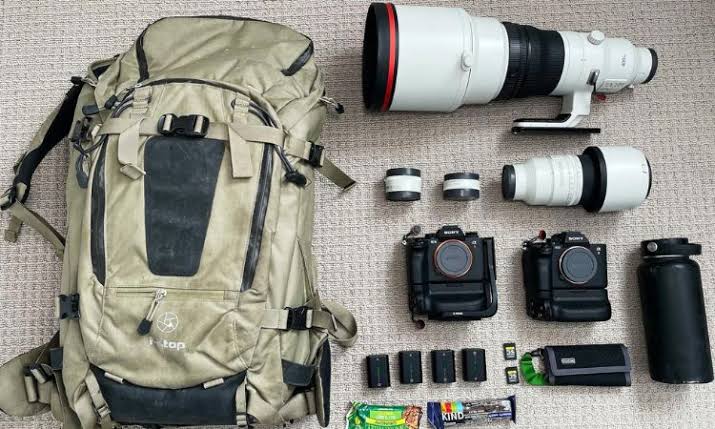
A large telephoto lens may seem attractive for wildlife photography, but it often becomes unnecessary during gorilla trekking.
Park regulations require visitors to maintain a safe viewing distance. However, gorillas frequently move closer on their own, making extremely long focal lengths less useful.
Heavy telephoto lenses also add significant weight during the hike. Carrying oversized equipment can reduce your comfort and mobility.
A medium telephoto zoom usually provides enough flexibility without becoming difficult to carry.
Wide-Angle Lens for Gorilla Trekking
A wide-angle lens allows photographers to include more of the rainforest environment. These images tell a broader conservation story by showing the gorillas within their natural habitat.
Environmental portraits often create more powerful storytelling than close-up images alone. Ancient trees, vines, and misty vegetation add context and atmosphere.
Use wide-angle lenses carefully. Never move closer than park regulations allow simply to achieve a wider composition.
Respectful photography always takes priority over creative framing.
Extra Camera Batteries
Cold mornings, high humidity, and continuous autofocus can reduce battery life during gorilla trekking. Carry several fully charged batteries before entering the forest.
Mirrorless cameras often consume battery power more quickly than DSLR cameras. Extra batteries therefore become even more important.
Keep spare batteries inside a dry pocket to protect them from moisture. Warm storage can also improve battery performance.
Recharge everything each evening before the next safari activity.
Memory Cards
Carry several high-quality memory cards instead of relying on a single large card. Multiple cards reduce the risk of losing all your photographs if one card fails.
Fast memory cards also improve camera performance during continuous shooting. Wildlife photography often benefits from capturing several frames in quick succession.
Store used memory cards safely after the trek. Waterproof card cases provide excellent protection.
Avoid deleting photographs in the field. Wait until you have safely backed up your images.
Waterproof Camera Protection
Rain can begin suddenly inside tropical rainforests. Waterproof protection should always form part of your camera gear.
A dedicated rain cover protects your camera while allowing continued photography during light showers. Waterproof dry bags also provide excellent protection between photography sessions.
Carry microfiber cloths to remove moisture from lenses. Moisture can reduce image quality if left on the glass.
Protecting your equipment helps prevent expensive damage and keeps your camera ready throughout the safari.
Camera Backpack for Gorilla Trekking
Choose a comfortable backpack designed for hiking rather than a large studio camera bag. Long treks become much easier when your equipment fits securely and comfortably.
Padded shoulder straps and waist support help distribute weight evenly. Comfortable carrying systems reduce fatigue during steep climbs.
Water-resistant materials also provide extra protection against sudden rain. Internal compartments keep cameras and lenses organized while walking.
Leave unnecessary accessories at your lodge. Carry only what you expect to use.
Lens Cleaning Kit
Rainforests expose camera lenses to moisture, fingerprints, dust, and water droplets. A simple cleaning kit helps maintain image quality throughout the trek.
Carry a microfiber cloth, blower, and lens cleaning solution. These lightweight items occupy very little space while providing significant benefits.
Clean your lens carefully before reaching the gorillas. Sharp images depend on clean glass.
Avoid cleaning lenses aggressively inside dusty environments. Gentle maintenance works best.
Tripods and Monopods
Most photographers do not need a tripod during gorilla trekking. Carrying one through steep rainforest trails often creates unnecessary inconvenience.
Tripods also take time to set up. Gorilla behavior changes quickly, making handheld photography much more practical.
Some photographers prefer a lightweight monopod for additional stability. However, many visitors find modern image stabilization sufficient.
Always follow your guide’s instructions regarding photography equipment inside the forest.
Camera Straps
A comfortable camera strap reduces fatigue during long hikes. Cross-body straps distribute weight more evenly than traditional neck straps.
Secure straps also prevent accidental drops when climbing over uneven terrain. Gorilla trekking often requires careful footing through muddy sections.
Choose adjustable straps that allow quick access to your camera. Fast access helps capture spontaneous wildlife moments.
Comfort matters just as much as security during extended treks.
Smartphone Photography Gear
Many travelers prefer photographing gorillas with smartphones. Modern devices produce impressive images when used correctly.
Carry a waterproof phone pouch to protect your device from rain. A portable power bank also provides additional battery life.
Clean the camera lens before entering the forest. This simple step significantly improves image quality.
Hold your phone steadily and avoid excessive digital zoom. Natural framing often produces sharper photographs.
Portable Power Bank
Power banks help recharge phones, cameras, and accessories while traveling between destinations. Long safari days sometimes limit charging opportunities.
Choose a lightweight power bank with sufficient capacity for your devices. Fast-charging models provide additional convenience.
Keep charging cables organized inside waterproof storage. This prevents unnecessary delays when recharging equipment.
Fully recharge your power bank each evening whenever possible.
Waterproof Clothing for Photographers
Photographers spend more time standing still while waiting for wildlife behavior. Waterproof clothing therefore becomes essential during unexpected rain.
A lightweight waterproof jacket protects both you and your camera. Waterproof trousers can also improve comfort during wet conditions.
Choose breathable materials whenever possible. Comfortable clothing allows photographers to remain focused for longer periods.
Neutral-colored clothing also blends naturally into the rainforest environment.
Gloves for Gorilla Trekking
Lightweight gloves protect your hands while climbing over roots and holding vegetation for balance. They also improve comfort during muddy sections.
Choose gloves that still allow easy camera operation. Bulky gloves can make adjusting camera controls more difficult.
Some photographers carry fingerless gloves for greater flexibility. This option combines protection with camera control.
Comfortable hands help photographers react more confidently during wildlife encounters.
Hiking Boots for Photographers
Photography equipment becomes much easier to manage when your footwear provides excellent grip. Waterproof hiking boots help photographers move safely through muddy trails.
Choose boots with strong ankle support because rainforest paths often become uneven. Comfortable footwear also reduces fatigue during long treks.
Break in new boots before traveling. Wearing brand-new hiking boots on trekking day may cause discomfort.
Dry your boots thoroughly after each trek whenever possible.
Dry Bags for Camera Equipment
Dry bags offer excellent protection during heavy rain or river crossings. Many photographers use them as an additional protective layer inside camera backpacks.
Small dry bags also organize batteries, memory cards, and accessories. Organized equipment saves valuable time during photography.
Choose lightweight waterproof bags that compress easily inside your backpack.
Reliable protection allows photographers to concentrate on wildlife rather than weather.
What Not to Pack
Avoid carrying unnecessary lenses, oversized tripods, or excessive accessories. Heavy equipment quickly becomes uncomfortable during long forest hikes.
Leave drone equipment at home because national parks prohibit drone use around mountain gorillas. Respecting wildlife regulations remains essential.
Avoid bringing equipment that you have never used before. Gorilla trekking does not provide the ideal opportunity to learn unfamiliar gear.
Pack efficiently and prioritize versatility over quantity.
Camera Gear Checklist for Gorilla Trekking
Before leaving your lodge, confirm that you have packed everything you need. Your essential photography gear should include:
A reliable camera body with a versatile zoom lens provides the foundation of your equipment. Carry fully charged batteries, multiple memory cards, waterproof protection, and lens cleaning supplies.
Include a comfortable backpack, microfiber cloths, waterproof clothing, hiking boots, gloves, a portable power bank, and protective dry bags.
Keep your equipment as light as possible while ensuring you have everything necessary for changing weather and lighting conditions.
Photography Tips Beyond Camera Gear
Excellent photography depends on more than equipment. Learn your camera settings before traveling so you can adjust quickly inside the rainforest.
Focus on gorilla behavior rather than taking hundreds of similar portraits. Mothers with infants, playful juveniles, and powerful silverbacks often create the strongest storytelling images.
Take time to observe before pressing the shutter. Patience often rewards photographers with unique moments that rushed visitors never notice.
Finally, remember that the experience itself matters just as much as the photographs. Put your camera down occasionally and simply enjoy the privilege of sharing space with mountain gorillas.
Plan Your Gorilla Photography Safari
The right camera gear allows photographers to capture extraordinary images while remaining comfortable throughout the trek. Lightweight equipment, reliable protection, versatile lenses, and thoughtful preparation all contribute to a successful photography safari.
Uganda and Rwanda both offer exceptional opportunities to photograph mountain gorillas in their natural habitat. Every trek presents different lighting, behavior, and scenery, making each experience completely unique.
Prepare your equipment before arriving, practice with your camera regularly, and follow every instruction from your guides and park rangers. Respect for wildlife should always guide every photography decision.
With careful planning and the right gear, your gorilla trekking adventure will reward you with remarkable photographs and unforgettable memories that last a lifetime.