
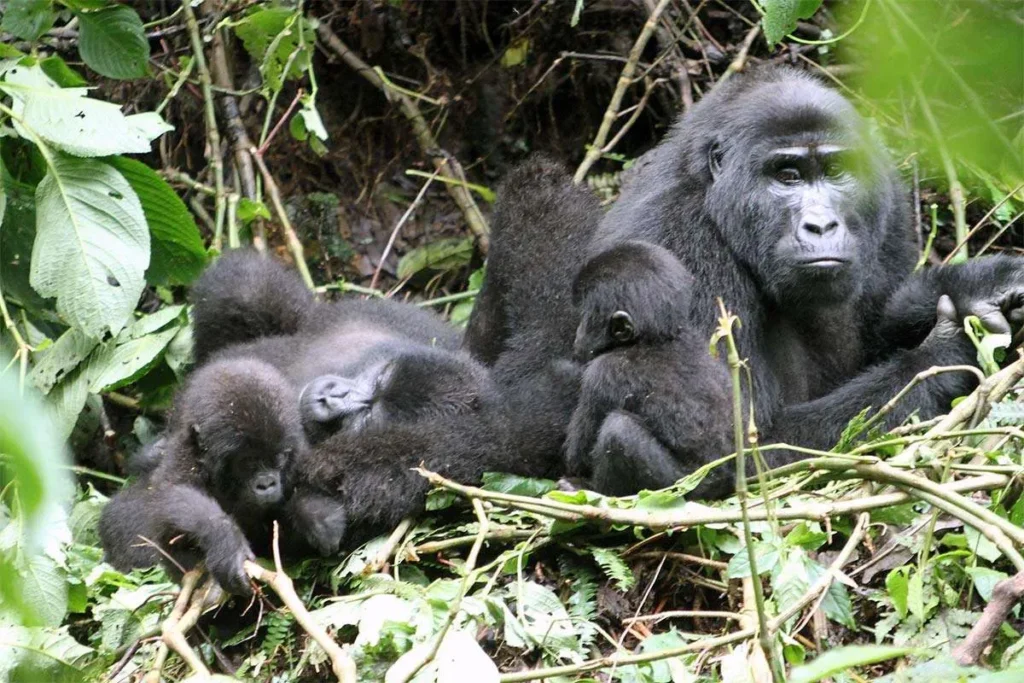
Nshongi Gorilla Family in Bwindi
Nshongi Gorilla Family in Bwindi: History, Location and Trekking Guide The Nshongi Gorilla Family holds an important place…
Read article →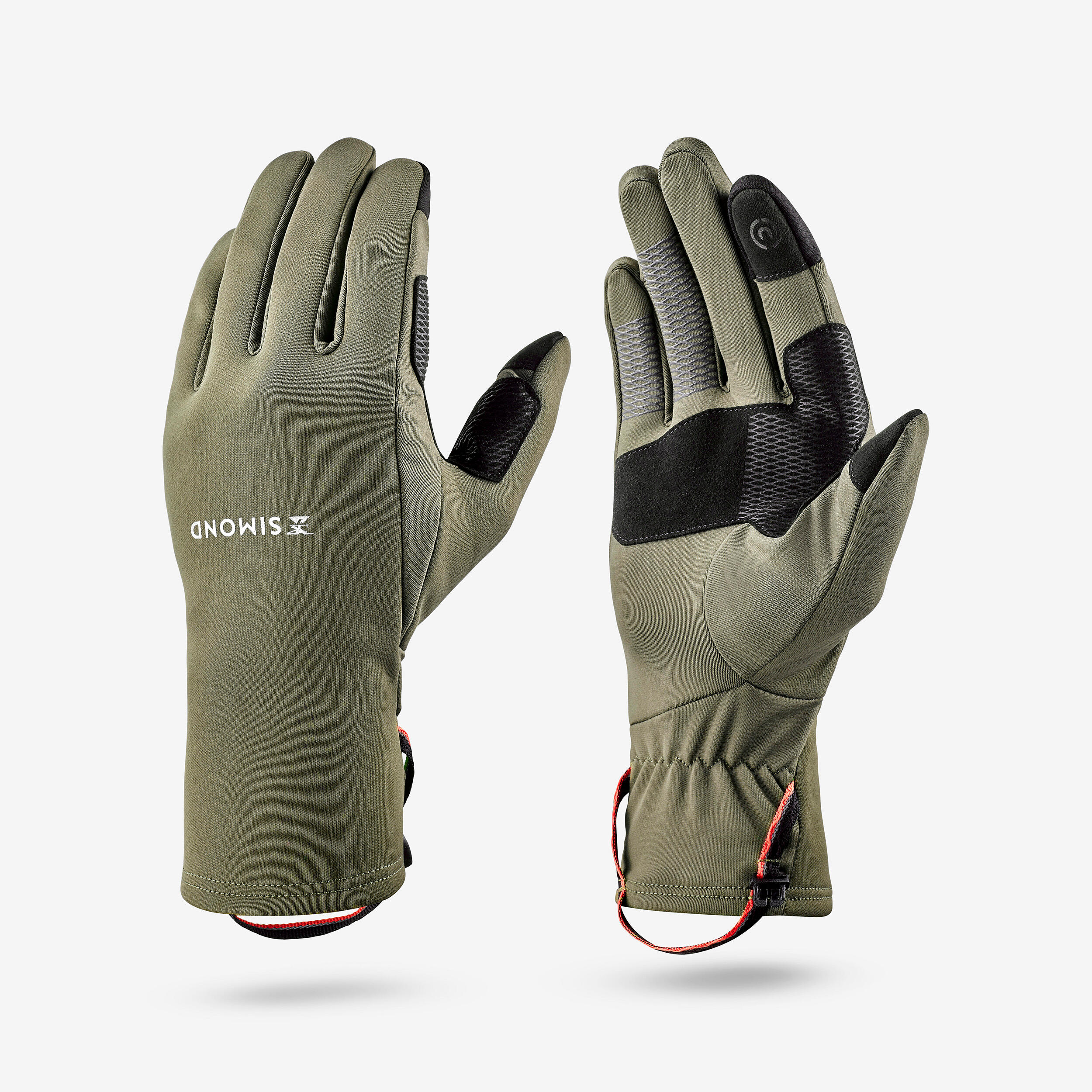
Travel Guide
Gorilla trekking takes you deep into dense mountain forests where trails can become narrow, steep, muddy, and overgrown. Travelers often focus on hiking boots and rain jackets, but gloves also deserve a place on the packing…
Gorilla trekking takes you deep into dense mountain forests where trails can become narrow, steep, muddy, and overgrown. Travelers often focus on hiking boots and rain jackets, but gloves also deserve a place on the packing list.
The forest contains thorny plants, stinging nettles, rough vegetation, and branches that can scratch exposed skin. You may need to hold vegetation for balance while walking through difficult sections of the trail.
A good pair of trekking gloves protects your hands without limiting movement. The right gloves should feel comfortable, provide a secure grip, and protect your skin from nettles and other vegetation.
Gorilla trekking does not follow a smooth hiking trail throughout the entire experience. Guides and trackers may take you through thick vegetation to reach the gorilla family.
You may need to push branches aside, hold plants while climbing, or steady yourself on steep ground. Wet vegetation can also make the forest floor and surrounding plants slippery.
Gloves provide a useful barrier between your hands and the vegetation. They also help protect your palms when you use branches for support.
Yes. Stinging nettles and other irritating plants can occur in the forests where gorilla trekking takes place.
You may encounter vegetation that causes temporary skin irritation when it touches exposed hands and arms. The exact plants you encounter depend on the trekking route, season, altitude, and location.
You should therefore prepare for contact with vegetation rather than assume that every trail will remain clear.
Some plants can cause itching, stinging, redness, or temporary irritation when they touch the skin.
The discomfort may become particularly frustrating during a long trek because you continue using your hands to climb or move through vegetation.
Gloves provide a simple layer of protection. They reduce direct skin contact and allow you to move through dense vegetation with greater confidence.
The best gorilla trekking gloves should provide protection while remaining lightweight and flexible.
Look for gloves designed for hiking, gardening, trail work, or outdoor activities. A good pair should cover your hands completely without feeling bulky.
Choose gloves with a textured palm if possible. This feature can improve your grip when you hold trekking poles, branches, or other stable surfaces.
Lightweight hiking gloves work well for most gorilla trekking conditions.
They provide a layer of protection without making your hands feel hot or restricted. You can also keep them in your daypack when you do not need them.
Choose breathable fabric that dries reasonably quickly after getting wet.
Avoid very thick winter gloves unless you plan to travel in particularly cold conditions after your trek.
Gardening gloves can provide excellent protection against nettles and rough vegetation.
Many gardening gloves use flexible materials with reinforced palms and fingers. These features can protect your hands while allowing you to grip vegetation.
Choose a lightweight pair rather than thick heavy-duty gloves.
Your gloves should allow you to move your fingers easily, especially when taking photographs or handling trekking equipment.
Leather gloves provide strong protection against scratches and rough vegetation.
However, they can become heavy and uncomfortable when they get wet. They also take longer to dry compared with many synthetic gloves.
For gorilla trekking, lightweight synthetic or fabric gloves often provide a better balance between protection and comfort.
If you prefer leather, choose a lightweight hiking model designed for outdoor use.
Waterproof gloves can help during heavy rain, but you do not necessarily need fully waterproof gloves.
Your hands may become warm and sweaty inside waterproof gloves during strenuous climbs.
A quick-drying, water-resistant glove often provides enough protection for most travelers.
If you expect prolonged rainfall, consider carrying a lightweight waterproof over-glove as an additional layer.
A glove that protects your hands but provides poor grip can create problems during steep sections.
Look for palms with textured surfaces that improve traction.
Good grip helps when you use trekking poles or hold stable vegetation for support.
Avoid very smooth gloves that become slippery when wet.
Yes. Gloves can make trekking poles more comfortable, especially during long walks.
They reduce friction between your hands and the pole handles. They also provide additional protection if you need to grab vegetation unexpectedly.
Choose gloves that fit closely around your fingers and palm.
Loose gloves can interfere with your grip and become uncomfortable during steep climbs.
Gloves provide some physical protection from insects, although they do not replace insect repellent.
They cover your hands and wrists, reducing exposed skin.
Apply insect repellent to other exposed areas according to the product instructions.
A long-sleeved trekking shirt can provide additional protection around your arms.
You can wear gloves during the hike, but you should follow your guide’s instructions when you reach the gorilla family.
The main purpose of trekking gloves involves protecting your hands from vegetation and terrain.
Never use gloves as a reason to touch a gorilla.
You must never attempt physical contact with the animals, even if a gorilla approaches you.
Yes. Gloves can protect your hands when you move branches or vegetation.
However, avoid damaging plants unnecessarily. Move vegetation gently and follow the trail created by your guides whenever possible.
Do not break branches simply to create a better path or photograph.
Responsible trekking protects both the gorillas and their forest habitat.
Carrying a spare pair can prove useful during wet-weather trekking.
Your gloves may become soaked after several hours in the forest. A dry replacement can make the remainder of the trek much more comfortable.
Keep the spare pair inside a waterproof bag.
This simple preparation takes very little space in your daypack.
Bwindi Impenetrable National Park contains dense vegetation and steep terrain.
Some trekking routes involve thick undergrowth, slippery slopes, and challenging climbs.
Lightweight gloves can protect your hands when you move through vegetation and use branches for balance.
Choose a pair with good grip and quick-drying material.
Mgahinga Gorilla National Park sits within the Virunga mountain landscape.
The terrain can become steep as you move through the forest and higher elevations.
A lightweight pair of hiking gloves can protect your hands while helping you maintain a comfortable grip.
Consider gloves with slightly warmer construction if you expect cool morning temperatures.
Volcanoes National Park also features steep volcanic terrain and dense vegetation.
Rain can make plants wet and trails slippery. Gloves can therefore provide protection while helping you maintain your grip.
A lightweight, breathable pair usually works well for most travelers.
Avoid gloves that feel too thick, stiff, or restrictive.
Heavy gloves can make it difficult to handle your camera, phone, trekking poles, or water bottle.
Avoid loose gloves that slide around your hands.
Also avoid gloves with smooth palms because they may provide poor grip when wet.
Your gloves should protect your hands without becoming another inconvenience.
Gloves work best as part of a complete trekking clothing system.
Wear long hiking trousers, a long-sleeved shirt, waterproof hiking boots, and a rain jacket.
Gaiters can provide additional protection against mud, wet vegetation, and debris.
Together, these items provide much better protection than gloves alone.
Your gloves should fit closely without squeezing your fingers.
You need enough space to move your fingers naturally, but the glove should not slide around when you grip something.
Try the gloves while holding trekking poles or another object similar to what you will use during your trek.
If you plan to wear a thin liner underneath, consider this when choosing the size.
Gloves are not always mandatory, but they provide useful protection.
Some travelers complete gorilla treks without gloves and experience no problems. Others prefer gloves because they dislike touching wet vegetation or have sensitive skin.
If you want to minimize contact with nettles and rough plants, carrying a lightweight pair makes sense.
They take very little space and can prove extremely useful when the trail becomes dense.
Gloves can make your gorilla trekking experience more comfortable, particularly when you encounter nettles, rough vegetation, branches, and muddy terrain.
Choose lightweight hiking or gardening gloves with good grip, flexible fingers, and quick-drying material. You do not need heavy winter gloves or expensive technical equipment.
A spare pair can also help if your first pair becomes wet.
Combine your gloves with proper hiking boots, long trousers, a long-sleeved shirt, and a waterproof jacket for better protection against the forest environment.
Most importantly, use your gloves to protect yourself from the vegetation, not to interact with the gorillas. Keep your distance, follow your guide’s instructions, and respect the forest throughout your trek.

Nshongi Gorilla Family in Bwindi: History, Location and Trekking Guide The Nshongi Gorilla Family holds an important place…
Read article →
Mishaya Gorilla Family in Bwindi: History, Trekking and What to Know The Mishaya Gorilla Family is one of…
Read article →
Semuliki Hot Springs Visit Guide: What to Expect Semuliki Hot Springs offers one of the most unusual natural…
Read article →
Kidepo Valley Remote Safari Guide: What to Expect Kidepo Valley National Park offers one of Uganda's most remote…
Read article →