
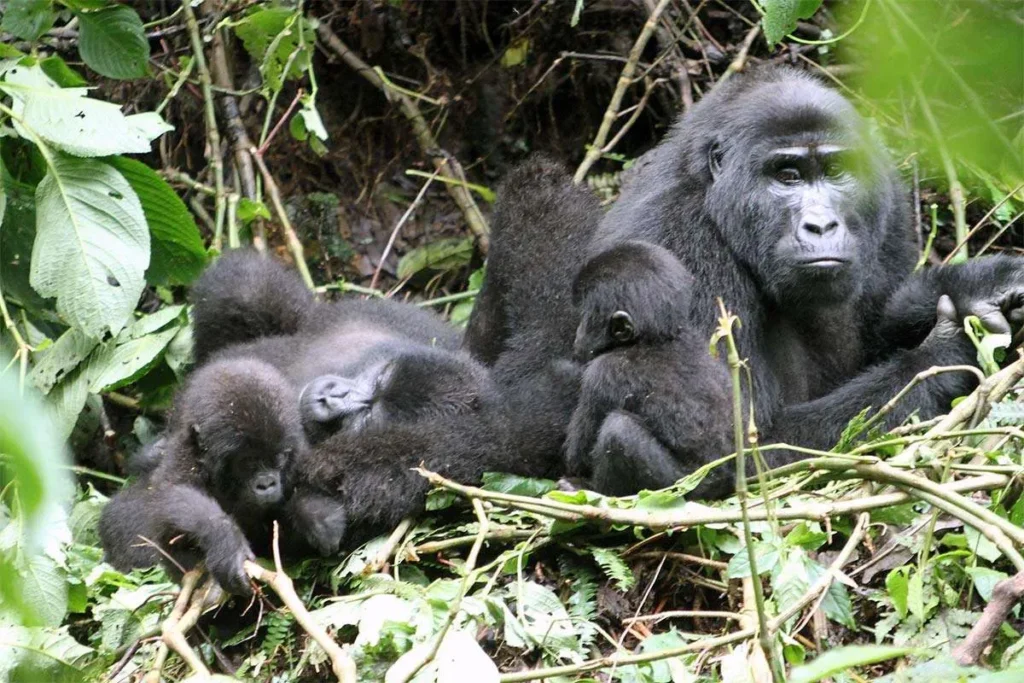
Nshongi Gorilla Family in Bwindi
Nshongi Gorilla Family in Bwindi: History, Location and Trekking Guide The Nshongi Gorilla Family holds an important place…
Read article →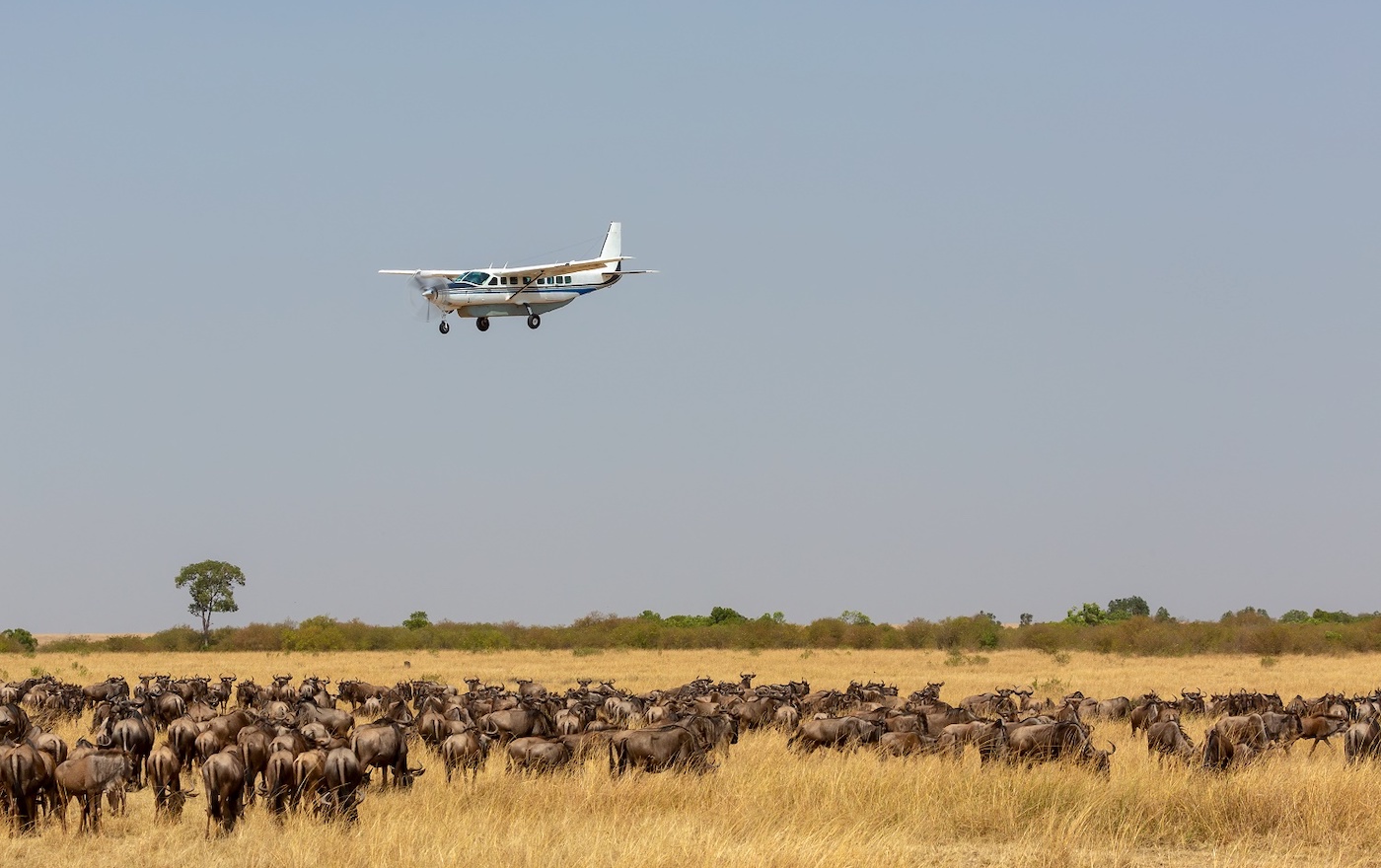
Travel Guide
Tanzania is one of Africa’s most iconic safari destinations, attracting travellers with its incredible wildlife, dramatic landscapes, and world-famous national parks. From the endless plains of the Serengeti to the volcanic beauty of the Ngorongoro Crater…
Tanzania is one of Africa’s most iconic safari destinations, attracting travellers with its incredible wildlife, dramatic landscapes, and world-famous national parks. From the endless plains of the Serengeti to the volcanic beauty of the Ngorongoro Crater and the elephant-rich landscapes of Tarangire National Park, Tanzania offers some of the best safari experiences in the world.
When planning a Tanzania safari, one of the biggest decisions travelers make is whether to choose a fly-in safari or a road safari. Both options provide incredible wildlife experiences, but they create very different journeys.
A road safari allows travelers to explore Tanzania’s landscapes slowly while connecting different national parks by vehicle. It offers opportunities to see local communities, enjoy scenic routes, and experience the journey between destinations.
A fly-in safari focuses on saving time and maximizing wildlife experiences. Travellers use domestic flights between parks, reducing long road transfers and allowing more time for game viewing, relaxation, and activities.
The best choice depends on your travel style, budget, available time, and the type of safari experience you want. Understanding the differences between fly-in and road safaris will help you choose the right Tanzania adventure.
A road safari is the traditional way of exploring Tanzania’s national parks. Travellers move between destinations using a safari vehicle, usually a four-wheel-drive Land Cruiser with a professional guide.
Most northern Tanzania road safaris follow the famous northern circuit, which includes destinations such as Tarangire National Park, Lake Manyara National Park, the Ngorongoro Crater, and Serengeti National Park.
The journey allows travellers to experience Tanzania beyond wildlife. Along the way, visitors see changing landscapes, rural villages, farming communities, and beautiful countryside.
Road safaris create a deeper connection with the destination because the journey becomes part of the adventure. Travellers experience the transition from busy towns to remote wilderness areas.
For first-time visitors to Tanzania, a road safari provides a classic African adventure that combines wildlife, scenery, and cultural encounters.
A fly-in safari uses small aircraft to connect different safari destinations instead of travelling long distances by road.
Tanzania has several airstrips located near major national parks, including Serengeti, Ruaha, Nyerere, Katavi, and other remote wilderness areas.
Travellers can fly from Arusha, Dar es Salaam, or Zanzibar, or between different parks, reducing travel time significantly.
A fly-in safari is especially popular among travellers who want to maximise their time in the wilderness. Instead of spending several hours driving between parks, guests arrive quickly and begin enjoying game drives.
This style of safari often combines with high-end lodges and private camps, creating a comfortable and exclusive wildlife experience.
Time is one of the biggest differences between fly-in and road safaris.
Tanzania’s national parks are spread across large distances. Driving between destinations can take several hours because roads pass through rural areas and protected landscapes.
For example, travelling from Arusha to Serengeti by road can take around seven to eight hours depending on the route and stops. The journey includes beautiful scenery, but it also requires a full day of travel.
A fly-in safari can reduce this journey to approximately one to two hours depending on the route and aircraft schedule.
This allows travellers to spend more time watching wildlife rather than sitting in a vehicle.
For visitors with limited holiday time, a fly-in safari provides a major advantage. Travellers with longer holidays often enjoy the slower pace of a road safari.
Both fly-in and road safaris offer excellent wildlife viewing, but the experience feels different.
A road safari provides flexibility because travelers can stop along the way, explore different areas, and adjust the schedule based on wildlife sightings.
Experienced guides can choose routes depending on recent animal movements, weather conditions, and park conditions. The journey itself also creates opportunities for unexpected wildlife encounters.
A fly-in safari places travelers closer to remote wildlife areas. Because less time goes into transportation, visitors often enjoy more game drives and longer stays inside parks.
Fly-in safaris also make it easier to reach remote destinations such as western Serengeti, southern Serengeti during calving season, Ruaha National Park, and Nyerere National Park.
Both options provide excellent wildlife experiences. The difference comes from how much time you spend travelling versus exploring.
Cost is one of the most important factors when choosing a safari style.
Road safaris are generally more affordable because transportation costs are shared between travellers using one safari vehicle. Accommodation options also range widely, allowing visitors to choose lodges and camps that match their budget.
A road safari provides excellent value because it combines transportation, guiding, and game drives in one package.
Fly-in safaris usually cost more because domestic flights, baggage arrangements, and transfers add extra expenses. Many fly-in safaris also use premium lodges located in remote areas.
However, the higher cost provides benefits such as shorter travel times, exclusive locations, and more time inside wildlife areas.
For travellers seeking value, a road safari is usually the better choice. For those prioritizing comfort and time efficiency, a fly-in safari can justify the additional investment.
Accommodation plays an important role in the difference between these safari styles.
Road safaris offer access to a wide range of lodges and camps. Travellers can stay near park entrances or inside conservation areas depending on their itinerary.
Popular destinations such as Serengeti and Ngorongoro provide many accommodation choices, from comfortable lodges to authentic tented camps.
Fly-in safaris often focus on remote safari camps that provide exclusive experiences. These properties are usually located in areas with fewer visitors, creating a stronger feeling of wilderness.
Many fly-in safari lodges offer personalized services, private dining experiences, and activities that go beyond traditional game drives.
Travellers who enjoy variety and flexibility may prefer road safari accommodation. Those seeking exclusivity often choose fly-in options.
A major advantage of road safaris is the opportunity to experience Tanzania’s landscapes and communities.
The drive between parks reveals the diversity of the country. Visitors see volcanic highlands, agricultural areas, Maasai communities, and changing ecosystems.
Stops along the way can include cultural visits, local markets, viewpoints, and conservation projects.
Fly-in safaris provide less exposure to these experiences because travelers move directly between airstrips and lodges.
However, they provide more time to enjoy the wilderness itself.
Travellers who value the journey as much as the destination usually enjoy road safaris. Those who want maximum time in nature often prefer flying between parks.
Fly-in safaris offer greater comfort, especially for travellers who do not enjoy long drives.
The flights reduce fatigue and create a smoother travel experience. This makes them ideal for older travellers, families with limited time, or visitors combining a safari with a beach holiday in Zanzibar.
Road safaris require more time inside a vehicle. Although modern safari vehicles provide comfort, long distances can become tiring.
However, many travellers appreciate the adventure of travelling through Tanzania by road because it creates a stronger sense of exploration.
The best option depends on whether you value convenience or the journey itself.
A road safari works well for travelers visiting Tanzania for the first time, photographers who enjoy exploring different landscapes, and visitors looking for a balanced safari experience.
It is also a great option for those combining several famous destinations, such as Tarangire, Ngorongoro Crater, and Serengeti.
A fly-in safari suits travellers with limited time, honeymooners, luxury travellers, and visitors who want to reach remote parks without long transfers.
It also works well for repeat safari visitors who want to explore less crowded destinations.
Both options provide unforgettable memories when planned correctly.
There is no single winner because both safari styles offer unique advantages.
A road safari is the best choice for travelers who want a complete Tanzania experience. It combines wildlife viewing, scenic journeys, cultural encounters, and excellent value.
A fly-in safari is ideal for travellers who want comfort, efficiency, and more time inside remote wilderness areas.
For many visitors, the perfect Tanzania safari combines both options. Travellers can begin with a road safari through the northern circuit and then fly to a remote destination for a more exclusive experience.
The right choice depends on your priorities, but both styles can create an unforgettable African adventure.
Choosing between a fly-in safari and a road safari in Tanzania depends on how you want to experience the country.
If you want to discover Tanzania slowly, enjoy scenic routes, and experience the classic safari journey, a road safari offers incredible value.
If you want to save time, explore remote parks, and enjoy a more exclusive experience, a fly-in safari provides excellent convenience.
Tanzania’s wildlife, landscapes, and conservation areas create unforgettable experiences regardless of how you travel. With proper planning, either safari style can deliver the adventure of a lifetime.

Nshongi Gorilla Family in Bwindi: History, Location and Trekking Guide The Nshongi Gorilla Family holds an important place…
Read article →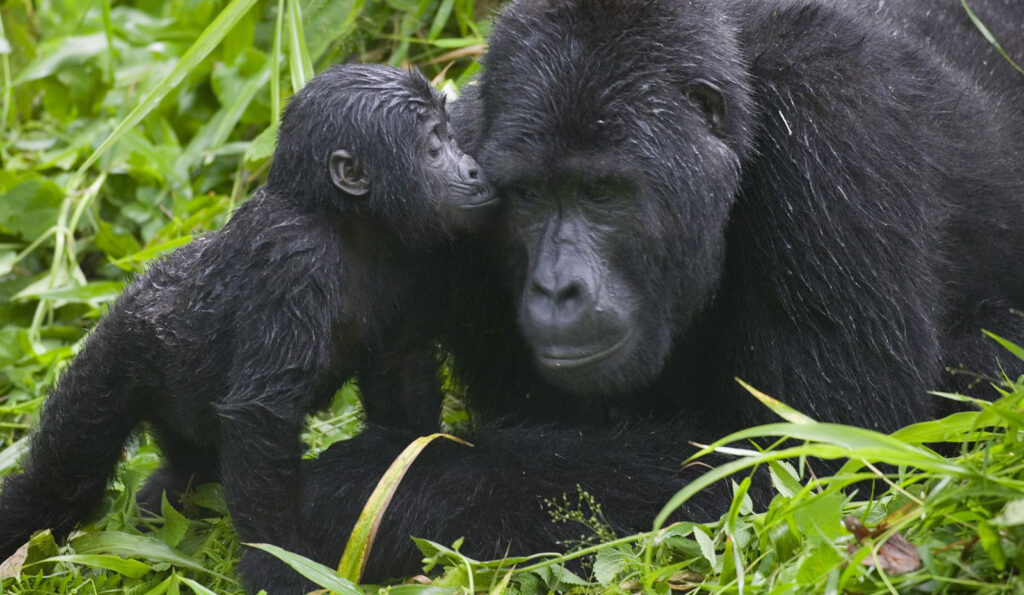
Mishaya Gorilla Family in Bwindi: History, Trekking and What to Know The Mishaya Gorilla Family is one of…
Read article →
Semuliki Hot Springs Visit Guide: What to Expect Semuliki Hot Springs offers one of the most unusual natural…
Read article →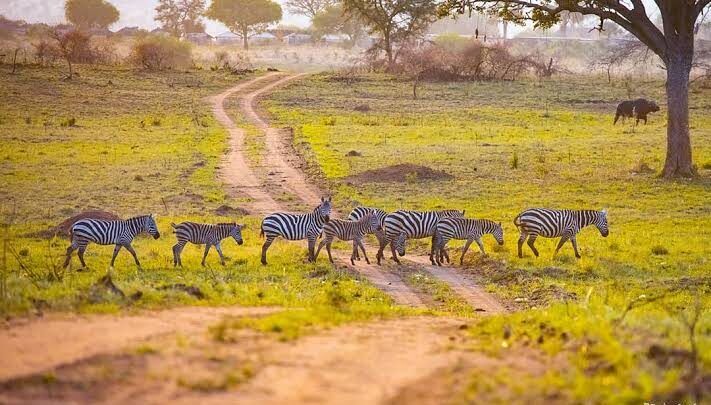
Kidepo Valley Remote Safari Guide: What to Expect Kidepo Valley National Park offers one of Uganda's most remote…
Read article →