
Endangered Species East Africa
Endangered Species East Africa: Wildlife at Risk & Conservation
Endangered species East Africa include some of the world’s most threatened mammals, birds, reptiles, and amphibians. The region supports extraordinary biodiversity across savannahs, forests, wetlands, and mountains.
However, wildlife faces growing pressure from habitat loss, climate change, poaching, disease, and human-wildlife conflict.
Conservation programs across East Africa work to protect habitats while supporting communities living alongside wildlife.
Why Are Species Becoming Endangered?
Habitat loss remains one of the biggest threats to wildlife. Agriculture, infrastructure, settlement, and resource extraction can reduce natural habitats.
Poaching and illegal wildlife trade also threaten several iconic species. Elephants, rhinos, pangolins, and other animals face pressure from illegal markets.
Climate change creates additional challenges. Changing rainfall patterns can affect water, food, breeding, and migration.
Mountain Gorillas
Mountain gorillas remain among East Africa’s most famous endangered animals. Their habitat lies within the forests of Uganda, Rwanda, and the Democratic Republic of the Congo.
Conservation programs have helped mountain gorilla numbers recover significantly. Tourism revenue also supports habitat protection and surrounding communities.
Gorilla trekking therefore plays an important role in the region’s conservation economy.
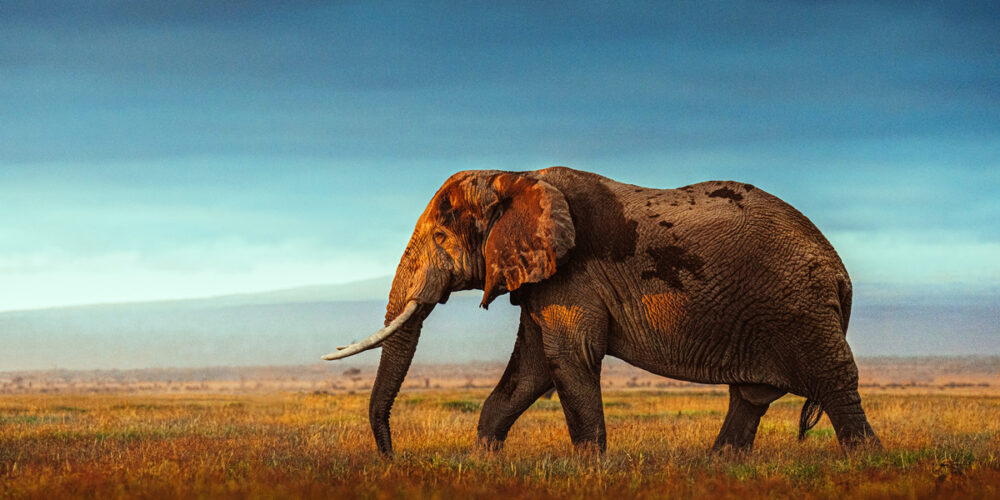
African Elephants
African elephants face threats from habitat fragmentation and illegal ivory trade. Forest elephants and savannah elephants experience different conservation challenges.
Protected areas provide important refuges. Wildlife corridors also help elephants move between habitats.
Community conservation can reduce conflict between elephants and farmers.
Black Rhinos
Black rhinos remain critically endangered. Their populations suffered severe losses from poaching during the twentieth century.
Kenya and Tanzania support important black rhino conservation programs. Protected areas use ranger patrols, monitoring, and habitat management.
Uganda also has an important rhino recovery program through Ziwa Rhino Sanctuary, which currently protects southern white rhinos.
Pangolins
Pangolins rank among the world’s most trafficked mammals. Their scales attract illegal wildlife traders.
East Africa supports several pangolin species. Conservation organizations work to rescue trafficked animals and protect remaining populations.
Public awareness remains essential for reducing demand for illegal wildlife products.
African Wild Dogs
African wild dogs face habitat fragmentation, disease, and conflict with people. Their populations remain scattered across parts of East Africa and southern Africa.
Community conservation and protected wildlife corridors can help connect populations.
Kenya and Tanzania remain important countries for wild dog conservation.
Chimpanzees and Forest Primates
Chimpanzees face habitat loss across East Africa. Forest clearing reduces available food and divides populations.
Uganda supports important chimpanzee populations in Kibale, Budongo, and other forests.
Protecting forests benefits many other species at the same time.
How Tourism Supports Conservation
Responsible safari tourism can generate money for protected areas and communities. Park fees help fund wildlife management and conservation activities.
Tourism also creates employment for guides, rangers, drivers, lodge workers, and local businesses.
Travelers can strengthen these benefits by choosing ethical operators and community-based experiences.