
Best Month for Gorilla Trekking in Rwand
Best Month for Gorilla Trekking in Rwanda
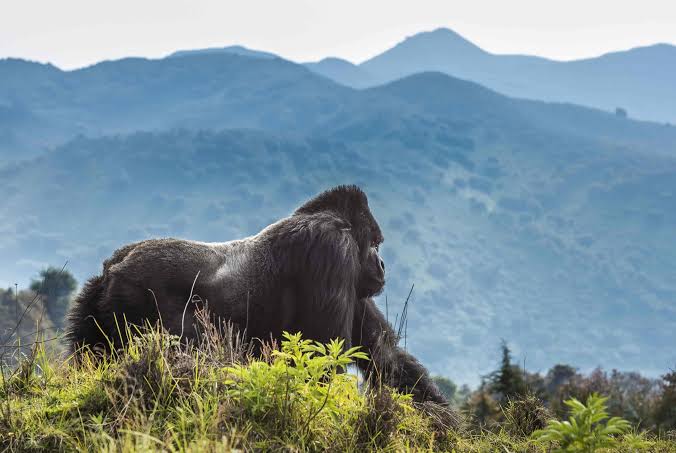
Rwanda offers one of Africa’s most accessible gorilla trekking experiences. Volcanoes National Park protects mountain gorillas within the Virunga Mountains. The park sits in northern Rwanda and offers year-round gorilla trekking.
However, weather can influence your trekking experience. Understanding Rwanda’s seasons helps you choose the right travel period.
For most travelers, June, July, August, and September offer the best conditions for gorilla trekking in Rwanda. These months bring the long dry season and usually create better trail conditions.
January and February can also provide good trekking conditions. December offers another useful travel window, although holiday demand can increase.
What Is the Best Month for Gorilla Trekking in Rwanda?
July is one of the best months for gorilla trekking in Rwanda. It falls within the country’s main dry season and often provides favorable hiking conditions.
June, August, and September also offer excellent opportunities. Rainfall usually decreases during these months, although Volcanoes National Park can still experience showers.
The dry season can make hiking more comfortable. Trails usually become less muddy, and steep sections can feel easier to navigate.
However, Rwanda’s mountain climate remains unpredictable. You should therefore pack rain protection even when traveling during the dry season.
Rwanda Gorilla Trekking Seasons
Rwanda has two main dry periods. The longer dry season generally runs from June through September. A shorter dry period usually occurs around December through February.
The main rainy seasons occur from March to May and October to November. Rainfall can vary depending on altitude and local weather conditions.
Volcanoes National Park sits at a high elevation. Temperatures can therefore feel cooler than in Kigali and other parts of Rwanda.
Mountain weather can change quickly. A sunny morning can become cloudy or rainy during your trek.
Gorilla Trekking in January
January usually provides favorable conditions for gorilla trekking. It falls within Rwanda’s shorter dry period.
Rainfall can still occur, but trails often remain manageable. January also works well for travelers combining gorilla trekking with a wider Rwanda itinerary.
You can visit Kigali, Akagera National Park, and Nyungwe National Park during the same trip.
January can become busy around the holiday season. Booking your gorilla permit early remains important.
Gorilla Trekking in February
February continues the shorter dry season. It often provides comfortable conditions for hiking through Volcanoes National Park.
The forest remains green, and mountain scenery can look spectacular. Gorilla families continue their normal activities regardless of the season.
You should still carry waterproof clothing. Mountain rain can arrive unexpectedly.
February also offers an excellent opportunity to combine gorilla trekking with cultural experiences in Rwanda.
Gorilla Trekking in March
March marks the beginning of Rwanda’s longer rainy season. Rainfall becomes more frequent across the country.
Gorilla trekking continues normally during this period. However, trails can become wetter and more slippery.
The rain also creates lush vegetation across Volcanoes National Park. Photographers can capture beautiful green landscapes and dramatic mountain views.
Travelers visiting during March should use waterproof hiking boots and rain gear.
Gorilla Trekking in April
April usually experiences significant rainfall in Rwanda. This month can create challenging trail conditions in Volcanoes National Park.
Steep paths can become slippery after heavy rain. However, experienced hikers can still enjoy rewarding gorilla encounters.
April can suit travelers who prefer quieter conditions. You may encounter fewer tourists compared with the peak dry season.
Good preparation becomes especially important during this month.
Gorilla Trekking in May
May remains part of Rwanda’s rainy season. Rainfall can continue throughout the month, although conditions vary from day to day.
The forests remain lush and vibrant. Gorilla trekking can therefore offer excellent scenery despite the wet conditions.
You should pack waterproof trousers, a rain jacket, and strong hiking boots. Walking poles can also help on slippery trails.
May may appeal to flexible travelers seeking a quieter experience.
Gorilla Trekking in June
June begins Rwanda’s main dry season. Rainfall usually decreases, creating better hiking conditions.
The trails can become firmer and easier to navigate. This makes June one of the most popular months for gorilla trekking.
Demand for permits can increase during this period. Booking several months ahead helps secure your preferred trekking date.
June also works well for combining gorilla trekking with Akagera or Nyungwe.
Gorilla Trekking in July
July is widely considered one of the best months for gorilla trekking in Rwanda.
The weather often remains dry and comfortable. Trails usually provide good conditions for hiking through the volcanic terrain.
The month also falls within Rwanda’s peak travel season. Many international visitors choose July for their gorilla trekking experience.
You should reserve your permit well in advance. Accommodation near Volcanoes National Park can also fill quickly.
Gorilla Trekking in August
August continues the main dry season. The month provides excellent conditions for trekking and sightseeing.
Mountain trails can remain relatively firm. Rainfall may still occur, but heavy showers usually become less frequent.
August also works well for families and travelers planning multi-destination Rwanda trips. You can combine gorilla trekking with wildlife viewing in Akagera.
Because August attracts many visitors, early planning remains essential.
Gorilla Trekking in September
September usually offers favorable trekking conditions. The weather remains relatively dry, although rainfall can begin increasing toward the end of the month.
The forest remains beautiful and green. Gorilla sightings can provide unforgettable experiences for photographers and wildlife enthusiasts.
September can provide a good balance between weather and visitor numbers.
Gorilla Trekking in October
October begins Rwanda’s second rainy season. Rainfall generally becomes more frequent.
Trails can become muddy and slippery. However, the rain creates lush vegetation throughout the volcanic forest.
October can appeal to adventurous travelers who do not mind wet conditions. Fewer visitors may also create a quieter atmosphere.
Always carry reliable rain gear when trekking during October.
Gorilla Trekking in November
November remains one of the wetter months in Rwanda. Rainfall can occur frequently, especially during afternoon periods.
The forest becomes exceptionally green. Mountain landscapes can also appear dramatic when clouds surround the volcanoes.
Gorilla trekking continues despite the rain. Rangers and trackers operate throughout the year.
November can suit travelers who value lower visitor numbers over dry conditions.
Gorilla Trekking in December
December provides another favorable trekking period. The shorter dry season begins around this time.
Holiday travel can increase demand for permits and accommodation. You should therefore plan your trip early. December also works well for travelers combining Rwanda with Uganda or Kenya.
The weather generally remains suitable for trekking, although occasional rainfall can still occur.
Is Rwanda Gorilla Trekking Better During the Dry Season?
Dry-season trekking often provides the easiest hiking conditions. Trails usually contain less mud and become easier to navigate.
The weather also makes transfers and outdoor activities more comfortable. You can spend more time enjoying Rwanda’s other attractions.
However, dry season does not guarantee completely rain-free conditions. Volcanoes National Park has a mountain climate, so showers remain possible.
Always carry a rain jacket regardless of your trekking month.
Is Wet-Season Gorilla Trekking Worth It?
Yes, wet-season gorilla trekking can provide an exceptional experience. The forest becomes lush, green, and visually spectacular.
Rain can also reduce the number of visitors. This creates a quieter environment for travelers who prefer fewer crowds.
However, wet conditions can make the trek more physically demanding. Muddy paths and slippery slopes require proper footwear.
You should also protect your camera and other electronics from rain.
What Should You Wear for Gorilla Trekking in Rwanda?
Your clothing should protect you from rain, mud, insects, and vegetation.
Wear long hiking trousers and a lightweight long-sleeved shirt. Choose sturdy waterproof hiking boots with good grip.
A waterproof jacket should remain in your backpack even during dry-season trips. Gardening gloves can protect your hands when moving through vegetation.
You should also carry a hat, sunscreen, insect repellent, drinking water, and snacks.
A walking stick can provide extra stability on steep sections.
How Far in Advance Should You Book a Rwanda Gorilla Permit?
We recommend booking your Rwanda gorilla permit four to six months before travel. Earlier booking provides greater flexibility during busy seasons.
Rwanda currently limits gorilla trekking groups to controlled numbers. Each gorilla trekking group can include up to eight visitors.
The Rwanda gorilla permit costs US$1,500 per person for foreign non-residents under the current standard rate.
Your permit determines your trekking date. Therefore, confirm the permit before finalizing your accommodation and transportation arrangements.
Best Months for Gorilla Trekking in Rwanda at a Glance
January and February offer favorable conditions during the shorter dry period.
March to May brings heavier rainfall and wetter trails.
June to September offers the main dry season and some of the best trekking conditions.
October and November bring the second rainy period.
December provides another favorable period, although holiday demand can increase.
Rwanda Gorilla Trekking and Wildlife Safaris
A gorilla trekking trip does not need to end after your time in Volcanoes National Park.
You can combine your trek with Akagera National Park for a classic savanna safari. Akagera offers opportunities to see elephants, lions, buffaloes, leopards, giraffes, zebras, and several antelope species.
You can also visit Nyungwe National Park for chimpanzee trekking and other primate experiences. Kigali provides an excellent starting or ending point for your Rwanda adventure.
This combination creates a diverse Rwanda safari. You can experience mountain gorillas, savanna wildlife, forests, culture, and vibrant city life within one trip.
Plan Your Rwanda Gorilla Trekking Safari
The best month for gorilla trekking in Rwanda depends on your priorities. Choose June through September if you prefer generally drier trails and comfortable hiking conditions.
January, February, and December also provide good opportunities. Meanwhile, March, April, May, October, and November can suit travelers who accept wetter conditions.
Gorilla trekking remains available throughout the year. The gorillas do not follow tourist seasons, so every month can produce a memorable encounter.
The key involves choosing a suitable permit date, preparing for mountain weather, and packing correctly. With good planning, Rwanda can provide an extraordinary gorilla trekking experience in any season.