
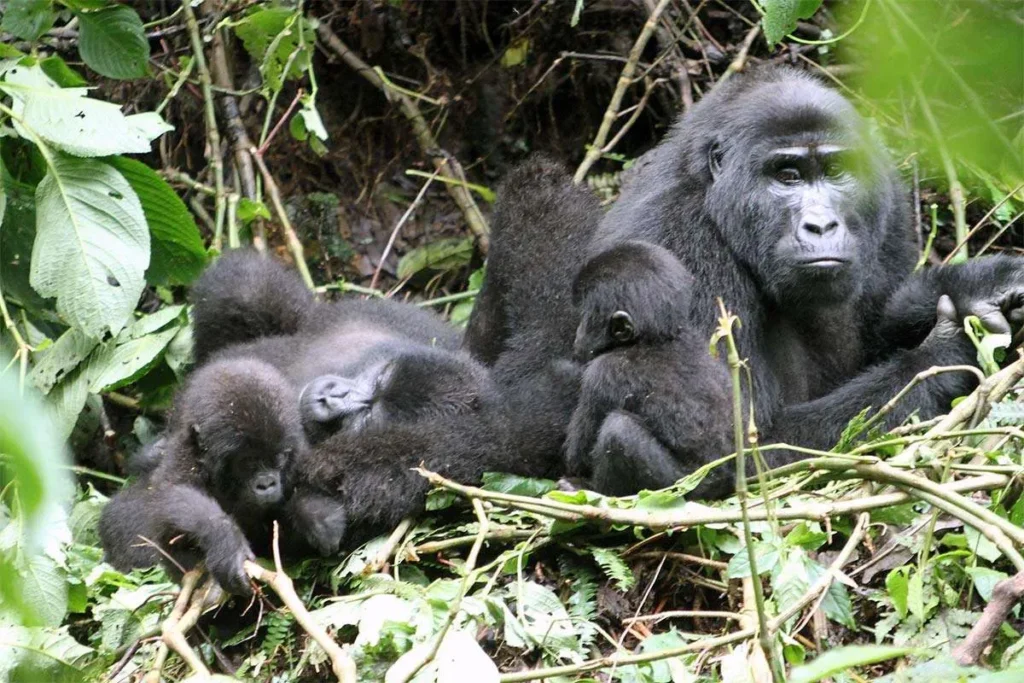
Nshongi Gorilla Family in Bwindi
Nshongi Gorilla Family in Bwindi: History, Location and Trekking Guide The Nshongi Gorilla Family holds an important place…
Read article →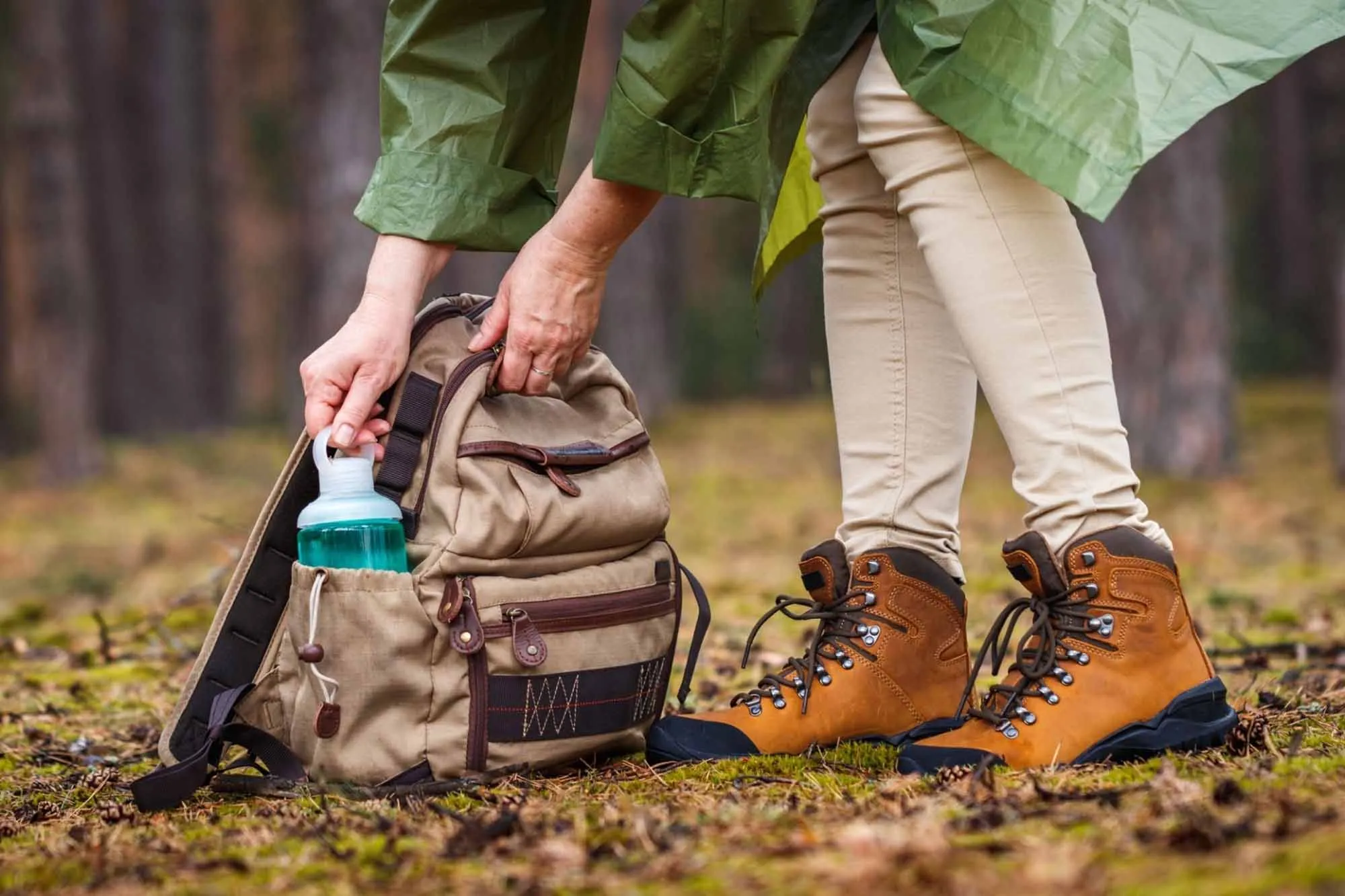
Travel Guide
Choosing the right hiking boots can make a major difference during a gorilla trekking experience. The trails through Bwindi Impenetrable National Park, Mgahinga Gorilla National Park, and Volcanoes National Park can become steep, muddy, slippery, and…
Choosing the right hiking boots can make a major difference during a gorilla trekking experience. The trails through Bwindi Impenetrable National Park, Mgahinga Gorilla National Park, and Volcanoes National Park can become steep, muddy, slippery, and challenging.
A good pair of boots protects your feet, improves your grip, and helps you walk comfortably for several hours. The best boots do not need to look impressive. They need to perform well in wet forest conditions.
For most travelers, waterproof hiking boots with strong ankle support, deep traction, and comfortable cushioning offer the best combination for gorilla trekking.
Gorilla trekking takes place in mountainous forest environments. Trails can cross steep slopes, thick vegetation, muddy ground, exposed roots, rocks, and uneven terrain.
Rain can also change trail conditions quickly. A path that feels manageable in dry weather can become slippery after several hours of rain.
Good hiking boots help you maintain stability while protecting your feet from moisture, mud, sharp vegetation, and uneven surfaces.
The best gorilla trekking boots should provide four main qualities: grip, waterproofing, ankle support, and comfort.
Strong traction helps you handle slippery slopes. Waterproof materials keep your feet dry when you walk through wet vegetation or muddy sections.
Ankle support helps reduce the risk of twisting your ankle on uneven ground. Comfort becomes equally important because you may spend several hours walking through difficult terrain.
Avoid choosing boots based only on appearance. Forest conditions demand practical footwear.
Waterproof boots rank among the best choices for gorilla trekking.
Bwindi and the Virunga mountains receive rainfall throughout the year, and wet conditions can appear even during traditionally drier months.
Waterproof boots help keep your feet dry when you walk through wet vegetation, mud, and shallow streams.
Look for boots with reliable waterproof membranes and well-sealed construction.
High-ankle hiking boots provide useful support on steep and uneven terrain.
They help stabilize your feet and ankles when you walk across roots, rocks, and slippery slopes.
This feature becomes especially valuable during descents, when your feet can slide forward inside less supportive footwear.
For gorilla trekking, choose a boot that feels supportive without restricting natural ankle movement.
Grip matters greatly during gorilla trekking.
Look for boots with deep, aggressive tread patterns that can grip mud, wet soil, rocks, and forest trails.
A smooth sole can become dangerous on steep muddy slopes.
Before your trip, inspect the sole and make sure the tread remains deep enough for demanding trails.
Heavy boots can make a long trek more tiring.
While you need strong protection, you do not necessarily need heavy mountaineering boots.
A lightweight hiking boot with good ankle support and traction can provide an excellent balance between protection and comfort.
Consider the length and difficulty of your planned trek when choosing the boot weight.
Waterproof boots can sometimes feel warm, especially during strenuous trekking.
Choose a boot that combines waterproof protection with reasonable breathability.
Breathable materials allow some moisture and heat to escape while keeping external water away.
This feature can improve comfort during long climbs.
Both leather and synthetic boots can work well for gorilla trekking.
Leather boots often provide excellent durability and protection. They can also perform well in wet conditions when manufacturers treat them correctly.
Synthetic boots usually weigh less and can dry faster.
For most travelers, the better choice depends on comfort, fit, waterproofing, weight, and sole traction rather than the material alone.
Several reputable outdoor brands produce boots suitable for gorilla trekking.
Popular options include Salomon, Merrell, Lowa, Scarpa, La Sportiva, Keen, and The North Face.
However, the best brand depends on your foot shape and personal preference.
A highly rated boot will not help if it causes blisters or does not fit your feet correctly.
Always prioritize fit and comfort over brand reputation.
Salomon produces lightweight hiking boots with strong traction and waterproof options.
Models in its X Ultra range can suit travelers who want a balance between weight, grip, and ankle support.
Their soles perform well across different trail conditions.
Choose a waterproof model when preparing for the wet forest environment.
Merrell offers comfortable hiking footwear with several waterproof and high-traction models.
The Moab range remains popular among hikers because it provides good comfort and durability.
Travelers who prefer a roomier fit may find some Merrell models particularly comfortable.
Try them with your trekking socks before your trip.
Lowa produces sturdy hiking boots with strong ankle support and durable construction.
Its Renegade range remains a popular choice among hikers who want additional stability.
These boots can work well for travelers who expect challenging terrain.
However, they may feel heavier than some lightweight alternatives.
Scarpa offers boots designed for demanding mountain environments.
Its hiking footwear provides strong support, durable construction, and good traction.
Travelers planning difficult treks may appreciate the stability that Scarpa boots provide.
Make sure you break them in before your gorilla trek.
Keen produces hiking boots with comfortable designs and protective toe areas.
Their waterproof models can work well in wet forest environments.
Keen boots often provide a wider toe box, which can benefit travelers who dislike narrow footwear.
Comfort should remain your priority when selecting a model.
No. Avoid wearing brand-new boots on your gorilla trek.
New boots can create pressure points and blisters before your feet adapt to them.
Wear your boots on several walks before your trip.
Test them on hills, wet ground, and uneven surfaces if possible.
You want to discover any comfort problems before entering the forest.
Start by wearing your boots around your home.
Gradually increase the walking distance until your feet become comfortable.
Take longer walks before your trip and wear the same socks you plan to use during trekking.
If you notice rubbing or pressure, adjust the lacing or consider a different boot.
Never wait until your gorilla trek to discover that your footwear causes pain.
Good socks can improve the performance of your hiking boots.
Choose moisture-wicking hiking socks that fit comfortably without creating excessive pressure.
Merino wool and synthetic hiking socks can work well because they manage moisture and reduce friction.
Avoid ordinary cotton socks because they absorb moisture and can remain wet for long periods.
Carry an extra pair in your daypack in case your socks become soaked.
Gaiters can provide additional protection during muddy gorilla treks.
They help stop mud, water, leaves, and small debris from entering your boots.
They can also provide some protection against vegetation and insects.
Gaiters do not replace waterproof boots, but they can complement them in particularly wet conditions.
Trail running shoes can work for some hikers, but they do not provide the same ankle support as high hiking boots.
Experienced hikers with strong ankle stability may prefer lighter footwear.
However, first-time gorilla trekkers should generally choose supportive hiking boots.
The terrain can become extremely muddy and steep, so additional ankle protection can provide useful stability.
Ordinary sneakers do not provide enough protection for most gorilla trekking conditions.
Their soles often lack the deep traction required for muddy and steep trails.
They also provide limited ankle support and water protection.
Choose proper hiking footwear instead, especially if you expect a long or challenging trek.
Most gorilla trekkers do not need heavy mountaineering boots.
The trek can become physically demanding, but you do not normally need technical climbing footwear.
A sturdy, waterproof hiking boot with good grip usually provides sufficient protection.
Heavy boots can increase fatigue during long walks.
Boot color matters less than performance.
Neutral colors can blend naturally into the forest environment, but gorillas do not require visitors to wear a specific boot color.
Focus on waterproofing, traction, comfort, and durability.
The rest of your trekking clothing should also prioritize practical protection rather than fashion.
Start with well-fitting boots and quality hiking socks.
Keep your feet dry whenever possible and change wet socks when necessary.
Trim your toenails before a long trek to reduce pressure and discomfort.
Use blister protection if you know that certain areas of your feet tend to rub.
If your feet begin to hurt during the trek, tell your guide rather than ignoring the problem.
Your boots form only one part of your gorilla trekking equipment.
Carry a lightweight rain jacket, waterproof trousers, gardening gloves, a comfortable daypack, water, snacks, insect repellent, sunscreen, and a camera if you plan to photograph the experience.
A waterproof backpack cover or dry bags can protect electronics and other important items.
Your guide can also advise you about the conditions on the trekking day.
Wet-season trekking requires extra attention to footwear.
Mud becomes deeper, vegetation becomes wetter, and trails can become more slippery.
Choose boots with excellent waterproofing and aggressive tread.
Gaiters can also provide additional protection.
Carry spare socks and keep them inside a waterproof bag.
Dry seasons can reduce the amount of mud on some trails, but you should still prepare for wet conditions.
Rain can occur in mountain forests throughout the year.
Waterproof boots remain the safest option because weather can change quickly.
Do not sacrifice waterproofing simply because your trip falls during a traditionally drier period.
The best overall choice combines waterproof protection, high ankle support, aggressive traction, comfortable cushioning, and a relatively light design.
A model from Salomon, Merrell, Lowa, Scarpa, Keen, or another reputable hiking brand can work well.
The most important factor remains the fit.
Your ideal boot should feel secure without squeezing your toes or creating pressure points.
The best hiking boots for gorilla trekking should protect your feet while helping you handle steep, muddy, and wet forest trails.
Choose waterproof boots with strong traction and reliable ankle support. Break them in before your trip and test them with the socks you plan to wear.
Avoid ordinary sneakers and brand-new boots. Also consider gaiters and spare socks if you expect wet conditions.
Most importantly, choose footwear that fits your feet properly. A comfortable pair of well-broken-in hiking boots can make a demanding gorilla trek much more enjoyable.

Nshongi Gorilla Family in Bwindi: History, Location and Trekking Guide The Nshongi Gorilla Family holds an important place…
Read article →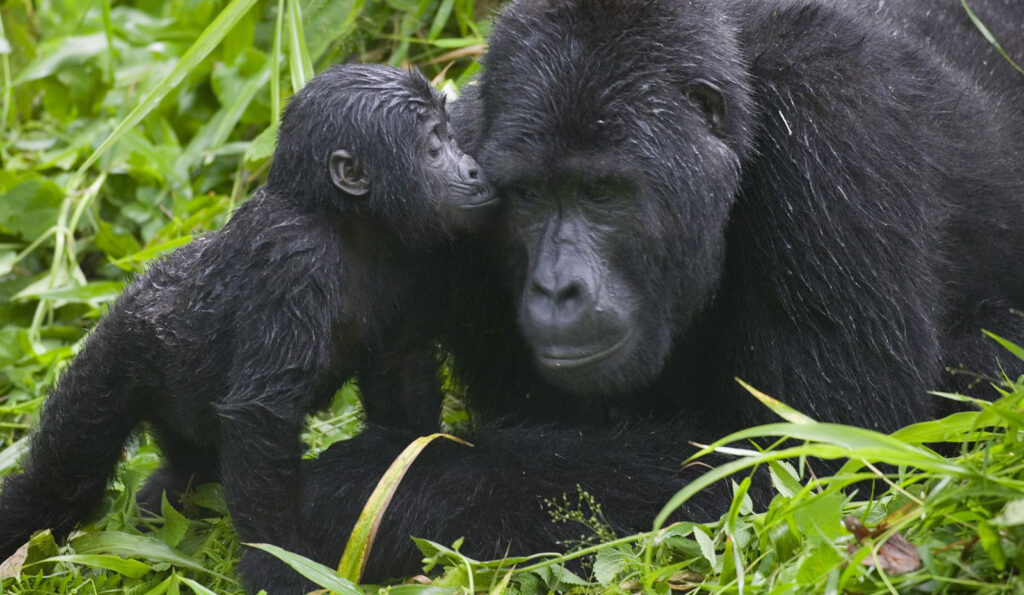
Mishaya Gorilla Family in Bwindi: History, Trekking and What to Know The Mishaya Gorilla Family is one of…
Read article →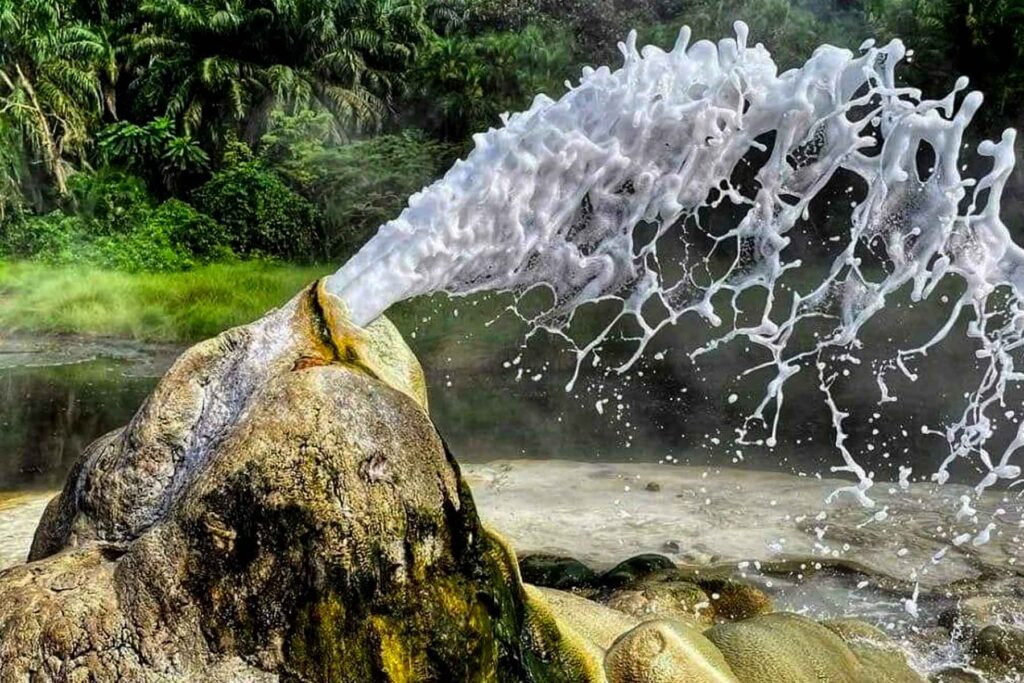
Semuliki Hot Springs Visit Guide: What to Expect Semuliki Hot Springs offers one of the most unusual natural…
Read article →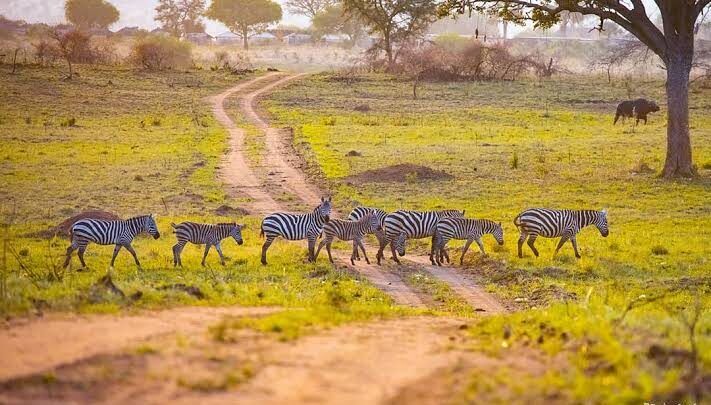
Kidepo Valley Remote Safari Guide: What to Expect Kidepo Valley National Park offers one of Uganda's most remote…
Read article →