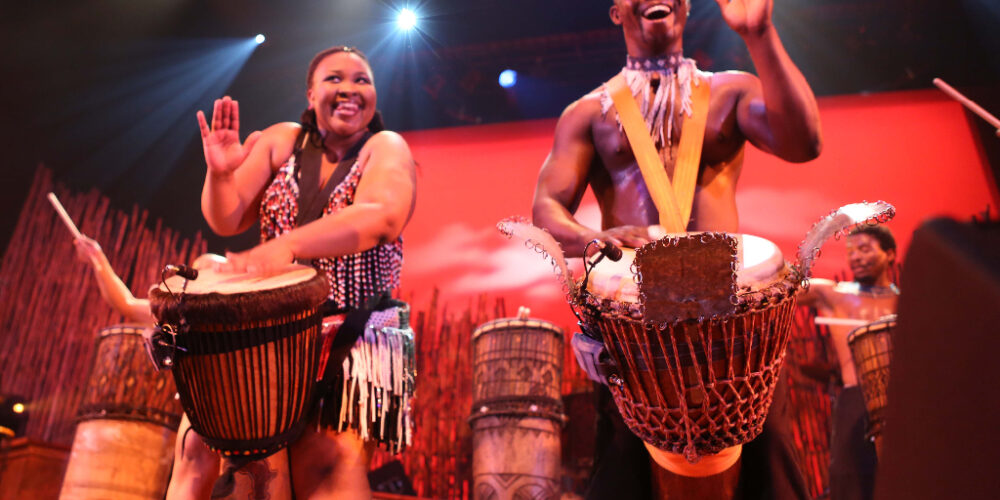

African Drumming Experience
African Drumming Experience: Rhythm, Culture & Community
An African drumming experience offers travelers a direct connection with the continent’s musical heritage. Drums play an important role in many African communities.
Traditional drumming can accompany celebrations, ceremonies, dances, storytelling, and community gatherings. Different regions use different drums, rhythms, techniques, and musical traditions.
For travelers, learning to play a traditional drum can become one of the most memorable cultural experiences on an African journey.
The Role of Drums in African Culture
Drums have served many purposes across African societies. Communities have used them for celebrations, ceremonies, communication, and entertainment.
Rhythms can carry cultural meanings and connect performers during group activities. Drumming also creates a strong sense of community.
However, Africa has thousands of cultural traditions. There is no single African drumming style.
Each community has developed its own instruments, rhythms, and performance traditions.
Popular African Drums
Different parts of Africa use distinctive drums. The djembe remains one of the world’s best-known African drums.
The djembe originated among communities in West Africa. Its goblet-shaped body produces different sounds depending on where and how the player strikes the drum.
East Africa has its own rich drumming traditions. Countries such as Uganda, Kenya, Tanzania, Rwanda, and Burundi feature drums in many cultural performances.
Southern Africa also has diverse percussion traditions connected to dance and community celebrations.
Learning to Play African Drums
An African drumming experience often begins with an introduction to the instrument. A local musician explains basic techniques before participants start playing.
Beginners learn how to produce different sounds using their hands. The instructor may then introduce simple rhythms.
As the group becomes more comfortable, several rhythms can come together. This creates an energetic ensemble performance.
The experience does not require previous musical training. Most sessions focus on participation and cultural learning.
African Drumming and Dance
Drumming and dance often work together. The rhythm provides a musical foundation while dancers respond through coordinated movements.
In many communities, performers learn both music and dance from an early age. These skills help preserve cultural traditions.
Visitors can sometimes join both activities during cultural workshops. This creates a more interactive experience than simply watching a performance.
African Drumming and Storytelling
Traditional music often connects with storytelling. Elders and performers can use songs and rhythms to preserve historical knowledge.
Stories may describe community events, heroes, relationships, nature, or important cultural values.
This relationship between music and storytelling demonstrates how African communities have preserved knowledge across generations.
Where to Experience African Drumming
Travelers can enjoy drumming experiences across the continent. Uganda offers cultural performances connected to many ethnic traditions.
Rwanda has strong drumming traditions, including royal drum heritage and cultural performances. The country provides opportunities to experience traditional music alongside gorilla trekking and other activities.
Kenya and Tanzania also offer cultural drumming experiences. Coastal Swahili communities have their own musical traditions, while Maasai and other communities have distinctive performance styles.
West Africa provides particularly strong opportunities for travelers interested in djembe traditions. Countries such as Ghana, Senegal, and Guinea have important percussion cultures.
African Drumming for Families and Groups
Drumming works well for families, couples, and groups of friends. Participants can learn together regardless of their musical experience.
Children often enjoy the interactive nature of the activity. Adults can also discover new rhythms while learning about local traditions.
A good workshop should create an enjoyable environment while respecting the cultural origins of the music.
Responsible Cultural Drumming Experiences
Travelers should choose experiences that respect local musicians and communities. Locally led workshops can help ensure that performers benefit directly from tourism.
Visitors should also avoid treating sacred or ceremonial music as entertainment without understanding its meaning.
Ask before recording performances. Respecting photography and filming rules helps protect cultural traditions.
Why Try an African Drumming Experience?
An African drumming experience allows travelers to participate rather than simply observe. You can learn a rhythm, meet local musicians, and discover the cultural meaning behind the music.
The experience works well alongside safaris, gorilla trekking, beach holidays, and cultural tours. It can turn an ordinary itinerary into a more personal cultural journey.