

Nshongi Gorilla Family in Bwindi
Nshongi Gorilla Family in Bwindi: History, Location and Trekking Guide The Nshongi Gorilla Family holds an important place…
Read article →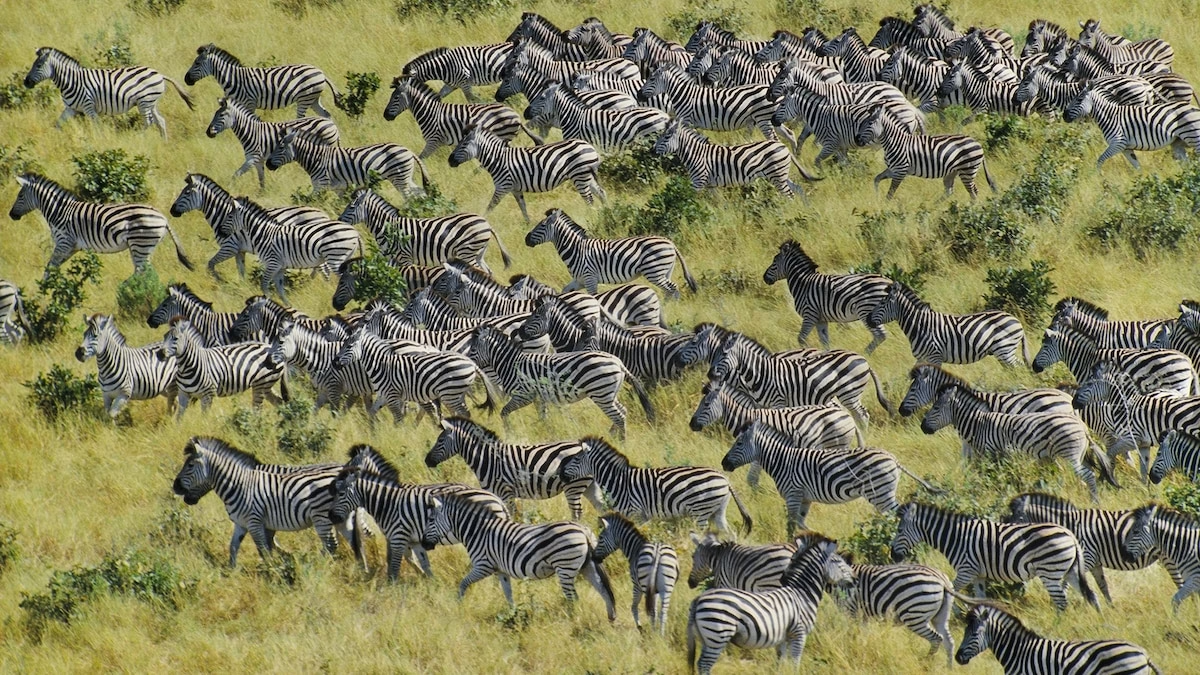
Travel Guide
Discover Africa's most breathtaking wildlife migrations beyond the Great Migration. From Zambia's bat spectacle to Botswana's zebra trek, explore nature’s grandest journeys.
Africa’s Great Wildebeest Migration is internationally famous, but it is only one example of large-scale animal movement on the continent. The 7 Epic Wildlife Migrations in Africa That Rival the Great Migration reveal how mammals, birds and bats respond to rainfall, food availability, breeding requirements and seasonal environmental changes.
Migration is fundamentally about survival.
Animals move because remaining permanently in one location would make it harder to access food, water or suitable breeding conditions.
These journeys can cover vast distances, yet even relatively short seasonal movements may involve enormous numbers of animals.
For travelers, migration-focused safaris require flexibility because wildlife responds to environmental conditions rather than fixed tourism calendars.
Migration differs from ordinary daily movement.
A migrating population moves between areas in response to predictable ecological or biological pressures.
Rainfall can trigger fresh vegetation. Water availability can influence herbivore distribution. Breeding needs may draw animals toward particular habitats.
Climate variability means timing can shift.
Travelers should therefore use historical patterns as planning guidance rather than treating them as guaranteed appointments.
The Serengeti-Mara ecosystem supports Africa’s most famous large-herbivore migration.
Wildebeest move through the broader ecosystem alongside zebras and other grazers.
The movement is often described as a circle, although actual herd distribution is much more complex.
Rainfall and grazing conditions influence where animals concentrate.
Different periods can produce calving, large herd gatherings or river crossings.
Each phase offers a different wildlife experience.
River crossings receive enormous media attention because they can be dramatic.
Wildebeest may gather before entering the water, and predators can exploit the movement.
However, no guide can guarantee that a crossing will happen at a specific hour or even on a particular day.
Herds may wait, turn away or cross elsewhere.
Travelers should spend several days in an appropriate region rather than scheduling a short visit around one expected spectacle.
The southern Serengeti ecosystem becomes particularly significant during the broad calving period.
Large numbers of young wildebeest create intense predator-prey interactions.
For travelers interested in animal behavior rather than river crossings, this can be one of the most rewarding migration phases.
The green landscape also creates attractive photography conditions.
As always, actual conditions depend on rainfall.
Zambia hosts an extraordinary seasonal gathering of fruit bats.
Huge numbers arrive to exploit seasonal food resources.
The spectacle demonstrates that migration is not limited to hoofed mammals.
At peak activity, the sky can become filled with bats leaving their roosting area to feed.
For wildlife travelers accustomed to conventional safaris, the scale of the movement can be astonishing.
Bats perform important ecological functions, including seed dispersal and pollination for various plant species.
Their movements can therefore influence ecosystems far beyond a single roost.
Unfortunately, bats often receive less conservation attention than large mammals.
Witnessing a major migration can change perceptions of these animals and demonstrate their ecological importance.
Zebras undertake notable seasonal movements within Botswana’s landscapes.
Rainfall and the appearance of fresh grazing influence these journeys.
Rather than focusing on one dramatic river crossing, travelers may observe herds moving through open landscapes in response to changing environmental conditions.
The movement illustrates the dependence of herbivores on water and nutritious grass.
Rain transforms dry environments.
Fresh vegetation can emerge rapidly, creating temporary feeding opportunities.
Migrating herbivores respond to these changes.
This is why migration timing cannot always be reduced to exact dates.
Animals are responding to ecological signals, not calendars.
Safari planning should therefore consider broad seasonal patterns while preserving flexibility.
Other zebra populations in southern Africa also undertake seasonal movements between feeding and water resources.
These journeys demonstrate how conservation requires connected landscapes.
Protecting one isolated location may not be sufficient if animals need to move between seasonal ranges.
Migration corridors are therefore extremely important.
Roads, fences and development can interrupt routes that wildlife has used for generations.
A migrating animal requires more than a protected destination at each end of its journey.
It needs a viable route between them.
Conservation planning must therefore consider entire landscapes.
This is one reason cross-border conservation and large connected protected areas can be valuable.
Wildlife does not recognize political boundaries.
Flamingos move between suitable alkaline lakes and wetlands in response to feeding and breeding conditions.
East Africa can provide spectacular concentrations.
Their movement is strongly linked with water chemistry, food availability and environmental conditions.
A lake that supports large numbers during one period may hold far fewer birds at another.
This variability makes flamingo tourism another example of why nature cannot be scheduled precisely.
Flamingo movements demonstrate the importance of protecting networks of wetlands.
Pollution, water extraction and other environmental changes can alter feeding conditions.
Protecting one famous lake is not necessarily enough if birds depend on several sites.
Migration conservation therefore requires understanding how ecosystems are connected.
Africa lies within major bird migration systems.
Many species move between continents or across different parts of Africa seasonally.
For birdwatchers, this means certain periods can bring species absent at other times of year.
Wetlands, coastlines and forests may become particularly important stopover or feeding sites.
The journeys made by small birds can be just as extraordinary as those of large mammals.
A bird may depend on breeding habitat in one region, feeding habitat somewhere else and several stopover sites between them.
Loss of any important location can affect the entire journey.
This makes international cooperation essential.
Conservation success in one country can be undermined if habitats disappear elsewhere along the route.
Africa’s migrations are not limited to land and sky.
Marine animals also move along coastlines and through ocean environments.
Whales, fish and other marine species undertake seasonal journeys related to breeding and feeding.
These migrations are often less visible to safari travelers because they occur offshore.
Nevertheless, they form part of the continent’s extraordinary network of animal movement.
Coastal destinations can provide opportunities to observe migrating marine animals during appropriate periods.
Responsible boat operations are essential.
Vessels should not chase or crowd wildlife.
Viewing guidelines protect animals while improving the quality of encounters.
A calm animal behaving naturally provides a better experience than one repeatedly disturbed by boats.
Large migrations create feeding opportunities for predators.
Lions, hyenas, crocodiles and other predators may exploit concentrations of prey.
This creates dramatic wildlife encounters.
However, predators do not exist solely for tourist entertainment.
Hunting is essential to their survival.
Visitors should avoid demanding that guides manipulate positioning or interfere with natural interactions.
Migration photography requires patience.
Wide lenses can show the scale of large herds, while telephoto lenses isolate individual behavior.
Photographers should think beyond dramatic action.
Patterns of animals across a landscape can communicate migration more effectively than a close portrait.
Dust, rain and changing light should be anticipated.
The 7 Epic Wildlife Migrations in Africa That Rival the Great Migration do not operate according to exact daily schedules.
Research the broad seasonal period for the migration you want to see.
Then allow multiple days in the relevant area.
Work with guides familiar with current conditions.
The more specific the desired behavior, the more flexibility the itinerary should contain.
Migration depends on space and connectivity.
Habitat conversion, fences, roads and other development can interfere with traditional movement routes.
Climate change may also alter rainfall and resource patterns.
Conservation therefore needs to look beyond individual protected areas.
Maintaining corridors between habitats can be just as important as protecting the destinations toward which animals migrate.
The Great Wildebeest Migration deserves its reputation, but it should not overshadow the continent’s other seasonal wildlife movements.
Zebras respond to rainfall across southern African landscapes. Fruit bats gather in remarkable numbers in Zambia. Flamingos move between suitable lakes. Birds connect Africa with ecosystems far beyond the continent, while marine animals follow routes hidden beneath the ocean surface.
Together, the 7 Epic Wildlife Migrations in Africa That Rival the Great Migration demonstrate that movement is one of nature’s most important survival strategies.
For travelers, witnessing migration is not simply about seeing many animals at once. It is about understanding how wildlife responds to seasons, landscapes and resources across enormous interconnected ecosystems.

Nshongi Gorilla Family in Bwindi: History, Location and Trekking Guide The Nshongi Gorilla Family holds an important place…
Read article →
Mishaya Gorilla Family in Bwindi: History, Trekking and What to Know The Mishaya Gorilla Family is one of…
Read article →
Semuliki Hot Springs Visit Guide: What to Expect Semuliki Hot Springs offers one of the most unusual natural…
Read article →
Kidepo Valley Remote Safari Guide: What to Expect Kidepo Valley National Park offers one of Uganda's most remote…
Read article →