

Nshongi Gorilla Family in Bwindi
Nshongi Gorilla Family in Bwindi: History, Location and Trekking Guide The Nshongi Gorilla Family holds an important place…
Read article →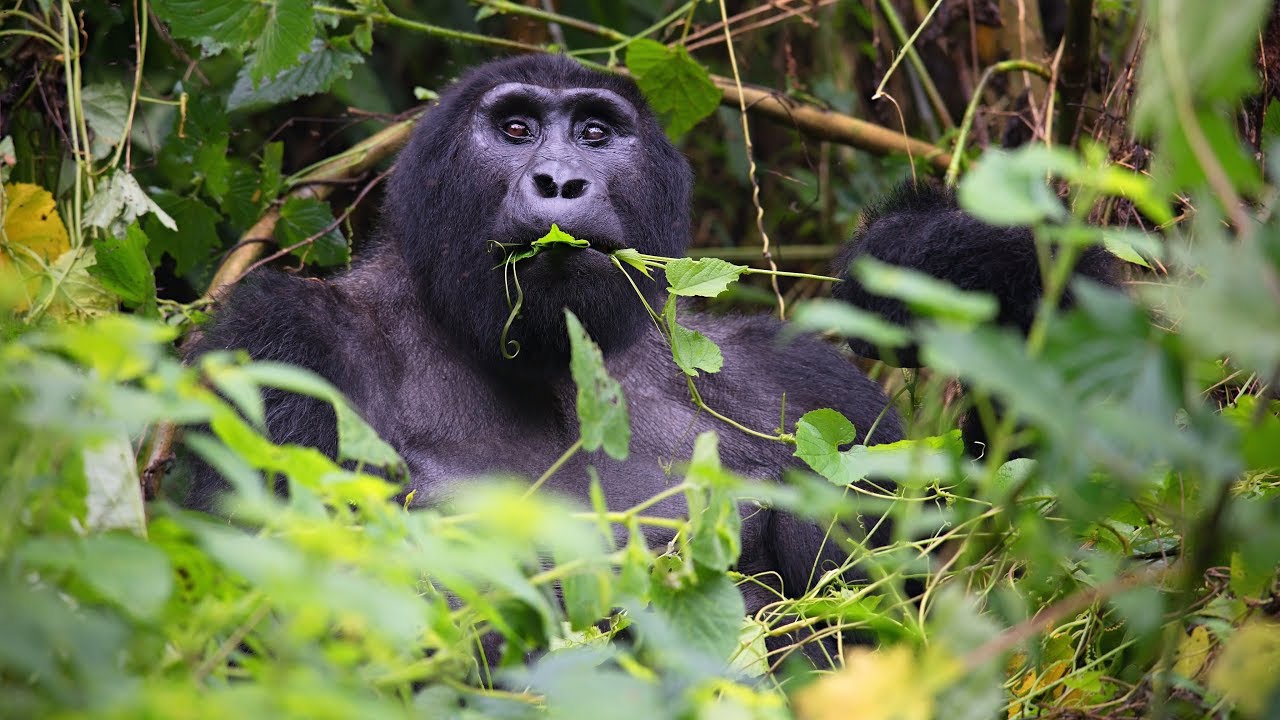
Travel Guide
comparison between gorilla trekking and gorilla habituation. Why gorilla Habituation instead of gorilla trekking in Bwindi
Choosing between Gorilla habituation and Gorilla trekking is an important decision for travelers planning a primate safari in Uganda. Both experiences take visitors into the forest in search of mountain gorillas, but they are structured differently and can appeal to different types of travelers.
Standard gorilla trekking is the better-known option. Visitors join a guided trek and, after locating the assigned gorilla family, experience a controlled period in the presence of the animals according to the regulations communicated by the authorities and guides.
The gorilla habituation experience is designed around gorillas undergoing the gradual process of becoming accustomed to carefully managed human presence. It provides a different structure and is particularly attractive to visitors who want a longer, more immersive forest experience.
Gorilla trekking introduces travelers to habituated mountain gorillas living within their natural forest habitat.
Visitors begin with a briefing before entering the forest with trained personnel.
The trek can vary considerably in length because gorillas move naturally.
Some groups may be found relatively quickly, while others require a longer walk.
Once the gorillas are located, visitors follow strict regulations regarding their encounter.
The activity provides enough time to observe behavior, take photographs and experience the extraordinary atmosphere of being close to wild mountain gorillas.
Gorilla habituation is connected with the gradual process through which wild gorillas become accustomed to the controlled presence of researchers, conservation personnel and eventually tourists.
The experience is not simply an extended version of ordinary trekking.
Visitors should understand that the gorillas involved may respond differently from fully habituated groups.
The forest experience can therefore feel more exploratory.
Travelers join the activity under professional supervision and must follow all instructions.
The longer format is one of the main reasons some visitors select habituation.
One of the strongest attractions of gorilla habituation is the additional time associated with the experience.
Travelers who have journeyed a long distance specifically for gorillas may value a longer opportunity to observe them.
More time can allow visitors to settle into the encounter rather than feeling pressure to photograph everything immediately.
However, the experience should not be judged only by the clock.
Wildlife behavior remains unpredictable.
The quality of the encounter depends on the animals, forest conditions and the traveler’s ability to observe patiently.
Additional observation time can make it easier to notice subtle gorilla behavior.
Visitors may observe feeding, movement, resting and interactions between individuals.
Instead of focusing only on creating a few photographs, travelers can spend more time watching how the group behaves.
This can be especially rewarding for people with a strong interest in primates.
Guides and conservation personnel can also provide context.
Listening to their explanations helps visitors understand that gorilla conservation involves long-term monitoring and protection rather than tourism alone.
Photographers often consider gorilla habituation because additional time can create more opportunities.
Forest photography is difficult.
Light changes constantly, vegetation can obstruct the view and gorillas do not position themselves for cameras.
A longer experience provides more chances for conditions to change.
Photographers can experiment with composition without feeling the same pressure to create every image immediately.
However, all photography remains subject to conservation rules.
No photograph justifies moving too close, separating from the group or ignoring instructions.
Travelers should not assume that longer time with gorillas means an easier activity.
A habituation experience can involve substantial time in the forest.
Terrain may be steep, muddy and uneven.
Visitors should prepare physically before travel.
Regular walking and hill training can improve endurance.
Strong hiking footwear with good grip is essential.
Long trousers, long sleeves and rain protection should also be packed.
Travelers should carry only necessary items because excess weight becomes tiring during a long forest day.
Where legitimate porter services are available, travelers should consider using them.
A porter can assist with a daypack and make steep or slippery sections easier to manage.
This can be especially valuable during a longer habituation activity.
Using a porter can also create direct local employment connected with gorilla tourism.
Travelers sometimes decline assistance because they expect the trek to be easy.
Since gorilla locations vary, it is usually better to prepare for challenging conditions.
Standard gorilla trekking remains an excellent choice for visitors with a shorter itinerary.
It can be easier to integrate into a broader Uganda safari.
Travelers may combine the trek with chimpanzees, savannah wildlife and other destinations.
Those who want the classic gorilla experience without committing as much of the day to one activity may prefer standard trekking.
The experience remains highly significant.
Choosing trekking instead of habituation does not mean the visitor receives an inferior wildlife encounter. It simply offers a different structure.
Gorilla habituation may particularly appeal to travelers whose main reason for visiting Uganda is mountain gorillas.
Repeat gorilla trekkers may also appreciate experiencing a different format.
Wildlife photographers, primate enthusiasts and travelers interested in conservation processes can find the longer activity attractive.
The additional commitment should be considered carefully.
Visitors need both the time and physical readiness for a longer forest experience.
It should be selected because the traveler values immersion rather than simply because it sounds more exclusive.
Both experiences require advance planning.
Travelers should confirm the correct permit before booking accommodation.
The permit determines the activity and relevant location.
Accommodation should then be chosen according to the confirmed arrangements.
This order prevents logistical problems.
Travelers should not book a lodge first and assume it will automatically be convenient for whichever permit becomes available.
Transport must also be coordinated with the briefing location and activity schedule.
A comfortable night before entering the forest is useful.
Travelers should arrive in the gorilla region with enough time to rest.
The evening can be used to organize trekking clothing, charge camera batteries and confirm the following morning’s departure.
Breakfast arrangements should also be established.
Visitors should avoid arriving late after a very long road transfer immediately before a demanding forest activity.
A well-paced itinerary improves both comfort and preparedness.
Gorilla tourism involves close management because mountain gorillas require protection.
Visitors must follow all current health and conservation rules.
Travelers who are unwell should communicate honestly with the relevant authorities or operator.
Noise should remain controlled.
Waste should never be left in the forest.
Visitors should not touch gorillas or attempt to influence their behavior.
The longer duration of a habituation experience does not reduce these responsibilities. If anything, visitors need to remain disciplined throughout the extended forest activity.
Strong waterproof or water-resistant walking footwear should be prioritized.
Long trousers and long sleeves help protect against vegetation.
A rain jacket should be easily accessible.
Visitors need sufficient drinking water and any food arranged for the activity.
Camera equipment should be protected against moisture.
Spare batteries and memory are useful for photographers.
Gardening-style gloves are sometimes carried by trekkers for additional hand protection when navigating vegetation, depending on personal preference and guide advice.
The daypack should remain as light as practical.
The decision depends on priorities.
Travelers wanting a classic mountain gorilla encounter within a broader safari may find standard trekking ideal.
Those wanting more time and a deeper focus on gorillas may prefer habituation.
Photographers can value the extended observation possibilities.
Travelers with limited physical endurance should carefully consider the demands of a longer forest activity.
Budget also needs to be incorporated into the decision because permit arrangements differ.
Current permit prices and availability should be confirmed for the intended travel dates.
The comparison between Gorilla habituation and Gorilla trekking is not about identifying one universally superior experience.
Both provide carefully managed access to mountain gorillas in Bwindi’s extraordinary forest environment.
Standard trekking works well for first-time visitors and travelers combining gorillas with a broader Uganda safari.
Habituation can appeal to photographers, primate enthusiasts and visitors who want a longer forest experience connected with the habituation process.
Whichever option is selected, careful planning remains essential. Secure the correct permit, choose accommodation that works with the activity location and prepare physically for forest conditions.
Most importantly, follow conservation regulations throughout the experience. Gorilla tourism remains possible because access is controlled, and responsible visitor behavior is an essential part of protecting mountain gorillas and their habitat.

Nshongi Gorilla Family in Bwindi: History, Location and Trekking Guide The Nshongi Gorilla Family holds an important place…
Read article →
Mishaya Gorilla Family in Bwindi: History, Trekking and What to Know The Mishaya Gorilla Family is one of…
Read article →
Semuliki Hot Springs Visit Guide: What to Expect Semuliki Hot Springs offers one of the most unusual natural…
Read article →
Kidepo Valley Remote Safari Guide: What to Expect Kidepo Valley National Park offers one of Uganda's most remote…
Read article →