

Nshongi Gorilla Family in Bwindi
Nshongi Gorilla Family in Bwindi: History, Location and Trekking Guide The Nshongi Gorilla Family holds an important place…
Read article →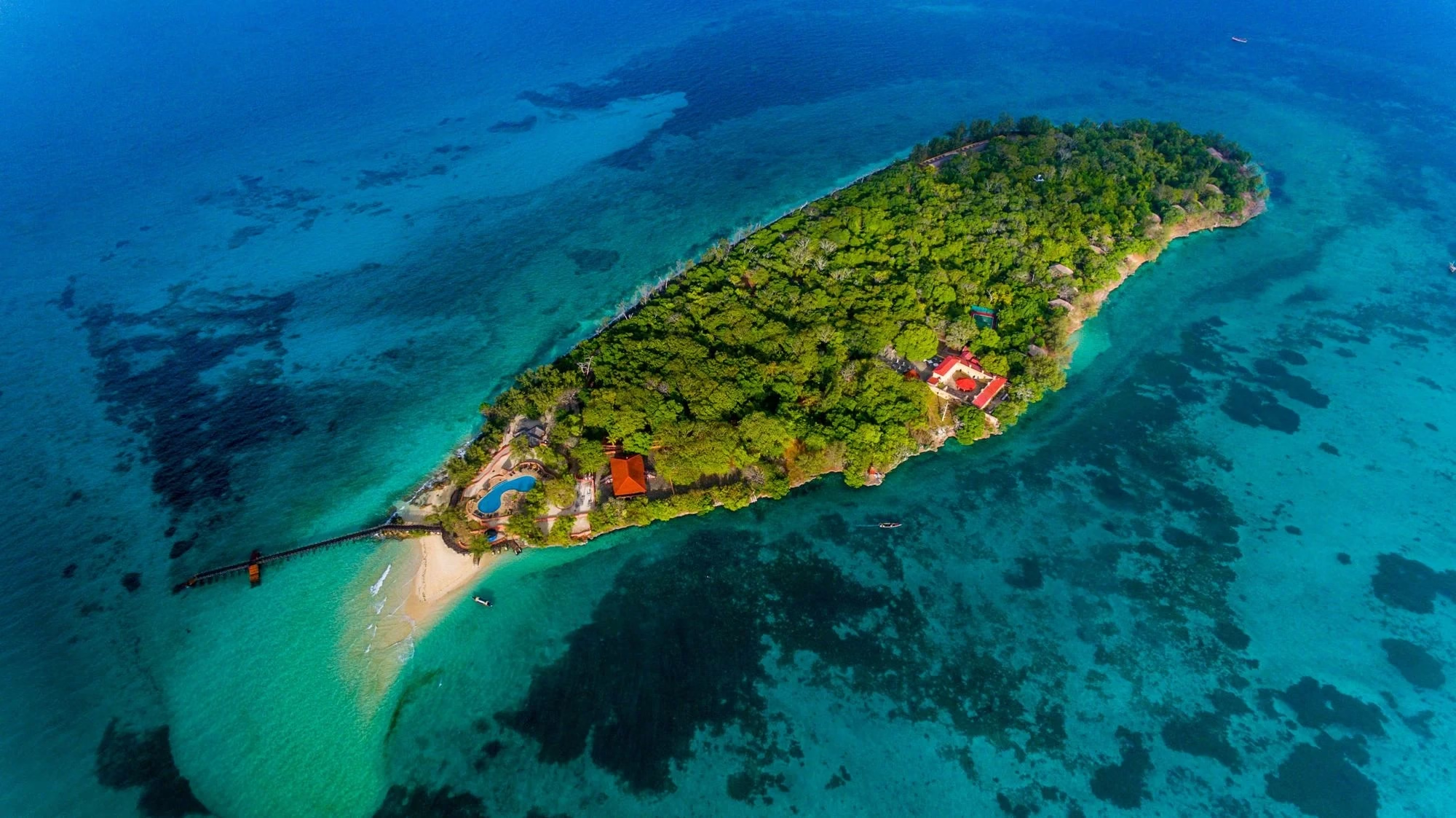
Travel Guide
Discover what Tanzania is best known for: the Great Migration, Serengeti safaris, Mount Kilimanjaro, Ngorongoro Crater, Zanzibar beaches, and Maasai culture.
Travelers researching what Tanzania is known for quickly discover a country with an unusually broad range of experiences. Tanzania combines famous wildlife areas, Africa’s highest mountain, tropical Indian Ocean beaches and distinctive cultural experiences within one destination. This variety makes it possible to create a trip that moves from active wildlife viewing to mountain landscapes and then to a relaxed coastal stay.
Among the country’s best-known attractions are the Great Migration, Serengeti safaris, Mount Kilimanjaro, Ngorongoro Crater and Zanzibar. Each provides a different reason to visit. A traveler focused entirely on wildlife may spend most of the journey on the northern safari circuit, while another visitor may combine a shorter safari with Zanzibar.
Understanding these different attractions helps travelers build a Tanzania itinerary that matches their interests and available time.
The Great Migration is one of the wildlife experiences most strongly associated with Tanzania.
Large numbers of wildebeest and other grazing animals move through the broader Serengeti ecosystem in response to seasonal conditions and access to grazing and water.
The movement is continuous rather than a single event occurring on one specific date.
Travelers should therefore avoid assuming that a particular migration spectacle is guaranteed simply because they are visiting Tanzania.
The location of large herds varies through the year, and natural conditions influence their movements.
A knowledgeable safari planner can match the itinerary with the travel period and the type of migration experience the visitor hopes to see.
Serengeti National Park is one of the best-known safari destinations in Africa.
Its broad landscapes and wildlife viewing opportunities have made the name Serengeti almost synonymous with an East African safari.
Visitors can explore different areas depending on the season and itinerary.
Game drives are the main way many travelers experience the park.
A good safari should allow enough time for observation rather than rushing from one sighting to another.
Predators, herbivores, birds and the wider landscape all contribute to the Serengeti experience.
Travelers interested in photography often benefit from spending several nights rather than treating the park as a brief stop.
Tanzania’s wildlife appeal extends beyond the Great Migration.
A safari remains worthwhile even when the travel dates do not correspond with the particular migration experience a visitor originally imagined.
Resident wildlife provides opportunities throughout the year.
Guides can interpret animal behavior, tracks and interactions between species.
Visitors should approach every game drive with patience because wildlife remains unpredictable.
A quieter sighting of an animal behaving naturally can be more memorable than arriving at a crowded location simply because it contains a famous species.
Mount Kilimanjaro is another defining symbol of Tanzania.
The mountain attracts trekkers from around the world who want to experience its changing environments and attempt a high-altitude climb.
Kilimanjaro requires preparation.
It should not be treated as a casual addition to a short safari.
Travelers need enough time for an appropriate climbing program, suitable equipment and physical preparation.
High altitude creates challenges that are very different from those experienced during a safari.
Visitors planning both a climb and wildlife tour should build enough recovery time into the complete itinerary.
Physical fitness is useful, but climbing Kilimanjaro is not simply a test of strength.
The body’s response to altitude is extremely important.
Travelers should select an itinerary that allows a sensible pace and follow the guidance of qualified mountain personnel.
Clothing needs to account for substantial changes in temperature.
Good walking footwear should be broken in before departure.
Travelers also need appropriate insurance and should understand the demands of the route selected.
A well-prepared trek provides a much better experience than trying to complete the mountain in an unnecessarily rushed schedule.
Ngorongoro is another major attraction associated with Tanzania’s northern safari circuit.
The crater landscape provides a dramatic setting for wildlife viewing.
Travelers often combine Ngorongoro with the Serengeti because the destinations can fit naturally into the same safari route.
The experience differs from the vast open character of the Serengeti.
This contrast helps create variety within a relatively compact section of a longer Tanzania journey.
Visitors should allow enough time for the experience rather than treating the crater only as a quick transfer stop.
The northern circuit allows travelers to connect several major safari destinations.
The exact route depends on the number of days available and the season.
A short safari needs careful prioritization.
Travelers with more time can slow the pace and spend additional nights in key wildlife areas.
Constantly changing lodges may allow visitors to claim they have visited more places, but it can reduce actual wildlife-viewing time.
A well-paced safari often provides a stronger experience than an itinerary designed simply to include the largest possible number of parks.
Zanzibar provides a completely different side of Tanzania.
After early safari mornings and dusty game drives, travelers can move to the Indian Ocean for a beach stay.
The island is known for beaches, coastal scenery and a cultural history shaped by centuries of interaction across the Indian Ocean.
Different areas can provide different styles of stay.
Some travelers prioritize quiet beachfront relaxation, while others want access to activities and cultural exploration.
Accommodation should be selected according to these preferences rather than assuming every part of Zanzibar offers the same experience.
Combining a safari with Zanzibar is one of the classic ways to experience Tanzania.
The contrast works particularly well.
The first part of the journey can focus on wildlife, photography and early morning activities.
The final days can provide more time to rest.
Couples and honeymooners often find this combination attractive, but it also works for families and groups.
The itinerary should allow enough time for both components.
A one-night beach stay after a long journey usually provides little opportunity to relax.
A Zanzibar visit does not need to focus entirely on beaches.
Travelers can also explore the island’s historic and cultural character.
Guided experiences can provide context that visitors may miss when walking independently.
Travelers should approach local communities respectfully.
Permission should be requested before photographing individuals closely.
Appropriate dress and behavior may vary according to location.
Understanding local customs helps visitors experience Zanzibar as a living community rather than simply a resort destination.
The source description also identifies Maasai culture as one of the elements for which Tanzania is known.
Cultural experiences can add depth to a safari when they are arranged responsibly.
Visitors should avoid treating communities as staged attractions.
A meaningful experience should provide opportunities to learn, ask respectful questions and understand aspects of local life.
Photography should always be handled sensitively.
Travelers should request permission before taking close portraits.
Using responsible local guides can help ensure that cultural encounters are conducted appropriately.
Tanzania appeals strongly to photographers because of the diversity of subjects.
The Serengeti provides wildlife and expansive landscapes.
Ngorongoro adds another dramatic environment.
Kilimanjaro can provide mountain scenery, while Zanzibar offers coastal subjects and architecture.
Wildlife photographers should carry adequate batteries and storage.
Dust protection is important during safari drives.
Travelers using small aircraft should also check luggage restrictions before bringing extensive equipment.
A private vehicle may provide additional photographic flexibility where the itinerary and budget allow.
Few destinations allow couples to combine wildlife and beaches as naturally as Tanzania.
A honeymoon can begin with several days on safari and end with a longer stay in Zanzibar.
Travelers may also include luxury accommodation and private activities according to budget.
The schedule should remain relaxed.
Trying to visit too many safari areas before the beach can make the first half of the honeymoon unnecessarily tiring.
Several nights in carefully selected destinations often create a better experience than constant movement.
Families can also build varied Tanzania itineraries.
Children may enjoy wildlife viewing, but age and attention span should be considered when planning long game drives.
Private transport can provide additional flexibility.
Families should check accommodation configurations and any age restrictions applying to activities.
A Zanzibar extension can provide a useful change of pace after safari days.
Parents should still plan sun protection, hydration and realistic transfer times throughout the trip.
The best time depends on what the traveler wants to experience.
Wildlife movements, weather and visitor numbers vary through the year.
Someone focused on a particular migration phase may select dates differently from a traveler primarily interested in Kilimanjaro.
Beach visitors also need to consider the conditions appropriate for their preferred activities.
Instead of asking for one universal best month, travelers should identify their highest priorities and plan around them.
Understanding what Tanzania is known for means looking beyond a single attraction.
The Great Migration and Serengeti provide some of Africa’s most recognized safari imagery. Mount Kilimanjaro gives adventurous travelers a completely different challenge. Ngorongoro adds a remarkable wildlife landscape, while Zanzibar offers beaches and cultural experiences along the Indian Ocean.
Maasai cultural experiences add another dimension when approached responsibly.
These attractions can be experienced individually, but Tanzania’s greatest strength is the ability to combine them.
A carefully paced itinerary can move from wildlife-rich savannahs to mountain landscapes and finally to the coast, giving travelers several distinct experiences within one journey.

Nshongi Gorilla Family in Bwindi: History, Location and Trekking Guide The Nshongi Gorilla Family holds an important place…
Read article →
Mishaya Gorilla Family in Bwindi: History, Trekking and What to Know The Mishaya Gorilla Family is one of…
Read article →
Semuliki Hot Springs Visit Guide: What to Expect Semuliki Hot Springs offers one of the most unusual natural…
Read article →
Kidepo Valley Remote Safari Guide: What to Expect Kidepo Valley National Park offers one of Uganda's most remote…
Read article →