

Nshongi Gorilla Family in Bwindi
Nshongi Gorilla Family in Bwindi: History, Location and Trekking Guide The Nshongi Gorilla Family holds an important place…
Read article →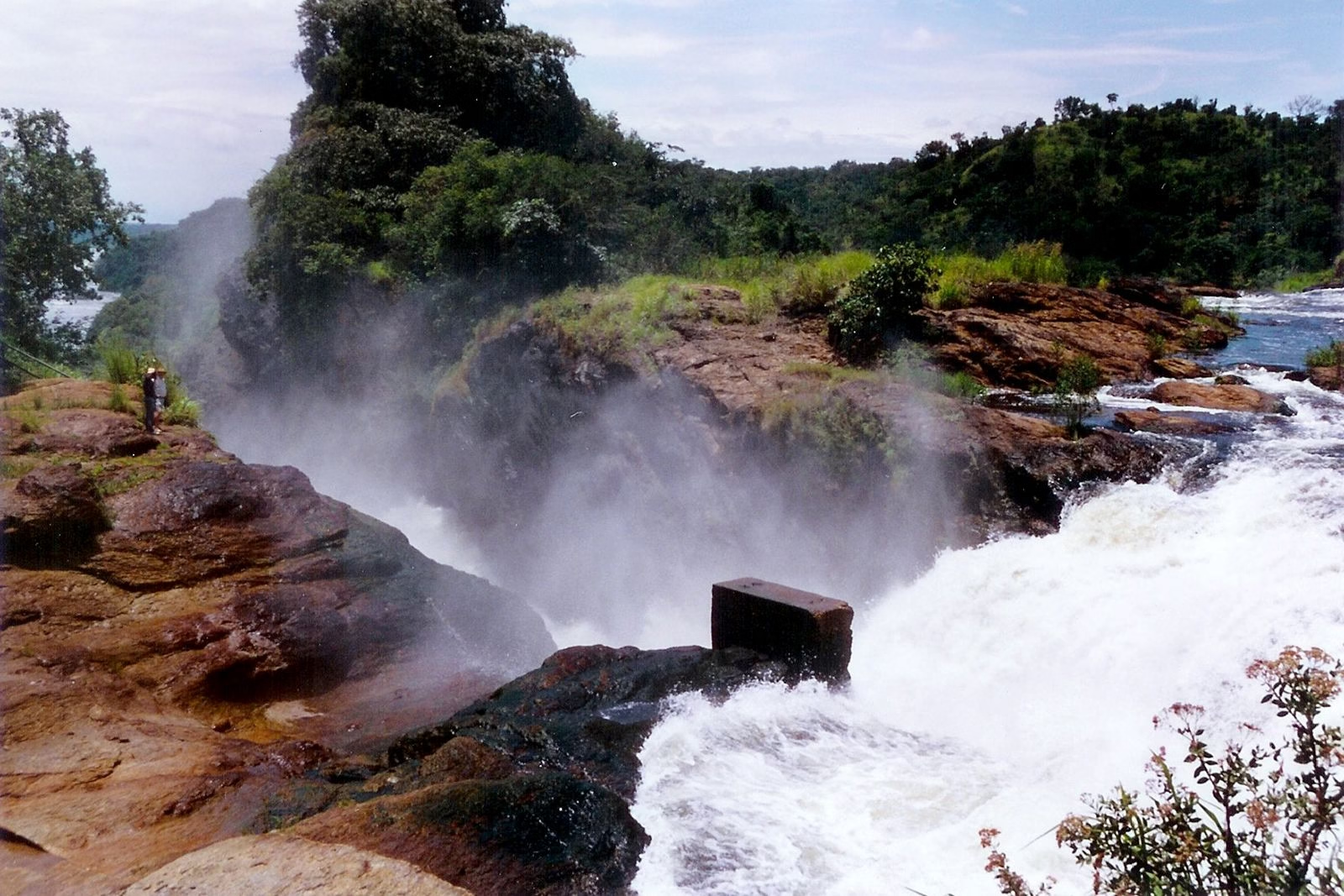
Travel Guide
Discover the stunning waterfalls of Uganda, from the mighty Murchison Falls to the hidden gems across the country. Plan your waterfall adventure today!
Trying to establish exactly how many waterfalls in Uganda exist is not as straightforward as it might seem. Uganda has numerous named waterfalls as well as smaller seasonal cascades scattered across mountainous regions, river systems and forest landscapes. Not every waterfall is formally documented as a tourism attraction, and some remote cascades are known mainly to surrounding communities.
What is certain is that waterfalls form an important part of Uganda’s natural landscape. From the enormous power of Murchison Falls on the Nile to beautiful cascades in the eastern highlands, travelers can experience waterfalls in very different environments. Some are major national attractions, while others require hikes through villages, forests and agricultural landscapes.
Uganda’s geography creates excellent conditions for waterfalls. The country contains high mountains, volcanic landscapes, escarpments, rivers and elevated plateaus. Water flowing from these higher areas often drops sharply as it moves toward lower valleys.
Rainfall also feeds streams and rivers throughout much of the country. In mountainous areas, these waterways can create cascades of different sizes.
Some waterfalls in Uganda are powerful throughout the year, while smaller waterfalls may change dramatically according to rainfall. During wetter periods, cascades can become broader and more energetic. During drier months, certain smaller falls may carry considerably less water.
This variation is one reason assigning a single permanent number to Uganda’s waterfalls is difficult.
Murchison Falls is undoubtedly Uganda’s most famous waterfall. Located within Murchison Falls National Park, it is created as the Victoria Nile forces its water through a narrow rocky channel before plunging downward.
The result is a spectacular display of power. Visitors can experience the falls from viewpoints above or approach the lower section during boat excursions on the Nile.
A boat safari provides a broader wildlife experience because the riverbanks support hippos, crocodiles, waterbirds and other animals. Depending on conditions, elephants and other mammals may also be seen near the water.
The top-of-the-falls experience provides a completely different perspective. Here visitors can hear and feel the force of the Nile as it moves through the rocky gorge.
Among all waterfalls in Uganda, Murchison Falls is the most closely integrated with a major wildlife safari destination.
Sipi Falls in eastern Uganda is another celebrated waterfall destination. Located near Mount Elgon, the area is known for dramatic cliffs, cultivated hillsides and a series of impressive cascades.
Visitors generally experience Sipi through guided walks. Trails cross local communities and farmland before reaching viewpoints and waterfall areas.
The hiking experience is part of the attraction. Instead of simply driving to a viewpoint, travelers can spend several hours exploring the landscape.
Sipi is also associated with coffee-growing communities. Coffee experiences can be combined with waterfall hikes, allowing visitors to learn about cultivation and processing while exploring the region.
The cooler highland climate and wide views make Sipi particularly attractive to travelers who enjoy active adventures.
Sezibwa Falls offers a different experience and can be incorporated into journeys between Kampala and eastern Uganda. The falls are associated not only with natural scenery but also with cultural traditions.
This combination makes Sezibwa interesting for travelers who want to explore the relationship between landscapes and local heritage.
The waterfall is smaller than Murchison Falls, but size is not the only reason to visit a waterfall. The surrounding rocks, vegetation and cultural stories give the site its own identity.
Sezibwa can work particularly well as a stop on a longer road journey rather than requiring an entire safari itinerary.
The Mount Elgon region contains numerous streams and steep slopes, creating conditions for multiple cascades beyond the best-known Sipi Falls.
Some can be reached through guided hikes, while others are more remote. Local knowledge becomes valuable because trails may cross community land and routes can change according to weather.
Waterfall exploration in this region can be combined with hiking, birdwatching and community tourism.
Visitors should use experienced guides, particularly when trails are wet. Rocks around waterfalls can be extremely slippery, and seemingly easy paths can become challenging after heavy rain.
Western Uganda’s mountainous and forested landscapes also contain waterfalls and cascades. The Rwenzori region is particularly rich in fast-flowing mountain streams.
Hiking routes through highland areas may pass waterfalls that are rarely visited by conventional safari groups. These experiences appeal to travelers interested in trekking and landscape photography.
Forest destinations can also contain smaller cascades. Although they may not have the scale of Murchison Falls, the combination of dense vegetation, flowing water and birdlife can create beautiful settings.
This illustrates why counting the exact number of waterfalls in Uganda is difficult. Many exist away from established tourist routes.
The best period depends on the type of experience a traveler wants. Waterfalls can become particularly dramatic during or following rainy periods because rivers and streams carry greater volumes of water.
However, rain can also make hiking trails muddy and slippery. Visitors planning waterfall walks should wear footwear with good grip and carry lightweight waterproof clothing.
Drier periods may provide easier walking conditions and clearer views. Major waterfalls fed by substantial river systems remain impressive beyond the wettest months.
Photography conditions vary throughout the day. Mist, direct sunlight and spray can influence images, so photographers may want to protect equipment and carry a lens cloth.
Waterfalls are beautiful but require sensible precautions. Wet rocks can be extremely slippery, and strong currents should never be underestimated.
Visitors should remain on established trails and follow local guides. Climbing onto exposed rocks simply for photographs can create unnecessary risks.
Suitable hiking shoes are important. Sandals may be comfortable for casual sightseeing but often provide inadequate grip on wet trails.
Travelers should also protect cameras and phones from spray. A waterproof pouch or dry bag can be useful during wetter hikes.
During periods of heavy rain, guides may alter routes for safety. Visitors should respect these decisions rather than insisting on reaching a particular viewpoint.
Several waterfall destinations are closely connected with surrounding communities. Local guides may lead walks, while households provide coffee experiences, meals, crafts or accommodation.
This can help distribute tourism income beyond major parks and lodges.
Travelers can contribute by booking legitimate community-based experiences, paying agreed guiding fees and respecting private land.
Waterfall tourism can therefore offer more than scenic value. When responsibly managed, it can support rural livelihoods while encouraging communities to protect natural landscapes.
Photographers have many opportunities to experiment with waterfalls. Wide-angle views can capture surrounding cliffs and vegetation, while tighter compositions emphasize patterns in flowing water.
A tripod can be useful for photographers who want longer exposures, although carrying one on steep trails may be inconvenient.
Water spray is another consideration. Keep a microfiber cloth accessible and protect equipment when standing near powerful falls.
At Murchison Falls, photographs can emphasize the scale and force of the Nile. Around Sipi, wider compositions can incorporate valleys, cliffs and agricultural landscapes.
Smaller waterfalls can be equally photogenic when framed by forest vegetation.
Waterfalls can fit naturally into broader Uganda itineraries. Murchison Falls combines directly with game drives and Nile boat safaris.
Sipi Falls can be paired with eastern Uganda attractions and Mount Elgon experiences. Sezibwa can be visited during an eastern road journey.
Western cascades can complement gorilla trekking, chimpanzee tracking or mountain hiking depending on their location.
This flexibility means travelers do not necessarily need a dedicated waterfall holiday. Several waterfalls in Uganda can be incorporated into an itinerary already focused on wildlife and culture.
There is no simple authoritative tourism count covering every permanent, seasonal, named and unnamed waterfall across Uganda. Any fixed number risks excluding smaller or locally known cascades.
It is therefore more useful to think of Uganda as having numerous waterfall systems spread across different geographical regions rather than focusing on a single total.
The best-known sites represent only part of the picture. Rivers flowing through escarpments, mountain streams descending from highlands and seasonal waterways continually shape Uganda’s landscapes.
For travelers, this diversity is more important than the precise count.
Start by deciding whether waterfalls will be the focus of the journey or additions to a broader safari. Murchison Falls is ideal for visitors combining waterfalls with wildlife. Sipi suits travelers interested in hiking, landscapes and coffee culture.
Smaller waterfalls can provide rewarding additions for visitors willing to explore beyond the country’s most famous attractions.
Whichever sites you choose, allow enough time to enjoy them rather than treating every waterfall as a quick photograph stop. Walk the trails, observe the surrounding landscapes and listen to local guides.
The variety of waterfalls in Uganda reflects the country’s extraordinary geography. From the roaring Nile at Murchison Falls to mountain cascades hidden among farms and forests, these natural features add another compelling dimension to a journey through Uganda.

Nshongi Gorilla Family in Bwindi: History, Location and Trekking Guide The Nshongi Gorilla Family holds an important place…
Read article →
Mishaya Gorilla Family in Bwindi: History, Trekking and What to Know The Mishaya Gorilla Family is one of…
Read article →
Semuliki Hot Springs Visit Guide: What to Expect Semuliki Hot Springs offers one of the most unusual natural…
Read article →
Kidepo Valley Remote Safari Guide: What to Expect Kidepo Valley National Park offers one of Uganda's most remote…
Read article →