

Nshongi Gorilla Family in Bwindi
Nshongi Gorilla Family in Bwindi: History, Location and Trekking Guide The Nshongi Gorilla Family holds an important place…
Read article →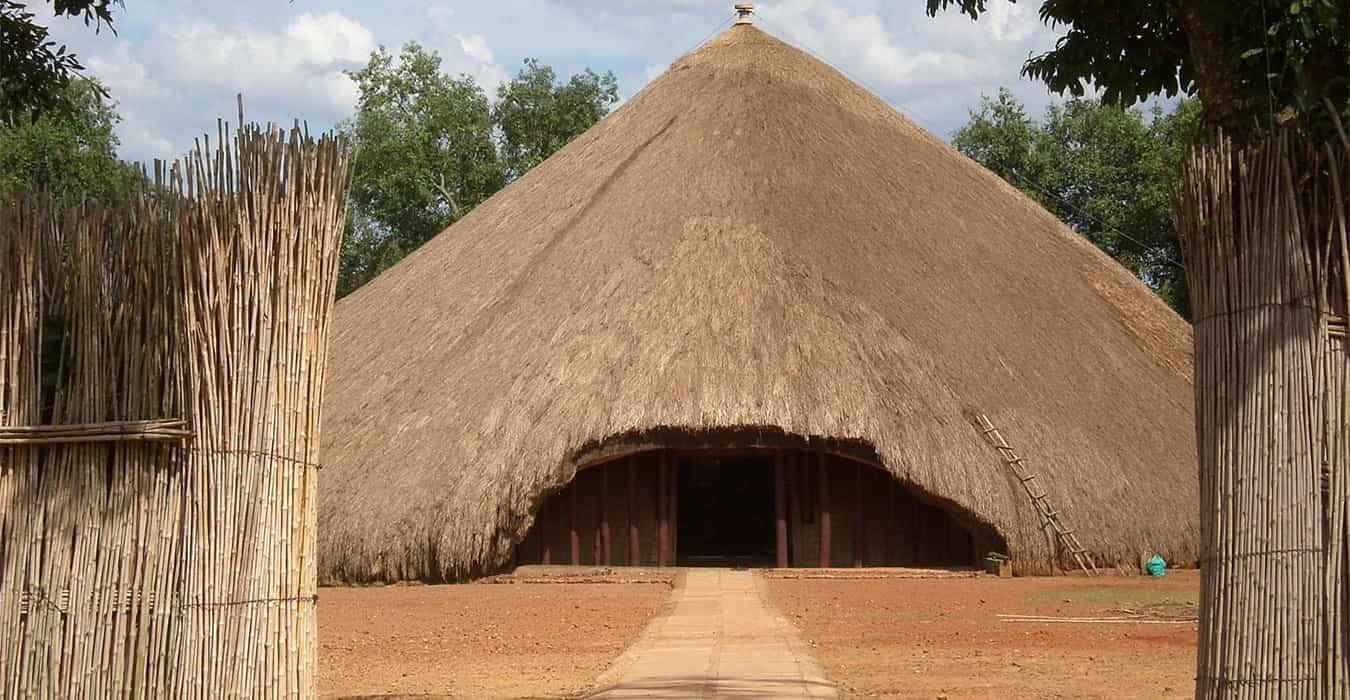
Travel Guide
Discover Uganda’s UNESCO World Heritage Sites, including Bwindi Impenetrable Forest, Rwenzori Mountains, the Kasubi Tombs, and Itanda Falls. Explore nature, history, and culture.
Uganda World Heritage Sites bring together natural landscapes and cultural heritage that the supplied source presents as having exceptional ecological, historical, and spiritual importance. The source focuses particularly on Bwindi Impenetrable National Park, Rwenzori Mountains National Park, and the Kasubi Tombs, while also discussing several other Ugandan destinations as possible future heritage sites.
For travelers, these places reveal very different dimensions of Uganda. Bwindi represents tropical forest biodiversity and mountain gorilla conservation. The Rwenzori Mountains introduce dramatic high-altitude scenery and specialized ecosystems. The Kasubi Tombs connect visitors with Buganda’s royal history, architecture, spirituality, and cultural identity.
The supplied material also highlights the importance of protecting heritage through conservation initiatives, community participation, restoration, and responsible tourism.
World Heritage designation recognizes places considered especially important for humanity’s natural or cultural heritage.
Within the supplied source, Uganda’s recognized sites are presented as attractions for researchers, conservationists, cultural travelers, hikers, wildlife enthusiasts, and general visitors.
Their importance extends beyond tourism.
These landscapes and cultural sites preserve biodiversity, history, traditional knowledge, architecture, and identity.
The supplied source identifies Bwindi Impenetrable National Park as a natural heritage site in southwestern Uganda.
It gives 1994 as the year of designation.
Bwindi is described as a biodiversity hotspot dominated by dense rainforest.
The source states that the park covers more than 320 square kilometers.
Mountain gorillas are the wildlife attraction most strongly associated with Bwindi.
The source describes the forest as supporting nearly half of the world’s remaining mountain gorillas.
This framing emphasizes Bwindi’s international importance for primate conservation.
Visitors can participate in regulated gorilla trekking to observe habituated groups.
Gorilla trekking provides travelers with a direct connection to Bwindi’s conservation story.
Visitors walk through forest with guides before reaching a habituated gorilla group.
The experience should always be conducted according to park regulations.
Tourism works best when wildlife welfare remains the priority.
Gorillas represent only part of Bwindi’s ecological importance.
The supplied source states that the park contains more than 120 mammal species and over 350 bird species.
These figures demonstrate why conserving the entire forest matters.
Protecting gorilla habitat simultaneously protects numerous other organisms.
Bwindi’s forest landscape is itself a major attraction.
Dense vegetation, steep terrain, streams, birds, primates, and plant diversity create a complex ecosystem.
Visitors should therefore appreciate the forest journey rather than viewing everything before the gorilla sighting as merely a delay.
The supplied source presents Bwindi as both a tourism destination and conservation sanctuary.
Maintaining the forest protects wildlife and contributes to the long-term survival of species dependent on it.
Responsible tourism can support this objective when visitation is carefully controlled.
The second natural heritage site highlighted is Rwenzori Mountains National Park in western Uganda.
The source also gives 1994 as its designation year.
The mountains are commonly referred to in the supplied material as the Mountains of the Moon.
The Rwenzoris offer a dramatically different environment from Bwindi.
The source emphasizes mountain scenery, glaciers, snow-capped peaks, and alpine vegetation.
These features make the range one of Uganda’s most distinctive landscapes.
According to the supplied material, the UNESCO-listed park extends across more than 1,000 square kilometers.
This figure is retained directly from the source.
The protected area encompasses a range of elevations and ecological zones.
Glaciers are among the defining high-altitude features mentioned.
They contribute to the unusual character of the Rwenzori landscape.
Visitors undertaking high mountain expeditions encounter environments very different from Uganda’s tropical lowlands and savannahs.
The supplied source highlights alpine vegetation.
As elevation changes, vegetation also changes.
This creates a journey through distinct ecological zones.
For hikers, the changing plant communities can be as memorable as the eventual mountain viewpoints.
The Rwenzoris are described as a destination for hikers and mountaineers.
Travelers can undertake different levels of mountain exploration depending on time, experience, and physical ability.
Longer high-altitude routes require significantly more preparation than ordinary day hikes.
The source identifies the Rwenzori turaco among notable species.
Birdwatchers can therefore combine mountain scenery with specialized birding.
Learning calls and working with experienced guides can improve chances of detecting forest and mountain birds.
The supplied source also mentions the three-horned chameleon.
Smaller species such as reptiles can be overlooked when travelers concentrate only on mountains or large mammals.
Guided walks can help visitors notice these less obvious components of biodiversity.
The major cultural heritage site discussed in the source is the Kasubi Tombs in Kampala.
The material gives 2001 as the year of designation.
The site is presented as both a spiritual place and a royal burial ground associated with the kings, or Kabakas, of Buganda.
The Kasubi Tombs connect visitors with the history of the Buganda Kingdom.
Royal heritage, spiritual traditions, and cultural identity come together at the site.
Understanding this background is important because the tombs are not simply historical buildings.
They remain culturally significant.
The supplied source specifically describes Kasubi as sacred to the Baganda people.
Visitors should therefore behave respectfully.
Cultural tourism requires sensitivity to local customs, especially at places that continue to hold spiritual importance.
Architecture is another important feature.
The source highlights construction using traditional materials including reeds and thatch.
These building methods demonstrate the architectural heritage of Buganda.
The structures therefore have value both for what they represent and for how they were constructed.
The supplied source states that a fire in 2010 destroyed much of the site.
It then notes continuing restoration efforts intended to preserve its historical and cultural importance.
This restoration story forms an important part of understanding the site’s more recent history.
Restoring culturally significant architecture requires more than rebuilding physical structures.
Traditional techniques, materials, knowledge, and community involvement can all matter.
The source presents restoration as part of the broader effort to preserve Kasubi for future generations.
The supplied material distinguishes officially discussed heritage sites from several places it presents as possible future candidates.
This distinction is important.
The source lists Kibale National Park, Mount Elgon National Park, and Murchison Falls National Park under potential future World Heritage Sites rather than presenting them as already inscribed sites.
Kibale is highlighted for chimpanzee tracking and primate conservation.
Its tropical forest supports a rich primate community.
The source presents these ecological qualities as reasons it could have future heritage significance.
Mount Elgon is described as an important transboundary conservation area shared with Kenya.
Its mountain ecosystems add another dimension to Uganda’s natural heritage.
The source places it among destinations with potential for future recognition.
Murchison Falls is highlighted for its powerful waterfall and broader natural landscape.
The Nile passing through a narrow gorge creates the park’s signature feature.
Wildlife and river experiences add to its tourism importance.
The supplied Meta Description explicitly mentions Itanda Falls alongside Bwindi, the Rwenzori Mountains, and Kasubi Tombs.
However, the article source itself does not provide a substantive section describing Itanda Falls or identify it within its detailed list of UNESCO-designated sites.
For that reason, the supplied SEO wording is retained exactly while the body does not invent unsupported World Heritage details for Itanda Falls.
The supplied source emphasizes that preserving heritage sites is important for biodiversity conservation, cultural heritage, and sustainable tourism.
Protection requires long-term effort.
A designation alone cannot prevent environmental degradation or loss of cultural knowledge.
Natural heritage sites need active conservation.
Wildlife monitoring, habitat management, research, ranger work, and visitor management can all contribute.
The exact needs differ between a rainforest and a mountain ecosystem.
The source identifies community engagement as another important component.
People living around protected landscapes are closely affected by conservation decisions.
Long-term protection becomes stronger when communities participate meaningfully and receive benefits.
Visitors also have responsibilities.
Travelers should follow park regulations, respect sacred places, avoid damaging natural environments, and use tourism services responsibly.
Heritage should not be treated as a resource that can absorb unlimited visitor pressure.
Uganda’s heritage attractions can form part of a longer itinerary.
Travelers might combine Bwindi’s forest with mountain exploration in the Rwenzoris and cultural experiences in Kampala.
Such a journey demonstrates the diversity contained within the country’s heritage.
One of the strongest aspects of the supplied source is its combination of natural and cultural heritage.
Uganda’s identity cannot be understood only through wildlife.
Royal traditions, architecture, spiritual sites, forests, mountains, and communities all contribute to the wider story.
The supplied source centers its Uganda World Heritage Sites discussion on three major places: Bwindi Impenetrable National Park, Rwenzori Mountains National Park, and the Kasubi Tombs.
Bwindi is presented as a natural heritage site designated in 1994 and internationally important for mountain gorillas and rainforest biodiversity. The Rwenzori Mountains, also identified with a 1994 designation, protect high-altitude landscapes, glaciers, alpine vegetation, and specialized wildlife.
The Kasubi Tombs are presented as a cultural heritage site designated in 2001. They preserve Buganda royal, spiritual, and architectural heritage, while restoration following the 2010 fire remains part of the site’s story.
The source additionally discusses Kibale, Mount Elgon, and Murchison Falls as potential future heritage sites.
Together, these places demonstrate why heritage conservation extends beyond tourism. Protecting them safeguards ecosystems, cultural memory, architecture, wildlife, and traditions that the supplied source presents as important for future generations.

Nshongi Gorilla Family in Bwindi: History, Location and Trekking Guide The Nshongi Gorilla Family holds an important place…
Read article →
Mishaya Gorilla Family in Bwindi: History, Trekking and What to Know The Mishaya Gorilla Family is one of…
Read article →
Semuliki Hot Springs Visit Guide: What to Expect Semuliki Hot Springs offers one of the most unusual natural…
Read article →
Kidepo Valley Remote Safari Guide: What to Expect Kidepo Valley National Park offers one of Uganda's most remote…
Read article →