
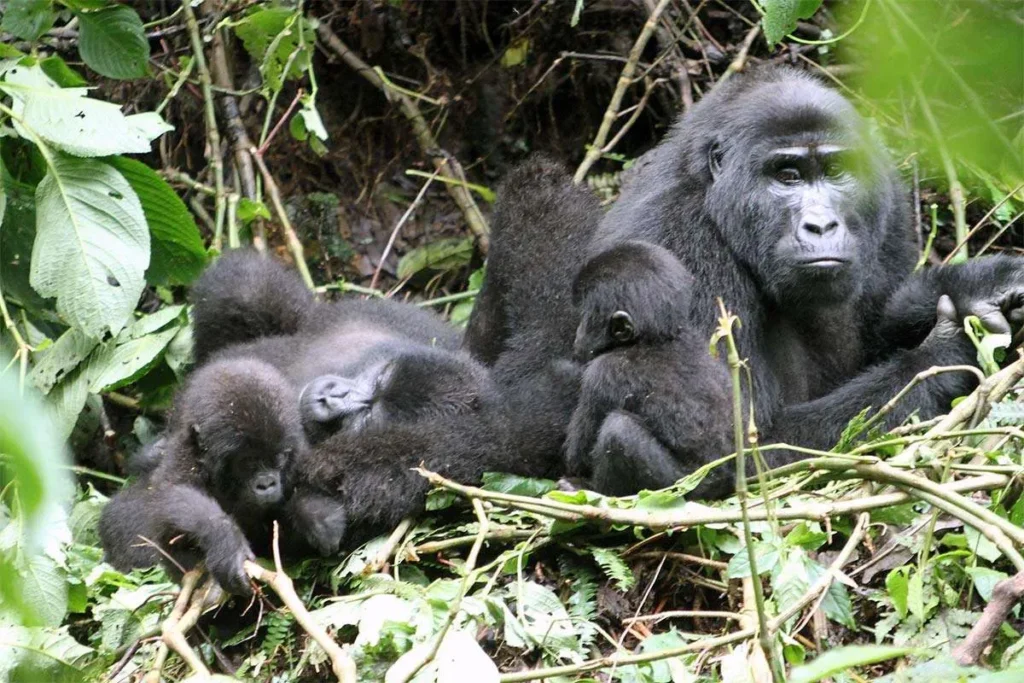
Nshongi Gorilla Family in Bwindi
Nshongi Gorilla Family in Bwindi: History, Location and Trekking Guide The Nshongi Gorilla Family holds an important place…
Read article →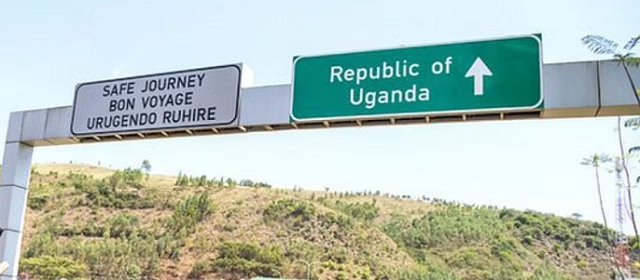
Travel Guide
The reopening of Uganda's borders and airports marked an important stage in the recovery of international tourism after periods of travel disruption. For safari travelers, restored international access meant that journeys to Uganda's national parks, gorilla…
The reopening of Uganda’s borders and airports marked an important stage in the recovery of international tourism after periods of travel disruption. For safari travelers, restored international access meant that journeys to Uganda’s national parks, gorilla trekking regions and other attractions could once again be planned through established entry points.
The subject of Uganda borders open should always be understood in its historical context. Entry rules and travel requirements can change after a reopening announcement, so travelers planning a current safari should verify the requirements applicable to their actual travel dates rather than relying solely on an older tourism update.
Uganda remains an important East African safari destination because it combines mountain gorillas, chimpanzees, savannah wildlife, birding, rivers, lakes and cultural experiences within one country.
International tourism depends on reliable access.
When borders or airports are restricted, the effects extend beyond airlines and travelers.
Safari guides, accommodation providers, drivers, restaurants, craft sellers and communities connected with tourism can all be affected.
The return of international arrivals therefore has significance throughout the tourism economy.
For travelers, restored access means safari routes can once again connect Uganda with other East African destinations.
However, open borders do not mean that travelers can ignore entry procedures.
Passports, visas and any current health requirements still need to be checked before departure.
Entebbe is the principal aviation gateway used by many international visitors arriving for a Uganda safari.
Its location near Kampala and Lake Victoria makes it a practical starting point for journeys into other regions.
Travelers arriving after a long international flight often spend their first night in Entebbe or the wider Kampala area.
This provides time to rest before beginning a long road transfer.
It can also be useful when the itinerary includes a domestic flight the following day.
A properly planned arrival night reduces the risk of turning the first safari day into an exhausting continuation of international travel.
Uganda’s land connections are important for travelers combining several East African countries.
Rwanda and Uganda are frequently combined in primate-focused itineraries because both countries offer mountain gorilla experiences.
Other regional combinations can link Uganda with Kenya or Tanzania depending on the route.
Travelers should check the exact entry rules applying at each border they intend to use.
Requirements can depend on nationality and travel circumstances.
A visa or arrangement suitable for one journey should never be assumed to cover every traveler.
Current official information is the appropriate basis for travel-document decisions.
Gorilla trekking is one of Uganda’s most internationally recognized tourism experiences.
Bwindi Impenetrable National Park is central to many gorilla itineraries.
Travelers need to organize permits in advance and stay in accommodation that works with their trekking arrangements.
The return of international tourism restored the ability of visitors to participate in experiences that also contribute economically to conservation landscapes.
Gorilla tourism supports more than the visitor encounter itself.
Guides, rangers, porters, accommodation workers, drivers and community enterprises can all be linked to the wider tourism economy.
Uganda also attracts visitors interested in chimpanzees and other primates.
Forest experiences can be combined with gorilla trekking to create a broader primate-focused journey.
Travelers should confirm the permits and requirements associated with their selected activity.
Accommodation should be coordinated with activity starting points.
A primate itinerary can be physically active, so enough rest should be included between long transfers and trekking days.
Visitors should also follow all conservation and health regulations communicated during their activities.
Responsible tourism remains essential regardless of whether an experience takes place soon after a reopening or many years later.
Uganda’s tourism offering extends well beyond primates.
Savannah national parks provide opportunities for traditional wildlife viewing.
Game drives can introduce visitors to a different range of landscapes and animals from those found in the country’s forests.
A longer safari can therefore combine several ecosystems.
Travelers may move from gorilla trekking to open savannah, waterways and other habitats during the same journey.
This variety is one of Uganda’s strengths as a safari destination.
The route should nevertheless remain realistic. Long distances between destinations mean travelers need enough time to avoid spending most of the holiday inside a vehicle.
Water-based activities can add another dimension to a Uganda safari.
Depending on the destination and current operations, boat excursions may provide opportunities to observe wildlife and birds from a different perspective.
These activities can also provide a welcome change after several days of road travel.
Travelers should follow safety instructions and use legitimate operators.
Photography from a boat requires care because movement can make camera stability difficult.
Protecting electronic equipment from water is also sensible.
Activities should be confirmed as part of the current itinerary rather than assumed from older descriptions.
The return of tourism following border disruptions has economic importance.
Safari travel creates direct employment through guiding, driving and hospitality.
It also supports supply chains that include food producers, maintenance services and other businesses.
Communities near national parks may benefit from employment, crafts and tourism-related enterprises.
This economic connection can strengthen the value placed on conservation when tourism is responsibly managed.
Visitors contribute through their spending, but responsible choices matter.
Using legitimate tourism services and respecting local communities helps ensure the industry produces wider benefits.
Travelers should begin with the number of days available.
A short holiday requires a concentrated route, while a longer trip allows several national parks to be combined.
The main priority should be identified early.
If gorilla trekking is essential, the permit date can become the fixed point around which the rest of the safari is organized.
Accommodation and transport can then be selected accordingly.
Visitors should avoid trying to include every attraction in a limited schedule.
A smaller number of destinations with enough time in each often creates a more enjoyable experience.
The historical fact that Uganda borders open does not replace the need to verify current documentation.
Travel rules evolve.
Visitors should check passport requirements, visa arrangements and any current health documentation relevant to their trip.
Airlines may also have their own documentation checks.
Travelers connecting through another country should consider transit requirements.
Documents should be reviewed well before departure rather than at the airport.
Families traveling with children should confirm whether any additional documentation applies to their circumstances.
International travel requires appropriate health preparation.
Travelers should seek professional medical advice based on their personal circumstances and itinerary.
Medication should be packed in sufficient quantities and carried appropriately.
Travel insurance is also important.
Visitors should understand what the policy covers, including medical treatment, cancellation and activities such as trekking.
Insurance terms vary, so travelers should read the policy rather than assuming every safari activity is automatically included.
A personal first-aid kit can be useful for minor issues, but it does not replace professional medical assistance.
The return of visitors to a destination creates both opportunities and responsibilities.
Travelers should respect wildlife regulations and avoid pressuring guides to create unnatural encounters.
Waste should be minimized.
Communities should be treated respectfully, and permission should be requested before taking close photographs of people.
Visitors should also follow any current health or safety procedures established by authorities or tourism providers.
Responsible behavior protects both the destination and the reputation of the tourism industry.
Uganda and Rwanda can create a natural multi-country safari combination.
Travelers may enter through one country and depart through another when current entry arrangements and transport logistics permit.
This can reduce unnecessary backtracking.
A combined itinerary may include gorillas, other primates, savannah wildlife and cultural experiences.
The route should be designed around confirmed permits and realistic road times.
Travelers need to verify the immigration requirements applicable to each country rather than assuming that regional travel eliminates border formalities.
Uganda safaris can involve a combination of road and air transport.
Road journeys provide an opportunity to observe changing landscapes and communities.
Flights can reduce travel time on some itineraries where appropriate services are available.
The best option depends on budget and schedule.
Travelers should compare the complete door-to-door journey rather than only the flight duration.
Airport transfers and check-in time also contribute to the total.
For visitors with enough time, a private road safari can provide a deeper sense of the country.
The reopening of Uganda’s borders and airports represented a significant milestone for a tourism industry connected with wildlife conservation, hospitality and local livelihoods.
For travelers, it restored opportunities to experience gorilla trekking, primate forests, savannah safaris and other parts of the country.
Current travelers should nevertheless separate historical reopening information from present-day entry requirements.
Rules in force today may differ from those announced during earlier reopening periods.
Before booking, visitors should verify current border, visa, airline and health requirements from appropriate sources.
With those practical arrangements confirmed, Uganda can be explored through carefully designed itineraries that combine wildlife, landscapes and communities while supporting responsible tourism throughout the journey.

Nshongi Gorilla Family in Bwindi: History, Location and Trekking Guide The Nshongi Gorilla Family holds an important place…
Read article →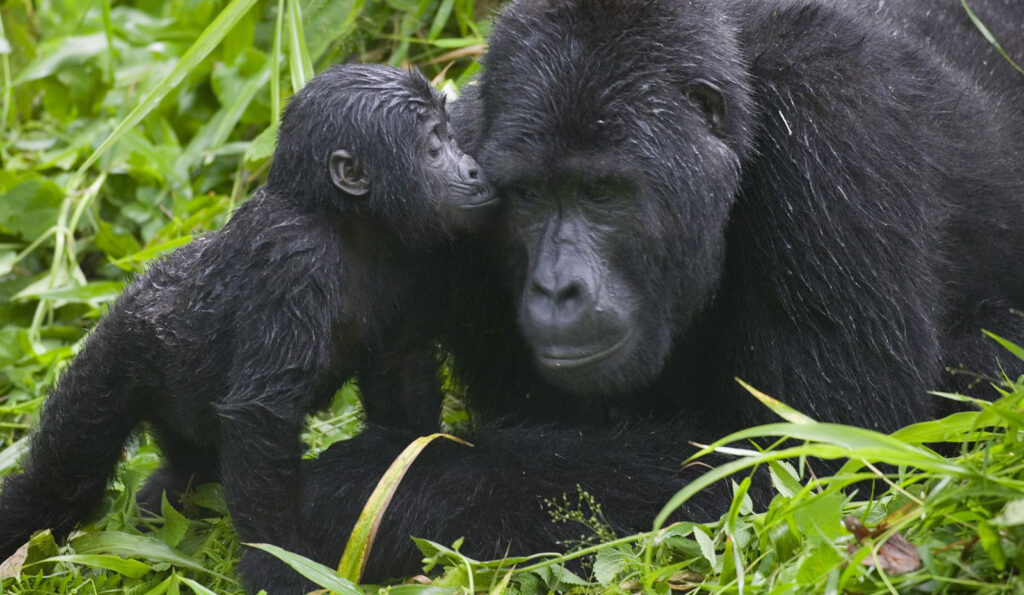
Mishaya Gorilla Family in Bwindi: History, Trekking and What to Know The Mishaya Gorilla Family is one of…
Read article →
Semuliki Hot Springs Visit Guide: What to Expect Semuliki Hot Springs offers one of the most unusual natural…
Read article →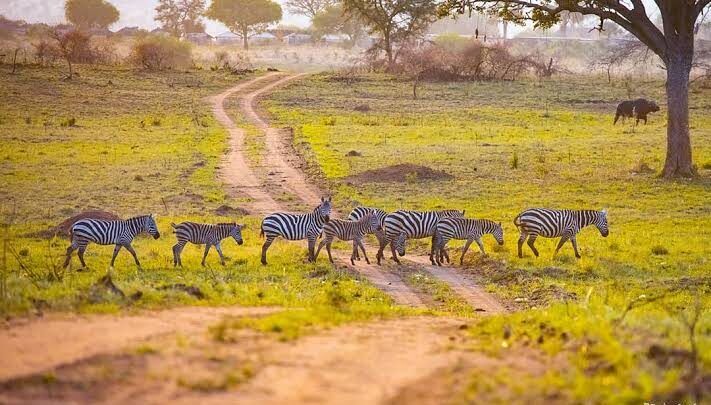
Kidepo Valley Remote Safari Guide: What to Expect Kidepo Valley National Park offers one of Uganda's most remote…
Read article →