

Nshongi Gorilla Family in Bwindi
Nshongi Gorilla Family in Bwindi: History, Location and Trekking Guide The Nshongi Gorilla Family holds an important place…
Read article →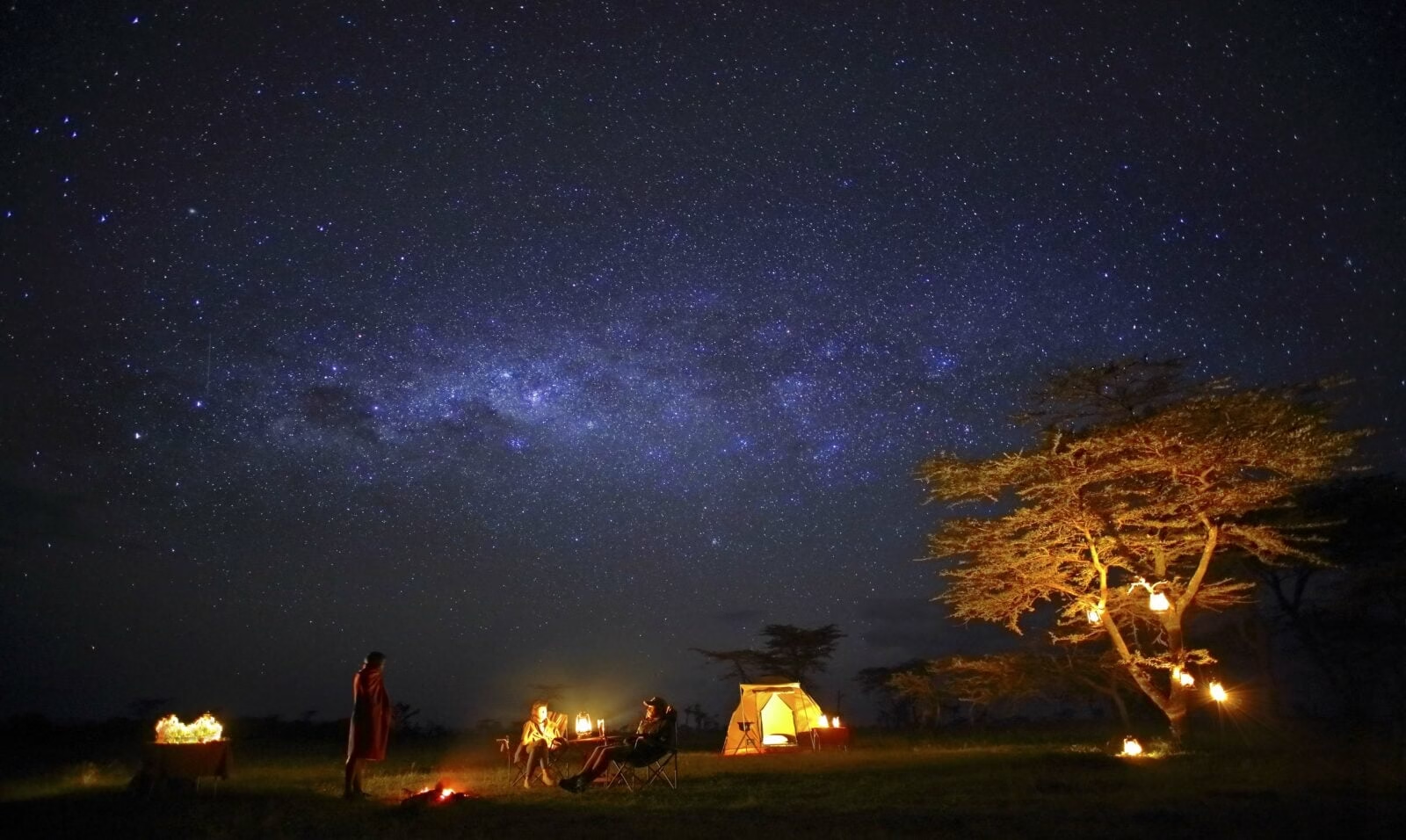
Travel Guide
Discover the best things to see and do in Hwange National Park, Zimbabwe. Explore wildlife safaris, walking tours, and iconic viewpoints.
Hwange National Park offers travelers a combination of classic game drives, waterhole viewing, guided bush walks, conservation experiences, birdwatching, varied landscapes, and nights surrounded by the sounds of the African wilderness. The supplied source describes Hwange as Zimbabwe’s largest wildlife reserve, covering more than 14,600 square kilometers.
The park is particularly associated with elephants, but its wildlife extends far beyond a single species. The source describes more than 100 mammal species and more than 400 bird species, creating opportunities for travelers with interests ranging from large predators to antelopes and birdlife.
Different areas of Hwange also have different characters. Open savannah, woodland, waterholes, rocky hills, mopane forest, and grassland provide varied habitats.
Rather than treating a Hwange safari as a simple checklist of animals, travelers can explore these habitats through several complementary activities.
A traditional game drive in Hwange National Park remains one of the principal ways to explore.
Vehicles allow visitors to cover considerably more ground than they could on foot.
Guides can move between habitats, waterholes, and areas where recent animal activity has been reported.
The supplied source particularly recommends early mornings and late afternoons.
These periods can provide comfortable temperatures and productive wildlife observation.
Hwange is especially famous for its elephants according to the supplied material.
The park’s water sources can attract large numbers of animals, particularly as conditions become drier.
Observing elephants at a waterhole provides opportunities to watch social behavior rather than simply obtaining a brief sighting.
Visitors may see adults drinking, younger animals interacting, or herds moving between feeding and watering areas.
Lions are among the major predators identified in the source.
Finding them requires patience because they can spend substantial periods resting.
Early and late game drives may provide opportunities to observe more active behavior.
A good guide can also interpret tracks and other signs that reveal whether lions have recently passed through an area.
The supplied source includes leopards among Hwange’s wildlife.
These solitary cats can be considerably more difficult to locate than some larger herd animals.
Woodland and vegetation provide excellent cover.
A leopard sighting therefore often depends on careful observation and the experience of guides.
Cheetahs are another predator mentioned.
Their preference for more open areas can influence where guides search.
Wildlife distribution changes, so no particular sighting should be treated as guaranteed.
The uncertainty is part of the safari experience.
Buffaloes also inhabit Hwange.
Large herds can become especially impressive around water sources.
They are important components of the wider ecosystem and should receive attention rather than being viewed only as one member of the familiar Big Five grouping.
The source specifically highlights sable antelopes among Hwange’s notable wildlife.
Their striking appearance makes them particularly rewarding to observe and photograph.
Learning to identify antelope species can greatly enrich a safari because it moves attention beyond predators and elephants.
African wild dogs, also called painted dogs, receive special attention in the supplied source.
Hwange is described as an important area for these predators.
Their highly social pack behavior makes them fascinating to watch.
The park’s association with painted dogs also connects directly with one of the area’s major conservation attractions.
The Nyamandhlovu Platform is highlighted as one of Hwange’s distinctive wildlife-viewing locations.
The supplied source describes it as a raised viewing deck overlooking a busy waterhole.
A fixed viewpoint provides a different safari experience from driving continuously.
Instead of searching for wildlife, visitors can remain in one location and allow animals to arrive naturally.
The source mentions elephants, zebras, giraffes, and predators visiting the waterhole.
The precise combination changes throughout the day.
This unpredictability makes patient observation rewarding.
One quiet period may suddenly become active when a herd approaches.
A raised platform can provide excellent photographic perspectives.
Animals may be visible without the restrictions of shooting through a vehicle.
Photographers should bring suitable equipment and binoculars while remaining considerate of other visitors sharing the viewpoint.
Quiet behavior can also reduce disturbance.
Nyamandhlovu demonstrates the value of slowing down.
Game drives encourage movement and searching, while a viewing platform encourages waiting.
Both approaches are useful.
Remaining beside a productive water source can reveal interactions that would be missed during a quick stop.
A guided bush walk changes the scale of a safari.
Instead of covering large distances, visitors concentrate on tracks, plants, insects, scents, sounds, and small details.
The supplied source states that these walks are led by armed rangers.
Travelers should follow all ranger instructions closely because walking places participants directly within the wildlife environment.
Tracks can reveal which animals have moved through an area even when those animals are no longer visible.
A knowledgeable guide can explain footprints, direction of travel, and other signs.
Learning to read the landscape transforms what might initially look like ordinary sand or soil into evidence of wildlife activity.
Vehicle safaris naturally emphasize animals large enough to see from a distance.
Walking encourages attention to smaller creatures.
Insects, plants, animal droppings, feathers, and tracks can all become part of the experience.
This helps travelers understand the ecosystem rather than concentrating exclusively on large mammals.
The supplied source notes that bush walks can reveal evidence of nocturnal animals such as leopards and hyenas.
A track or other sign can tell a story about what happened while visitors were asleep.
This interpretive aspect is one of the strongest reasons to include a guided walk.
The Painted Dog Conservation Centre near Hwange is another major experience highlighted by the source.
The center focuses on African wild dogs and the conservation challenges affecting them.
A visit adds educational context to any wild-dog sightings made inside the park.
Painted dogs live in highly social packs.
Learning about these relationships can make subsequent wildlife encounters more meaningful.
Instead of seeing a group of similar-looking predators, visitors begin to understand cooperation and pack behavior.
The supplied source explains that the center educates visitors about threats to painted dogs.
Conservation challenges can include pressures arising from human activity and wider environmental changes.
Understanding these threats helps place safari tourism within a broader conservation context.
Anti-poaching initiatives are also mentioned in the source.
Wildlife protection requires more than setting aside land.
Monitoring, law enforcement, research, education, and cooperation with surrounding communities can all contribute.
A conservation-center visit can therefore deepen understanding of the work occurring behind the scenes.
The supplied source recommends camping under the stars as another memorable Hwange experience.
Remote accommodation allows travelers to experience the park after daytime visitors have returned to other areas.
Night brings different sounds and a different atmosphere.
Even when travelers are safely inside accommodation, hearing wildlife outside can reinforce the sense of being immersed in a natural environment.
The source mentions properties including Somalisa and The Hide, describing tented accommodation and views of waterholes.
Tented safari accommodation can combine closeness to the environment with considerable comfort.
The experience differs from conventional urban hotels because sounds, weather, and wildlife remain much more noticeable.
Campfires and evening conversations are part of the safari atmosphere described in the supplied material.
After a day of wildlife observation, evenings provide time to discuss sightings and learn from guides.
Without urban light and noise, the night environment can become an important part of the journey.
The source also mentions guided night drives.
Night activities can reveal animals and behaviors that are difficult to observe during daylight.
Because access rules and activities can differ between areas and properties, visitors should follow the arrangements provided by their chosen safari operation.
Birdwatchers should pay particular attention to Ngweshla Plains.
The supplied source describes a mixture of open grasslands and acacia trees that attracts diverse birdlife.
Hwange is stated to support more than 400 bird species.
This diversity means even travelers primarily interested in mammals can encounter impressive birds throughout a safari.
Raptors are among the birds highlighted.
Open areas can provide opportunities to watch birds of prey scanning for food.
Visitors should regularly look upward rather than focusing only on animals at ground level.
Hornbills are also specifically mentioned.
Their distinctive bills and behavior make them relatively recognizable for beginner birdwatchers.
Woodland and acacia habitats can provide suitable feeding and nesting opportunities.
Colorful bee-eaters add another visual dimension.
These birds can be especially attractive to photographers.
Watching their feeding behavior may be as rewarding as obtaining a close portrait.
The supplied source identifies May to October as the dry season and describes this period as particularly productive around waterholes.
As water becomes concentrated, both birds and mammals may gather around reliable sources.
This can make observation more efficient.
The Sinamatella region offers a different landscape from some of Hwange’s flatter areas.
The supplied source describes rocky hills and mopane forest.
Scenic viewpoints overlook valleys where wildlife may move between water sources.
This topographical variation helps prevent a multi-day Hwange safari from feeling visually repetitive.
Higher ground can provide expansive views.
Visitors can scan valleys and appreciate the scale of the landscape.
Even when wildlife is distant, the scenery itself can justify spending time at a viewpoint.
Photography here can focus as much on habitat as individual animals.
Mopane vegetation creates another habitat type.
Different vegetation supports different wildlife patterns.
Moving between woodland, plains, and rocky regions allows travelers to understand why animals are not distributed uniformly throughout the park.
The source associates Sinamatella with rhinos, buffaloes, zebras, and elephants.
Wildlife sightings remain unpredictable, but the area’s landscape makes it an interesting addition to a longer safari.
Travelers should avoid spending an entire visit repeatedly driving the same routes if their itinerary allows exploration of multiple regions.
The park’s large size means a rushed visit can reveal only a fraction of its landscapes.
A multi-day stay provides more opportunities for changing wildlife conditions.
One morning may produce excellent predator sightings, while another may be dominated by elephants or birds.
Time allows the experience to develop naturally.
The strongest Hwange itinerary combines different forms of observation.
Game drives cover distance. A waterhole platform rewards patience. Bush walks reveal tracks and smaller details. Conservation centers provide educational context, while birdwatching introduces another layer of biodiversity.
Together, these experiences create a more complete safari.
The supplied source presents Hwange National Park as Zimbabwe’s largest wildlife reserve, covering more than 14,600 square kilometers and supporting over 100 mammal species and more than 400 bird species.
Classic game drives provide opportunities to search for elephants, lions, leopards, buffaloes, cheetahs, sable antelopes, and wild dogs. The Nyamandhlovu Platform offers patient waterhole observation, while guided bush walks introduce tracks, plants, and smaller wildlife.
The Painted Dog Conservation Centre adds important conservation context. Ngweshla Plains provides birdwatching opportunities, and the Sinamatella region introduces rocky hills, mopane woodland, and broad viewpoints.
Spending several days in Hwange allows travelers to experience these different environments rather than rushing from one sighting to another.
The result is a safari defined not only by famous animals but also by landscapes, conservation stories, birdlife, tracking, quiet observation, and the rhythms of the Zimbabwean bush.

Nshongi Gorilla Family in Bwindi: History, Location and Trekking Guide The Nshongi Gorilla Family holds an important place…
Read article →
Mishaya Gorilla Family in Bwindi: History, Trekking and What to Know The Mishaya Gorilla Family is one of…
Read article →
Semuliki Hot Springs Visit Guide: What to Expect Semuliki Hot Springs offers one of the most unusual natural…
Read article →
Kidepo Valley Remote Safari Guide: What to Expect Kidepo Valley National Park offers one of Uganda's most remote…
Read article →