

Nshongi Gorilla Family in Bwindi
Nshongi Gorilla Family in Bwindi: History, Location and Trekking Guide The Nshongi Gorilla Family holds an important place…
Read article →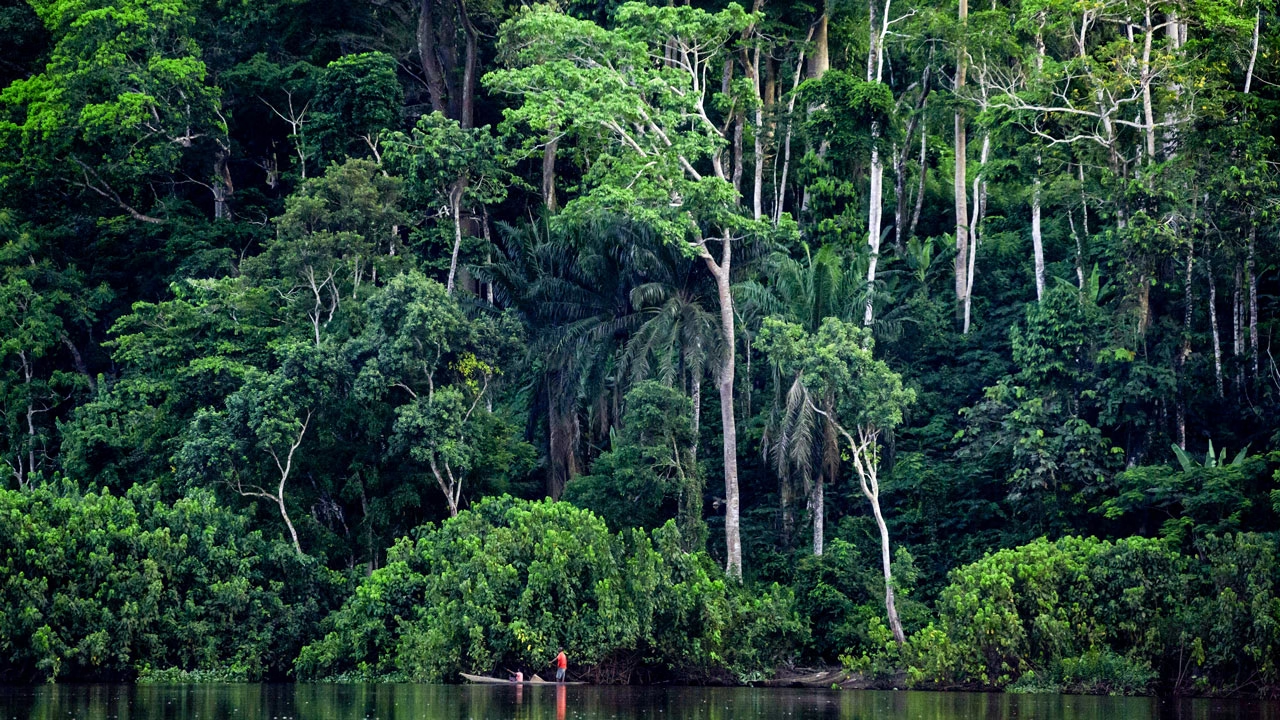
Travel Guide
Discover why Congo should be on your travel list. Explore its wildlife, rainforests and thrilling adventures that few destinations can match.
The Reasons to Travel to Congo described in the source center on wildlife, rainforests and adventurous experiences away from more established tourism routes. For travelers interested in remote natural environments, Congo can represent a very different style of African journey from conventional safari circuits.
Such travel also requires careful preparation. Access, security conditions, park operations, border procedures and travel requirements can change. Visitors should verify current official travel advice and destination-specific operating conditions before committing to an itinerary.
When travel is appropriate and responsibly organized, the attraction lies in experiencing remarkable landscapes and wildlife while recognizing that remote tourism demands flexibility and respect.
Wildlife is one of the strongest Reasons to Travel to Congo.
The region’s forests support remarkable biodiversity.
For travelers interested in primates and forest ecosystems, this can provide experiences very different from a traditional savannah safari.
Forest wildlife viewing requires patience.
Dense vegetation can make animals more difficult to observe.
Visitors should value tracks, calls, vegetation and the wider ecosystem rather than measuring success only by the number of species photographed.
Professional guides are especially important in these environments.
Walking in tropical forest changes how visitors experience wildlife.
Visibility can be limited, so listening becomes important.
Guides may detect movement or calls before travelers notice anything.
The slower pace can create a stronger awareness of the environment.
Visitors should remain with the group and follow instructions.
Remote wildlife experiences should never be treated as opportunities to wander independently.
The forest is a complex natural environment, and appropriate guidance is essential for both safety and conservation.
Rainforests form another major attraction highlighted in the source.
These environments can feel completely different from Africa’s open grasslands.
Tall vegetation, humidity, changing light and dense plant life create an immersive atmosphere.
For travelers who have already experienced conventional safari destinations, the contrast can be particularly rewarding.
A forest journey is less about scanning distant horizons and more about observing details close at hand.
Plants, insects, birds and primates all contribute to the experience.
Forest photography is challenging.
Light can be limited and subjects may disappear quickly behind vegetation.
Photographers should prepare their equipment before entering the forest.
A versatile lens can reduce the need for frequent changes in humid conditions.
Waterproof protection is important.
Travelers should avoid leaving designated routes for a photograph.
Wildlife and habitat protection take priority over obtaining an unobstructed image.
Sometimes a photograph showing an animal partly surrounded by vegetation communicates the rainforest setting more effectively.
The source emphasizes thrilling adventures that few destinations can match.
Travelers attracted to Congo may specifically want an experience outside highly developed tourism circuits.
Remote travel can create a powerful sense of exploration.
However, adventure should not be confused with unnecessary risk.
Responsible travelers use appropriate professional support and respect current access restrictions.
Ignoring official guidance is not a sign of adventurous travel.
The strongest journeys combine curiosity with disciplined preparation.
Remote destinations require flexible expectations.
Transport can be affected by conditions beyond a traveler’s control.
An activity may change according to weather, access or park operations.
Visitors should avoid building an itinerary with no contingency time.
They should also understand cancellation and change conditions before paying.
A traveler who expects every day to unfold exactly according to a printed schedule may find remote tourism frustrating.
Flexibility allows the journey to remain enjoyable when circumstances change.
A less-established destination can appeal to travelers who prefer smaller-scale tourism.
The atmosphere may feel very different from famous safari parks receiving large numbers of visitors.
This can create more intimate experiences when tourism is appropriately managed.
However, fewer tourists can also mean less developed infrastructure.
Travelers should understand this trade-off.
Those expecting extensive luxury services in every location need to confirm what is actually available.
Remoteness should be appreciated for what it is rather than romanticized while simultaneously expecting urban convenience.
Smaller visitor numbers can support carefully managed experiences when conservation and communities remain central.
Travelers should use legitimate guides, accommodation and park services.
Wildlife should not be disturbed.
Waste should be minimized.
Community interactions should remain respectful.
Visitors should ask permission before taking close photographs of people.
Responsible behavior becomes especially important in destinations where tourism is still relatively limited.
Congo can challenge the idea that an African safari must consist primarily of open savannah and vehicle-based wildlife viewing.
Rainforest environments introduce another side of the continent’s biodiversity.
Travelers may spend more time walking, listening and observing subtle signs of wildlife.
This can be particularly rewarding for visitors who have already experienced conventional safaris elsewhere.
The journey becomes less about repeating familiar activities and more about exploring a different ecosystem.
Travel also involves encounters with people and communities.
Visitors should avoid describing local communities simply as part of an “untouched” landscape.
People live contemporary lives and should be treated with dignity.
Cultural experiences should be arranged responsibly.
Permission is essential before photographing individuals.
Travelers should listen to local guides and respect community boundaries.
A meaningful journey recognizes both the natural environment and the people connected with it.
Congo travel requires up-to-date planning.
Visitors should confirm current access to the exact destination they intend to visit.
Old itineraries cannot establish present operating conditions.
Border requirements, visas, permits and transport arrangements need to be verified for the actual dates.
Official travel advisories should also be reviewed.
Travelers should not assume that because an activity was possible in a previous year it remains available today.
Professional organization is particularly valuable in remote destinations.
Travelers should understand who is responsible for transport, accommodation, permits and guiding.
Emergency arrangements should also be considered.
Communication should be clear before payment.
Visitors should know what is included and what remains their own responsibility.
A good operator should not encourage travelers to ignore official restrictions or take unnecessary risks simply to preserve an itinerary.
Travelers should obtain professional health advice appropriate to the exact destinations included.
Personal medication should be carried in sufficient quantity.
Travel insurance should be carefully reviewed.
Visitors need to know whether remote travel and planned activities are covered.
Medical facilities can be limited in some areas.
This makes prevention and preparation especially important.
Health requirements can change, so current professional advice should be obtained before departure.
Practical clothing is essential.
Long trousers and long sleeves can help protect against vegetation.
Strong footwear with reliable grip is useful for forest walking.
Rain protection should remain accessible.
Travelers should protect cameras and electronics against moisture.
A light daypack is preferable to unnecessary weight.
Personal essentials should be packed carefully because replacement items may not be readily available in remote areas.
Wildlife tourism should contribute to appreciation of conservation rather than creating additional pressure.
Visitors must follow park and guide instructions.
Animals should never be fed or deliberately approached beyond permitted limits.
Noise should remain controlled.
Waste should leave the forest with the visitor.
Photography should not override conservation rules.
Travelers should understand that access to sensitive wildlife environments is a privilege requiring responsible behavior.
Travelers should not expect rainforest wildlife to appear in open spaces for easy photography.
Vegetation is part of the experience.
A successful wildlife encounter may involve brief views or challenging light.
Photographers should embrace these conditions rather than pressure guides to manipulate the situation.
Binoculars can sometimes provide a better observation experience than constantly looking through a camera.
Putting the camera down occasionally can also help visitors appreciate the forest more directly.
The Reasons to Travel to Congo highlighted in the source include remarkable wildlife, extensive rainforest environments and adventurous experiences away from conventional tourism routes.
For suitable travelers, these qualities can create a distinctive African journey.
The destination requires more preparation than many established safari circuits. Current security conditions, official travel advice, border requirements, permits and park access should all be verified for the actual travel period.
Travelers should work with appropriate local expertise and remain flexible when conditions change.
When travel is appropriate and responsibly organized, Congo’s appeal lies in experiencing forest landscapes and wildlife with patience, respect and an understanding that true adventure is strengthened—not diminished—by careful preparation.

Nshongi Gorilla Family in Bwindi: History, Location and Trekking Guide The Nshongi Gorilla Family holds an important place…
Read article →
Mishaya Gorilla Family in Bwindi: History, Trekking and What to Know The Mishaya Gorilla Family is one of…
Read article →
Semuliki Hot Springs Visit Guide: What to Expect Semuliki Hot Springs offers one of the most unusual natural…
Read article →
Kidepo Valley Remote Safari Guide: What to Expect Kidepo Valley National Park offers one of Uganda's most remote…
Read article →