

Nshongi Gorilla Family in Bwindi
Nshongi Gorilla Family in Bwindi: History, Location and Trekking Guide The Nshongi Gorilla Family holds an important place…
Read article →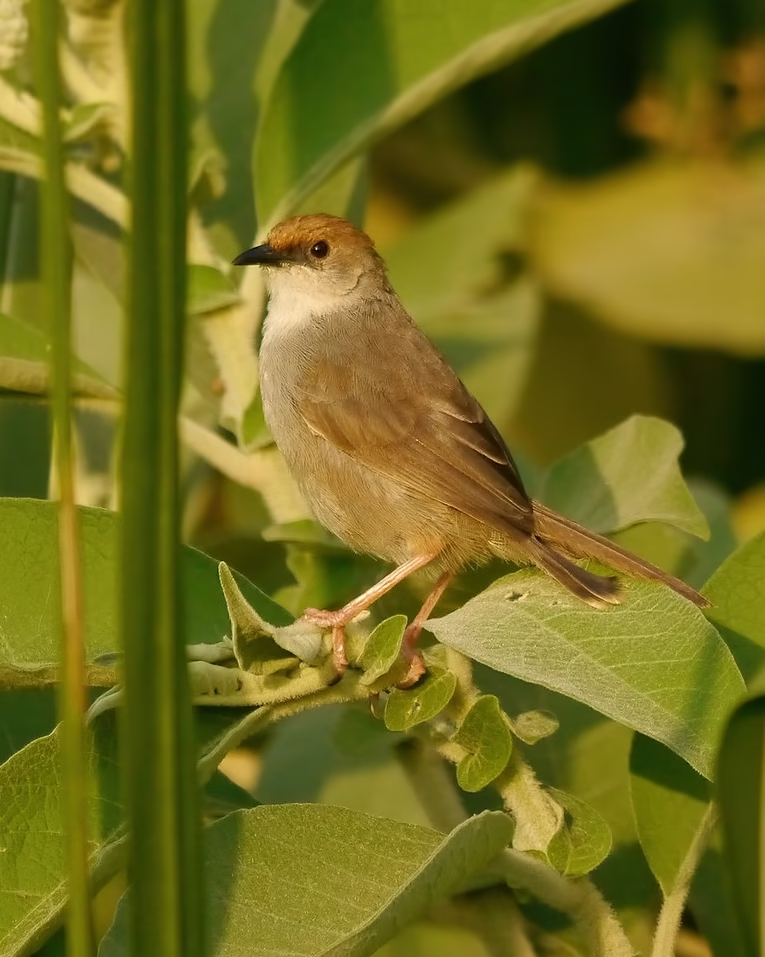
Travel Guide
Discover the best activities in Rushaga Sector after gorilla trekking. Enjoy bird watching, nature walks, cultural encounters, and scenic tours in Bwindi Impenetrable National Park.
The Things to Do in Rushaga Sector After Gorilla Trekking can transform a one-activity visit into a more complete experience of the Bwindi region. The source highlights bird watching, nature walks, cultural encounters and scenic tours as activities travelers can consider after their gorilla trek.
Gorilla trekking may remain the central reason for visiting Rushaga, but leaving immediately after the activity can make the journey feel rushed. Additional time gives travelers an opportunity to recover physically and appreciate the wider landscape.
The exact availability and operating arrangements for supplementary activities should be confirmed for the travel dates.
Before adding another activity, consider how physically demanding the gorilla trek has been.
The amount of walking varies.
Some travelers may return with enough energy for a relaxed afternoon, while others may want nothing more than a shower and rest.
There is no benefit in forcing another activity simply because it appears on the itinerary.
A quiet afternoon at the lodge can be a legitimate part of the Rushaga experience.
Bird watching is one of the activities highlighted in the source.
Bwindi’s forest environment can provide an interesting setting for travelers who enjoy birds.
A dedicated bird walk allows visitors to focus on species they may have ignored during gorilla trekking.
Binoculars are useful.
A knowledgeable guide can help identify calls and movement within vegetation.
Birding is also an activity that rewards a slower pace.
Forest bird photography requires patience.
Vegetation can obstruct subjects and available light may be limited.
Photographers should prepare camera settings before beginning the walk.
A longer lens can be useful, but heavy equipment becomes tiring.
Visitors should avoid making excessive noise or disturbing vegetation to force a bird into a better position.
Responsible photography accepts the natural conditions of the forest.
Nature walks provide another way to experience Rushaga after the main gorilla activity.
During gorilla trekking, visitors may be focused heavily on reaching and observing the primates.
A separate nature walk allows more attention to plants, insects, birds and the forest environment itself.
Professional interpretation can help travelers understand ecological relationships that are easy to miss without a guide.
Bwindi should not be viewed only as a place where gorillas happen to live.
It is a forest ecosystem supporting many forms of life.
Spending additional time in the area helps visitors appreciate this wider context.
The trees, terrain, birds and smaller wildlife all contribute to the habitat that makes gorilla conservation possible.
A slower visit can therefore deepen understanding of the headline trekking experience.
The source highlights cultural encounters among the Things to Do in Rushaga Sector After Gorilla Trekking.
Travelers should participate through respectful arrangements.
A local guide can provide context and help ensure that interactions are appropriate.
Visitors should request permission before photographing individuals.
People living around the forest should not be treated as exhibits.
The most meaningful encounters involve listening, learning and respectful conversation.
Travelers can contribute to the local tourism economy by using legitimate guiding, accommodation and cultural services.
Purchasing locally produced items from appropriate sources can also form part of the experience.
Visitors should avoid assuming that every interaction requires bargaining aggressively.
Fair and respectful transactions create a better relationship between tourism and communities.
Scenic tours provide a less physically demanding way to appreciate the Rushaga area after trekking.
The hills and forested landscapes can be particularly attractive for photography.
Visitors should allow time to stop at appropriate viewpoints.
The objective does not need to be another strenuous hike.
A slower drive or guided exploration can provide a useful contrast after several hours on foot in the forest.
Travelers interested in photography should look beyond gorilla portraits.
The wider Bwindi landscape can provide strong images.
Clouds, hills, forest edges and rural scenery all help tell the story of the destination.
Morning and later afternoon light may create changing conditions.
Photographers should remain respectful when people or private property appear in the scene.
Close portraits require permission.
An additional night can dramatically improve the pace of the itinerary.
Travelers do not need to pack immediately after returning from gorilla trekking.
Instead, they can rest, enjoy dinner and consider another local experience the following morning.
This can be particularly attractive for couples, photographers and travelers who dislike one-night stops.
A slower schedule also creates flexibility if the trekking day is more tiring than expected.
Rushaga is often discussed in connection with specialized gorilla experiences, but travelers should confirm current availability, permits and conditions through the appropriate channels.
Different gorilla activities can have different requirements.
Visitors should not assume that a standard trek and another specialized activity can simply be interchanged.
The itinerary needs to be built around the exact permit that has been confirmed.
Every activity around Bwindi should respect the forest.
Visitors should not leave waste.
Plants should not be removed.
Wildlife should never be fed.
Travelers should remain on appropriate trails and follow guide instructions.
Noise should be controlled.
These principles apply whether visitors are trekking gorillas, watching birds or participating in a general nature walk.
Forest weather can change quickly.
A rain jacket should remain accessible during outdoor activities.
Strong footwear is useful even on a shorter nature walk.
Travelers should protect camera equipment and phones against moisture.
Long trousers and long sleeves can provide protection from vegetation.
The same practical clothing used for gorilla trekking may also be useful for other forest activities.
Families should confirm age requirements and suitability for individual activities.
Not every forest experience is appropriate for every child.
A shorter nature or cultural activity may suit families better than another demanding trek.
Parents should also consider rest after long road journeys.
A flexible itinerary can be adjusted according to children’s energy levels.
Rushaga can work well within a honeymoon itinerary when enough time is allowed.
After gorilla trekking, couples may prefer a quiet afternoon and scenic experience rather than immediately beginning another long transfer.
An additional lodge night provides time to relax together.
A cultural or nature activity can then be added without making the schedule feel overloaded.
After exploring Rushaga, travelers can continue toward other parts of Uganda.
The next destination should be chosen according to route, available days and personal interests.
A savannah park can create a strong contrast with Bwindi.
Alternatively, travelers may continue toward another primate or scenic destination.
The important point is to account for actual road travel and avoid unrealistic schedules.
The Things to Do in Rushaga Sector After Gorilla Trekking include bird watching, nature walks, cultural encounters and scenic tours.
These activities allow travelers to experience more of Bwindi than the headline gorilla encounter alone.
The strongest itinerary also leaves time for rest.
Gorilla trekking can be demanding, and visitors should not feel obligated to fill the afternoon with another major activity.
An extra night in Rushaga can provide a more relaxed pace and create time to appreciate the forest, surrounding landscapes and communities.
By staying longer and exploring responsibly, travelers can turn Rushaga from a simple trekking base into a more complete part of their Uganda safari.

Nshongi Gorilla Family in Bwindi: History, Location and Trekking Guide The Nshongi Gorilla Family holds an important place…
Read article →
Mishaya Gorilla Family in Bwindi: History, Trekking and What to Know The Mishaya Gorilla Family is one of…
Read article →
Semuliki Hot Springs Visit Guide: What to Expect Semuliki Hot Springs offers one of the most unusual natural…
Read article →
Kidepo Valley Remote Safari Guide: What to Expect Kidepo Valley National Park offers one of Uganda's most remote…
Read article →