

Nshongi Gorilla Family in Bwindi
Nshongi Gorilla Family in Bwindi: History, Location and Trekking Guide The Nshongi Gorilla Family holds an important place…
Read article →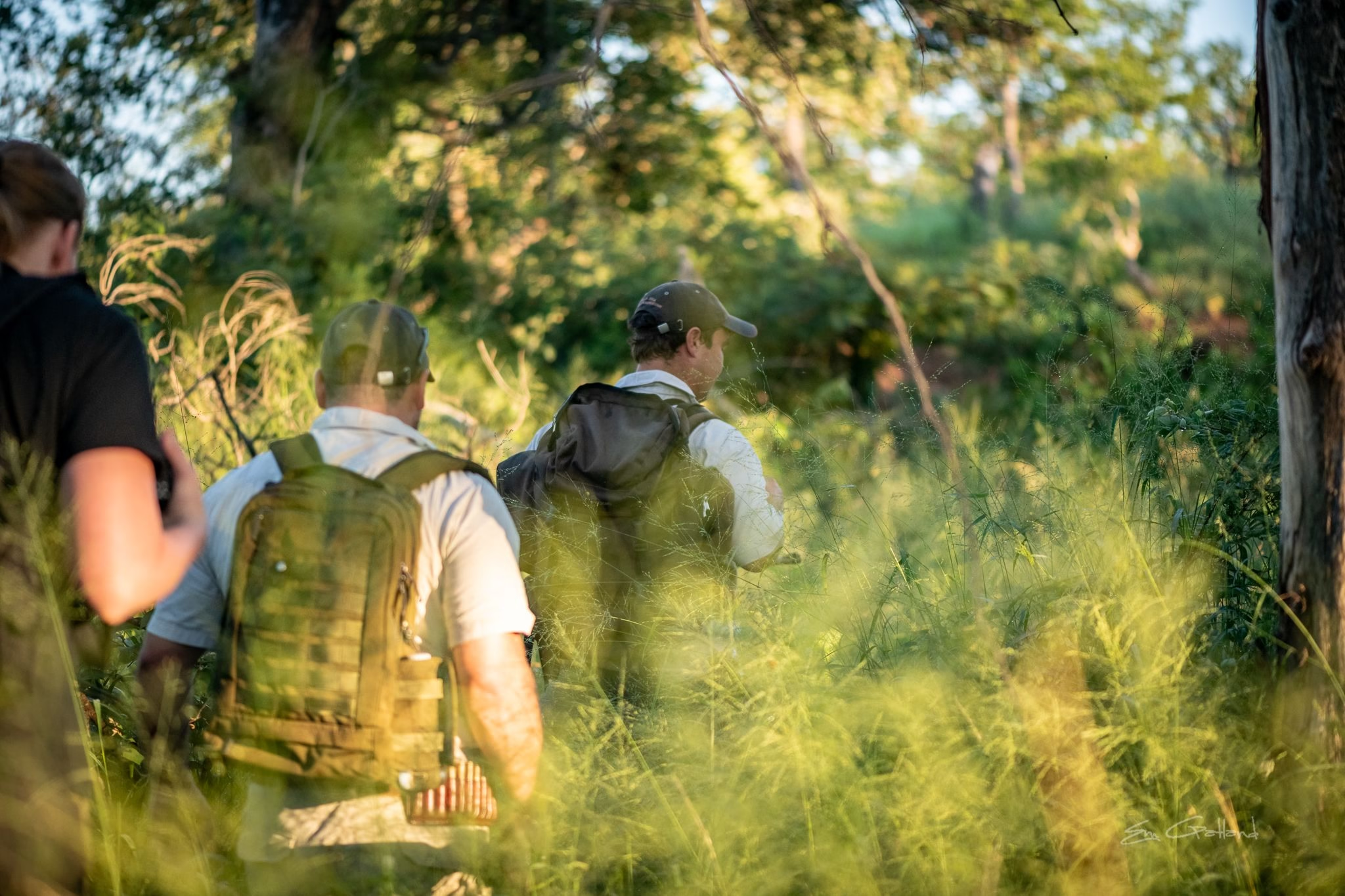
Travel Guide
Discover the best activities in Nkuringo Sector after gorilla trekking. Explore nature walks, cultural experiences, bird watching, and scenic adventures in Bwindi Impenetrable National Park.
Gorilla trekking may be the main reason many travelers visit Nkuringo, but leaving immediately after the trek means missing much of what makes southern Bwindi rewarding. There are numerous Things to Do in Nkuringo Sector After Gorilla Trekking, ranging from guided nature walks and bird watching to community experiences and excursions around nearby Lake Mutanda.
Nkuringo lies in the southern part of the Bwindi region and is surrounded by steep hills, cultivated landscapes and forest scenery.
After the intensity of gorilla trekking, additional activities can provide a slower opportunity to appreciate the landscape and communities around the national park.
Spending an extra night or two can therefore create a much richer Bwindi experience.
A guided nature walk is one of the most natural activities to add after gorilla trekking.
During the trek, attention is understandably concentrated on reaching the assigned gorilla family.
A separate nature walk allows travelers to focus on the wider environment.
Guides can point out plants, birds, insects and signs of wildlife that may have gone unnoticed during the gorilla experience.
Walking also provides time to appreciate the scale of Bwindi’s forest and the surrounding hills.
The pace can be adjusted according to fitness, making it possible to choose a gentler experience after a demanding trek.
The supplied source highlights walking routes connecting the Nkuringo and Buhoma sides of Bwindi.
These longer forest experiences can be attractive to active travelers who want to explore more of the national park environment.
Rather than driving the longer road route between sectors, a guided forest walk can create an adventure in its own right.
Routes and availability should be confirmed when planning because all forest activities need to follow current park arrangements.
Travelers should also consider luggage transfers if using a walk as part of a point-to-point itinerary.
Good hiking footwear remains essential.
The supplied source also identifies the Kashasha River Trail among the walking possibilities associated with the region.
A forest trail offers a different experience from gorilla trekking because the objective is not to locate a single animal family.
Instead, the forest itself becomes the attraction.
Visitors can notice changes in vegetation, listen for bird calls and appreciate the streams and terrain that help make Bwindi such an important ecosystem.
Rain can occur throughout the year, so hikers should keep waterproof clothing accessible.
A walking stick and porter assistance can also be useful on steep or slippery sections.
Bird watching is one of the most rewarding Things to Do in Nkuringo Sector After Gorilla Trekking.
Bwindi is internationally important for birdlife, and the wider Albertine Rift contains species of particular interest to specialist birders.
The supplied source highlights birds including the African green broadbill, regal sunbird, Rwenzori batis and black bee-eater.
Finding particular species requires patience and local expertise.
A specialist bird guide can identify calls and know which habitats provide the best opportunities.
Even travelers who are not dedicated birders can enjoy a few hours of guided bird watching because it reveals another layer of the forest ecosystem.
Gorilla trekking and bird watching demand very different styles of observation.
During a gorilla trek, visitors move through the forest with the primary objective of reaching a gorilla family.
Birding is slower.
A guide may stop frequently to listen, scan the canopy or wait for a bird to appear.
This slower pace encourages travelers to notice forest sounds and vegetation.
Binoculars are essential.
Photographers should bring a telephoto lens but remain realistic about forest photography because light can be limited and birds may remain high in the canopy.
Community activities provide another reason to extend a stay around Nkuringo.
The supplied source highlights experiences connected with the Batwa and other local communities.
A responsibly organized cultural experience can introduce visitors to history, traditional knowledge, music, dance and relationships with the forest.
These experiences should be approached respectfully.
The Batwa have a complex history connected with forest landscapes, and community tourism should allow participants to present their own stories rather than reducing their culture to entertainment.
Choose organized experiences that provide clear benefits to the people involved.
Cultural activities can include demonstrations or explanations of traditional skills.
The supplied source mentions hunting knowledge, storytelling and medicinal plants.
Such experiences provide insight into ways communities historically understood and used forest resources.
Visitors should remember that demonstrations take place within a contemporary tourism and conservation context.
The goal is not to imagine communities as unchanged remnants of the past.
Instead, cultural tourism can show how traditional knowledge, modern livelihoods and conservation realities intersect in the Bwindi region.
Asking thoughtful questions can make the experience more meaningful.
A community walk provides a chance to see life outside the national park boundary.
Travelers may encounter farms, homes, craft initiatives and small businesses.
The landscape surrounding Bwindi is densely settled, making the contrast between protected forest and cultivated land particularly striking.
This helps visitors understand why conservation cannot be separated from local livelihoods.
A guide can explain crops, land use and community initiatives.
Photography should always be respectful.
Ask before photographing individuals, especially around homes or children.
The experience should feel like a guided introduction to a community rather than an opportunity to photograph people without interaction.
The supplied source highlights handmade crafts including baskets, fabrics and jewelry.
Buying locally produced crafts can provide travelers with meaningful souvenirs while supporting artisans.
Ask where products were made.
Whenever possible, purchase directly from community organizations, artisan groups or reputable local outlets.
The story behind an item often makes it more valuable than a generic souvenir.
Travelers should avoid treating bargaining as a competition, particularly when purchasing low-cost handmade products.
A fair transaction helps tourism create direct economic benefits.
Lake Mutanda is one of the scenic attractions that can complement a stay in the Nkuringo region.
The lake lies within the broader southwestern Uganda landscape and provides views toward the Virunga volcanic region under clear conditions.
The supplied source highlights canoeing as a relaxing activity.
After a physically demanding gorilla trek, time on the water can provide a welcome change of pace.
Visitors may observe birds, surrounding farms and local fishing activity.
All water activities should be arranged with experienced local operators and adjusted according to weather conditions.
Photographers can find Lake Mutanda particularly appealing.
Morning conditions may provide calm water and atmospheric views.
Clouds moving around the distant volcanic landscape can create dramatic compositions.
Rather than rushing through the area on a transfer, allowing several hours provides time to wait for changing light.
A wider landscape lens can complement the telephoto equipment used for wildlife.
Protect cameras from water while canoeing.
Travelers who prefer not to take a canoe can still appreciate the lake from viewpoints or accommodation areas around the region.
The supplied source includes mountain biking among the activities available around Nkuringo.
Cycling can appeal to active travelers who want to explore rural landscapes at a faster pace than walking while remaining more connected to the surroundings than they would be inside a vehicle.
Routes can pass through hilly countryside and communities.
The terrain can be demanding, so visitors should select a route suited to their fitness and cycling experience.
A guided ride is preferable because local guides understand road conditions, gradients and appropriate routes.
Helmets and properly maintained bicycles are essential.
Travelers who do not want another strenuous activity after gorilla trekking can enjoy the surrounding scenery by vehicle.
Southern Bwindi contains dramatic hills, valleys and agricultural landscapes.
A relaxed scenic drive can include viewpoints and photography stops.
This option works particularly well for travelers who completed a difficult trek and want to rest their legs.
Weather can change quickly, and clouds often transform the appearance of the mountains.
The goal does not need to be reaching another major attraction.
Sometimes simply exploring the landscape around Nkuringo provides a satisfying afternoon.
Not every hour after gorilla trekking needs to contain another excursion.
The supplied source highlights wellness activities offered by some lodges, including massages and other relaxation experiences.
A gorilla trek can involve hours of climbing through steep and muddy terrain.
Resting afterward is entirely reasonable.
Travelers can spend an afternoon enjoying lodge views, reading or sitting near the forest.
Some properties may provide spa or wellness services.
Availability varies by lodge, so guests interested in treatments should confirm options when booking.
Building recovery time into an itinerary can make subsequent safari days more enjoyable.
Nkuringo’s setting means accommodation itself can become part of the experience.
Many travelers arrive focused entirely on gorillas and discover that the surrounding hills and forest views deserve time.
An additional afternoon at the lodge provides an opportunity to watch changing weather over the landscape.
Birds may also be visible around gardens and forest edges.
Travelers can review photographs, talk with guides and enjoy a slower pace.
This can be particularly valuable for honeymooners or visitors who have been following a busy safari itinerary across Uganda.
Gorilla photography is naturally the priority for many visitors, but the Nkuringo region offers far more subjects.
Landscapes, birds, farms, forest details and lake scenery all provide photographic opportunities.
A separate photography walk allows travelers to concentrate without the strict time limitations of a gorilla encounter.
Community photography requires permission and sensitivity.
Landscape photography is often particularly rewarding early or late in the day.
Changing mist and cloud around the hills can create atmospheric images that communicate the environment surrounding Bwindi.
Some travelers choose to undertake more than one gorilla trek when permits and budget allow.
A second trek is not simply a repeat of the first.
Gorillas move daily, family behavior changes and weather conditions create a different forest experience.
However, permits are limited and represent a significant additional cost.
Travelers should decide whether they prefer another gorilla encounter or want to use the extra day for birding, culture and landscapes.
Both approaches can produce a rewarding stay.
Nkuringo can be visited throughout the year.
June to September and December to February are popular because forest trails can be relatively drier.
Rain remains possible at any time because Bwindi is a rainforest environment.
Wetter months can create muddy trails but also particularly green scenery.
Birders may have different seasonal priorities from general safari travelers.
The best time therefore depends on the activities being combined with gorilla trekking.
Permit availability should be checked before accommodation is finalized.
The same equipment used for gorilla trekking covers many Nkuringo activities.
Waterproof hiking boots remain useful for forest walks.
Carry a rain jacket, long trousers and a comfortable daypack.
Binoculars are essential for bird watching.
Bring sun protection for lake and community activities.
Photographers should carry waterproof protection for equipment.
For cycling, use appropriate footwear and ensure protective equipment is provided.
A reusable water bottle is useful during walking and community excursions.
Travelers often make the mistake of allocating only the minimum number of nights required for gorilla trekking.
Adding at least one extra day creates space for another experience.
Two additional days allow a more relaxed combination of birding, cultural activities, nature walks and Lake Mutanda.
The appropriate stay depends on the wider itinerary.
Travelers continuing to Queen Elizabeth National Park or Rwanda may have limited time, while those focusing on southwestern Uganda can explore more slowly.
Avoid packing several major activities into the afternoon immediately after trekking because the forest experience can be physically tiring.
Nkuringo can form part of a wider western Uganda safari.
Queen Elizabeth National Park provides savannah wildlife and the Kazinga Channel, creating a strong contrast with Bwindi’s mountain rainforest.
The Ishasha sector is particularly useful in itineraries linking Queen Elizabeth with southern Bwindi.
Travelers can search for tree-climbing lions before continuing toward gorilla country.
This combination provides two very different wildlife environments within the same safari.
A longer itinerary can also incorporate chimpanzee tracking elsewhere in western Uganda.
The best Things to Do in Nkuringo Sector After Gorilla Trekking reveal that southern Bwindi deserves more than a single forest excursion.
Nature walks provide time to appreciate the wider ecosystem. Bird watching introduces travelers to the extraordinary diversity of the Albertine Rift.
Community and cultural experiences add a human perspective, while Lake Mutanda provides opportunities for canoeing and landscape photography.
Active travelers can consider cycling, while those who have completed a difficult trek may simply enjoy relaxation and wellness at their lodge.
Staying longer also reduces the pressure to rush away immediately after meeting the gorillas.
Gorilla trekking may remain the highlight, but the surrounding forests, communities, hills and lakes help explain why the wider Nkuringo region is such a rewarding part of southwestern Uganda.

Nshongi Gorilla Family in Bwindi: History, Location and Trekking Guide The Nshongi Gorilla Family holds an important place…
Read article →
Mishaya Gorilla Family in Bwindi: History, Trekking and What to Know The Mishaya Gorilla Family is one of…
Read article →
Semuliki Hot Springs Visit Guide: What to Expect Semuliki Hot Springs offers one of the most unusual natural…
Read article →
Kidepo Valley Remote Safari Guide: What to Expect Kidepo Valley National Park offers one of Uganda's most remote…
Read article →