

Nshongi Gorilla Family in Bwindi
Nshongi Gorilla Family in Bwindi: History, Location and Trekking Guide The Nshongi Gorilla Family holds an important place…
Read article →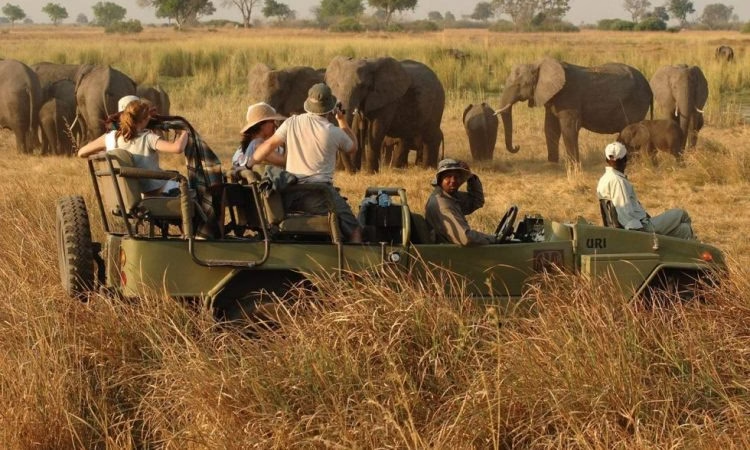
Travel Guide
Discover what to do after gorilla trekking in Uganda. Explore the country’s wildlife, culture, and natural beauty to make your safari experience even more memorable.
The Things to Do After Gorilla Trekking in Uganda extend far beyond the forest. Gorilla trekking may be the central reason many travelers first consider Uganda, but the country also offers wildlife, cultural experiences and varied natural landscapes that can turn a short primate trip into a broader safari.
Planning what happens after the trek deserves as much attention as planning the gorilla experience itself. A traveler who immediately returns to the airport may miss the opportunity to understand how different Uganda’s regions and ecosystems can be.
The best extension depends on available time, interests and travel pace. Some visitors want more wildlife, while others prefer a slower cultural or scenic experience after the physical demands of trekking.
The first thing many travelers need after gorilla trekking is simply time to rest.
Forest terrain can be steep, muddy and physically demanding.
A trek may involve several hours of walking depending on the location of the gorillas.
Travelers should avoid automatically scheduling another strenuous activity immediately afterward.
Returning to the lodge, showering and spending a relaxed afternoon can be valuable.
A slower evening also provides time to review photographs and reflect on the experience.
Visitors do not necessarily need to leave the gorilla region immediately after trekking.
Additional time around Bwindi can allow travelers to appreciate the forest environment beyond the headline gorilla encounter.
Depending on current arrangements, visitors may consider nature or community experiences.
The exact activity should be confirmed locally.
Spending another night can also reduce the pressure of a long transfer immediately after a physically demanding morning.
Bird watching can provide a quieter activity after gorilla trekking.
Forest environments reward patience and careful listening.
Visitors who spent the gorilla trek concentrating on primates may notice an entirely different side of the ecosystem when they slow down to observe birds.
Binoculars are useful.
A knowledgeable bird guide can add depth to the experience.
Photography can be challenging in forest light, so visitors should prepare appropriate equipment.
Cultural encounters can introduce travelers to communities living around Uganda’s tourism destinations.
These experiences should be approached respectfully.
A professional local guide can provide context and help visitors understand appropriate behavior.
Travelers should request permission before taking close photographs of individuals.
Community experiences are most meaningful when visitors listen and learn rather than treating people as part of a staged attraction.
One of the strongest ways to extend a gorilla journey is to add a savannah wildlife destination.
The contrast is substantial.
Gorilla trekking involves walking through dense forest, while a savannah safari often involves scanning open landscapes from a vehicle.
Travelers may encounter a different range of wildlife and birdlife.
This combination demonstrates the ecological diversity available within Uganda.
The route should be planned carefully to avoid excessive driving.
Travelers continuing from southwestern Uganda may consider a broader safari route that incorporates Queen Elizabeth National Park.
This can introduce classic wildlife viewing after the forest experience.
Visitors should allow enough time rather than treating the park as a quick stop between long road transfers.
Game drives are most enjoyable when the schedule leaves room for patient observation.
Wild animals cannot be expected to appear according to a strict timetable.
After the challenges of forest photography, open wildlife landscapes provide a different photographic experience.
Lighting and visibility may be easier in some situations, but wildlife remains unpredictable.
Photographers should keep equipment ready without allowing photography to dominate the safari.
A wider lens can capture landscapes, while longer lenses can help with distant wildlife.
Visitors should follow guide instructions and never pressure drivers to approach animals irresponsibly.
Travelers interested in primates can consider adding a chimpanzee experience to the wider Uganda itinerary.
Chimpanzees provide a very different encounter from mountain gorillas.
Their movement, calls and forest behavior create another perspective on primate tourism.
Current permits, requirements and activity arrangements should be confirmed in advance.
Visitors should not assume that chimpanzee tracking can always be added spontaneously after the gorilla trek.
Uganda’s lakes can provide a slower change of pace after active trekking.
A lakeside stay may allow travelers to relax between major safari destinations.
The exact experience depends on the chosen route.
Visitors may enjoy scenery, birdlife or other locally available activities.
A quiet night beside the water can be particularly welcome after several days of early starts and long road journeys.
Travelers with enough time may extend their journey toward Jinja.
The area can add another dimension to a Uganda holiday.
Visitors interested in outdoor activities, scenery and cultural exploration may find it worthwhile.
Because Jinja is not immediately beside the gorilla trekking region, the extension needs realistic transport planning.
It is usually better suited to a longer itinerary than a rushed final day.
Kampala can provide an urban contrast to Uganda’s forests and national parks.
Travelers may explore the city according to their interests and available time.
A guided experience can provide context that is difficult to gain from simply driving through.
Visitors should allow for traffic when planning activities.
The capital can also be useful before an international departure, depending on the broader itinerary.
A final night around Entebbe can make the end of the safari more comfortable.
Instead of connecting a long road transfer directly with an international flight, travelers can rest closer to the airport.
This provides time to reorganize luggage and prepare for departure.
It can also reduce stress if road conditions or traffic cause delays earlier in the journey.
A well-paced final day is often preferable to squeezing in one more distant attraction.
Travelers often try to maximize the number of places visited.
After gorilla trekking, however, adding too many destinations can result in long days inside a vehicle.
A better itinerary may spend more time in fewer places.
Two nights in a wildlife destination can be more rewarding than one rushed night in each of several parks.
Quality of experience should take priority over the number of names included in the itinerary.
The best Things to Do After Gorilla Trekking in Uganda differ according to the traveler.
Wildlife enthusiasts may prioritize savannah parks.
Birders may want additional forest or wetland experiences.
Couples may prefer a relaxed lodge stay.
Photographers may want more time in locations with varied habitats.
Families should consider driving distances and children’s energy levels.
A personalized itinerary is usually more enjoyable than copying a generic route.
Uganda’s attractions can be separated by substantial distances.
Road travel should be treated as part of the itinerary.
Travelers should ask for realistic driving estimates and understand where stops may be required.
Trying to move too far immediately after gorilla trekking can make the day exhausting.
Where suitable options exist, travelers can also discuss alternative transport arrangements with their operator.
Gorilla trekking is often emotionally and physically intense.
The following days do not need to compete with it.
A balanced safari can move from forest trekking to relaxed wildlife viewing, cultural experiences or quiet landscapes.
This variety allows each part of the journey to feel distinctive.
It also reduces fatigue.
Travelers should build rest into the itinerary instead of assuming every hour needs a scheduled activity.
The Things to Do After Gorilla Trekking in Uganda include exploring more of the forest region, bird watching, cultural experiences, savannah wildlife, chimpanzee activities and time around Uganda’s lakes and cities.
The right extension depends on how many days are available and what the traveler values most.
Rather than rushing directly from the gorillas to the airport, visitors with enough time can use the trek as one part of a wider Uganda journey.
Careful route planning is essential. Long transfers should be balanced with sufficient nights in each destination.
When the itinerary combines wildlife, culture and natural beauty at a comfortable pace, the days after gorilla trekking can become just as memorable as the trek itself.

Nshongi Gorilla Family in Bwindi: History, Location and Trekking Guide The Nshongi Gorilla Family holds an important place…
Read article →
Mishaya Gorilla Family in Bwindi: History, Trekking and What to Know The Mishaya Gorilla Family is one of…
Read article →
Semuliki Hot Springs Visit Guide: What to Expect Semuliki Hot Springs offers one of the most unusual natural…
Read article →
Kidepo Valley Remote Safari Guide: What to Expect Kidepo Valley National Park offers one of Uganda's most remote…
Read article →