

Nshongi Gorilla Family in Bwindi
Nshongi Gorilla Family in Bwindi: History, Location and Trekking Guide The Nshongi Gorilla Family holds an important place…
Read article →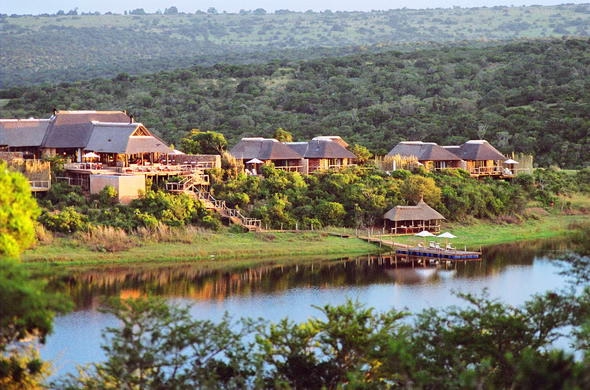
Travel Guide
Planning a family holiday in Africa? Discover the best malaria-free destinations perfect for kids. Safe, scenic, and full of adventure.
Choosing Malaria-Free Destinations can be an important consideration for families planning an African holiday. The supplied source focuses primarily on selected parts of South Africa together with Namibia’s coastal destinations, highlighting places where families can combine wildlife, beaches, landscapes, cities, and outdoor activities.
Malaria risk is a health matter that can change geographically and over time, so destination descriptions should never replace current professional medical advice.
Families should verify the status of every specific area on their itinerary with appropriate health authorities or a travel-medicine professional before departure.
Within that limitation, the destinations in the supplied source demonstrate that an African family holiday can include substantial variety without necessarily centering the itinerary on malaria-risk safari regions.
Parents traveling with children often want to simplify health planning where possible.
A malaria-free itinerary may reduce one particular concern, although it does not remove the need for broader travel-health preparation.
Families still need to consider routine health advice, sun protection, insect bites, hydration, food, insurance, and any destination-specific recommendations.
The advantage is primarily the ability to plan wildlife and outdoor experiences in locations presented as malaria-free by the supplied source.
The first destination highlighted is Madikwe Game Reserve in South Africa.
The source presents Madikwe as one of the country’s leading malaria-free safari areas and associates it with Big Five game viewing.
Its family appeal comes from combining wildlife with lodges that cater to children.
This can provide a classic safari experience without requiring families to give up the convenience of child-oriented accommodation.
A lodge designed for families may provide family rooms, flexible meals, shorter activities, or children’s programs.
These practical features can matter as much as wildlife density.
Young children may not enjoy spending many continuous hours in a safari vehicle.
A property that understands this can help parents create a more relaxed schedule.
The supplied source mentions kids’ bush activities.
These can introduce younger travelers to tracks, plants, insects, birds, and conservation.
The educational value is significant because children begin to understand that safari involves much more than searching for lions.
Parents should check the minimum ages for specific activities because policies vary between lodges.
Pilanesberg National Park is another South African destination identified by the source.
Its relative accessibility from Johannesburg makes it useful for families who do not want to spend several additional days reaching a safari area.
The source highlights game drives and a broad variety of wildlife.
This accessibility can be particularly useful on a shorter family holiday.
Pilanesberg can function as an introduction to African wildlife.
Children can experience a game drive without the family committing to an extended remote safari.
Parents can then combine the wildlife component with Johannesburg or another part of South Africa.
This flexibility is useful when family members have different interests.
The supplied source mentions hot-air balloon safaris among possible activities.
Age, weather, operator rules, and safety requirements need to be checked before including ballooning in a family itinerary.
For eligible travelers, an aerial experience provides a very different perspective on the landscape.
It should be treated as an optional addition rather than an essential part of visiting Pilanesberg.
The source next highlights the Waterberg Biosphere.
This region combines wildlife with hiking, horseback activities, nature trails, and cultural experiences.
Such variety can be especially useful for families who do not want every day to involve conventional vehicle-based game viewing.
Different activities allow children and adults to remain engaged.
Horseback safari experiences are specifically mentioned.
Suitability depends on age and riding ability.
Families should choose professional operators that match horses and routes to participant experience.
For appropriate riders, exploring a landscape on horseback creates a much more active safari experience than remaining in a vehicle.
Nature walks and trails encourage families to notice smaller details.
Children can learn about footprints, plants, insects, rocks, and birds.
These activities often work well because they allow movement and participation.
A knowledgeable guide can turn a short walk into an engaging lesson without making it feel formal.
The Garden Route is presented as a malaria-free family region offering beaches, forests, wildlife attractions, and coastal towns.
Its strength lies in diversity.
A family can travel between destinations while changing activities regularly.
One day might involve a beach, another a forest walk, and another an animal-focused experience.
Beaches provide valuable downtime during a family itinerary.
Children can play while adults rest, and the family does not need to wake before sunrise every morning.
When planning coastal activities, visitors should still consider water conditions, weather, supervision, and local safety advice.
A beach is most enjoyable when adequate unstructured time is allowed.
The source includes whale watching among Garden Route-related experiences.
Wildlife sightings are naturally seasonal and cannot be guaranteed.
Families interested in whales should research the appropriate period for the exact coastal location.
Boat trips may also have age or weather restrictions, making advance planning useful.
The supplied source highlights private reserves in the Eastern Cape, naming Shamwari, Amakhala, and Kwandwe as examples.
These areas are presented as malaria-free safari options with family-oriented accommodation and strong wildlife experiences.
For families seeking a higher-comfort safari, private reserves can provide a combination of guiding, accommodation, meals, and organized activities.
Some Eastern Cape lodges offer programs specifically for younger guests.
These may focus on wildlife, conservation, tracks, or other aspects of the environment.
Parents should ask what the program actually includes rather than relying only on the phrase “family friendly.”
A suitable program should match the child’s age and interests.
The supplied source identifies Swakopmund and Walvis Bay as malaria-free coastal destinations in Namibia.
The appeal here differs considerably from a conventional safari.
Desert landscapes meet the Atlantic coast, creating opportunities for dunes, marine excursions, and adventure activities.
This contrast can make Namibia especially interesting for active families.
Dune-based activities allow children and teenagers to experience an environment unlike a traditional wildlife park.
The source mentions sandboarding among possible adventures.
Activity providers should be selected according to safety standards and age suitability.
Families can also enjoy the desert visually without participating in high-energy sports.
Marine excursions from the coast provide another type of wildlife experience.
The supplied source mentions dolphin cruises.
Sightings depend on natural conditions, so expectations should remain realistic.
Boat operators can explain the marine environment while giving families a break from overland driving.
Cape Town is one of the most versatile family destinations in the source.
It combines urban attractions with mountains, beaches, wildlife encounters, and access to the surrounding Cape region.
Families can choose activities according to weather and energy levels.
This flexibility is particularly useful when traveling with children.
Table Mountain gives families an opportunity to appreciate the city’s geography from above.
The experience can be adapted according to fitness and conditions.
Visitors do not need to undertake a demanding hike to enjoy the mountain.
Weather can change rapidly, so plans should remain flexible.
The source highlights Boulders Beach and its penguins.
For children, observing penguins can be one of the most memorable wildlife experiences of a Cape Town stay.
Visitors should follow designated routes and maintain appropriate distance.
Wild animals should never be touched or fed merely because they are accessible.
Although the Winelands are often associated with adult wine tourism, the broader region also offers scenery, restaurants, gardens, and family-oriented properties.
Parents should select experiences that provide something meaningful for children rather than building the day entirely around tastings.
The source presents the Winelands as part of the wider malaria-free Cape experience.
The most important practical point is the source’s recommendation to double-check malaria risk maps.
This is essential.
Health-risk boundaries and official guidance may change, and risk can vary within the same country.
Families should seek current advice for the exact towns, parks, and regions they plan to visit rather than assuming an entire country has one malaria status.
A malaria-free classification does not mean mosquitoes and other biting insects are absent.
The supplied source recommends carrying insect repellent.
Long clothing at appropriate times and sensible accommodation practices can also improve comfort.
Preventing insect bites has value beyond malaria alone.
The source also advises sunscreen and hats.
African family holidays frequently involve long periods outdoors, whether on game drives, beaches, boats, or hiking trails.
Children may be particularly vulnerable to sunburn if parents underestimate exposure during cooler or windy conditions.
Regular sunscreen use and hydration should be built into the daily routine.
A lodge advertised as family friendly should be evaluated according to the needs of the specific family.
Parents can ask about room layout, swimming-pool supervision, meal times, babysitting, age restrictions, children’s activities, and safari vehicle policies.
The right accommodation can reduce stress significantly.
The supplied source recommends combining safari, coastal, and cultural stays.
This is particularly useful with children because variety prevents the holiday from becoming repetitive.
Several consecutive days of long game drives may be exciting for an adult wildlife enthusiast but exhausting for a young child.
A mixed itinerary creates natural changes of pace.
The Malaria-Free Destinations highlighted in the supplied source demonstrate how varied a family journey can be. Madikwe, Pilanesberg, Waterberg, and Eastern Cape reserves provide safari possibilities in South Africa. The Garden Route adds beaches, forests, and coastal experiences, while Cape Town combines urban attractions with mountains, penguins, and nearby countryside.
Namibia’s Swakopmund and Walvis Bay introduce a completely different combination of desert and Atlantic scenery.
Families should still verify current malaria information for every destination and seek appropriate professional health advice before travel.
With that preparation, choosing suitable malaria-free areas can help parents build an African holiday around wildlife, adventure, education, and family time while addressing one of the health considerations that often influences safari planning.

Nshongi Gorilla Family in Bwindi: History, Location and Trekking Guide The Nshongi Gorilla Family holds an important place…
Read article →
Mishaya Gorilla Family in Bwindi: History, Trekking and What to Know The Mishaya Gorilla Family is one of…
Read article →
Semuliki Hot Springs Visit Guide: What to Expect Semuliki Hot Springs offers one of the most unusual natural…
Read article →
Kidepo Valley Remote Safari Guide: What to Expect Kidepo Valley National Park offers one of Uganda's most remote…
Read article →