

Nshongi Gorilla Family in Bwindi
Nshongi Gorilla Family in Bwindi: History, Location and Trekking Guide The Nshongi Gorilla Family holds an important place…
Read article →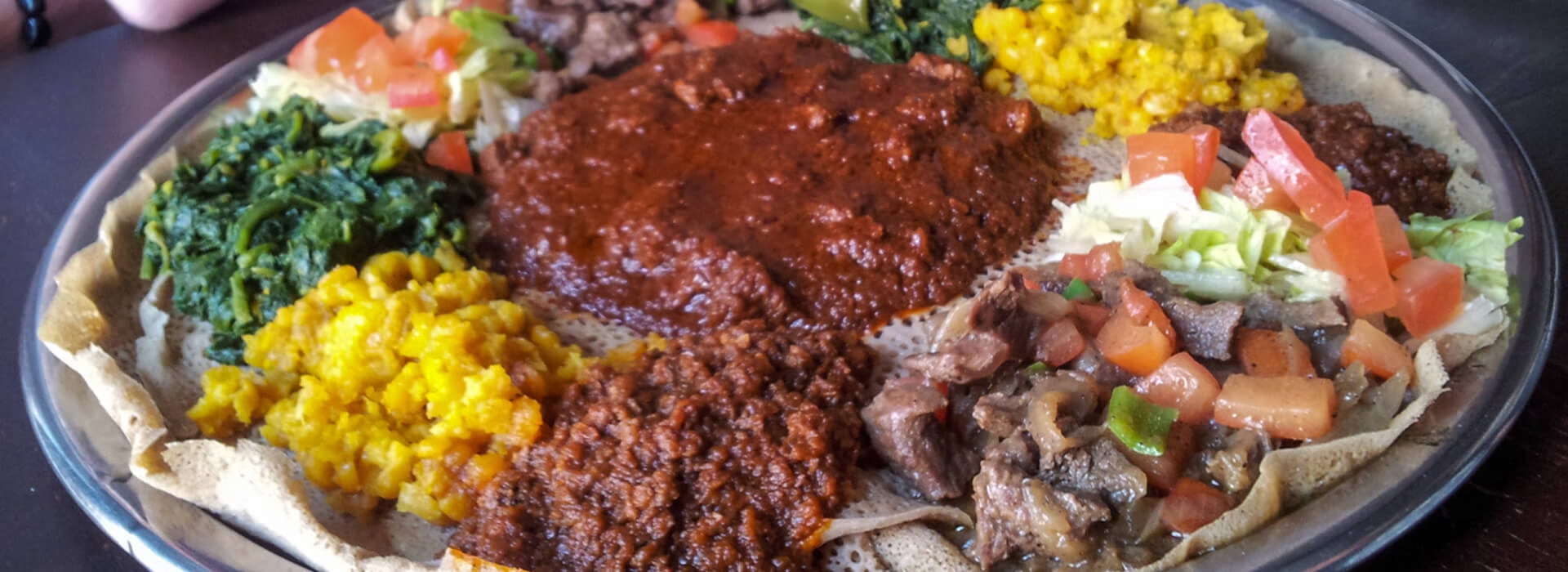
Travel Guide
Explore Rwanda’s rich culinary heritage with traditional dishes like ugali, isombe, and brochettes. Learn about local ingredients and food culture in Rwanda.
The Cuisine of Rwanda provides travelers with an accessible way to understand the country’s agricultural traditions, everyday life and hospitality. While mountain gorillas and national parks may motivate an international visitor to book a Rwanda journey, food creates daily opportunities to experience local culture.
Rwandan meals often draw on ingredients produced within the country’s varied agricultural landscapes.
Plantains, beans, potatoes, cassava, vegetables and grains feature in different dishes, while meat and fish are incorporated according to region, household and occasion.
Travelers do not need to visit an expensive restaurant to explore Rwandan food. Markets, local restaurants, lodges and organized cultural experiences can all provide different perspectives on how people grow, prepare and share meals.
Rwanda’s cuisine should not be reduced to one national dish.
Food varies according to available ingredients, family traditions and location.
A meal in Kigali may differ from food encountered around Lake Kivu or in a rural community.
Modern restaurants also reinterpret familiar ingredients in new ways.
Travelers should approach the cuisine as a living tradition rather than a fixed historical menu.
Ugali is one of the familiar staple foods encountered across East Africa.
It is prepared into a firm consistency and eaten alongside sauces, vegetables, beans, meat or other accompaniments.
Its relatively mild flavor allows it to complement stronger dishes.
Visitors unfamiliar with ugali may initially focus on its texture, but its importance becomes clearer when experienced as part of a complete meal.
Isombe is frequently associated with Rwandan cuisine.
The dish is based on cassava leaves prepared through a cooking process that transforms them into a rich vegetable accompaniment.
Recipes vary.
Travelers may encounter versions incorporating different additional ingredients.
Rather than expecting every restaurant to prepare isombe identically, it is better to appreciate the variation between cooks and households.
Brochettes are another recognizable part of the Cuisine of Rwanda.
Pieces of meat or other ingredients are grilled on skewers.
They can be found in restaurants and social settings.
Preparation and seasoning vary.
Brochettes work well for travelers who want to sample a straightforward local-style meal without immediately exploring unfamiliar combinations.
Beans are an important component of many meals.
They can be served alongside staples such as plantains, potatoes or grains.
For vegetarian travelers, bean-based meals may provide useful options.
However, anyone following a strict vegetarian or vegan diet should still ask how dishes are prepared because recipes and cooking fats can vary.
Different types of bananas and plantains play important roles in East African food systems.
Some are eaten ripe, while others are cooked.
Travelers may encounter them steamed, boiled or incorporated into other preparations.
Understanding the difference between sweet dessert bananas and cooking varieties helps explain why the crop is so versatile.
Rwanda’s highland agriculture supports potato production.
Potatoes appear in different meals and provide a familiar ingredient for many international visitors.
Their presence also demonstrates how climate and elevation influence agriculture.
A food tour becomes more meaningful when travelers learn where ingredients are grown rather than encountering them only on a plate.
Cassava is another important crop.
Different parts of the plant can be used after appropriate preparation.
Visitors should not attempt to prepare unfamiliar cassava products independently without understanding proper processing.
Traditional cooking knowledge is important.
In restaurants and homes, cassava-based foods form part of a much wider agricultural tradition.
Fish may feature in meals, particularly around Rwanda’s lakes and in urban restaurants supplied from different regions.
Lake Kivu influences the culinary character of western destinations.
Travelers interested in food can ask where fish comes from and how it is traditionally prepared.
This creates a connection between cuisine and geography.
Beef, goat and chicken may appear in Rwandan meals.
Preparation ranges from grilled dishes to stews.
Brochettes provide one of the most familiar grilled presentations.
Visitors should choose reputable establishments with appropriate food hygiene.
Those with dietary restrictions should communicate clearly because sauces and side dishes may contain ingredients not obvious from their names.
Markets demonstrate the agricultural foundation of the Cuisine of Rwanda.
Fruit and vegetables vary according to location and season.
A guided market visit can introduce travelers to ingredients they may later encounter at lunch or dinner.
Markets should be approached respectfully because vendors are working.
Ask before taking close photographs.
Rwanda is internationally known for coffee production.
Coffee experiences can introduce visitors to cultivation and processing before the final drink reaches the cup.
Travelers interested in food and agriculture may visit producers or participate in organized coffee experiences.
Buying directly from legitimate producers can create a stronger connection with the source.
Tea is another important agricultural product.
The landscapes associated with tea production add another dimension to Rwanda’s food and beverage story.
Where organized visits are available, travelers can learn about cultivation and processing.
The experience demonstrates that cuisine includes beverages and agricultural industries as well as prepared dishes.
Kigali offers one of the broadest ranges of dining options in the country.
Travelers can explore Rwandan dishes alongside international cuisines.
This makes the capital a good place to begin experimenting with unfamiliar food.
Visitors can start with familiar ingredients before gradually trying dishes they have not encountered previously.
Lake Kivu destinations provide a different setting.
Meals may be enjoyed beside the water, creating a relaxed dining experience after trekking or road travel.
Visitors can ask about locally sourced ingredients.
Food becomes more memorable when connected with the landscape in which it is eaten.
An organized cooking experience can provide more understanding than simply ordering from a menu.
Visitors may learn how ingredients are prepared and why particular dishes are important.
The best programs allow local hosts to lead the experience.
Travelers should participate respectfully rather than treating cooking traditions as staged entertainment.
Community tourism can sometimes include meals.
These experiences offer opportunities for conversation and cultural exchange.
Visitors should follow the hosts’ lead concerning eating customs.
Trying unfamiliar food respectfully is appreciated, but travelers with allergies or medical dietary restrictions should communicate them in advance rather than taking unnecessary risks.
Travelers should use ordinary precautions.
Choose food that is freshly prepared and served appropriately.
Drink safe water.
Wash or sanitize hands before eating.
People with sensitive stomachs may introduce unfamiliar foods gradually.
Food exploration should add to the journey rather than become a competition to eat everything available.
Rwanda’s use of beans, vegetables, potatoes and plant-based staples can provide options for vegetarians.
However, exact recipes vary.
A vegetable dish may still use animal-derived ingredients during preparation.
Travelers with strict requirements should explain them clearly to lodge or restaurant staff.
Advance notice is particularly useful at remote safari properties.
Safari lodges commonly serve meals as part of accommodation packages.
These may combine international dishes with Rwandan ingredients.
Travelers interested in local cuisine can ask whether traditional meals are available.
Lodges should be informed about allergies before arrival because remote properties may have limited ability to source alternatives at the last moment.
The Cuisine of Rwanda gives travelers a connection with the country that continues throughout the journey.
A gorilla trek may last one morning, but food appears every day.
Meals reveal crops, regional environments and social traditions.
Coffee connects visitors with highland agriculture, while fish can connect a meal with Rwanda’s lakes.
Exploring dishes such as ugali, isombe and brochettes therefore adds more than flavor to a Rwanda safari. It helps visitors understand how landscapes, agriculture and culture come together in everyday life, making food one of the simplest and most rewarding ways to experience the country beyond its famous wildlife.

Nshongi Gorilla Family in Bwindi: History, Location and Trekking Guide The Nshongi Gorilla Family holds an important place…
Read article →
Mishaya Gorilla Family in Bwindi: History, Trekking and What to Know The Mishaya Gorilla Family is one of…
Read article →
Semuliki Hot Springs Visit Guide: What to Expect Semuliki Hot Springs offers one of the most unusual natural…
Read article →
Kidepo Valley Remote Safari Guide: What to Expect Kidepo Valley National Park offers one of Uganda's most remote…
Read article →