

Nshongi Gorilla Family in Bwindi
Nshongi Gorilla Family in Bwindi: History, Location and Trekking Guide The Nshongi Gorilla Family holds an important place…
Read article →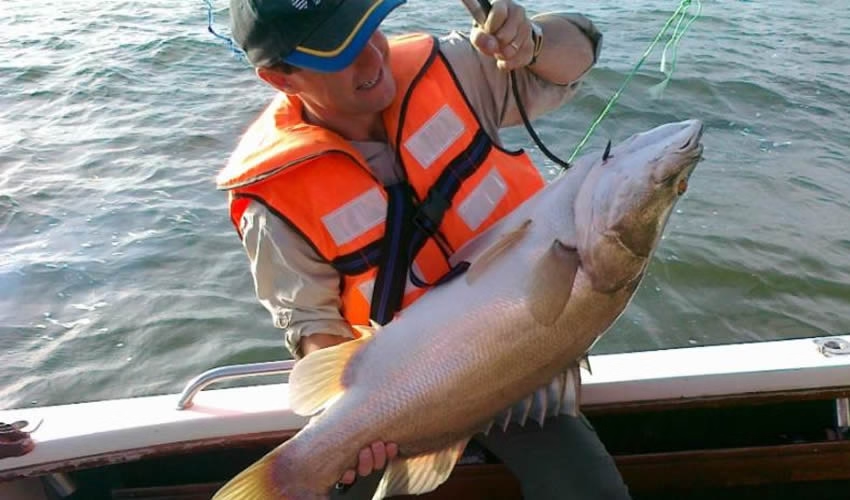
Travel Guide
Discover sport fishing in Rwanda on Lake Kivu and other freshwater lakes. Enjoy tilapia and Nile perch fishing, scenic landscapes, and guided fishing tours for an unforgettable adventure.
Sport fishing in Rwanda introduces travelers to a quieter side of the country, combining freshwater landscapes, outdoor adventure and time away from the better-known gorilla trekking routes. The source highlights Lake Kivu and other freshwater lakes as places associated with fishing experiences, with tilapia and Nile perch mentioned among the fish of interest.
For travelers building a longer Rwanda itinerary, fishing can provide a welcome change of pace. A day on or beside the water feels very different from forest trekking, wildlife drives or urban sightseeing.
Fishing arrangements should be made through suitable local providers, with visitors confirming current regulations, permitted locations, equipment and guiding requirements before taking part.
Rwanda’s lakes add substantial variety to the country’s tourism landscape.
Travelers often focus first on mountain gorillas, but a longer journey can include water-based activities and quieter outdoor experiences.
Fishing gives visitors a reason to slow down and pay closer attention to the lake environment.
The experience is not only about catching fish.
Scenery, weather, local boats and the atmosphere around the water all contribute to the day.
This makes fishing suitable even for travelers who are not highly competitive anglers.
Lake Kivu is one of the destinations most strongly associated with water-based tourism in Rwanda.
Its broad waters and surrounding hills create an attractive environment for a fishing excursion.
Travelers can combine time on the lake with a wider stay in the region.
A guided fishing experience can help visitors understand where fishing is permitted and what equipment is appropriate.
The exact arrangements should be confirmed for the travel dates rather than assumed from an older itinerary.
Visitors unfamiliar with local conditions benefit from using an experienced guide.
A guide can assist with practical arrangements, equipment and appropriate fishing areas.
Local knowledge can also help visitors understand how weather and lake conditions influence the experience.
Travelers should ask what is included before booking.
Some arrangements may provide fishing equipment, while others may expect visitors to bring particular items.
Clear communication prevents confusion on the day of the activity.
The source specifically highlights tilapia as one of the fish associated with sport fishing experiences.
Travelers interested in targeting particular fish should discuss their expectations with the guide before departure.
Fishing remains unpredictable.
No responsible operator should be expected to guarantee a particular catch.
Conditions, technique and natural fish behavior all influence the result.
For many visitors, the enjoyment comes from being on the water and participating in the activity rather than measuring success entirely by the number of fish caught.
Nile perch is also identified in the source description.
Visitors interested in fishing for particular species should confirm where such fishing is currently offered and under what regulations.
Species distribution should never simply be assumed across every freshwater location.
The guide should provide destination-specific information.
Travelers should also follow current rules regarding catch limits, permitted methods and any catch-and-release requirements that may apply.
Responsible fishing protects aquatic ecosystems while allowing visitors to enjoy the activity.
Fishing in Rwanda can be as much about landscape as angling.
The country’s hills create distinctive scenery around many water environments.
Photographers may enjoy carrying a camera in addition to fishing equipment.
Morning light can create reflections and changing colors across the water.
Clouds may alter the atmosphere quickly.
Visitors should protect electronics against spray and unexpected rain.
A compact waterproof bag can be useful for cameras, phones and other personal items.
The source page title connects sport fishing with Lake Kivu and Nyungwe adventures.
Travelers visiting southwestern Rwanda can create an itinerary that combines water-based relaxation with forest experiences.
A stay around Lake Kivu can provide a slower interval before or after active days associated with the Nyungwe region.
This combination creates useful contrast.
Rather than spending every day on demanding activities, travelers can alternate between forest exploration and more relaxed time around the water.
A fishing excursion can work well as a rest day during a longer Rwanda safari.
Gorilla trekking and forest walks can be physically demanding.
Long road transfers also create fatigue.
A slower day beside the water allows travelers to recover without remaining inside a hotel.
Visitors can still enjoy scenery and outdoor activity without maintaining the pace of a full trekking day.
This balance is particularly useful for longer itineraries.
Families interested in fishing should confirm that the selected experience is appropriate for participating children.
Safety around water is essential.
Children should be supervised and use any required safety equipment.
A shorter fishing session may be more enjoyable than a full-day excursion for younger travelers.
Parents should also consider sun protection, hydration and weather.
The objective should be an enjoyable family experience rather than forcing children to remain on the water longer than they find comfortable.
Couples may enjoy sport fishing as a quieter addition to a Rwanda honeymoon or private safari.
The activity provides time away from busier sightseeing schedules.
A morning or afternoon fishing trip can be combined with a relaxed lakeside stay.
Couples do not both need to be experienced anglers.
One traveler may fish while the other focuses more on photography and scenery, depending on the specific arrangement.
The experience can be customized around shared interests.
Travelers should confirm what the fishing provider supplies.
Sun protection is important around open water.
A hat, sunscreen and suitable clothing can improve comfort.
A light rain jacket may also be useful.
Visitors should carry water according to the operator’s arrangements.
Polarized sunglasses can help reduce glare.
Camera equipment should be protected from water.
If personal fishing equipment is being brought into the country, travelers should confirm whether any specific transport or local requirements apply.
Sport fishing in Rwanda should be undertaken responsibly.
Visitors need to follow local rules concerning permitted fishing locations, methods and catches.
Fish should be handled appropriately.
Waste, fishing line and hooks must never be left around the lake.
Plastic litter can damage aquatic environments and wildlife.
Travelers should respect local fishing communities and avoid interfering with working areas.
Responsible tourism recognizes that lakes support livelihoods as well as recreation.
Weather can influence fishing conditions and boat operations.
Travelers should remain flexible.
An operator may need to adjust timing if conditions become unsuitable.
Visitors should never pressure a guide or boat crew to continue in unsafe weather simply because the activity was scheduled.
Safety decisions should be respected.
A flexible itinerary can make it easier to reschedule an activity if necessary.
Fishing provides interesting photographic subjects.
Travelers can photograph landscapes, boats and the activity itself.
However, equipment should remain secure.
A camera strap is useful when working on a boat.
Visitors should also avoid allowing photography to interfere with safety instructions.
If photographing local people, permission should be requested before taking close portraits.
A respectful image is more valuable than one obtained without consent.
A longer Rwanda journey can combine fishing with mountain gorilla trekking.
The two experiences are very different.
Gorilla trekking is highly regulated and physically active, while fishing can provide a more relaxed period around the water.
Travelers should organize the itinerary around confirmed permit dates.
Lake stays can then be positioned where they fit naturally with the route.
Allowing enough nights in each region prevents the journey from becoming a sequence of rushed transfers.
Sport fishing in Rwanda offers travelers another way to experience the country’s freshwater landscapes.
The source highlights Lake Kivu and other lakes, guided fishing tours, tilapia and Nile perch as part of the appeal.
A successful fishing excursion requires suitable local arrangements and respect for current regulations.
Visitors should confirm where fishing is offered, what equipment is supplied and what rules apply to the activity.
For travelers combining Rwanda’s forests, lakes and wildlife experiences, fishing can provide an enjoyable change of pace. The scenery and time spent on the water can be just as memorable as the catch itself.

Nshongi Gorilla Family in Bwindi: History, Location and Trekking Guide The Nshongi Gorilla Family holds an important place…
Read article →
Mishaya Gorilla Family in Bwindi: History, Trekking and What to Know The Mishaya Gorilla Family is one of…
Read article →
Semuliki Hot Springs Visit Guide: What to Expect Semuliki Hot Springs offers one of the most unusual natural…
Read article →
Kidepo Valley Remote Safari Guide: What to Expect Kidepo Valley National Park offers one of Uganda's most remote…
Read article →