

Nshongi Gorilla Family in Bwindi
Nshongi Gorilla Family in Bwindi: History, Location and Trekking Guide The Nshongi Gorilla Family holds an important place…
Read article →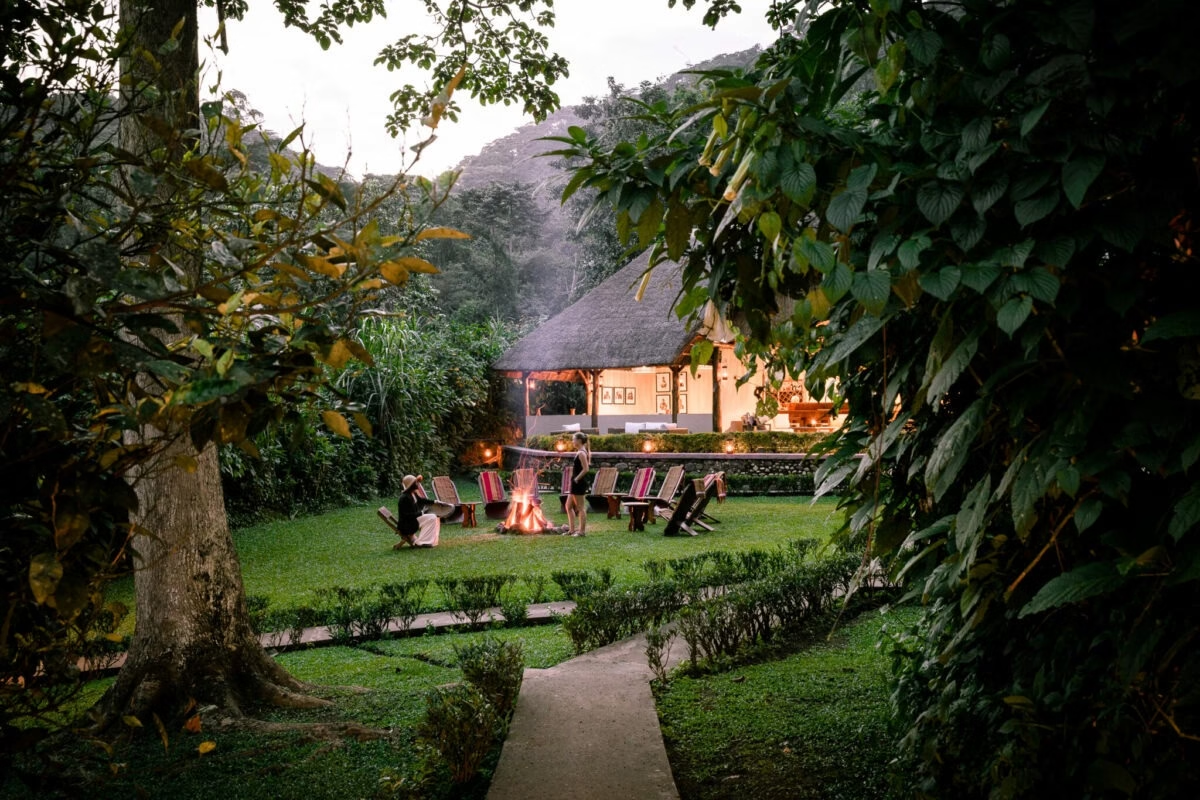
Travel Guide
Sanctuary Gorilla Forest Camp is associated with the Bwindi Impenetrable Forest region, one of Uganda's most important destinations for mountain gorilla trekking. Staying close to the forest can provide travelers with a strong sense of connection…
Sanctuary Gorilla Forest Camp is associated with the Bwindi Impenetrable Forest region, one of Uganda’s most important destinations for mountain gorilla trekking. Staying close to the forest can provide travelers with a strong sense of connection to the natural environment while positioning them for the activities that bring many visitors to southwestern Uganda.
A Bwindi stay should always be planned around the traveler’s confirmed trekking arrangements. The forest has different activity areas, and accommodation should be selected according to the relevant permit and starting point.
Visitors considering a nature-focused stay should therefore look beyond the accommodation name and confirm its exact location, facilities and suitability for their itinerary.
Bwindi Impenetrable National Park is a mountainous forest landscape rather than a single entrance attraction.
This has important consequences for accommodation planning.
A property may be described as close to Bwindi while still being inconvenient for a particular trekking location.
Travelers should establish their gorilla trekking arrangements before confirming accommodation.
Once the permit area is known, the lodge or camp can be evaluated according to transfer time and access.
This prevents visitors from facing an unnecessarily long journey on the morning of one of the most important activities of their safari.
The appeal of Sanctuary Gorilla Forest Camp is closely connected with the wider forest environment.
Travelers often choose Bwindi accommodation because they want to remain immersed in nature rather than commute from a large urban area.
Forest sounds, vegetation and changing weather can become part of the stay.
This atmosphere is particularly appealing to visitors interested in wildlife and photography.
Guests should nevertheless maintain realistic expectations regarding conditions in a remote natural setting.
Weather, insects and environmental sounds are part of staying near a tropical forest.
Gorilla trekking requires practical preparation regardless of accommodation category.
Travelers should bring reliable walking footwear with good grip.
Long trousers and long sleeves can provide protection against vegetation.
Rain protection is important because conditions can change.
A small backpack can carry drinking water, personal items and camera equipment.
Visitors should avoid carrying unnecessary weight.
Where legitimate porter services are available, hiring a porter can make the experience more comfortable while contributing to employment around the protected area.
Physical preparation before the trip is also useful.
Visitors normally receive a briefing before entering the forest.
Guides explain the rules and provide information about what to expect.
The amount of walking can vary because gorillas move naturally through their habitat.
Travelers should therefore be prepared for uncertainty.
The journey through the forest is part of the experience rather than simply an obstacle between the visitor and the gorillas.
Vegetation, birdlife and the changing terrain all contribute to understanding Bwindi.
Once gorillas are encountered, visitors must follow all instructions provided by the guiding team.
Photographers should prepare their equipment before beginning the trek.
Forest light can be limited, and gorillas may be surrounded by vegetation.
A camera that performs well at higher sensitivity settings can be useful.
A versatile lens can reduce the need to change equipment in damp conditions.
Visitors using phones can also create excellent memories without carrying a heavy camera system.
Photography should never interfere with conservation regulations.
Travelers should not move closer than permitted or separate from the group simply to obtain a different angle.
The welfare of the gorillas remains more important than any photograph.
Gorilla tourism depends on careful management.
Visitors should respect every rule explained during the activity.
Health precautions are particularly important because great apes can be vulnerable to diseases carried by humans.
Travelers who are unwell should communicate honestly with the relevant operator or authorities.
Noise should remain controlled, waste should never be left in the forest and gorillas should not be touched.
Responsible tourism also includes respecting guides, porters and communities living around the protected area.
Travelers should confirm what their chosen accommodation category provides.
Room design, bathroom arrangements, meals and charging facilities can all influence comfort.
Those carrying cameras may need reliable opportunities to recharge batteries.
Travelers with dietary requirements should communicate them before arrival.
Families should confirm suitable room arrangements.
Couples may prioritize privacy, while solo travelers may focus on value.
The best accommodation is not simply the most expensive property. It is the one that fits the traveler’s trekking arrangements and comfort expectations.
A substantial breakfast can be useful before entering the forest.
Depending on the activity arrangements, visitors may also need a packed lunch.
These details should be confirmed with the accommodation or safari operator beforehand.
After trekking, travelers often appreciate a relaxed meal and time to recover.
A comfortable evening can become an important part of the experience after several hours of physical activity.
Visitors should remain well hydrated throughout the day.
Dietary needs should be communicated early so that the accommodation has time to prepare appropriately.
Travelers should consider spending more than the minimum amount of time in the Bwindi region.
An additional night reduces the pressure of arriving immediately before the trek and leaving as soon as it ends.
It can also provide time for other activities.
Depending on the itinerary and current availability, travelers may consider birdwatching, guided nature experiences or responsibly organized cultural activities.
A slower stay provides more opportunity to appreciate the wider landscape rather than viewing Bwindi only as the location of a single gorilla encounter.
Communities around Bwindi are closely connected with the wider tourism economy.
Travelers may have opportunities to participate in cultural or community activities.
These should be selected carefully and approached respectfully.
Visitors should ask permission before photographing individuals.
Purchasing locally produced crafts and using legitimate local services can help tourism spending circulate within surrounding communities.
Cultural experiences are most meaningful when travelers listen and interact rather than simply arriving for photographs.
A Bwindi stay can form part of a longer Uganda safari.
Travelers may combine gorilla trekking with savannah wildlife or additional primate experiences.
This provides considerable ecological variety.
The route should be planned according to realistic road times.
Uganda is larger than it may appear on a safari map, and transfers can take significant portions of the day.
Visitors with limited time should prioritize the experiences that matter most rather than attempting to include every national park.
Visitors staying near Bwindi should pack for both accommodation and trekking conditions.
A waterproof jacket, walking footwear and suitable forest clothing are priorities.
An additional pair of shoes can be useful around the accommodation after muddy trekking footwear has been removed.
Travelers should also pack insect protection and personal medication.
Electronic equipment should be protected against moisture.
A reusable water bottle can reduce reliance on disposable plastic where practical.
Luggage should remain manageable, particularly if the itinerary includes domestic or regional flights with restrictions.
Sanctuary Gorilla Forest Camp can appeal to travelers who want their Bwindi stay to feel closely connected with the surrounding wilderness.
Gorilla trekking enthusiasts may particularly value accommodation positioned around the forest experience.
Nature lovers and photographers can also appreciate spending additional time in a landscape very different from Uganda’s savannah parks.
Before booking, travelers should confirm the current accommodation offering and how it relates to their specific trekking arrangements.
This is essential because a good property in the wrong location may not work well for the intended permit.
The gorilla permit should normally become one of the first confirmed elements of the itinerary.
Accommodation and transport can then be coordinated around it.
Travelers should also check current entry, health and travel requirements.
Insurance should be appropriate for outdoor activities and the destination.
Packing should be completed well before departure.
The evening before trekking, visitors should confirm the next morning’s departure time and prepare their equipment.
This simple organization makes the trekking day much smoother.
A stay at Sanctuary Gorilla Forest Camp can form part of a memorable Bwindi journey for travelers seeking an authentic forest atmosphere alongside gorilla trekking.
The value of the experience lies in combining accommodation with the wider environment rather than viewing the room as an isolated product.
Visitors should verify the camp’s current facilities, location and suitability for their permit before booking.
Once those practical details are coordinated, travelers can concentrate on the reason they have come to Bwindi: exploring one of Uganda’s extraordinary forest landscapes and experiencing mountain gorillas under carefully managed conservation conditions.
Adding enough time to rest, observe the forest and engage responsibly with surrounding communities can make the journey much richer than a rushed one-night visit.

Nshongi Gorilla Family in Bwindi: History, Location and Trekking Guide The Nshongi Gorilla Family holds an important place…
Read article →
Mishaya Gorilla Family in Bwindi: History, Trekking and What to Know The Mishaya Gorilla Family is one of…
Read article →
Semuliki Hot Springs Visit Guide: What to Expect Semuliki Hot Springs offers one of the most unusual natural…
Read article →
Kidepo Valley Remote Safari Guide: What to Expect Kidepo Valley National Park offers one of Uganda's most remote…
Read article →