

Nshongi Gorilla Family in Bwindi
Nshongi Gorilla Family in Bwindi: History, Location and Trekking Guide The Nshongi Gorilla Family holds an important place…
Read article →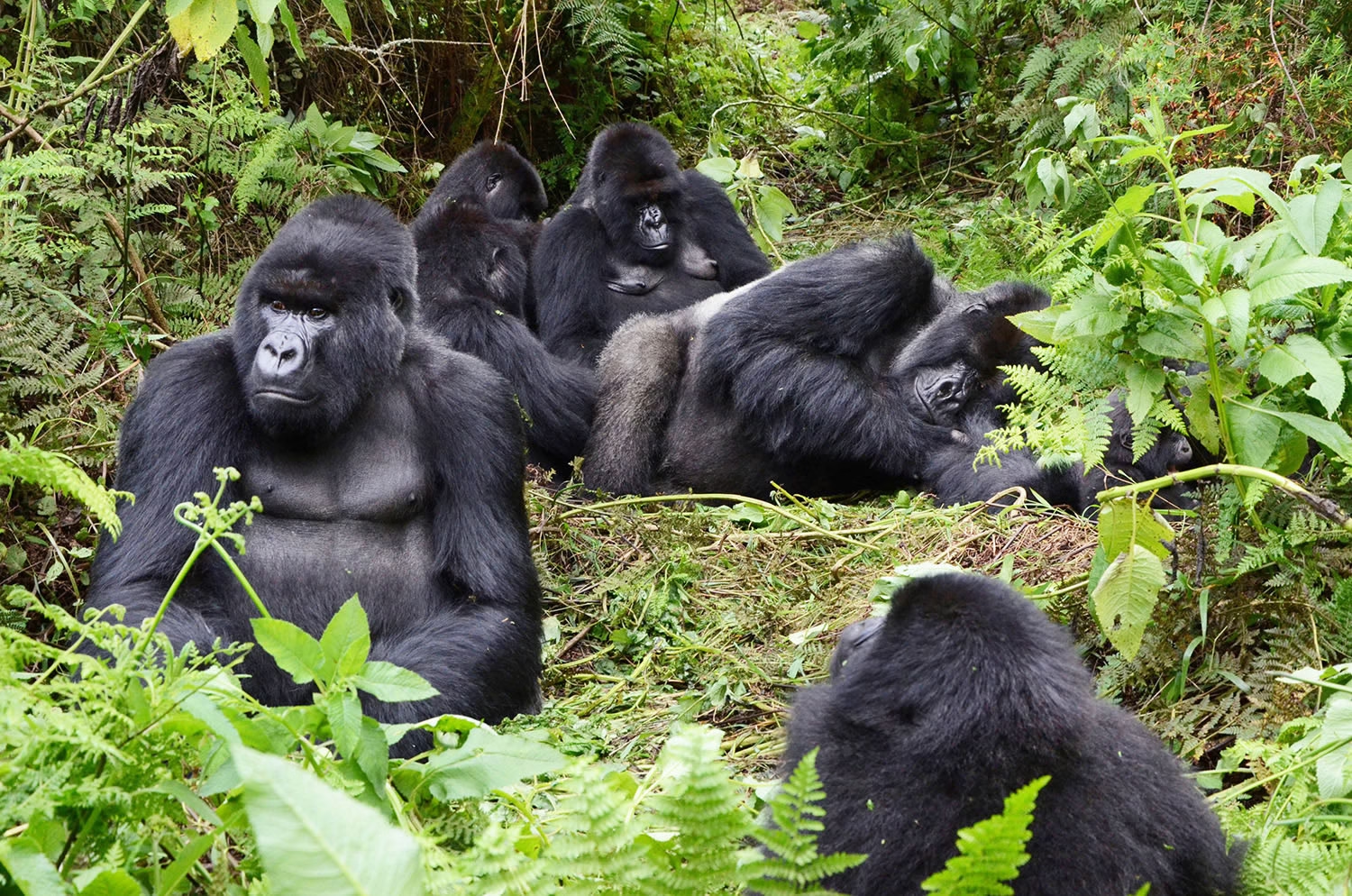
Travel Guide
Rwanda is actively promoting tourism in the Netherlands through trade shows, roadshows, and digital campaigns. Discover how Rwanda is attracting Dutch travelers.
The topic Rwanda promotes tourism in the Netherlands reflects the country’s efforts to build awareness among European travelers through tourism marketing, travel-trade engagement and destination promotion. The Netherlands is an important European travel market, and Rwanda has a tourism product capable of appealing to travelers interested in wildlife, nature, culture, conservation and relatively compact multi-experience itineraries.
Rwanda is best known internationally for mountain gorilla trekking, but its tourism offering extends to Akagera National Park, Nyungwe National Park, Lake Kivu, Kigali, cultural experiences, birdwatching and hiking.
Promoting this broader range of experiences helps position Rwanda as a complete destination rather than somewhere travelers visit only for a single gorilla trek.
Rwanda has developed a strong international tourism identity around conservation, wildlife and high-value nature experiences.
Volcanoes National Park and its mountain gorillas remain central to that identity.
However, successful destination promotion also requires communicating what visitors can do before and after a gorilla trek.
Akagera provides savannah wildlife experiences.
Nyungwe offers rainforest landscapes and primate activities.
Lake Kivu adds waterside relaxation, while Kigali provides cultural, historical and urban experiences.
When Rwanda promotes tourism in the Netherlands, presenting these complementary destinations can encourage longer stays.
Dutch travelers have extensive access to international destinations and are accustomed to comparing experiences across Europe, Africa and other regions.
For Rwanda, awareness is therefore important.
Potential visitors need practical information about what the country offers, how long they should stay and how Rwanda can fit into a wider East African journey.
Travel-trade relationships are also valuable because tour operators and travel advisors can introduce destinations to customers who might not otherwise consider them.
A traveler researching a conventional East African safari may become interested in Rwanda after learning that gorilla trekking, savannah wildlife and rainforest experiences can be combined.
Tourism trade shows create opportunities for destinations, tour operators, accommodation providers and travel professionals to meet directly.
For Rwanda, these events can provide a platform for explaining new tourism products and strengthening relationships with European travel sellers.
Trade engagement is especially useful for a destination involving specialized experiences such as gorilla trekking.
Travel advisors need accurate information about permits, routing, accommodation and appropriate trip duration.
When professionals understand the destination well, they can communicate it more confidently to travelers.
Roadshows offer another format for destination promotion.
Rather than relying exclusively on large international exhibitions, tourism representatives can meet travel professionals through focused presentations and networking events.
These settings allow more detailed conversations about itinerary design.
A Dutch operator might want to understand how Rwanda can be combined with Uganda or Tanzania, while another may be interested in luxury gorilla travel or conservation-focused journeys.
Roadshows can address these different interests directly.
Digital marketing has become essential to destination promotion.
Travelers often begin researching holidays through search engines, social media, video platforms and online travel publications.
Digital campaigns can introduce Rwanda through compelling imagery of mountain gorillas, landscapes, wildlife and cultural experiences.
However, inspiration alone is not enough.
Travelers also need practical information.
Content explaining seasons, permits, transport, accommodation and itinerary options can help turn general interest into actual trip planning.
Mountain gorilla trekking remains one of Rwanda’s strongest tourism experiences.
Treks take place in Volcanoes National Park.
Visitors join regulated groups and enter the forest with guides and trackers to search for habituated gorilla families.
Rwanda’s gorilla permit is priced at USD 1,500 per person for international visitors under the standard permit structure.
The minimum trekking age is 15.
Because permits are limited, travelers should plan early, particularly when visiting during popular periods.
Promoting Volcanoes National Park only through gorillas can overlook other reasons to spend time in the region.
Visitors can explore additional nature, cultural and hiking experiences depending on current availability and individual interests.
The volcanic scenery itself is a major attraction.
Travelers may also spend time learning about conservation and communities around the park.
Encouraging longer stays can distribute tourism spending more broadly than a rapid one-night visit centered entirely on a gorilla trek.
Akagera gives Rwanda a conventional savannah safari dimension.
The park’s lakes, wetlands, woodland and grasslands contrast dramatically with the mountainous landscapes around Volcanoes National Park.
Game drives and boat experiences can be incorporated into an itinerary.
For Dutch travelers considering an African wildlife holiday, Akagera demonstrates that Rwanda can provide more than primate trekking.
Combining Akagera and Volcanoes creates a journey incorporating both savannah wildlife and rainforest or mountain environments.
Nyungwe adds another ecosystem to Rwanda’s tourism portfolio.
Its rainforest landscapes appeal to travelers interested in primates, birds and forest experiences.
Chimpanzee tracking is among the major attractions associated with the wider Nyungwe destination.
Visitors can also explore additional permitted forest activities according to current arrangements.
Including Nyungwe in international tourism promotion helps communicate Rwanda’s ecological diversity.
A traveler can move from savannah to rainforest and volcanic landscapes within one relatively compact country.
Lake Kivu provides an opportunity to slow down between active safari experiences.
Travelers can spend time in lakeside towns, enjoy scenery and incorporate suitable water or cultural activities.
For visitors undertaking early morning wildlife activities and forest trekking, a relaxed lake stay can improve itinerary balance.
This is particularly important in European markets where travelers may be looking for a complete holiday rather than an uninterrupted sequence of physically demanding activities.
Lake Kivu can therefore strengthen Rwanda’s appeal as a multi-experience destination.
Kigali is more than an arrival and departure point.
The city provides accommodation, restaurants, cultural attractions and historical experiences.
Many international travelers spend at least one night in Kigali because of flight schedules.
Tourism promotion can encourage them to spend more time exploring.
A city tour can provide useful context before travelers continue into the countryside.
Kigali also serves as the logistical hub connecting Rwanda’s major tourism regions.
Cultural experiences allow travelers to engage with Rwanda beyond national parks.
Responsible community visits, museums, arts, food and heritage experiences can complement wildlife itineraries.
Dutch travelers interested in meaningful travel may particularly value opportunities to understand local history and contemporary life.
Such experiences should be organized respectfully and provide genuine benefits to local participants.
Tourism marketing is strongest when culture is presented as a living part of Rwanda rather than as a performance existing only for visitors.
Conservation is closely connected with Rwanda’s international tourism identity.
Mountain gorilla tourism demonstrates the relationship between protected areas, tourism revenue and wildlife conservation.
Visitors increasingly ask how their holidays affect ecosystems and communities.
Clear information about conservation can therefore influence destination interest.
However, tourism promotion should avoid reducing complex conservation challenges to simple slogans.
Travelers benefit from understanding that conservation requires long-term habitat protection, scientific monitoring, community participation and responsible visitor behavior.
Rwanda can appeal to active travelers interested in hiking, primate trekking and nature.
The country’s hilly landscapes create opportunities for itineraries involving more movement than a traditional vehicle-based safari.
Cycling and hiking experiences can be incorporated depending on route and traveler ability.
This can be attractive to visitors who want physical activity alongside wildlife viewing.
Careful itinerary planning is important because trekking and hiking should be balanced with recovery time.
Another promotional strength is Rwanda’s position within East Africa.
Travelers can combine Rwanda with Uganda, Kenya or Tanzania depending on available time, flight routes and immigration arrangements.
A Rwanda gorilla experience might be followed by a Tanzanian savannah safari.
Alternatively, Rwanda can be combined with Uganda for a broader primate and wildlife journey.
Multi-country itineraries can be particularly attractive to long-haul European travelers seeking to maximize a major African trip.
The phrase Rwanda promotes tourism in the Netherlands ultimately matters because marketing must translate awareness into practical travel decisions.
Potential visitors need more than attractive photographs.
They need clear information about costs, permits, seasons, transport, accommodation and the amount of time required.
Travel professionals can bridge this gap by transforming destination information into realistic itineraries.
Digital resources can reinforce that process by answering common planning questions.
Dutch travelers considering Rwanda should begin by identifying their priorities.
Gorilla trekking requires advance permit planning.
Travelers interested in a broader safari can add Akagera, while forest enthusiasts can include Nyungwe.
Lake Kivu provides relaxation and Kigali adds urban and cultural context.
A well-paced itinerary reveals why Rwanda can support a complete holiday rather than a brief extension.
Through trade engagement, roadshows, digital campaigns and destination storytelling, Rwanda can continue building awareness among Dutch travelers.
The strongest message is the diversity available within the country: mountain gorillas, savannah wildlife, rainforest, lakes, culture and a capital city can all become part of one thoughtfully planned Rwanda journey.

Nshongi Gorilla Family in Bwindi: History, Location and Trekking Guide The Nshongi Gorilla Family holds an important place…
Read article →
Mishaya Gorilla Family in Bwindi: History, Trekking and What to Know The Mishaya Gorilla Family is one of…
Read article →
Semuliki Hot Springs Visit Guide: What to Expect Semuliki Hot Springs offers one of the most unusual natural…
Read article →
Kidepo Valley Remote Safari Guide: What to Expect Kidepo Valley National Park offers one of Uganda's most remote…
Read article →