

Nshongi Gorilla Family in Bwindi
Nshongi Gorilla Family in Bwindi: History, Location and Trekking Guide The Nshongi Gorilla Family holds an important place…
Read article →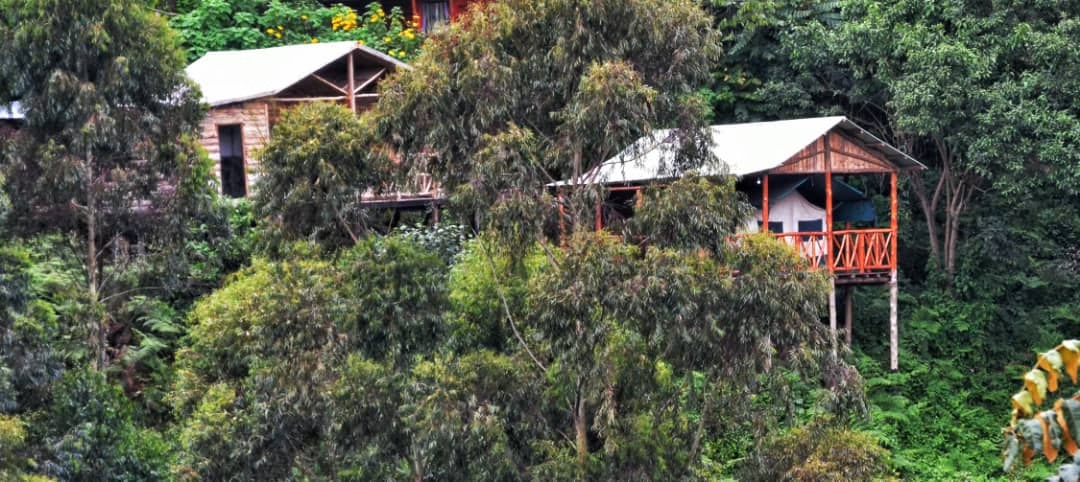
Travel Guide
Stay at Ruhija Community Rest Camp, an affordable lodge in Bwindi’s Ruhija Sector. Perfect for gorilla trekking, community tours, and nature walks.
Ruhija Community Rest Camp provides travelers with a budget-conscious accommodation option in the Ruhija area associated with Bwindi Impenetrable National Park. The supplied source presents the camp as particularly useful for gorilla trekkers because of its location near the Ruhija park gate and its community-run character.
For travelers planning a gorilla safari, accommodation serves a practical purpose beyond providing somewhere to sleep.
Gorilla trekking mornings begin early, so staying conveniently positioned for the appropriate trekking sector can simplify the day considerably. A lodge that also connects visitors with the surrounding community adds another dimension to the stay.
The source describes Ruhija Community Rest Camp as supporting local development and conservation-related initiatives while offering accommodation, meals, access to birding and nature activities, and opportunities for cultural interaction.
The supplied source places Ruhija Community Rest Camp close to the Ruhija park gate.
This is one of its most important practical advantages.
Gorilla trekking arrangements are tied to specific areas, so travelers should ensure their accommodation corresponds appropriately with their confirmed trekking plans.
Staying in the correct area reduces unnecessary early morning transfers.
This becomes particularly important on trekking day, when visitors need to reach the briefing point at the required time.
The source describes the camp as a community-run initiative.
This means the value of a stay extends beyond accommodation.
Community-based tourism can help direct visitor spending toward local development and create economic connections between tourism and people living around protected areas.
For travelers interested in responsible tourism, this model can be appealing because accommodation spending is linked more directly with the surrounding community.
Ruhija Community Rest Camp is presented as affordable rather than highly luxurious.
The supplied source emphasizes clean, well-maintained accommodation suited to different budgets.
This positioning is important for travelers who want to prioritize the gorilla experience without allocating a large portion of the safari budget to premium lodging.
Comfort after a forest trek still matters, but comfort does not necessarily require elaborate facilities.
A warm meal, clean room, shower, and peaceful environment may be exactly what a trekker needs.
The source identifies self-contained cottages with en-suite bathrooms among the accommodation choices.
These can appeal to travelers who prefer additional privacy and private bathroom facilities.
A cottage-style room also provides a comfortable base for organizing trekking equipment before departure and resting after returning from the forest.
Visitors should confirm the exact room type and facilities available when booking because accommodation configurations can change.
Safari tents provide another option mentioned in the supplied material.
This style of accommodation can create a stronger sense of connection with the natural environment while still providing an organized lodging experience.
Travelers who enjoy the atmosphere of safari-style camps may prefer this option.
The exact facilities should be confirmed before travel so guests understand the level of comfort included.
The source also refers to simpler budget rooms.
These are useful for travelers whose priority is affordability.
A gorilla safari already includes substantial expenses associated with permits, transportation, and guiding, so choosing simpler accommodation can help manage the overall budget.
The key is to select a room that still provides the basic comfort needed before and after physically demanding activities.
The surrounding environment contributes to the character of the camp.
The supplied source describes gardens and forest views that create a peaceful atmosphere.
This matters because Bwindi is not simply a destination for a few hours of gorilla trekking.
The broader forest landscape is part of the experience.
Spending an evening in a quieter setting allows travelers to appreciate the environment before entering the park the following morning.
The source describes an on-site restaurant serving freshly prepared food, with some ingredients associated with local farms.
Meals become particularly important on trekking days.
An early and substantial breakfast helps visitors prepare for a potentially long forest walk.
After trekking, a warm dinner can be especially welcome.
The source also mentions packed lunches for day activities, which can be useful when guests expect to remain away from the lodge for several hours.
The night before trekking should be used to organize essential equipment.
Visitors can prepare footwear, rain protection, clothing, documents, water, and camera equipment.
This reduces stress during the early morning departure.
The proximity of Ruhija Community Rest Camp to the trekking area is helpful, but travelers still need to be ready on time.
A relaxed evening and proper preparation can make the following morning smoother.
Gorilla trekking is identified as the main attraction for many guests staying at the camp.
Visitors attend the required briefing and then enter the forest with professional guides and trackers.
The trek can vary considerably according to the gorillas’ location.
Terrain may be steep, muddy, or densely vegetated.
Travelers should therefore prepare for a genuine hiking experience.
The camp functions as the comfortable base on either side of this forest adventure.
After several hours in Bwindi, returning to a nearby accommodation can be especially convenient.
Travelers may be tired, muddy, or simply ready to rest after the excitement of the encounter.
The opportunity to shower, eat, and relax without another major road transfer makes the location valuable.
Guests can then spend the evening reviewing photographs and reflecting on the trek.
The supplied source highlights birdwatching as another activity accessible from the camp and describes Ruhija as a significant birding area.
It specifically mentions the Grauer’s broadbill among species of interest.
Dedicated birders may therefore choose Ruhija for more than gorilla trekking.
Forest birding requires patience because vegetation can make birds difficult to see even when they are heard clearly.
Professional guiding can greatly improve the experience.
Birdwatching works well before or after the main gorilla trek.
It encourages visitors to slow down and pay attention to smaller details in the forest ecosystem.
A gorilla trek naturally concentrates attention on one highly charismatic species.
Birding broadens that focus.
Travelers begin noticing canopy movement, calls, vegetation, and habitat differences.
This can create a more complete understanding of Bwindi’s biodiversity.
The source also lists nature walks among activities available in the Ruhija area.
A guided walk provides another opportunity to experience Bwindi beyond the gorilla encounter.
The objective may be landscape, plants, birds, smaller wildlife, or simply enjoying the forest environment.
Visitors should use appropriate guides and follow local regulations because Bwindi remains a protected wildlife habitat.
Cultural experiences are another activity identified in the supplied source.
The material refers to visits involving Batwa and Bakiga communities.
Such experiences can provide insight into the people living within the wider Bwindi region.
Visitors should approach community tourism respectfully and allow local hosts to explain their own culture, traditions, and contemporary lives.
A responsible cultural visit should create meaningful interaction rather than reducing communities to brief photo opportunities.
The supplied source includes mountain biking along scenic trails among activities associated with the area.
This can provide an active alternative for travelers spending additional time around Ruhija.
Cycling changes the pace of exploration and can reveal landscapes outside the immediate trekking environment.
Travelers should confirm current availability, routes, and guiding arrangements locally before building the activity into an itinerary.
The source emphasizes friendly and welcoming staff as part of the camp’s community-owned identity.
Hospitality can significantly influence a safari because travelers often spend several evenings at lodges between activities.
Conversations with staff can provide insight into local life and help visitors understand the region beyond wildlife tourism.
A community-based property creates opportunities for these interactions to become part of the overall experience.
The supplied source identifies June to September and December to February as periods associated with more comfortable trekking conditions.
It describes the wetter seasons as greener and potentially quieter but with muddier trails.
Bwindi remains a rainforest environment, so visitors should be prepared for moisture and changing weather regardless of the month.
The most appropriate time depends on the traveler’s schedule, permit availability, and tolerance for wetter conditions.
Gorilla trekking is often perceived as an expensive activity because the permit itself represents a significant cost.
Choosing accommodation such as Ruhija Community Rest Camp can help travelers manage the remaining safari budget.
A lower accommodation price does not reduce the importance of selecting the correct location.
Convenience for the trekking sector should remain a priority.
Saving money on a lodge located inconveniently far from the required briefing point can create unnecessary logistical problems.
The community-run structure highlighted in the source gives visitors another reason to consider the camp.
Tourism around protected areas is more sustainable when nearby communities can participate economically.
Accommodation, guiding, cultural activities, food supply, and other services can all create connections between conservation tourism and local livelihoods.
Travelers contribute simply by choosing services that incorporate community involvement responsibly.
Ruhija Community Rest Camp is presented by the supplied source as a practical and affordable accommodation option for travelers visiting Bwindi’s Ruhija Sector.
Its appeal comes from the combination of location, community ownership, simple accommodation choices, meals, forest surroundings, and access to activities beyond gorilla trekking.
Guests can use the camp as a base for their main gorilla experience while also exploring birdwatching, nature walks, cultural visits, and other activities available in the region.
For budget-conscious travelers who value proximity to Ruhija and want their stay connected with the surrounding community, the camp provides a straightforward base from which to experience Bwindi.

Nshongi Gorilla Family in Bwindi: History, Location and Trekking Guide The Nshongi Gorilla Family holds an important place…
Read article →
Mishaya Gorilla Family in Bwindi: History, Trekking and What to Know The Mishaya Gorilla Family is one of…
Read article →
Semuliki Hot Springs Visit Guide: What to Expect Semuliki Hot Springs offers one of the most unusual natural…
Read article →
Kidepo Valley Remote Safari Guide: What to Expect Kidepo Valley National Park offers one of Uganda's most remote…
Read article →