

Nshongi Gorilla Family in Bwindi
Nshongi Gorilla Family in Bwindi: History, Location and Trekking Guide The Nshongi Gorilla Family holds an important place…
Read article →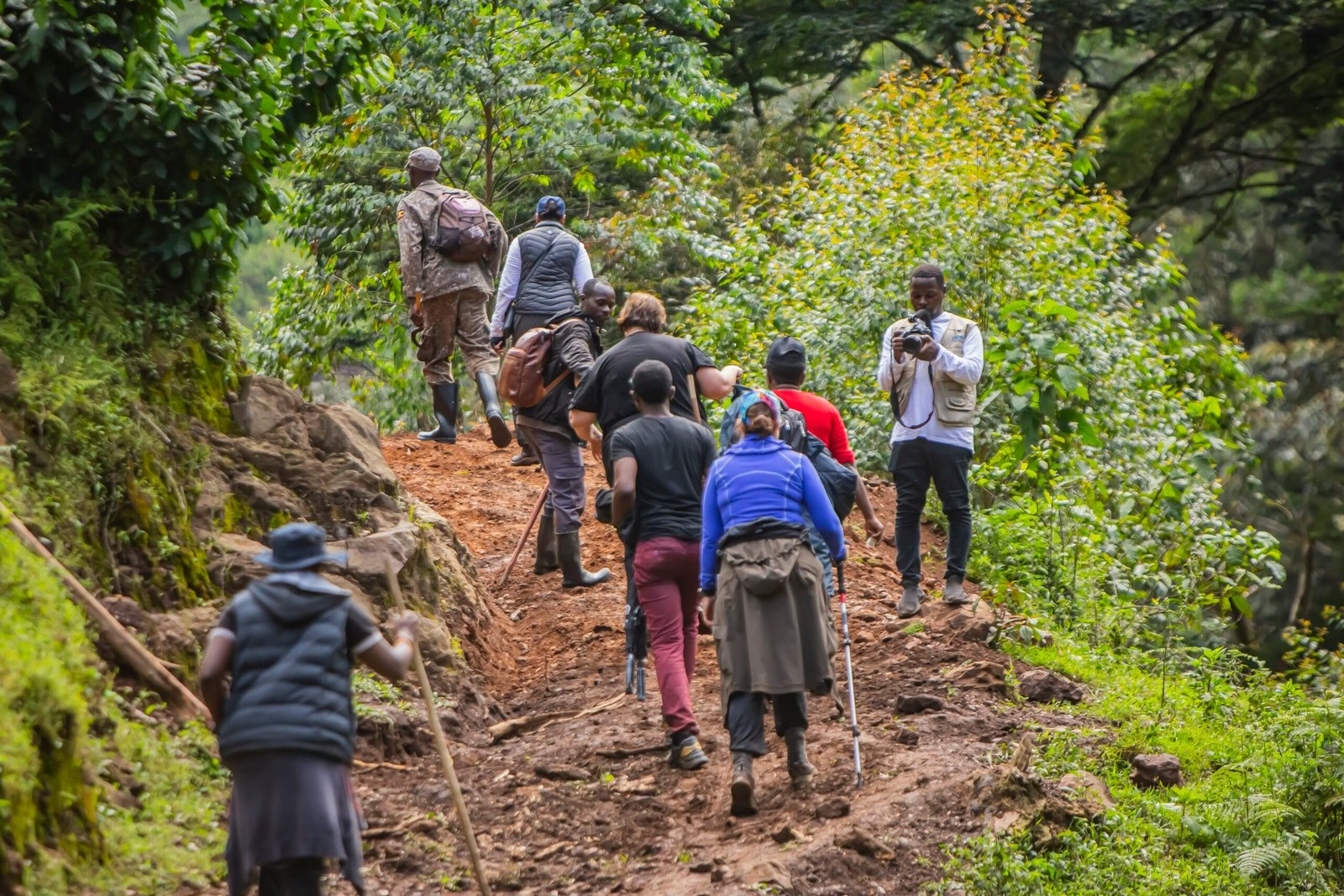
Travel Guide
Learn about common challenges tourists face in Uganda, including roads, health, permits, and wildlife safety. Get practical tips for a smooth safari.
Understanding the problems tourists face Uganda can help travelers prepare for a smoother safari. Uganda offers mountain gorillas, chimpanzees, savannah wildlife, lakes, rivers and diverse landscapes, but a successful journey requires realistic planning. Road travel can take time, permit-based activities need advance organization and visitors should prepare carefully for health and wildlife considerations.
Most travel challenges become easier to manage when they are anticipated before arrival. A well-designed itinerary should include realistic driving times, suitable accommodation and confirmed activity arrangements.
Travelers should also maintain flexibility. Weather, road conditions and wildlife movement are not controlled by an itinerary, and accepting this unpredictability is part of responsible safari travel.
One of the first challenges visitors may notice is the amount of road travel required between some destinations.
Uganda is not a country where every major attraction sits close to the international airport.
A safari combining several national parks can involve substantial transfers.
Travelers should examine the itinerary carefully before booking.
A day described only as “transfer to the next park” may contain many hours on the road.
Realistic planning helps prevent disappointment.
Road conditions can vary according to route, weather and ongoing works.
Travelers should avoid calculating safari times using distance alone.
A relatively short distance may take longer than expected.
Inside or near wildlife areas, some roads may also be rougher than urban routes.
A suitable safari vehicle and experienced driver are valuable.
Visitors should avoid pressuring drivers to travel at unsafe speeds because they are worried about reaching the lodge quickly.
Safety should remain the priority.
An itinerary containing constant early starts, long drives and one-night stays can become exhausting.
Travelers sometimes try to visit every famous attraction within a limited holiday.
This may create an impressive-looking itinerary but a poor travel experience.
Spending two or more nights in selected destinations can reduce packing and transfer fatigue.
Rest should be treated as part of the holiday.
This is particularly important for families, older travelers and visitors preparing for physically demanding activities such as gorilla trekking.
Permit-based activities require careful organization.
Travelers should not arrive expecting to arrange every major primate experience at the last minute.
Availability can influence the entire itinerary.
A sensible approach is to confirm the key permit first and then arrange accommodation and transport around it.
Visitors should also make sure the activity location corresponds with their lodge.
This is especially important in destinations where different activity sectors or starting points exist.
Travelers should obtain appropriate professional health advice before visiting Uganda.
The exact recommendations depend on individual circumstances and the current requirements relevant to the trip.
Personal medication should be packed in sufficient quantity.
Visitors should also carry essential medication in hand luggage during international flights where appropriate.
Travel insurance is important.
Travelers should understand what their policy covers, particularly if the itinerary includes trekking or remote safari destinations.
Primate tourism requires particular health responsibility.
Travelers who become unwell should communicate honestly with the relevant operator or authorities.
Trying to hide illness because a permit was expensive can create risks for wildlife.
Visitors should follow all current health rules provided for the activity.
These requirements can change.
Official instructions for the actual trekking date should therefore take priority over old online information.
Wild animals should never be treated as tame simply because visitors encounter them near lodges or safari vehicles.
Travelers should follow guide instructions at all times.
Leaving a vehicle without permission can create unnecessary risk.
Animals should never be fed.
Visitors should also avoid approaching wildlife on foot unless participating in a properly managed activity where this is permitted.
Photography does not justify ignoring safety instructions.
Gorilla trekking can be physically demanding.
The terrain may be steep, muddy and uneven.
The amount of walking varies because gorillas move naturally.
Travelers should prepare with regular walking before the trip.
Strong footwear and practical clothing are essential.
A rain jacket should remain accessible.
Visitors should consider using legitimate porter services where available, particularly if they want assistance with a daypack or difficult terrain.
Uganda’s varied landscapes mean weather can change between destinations.
Visitors should pack layers rather than relying on one type of clothing.
Rain protection is especially important for forest activities.
Sun protection is useful during open safari drives.
Travelers should avoid allowing rain to automatically ruin the experience.
Wildlife viewing and trekking continue to be shaped by natural conditions, and proper clothing makes variable weather much easier to manage.
Travelers should not assume that every remote safari location provides the same connectivity they experience in a major city.
Internet quality can vary.
Power arrangements may also differ between properties.
Visitors who need to work during the trip should confirm current facilities before booking.
Camera users should bring appropriate charging equipment and spare batteries.
A power bank can also be useful where appropriate.
The safari should be planned so that temporary disconnection does not create unnecessary stress.
Travelers should understand how they will pay for services before entering remote areas.
Not every small business or remote service should be assumed to accept the same payment methods.
Major safari expenses are usually best clarified before arrival.
Visitors should keep money and cards secure.
Any cash carried should be managed discreetly.
Travelers should ask their operator about practical payment expectations for the specific itinerary rather than relying on assumptions from another destination.
Overpacking is common.
Travelers sometimes bring large amounts of clothing but forget essential safari items.
Practical footwear, rain protection, sun protection and necessary medication are more important than extensive formal clothing.
Those using small aircraft should check luggage restrictions.
A soft-sided bag may be more practical on some safari routes.
Packing should reflect the actual activities included rather than a generic holiday checklist.
Another potential problem occurs when travelers attempt to connect a distant safari destination directly with an international departure.
Road delays can happen.
A final night near Entebbe can create useful flexibility.
This is particularly sensible after a safari involving long transfers.
Visitors can rest, reorganize luggage and prepare for the flight.
The same principle applies on arrival.
Starting a major road journey immediately after a long international flight may not be ideal for every traveler.
No safari guide can guarantee the behavior of wild animals.
Visitors may arrive expecting to see every species on a personal checklist.
This can create unnecessary disappointment.
Wildlife viewing is strongest when travelers appreciate the complete ecosystem.
Birds, landscapes and animal behavior can be fascinating even when a famous predator is not visible.
Patience is one of the most useful safari skills.
The unpredictability of wildlife is precisely what makes authentic encounters meaningful.
Travelers should approach local communities respectfully.
Photography is a common source of misunderstanding.
Visitors should ask permission before taking close photographs of individuals.
Cultural experiences should not be treated as performances created solely for tourists.
A local guide can help explain appropriate behavior.
Travelers who remain curious and respectful usually gain more from cultural interactions than those who arrive with fixed assumptions.
A strong itinerary reduces many of the problems tourists face Uganda.
Driving times should be realistic.
Permits should be confirmed.
Accommodation should correspond with activity locations.
Airport transfers should be clearly arranged.
Travelers should know what is included in the package and what remains their responsibility.
Questions should be asked before payment rather than after arrival.
Clear communication between the traveler and safari operator prevents many avoidable problems.
The common challenges of traveling in Uganda should not discourage visitors.
They simply demonstrate the importance of preparation.
Road journeys require time, forest activities require suitable clothing and permit-based experiences need advance planning.
Travelers should obtain appropriate health advice, purchase suitable insurance and follow wildlife safety rules.
They should also remain flexible when natural conditions change.
A Uganda safari is often most rewarding when visitors accept that the journey includes both adventure and unpredictability.
With realistic expectations, a sensible itinerary and responsible behavior, travelers can minimize common difficulties and concentrate on Uganda’s forests, wildlife, landscapes and cultural experiences.

Nshongi Gorilla Family in Bwindi: History, Location and Trekking Guide The Nshongi Gorilla Family holds an important place…
Read article →
Mishaya Gorilla Family in Bwindi: History, Trekking and What to Know The Mishaya Gorilla Family is one of…
Read article →
Semuliki Hot Springs Visit Guide: What to Expect Semuliki Hot Springs offers one of the most unusual natural…
Read article →
Kidepo Valley Remote Safari Guide: What to Expect Kidepo Valley National Park offers one of Uganda's most remote…
Read article →