

Nshongi Gorilla Family in Bwindi
Nshongi Gorilla Family in Bwindi: History, Location and Trekking Guide The Nshongi Gorilla Family holds an important place…
Read article →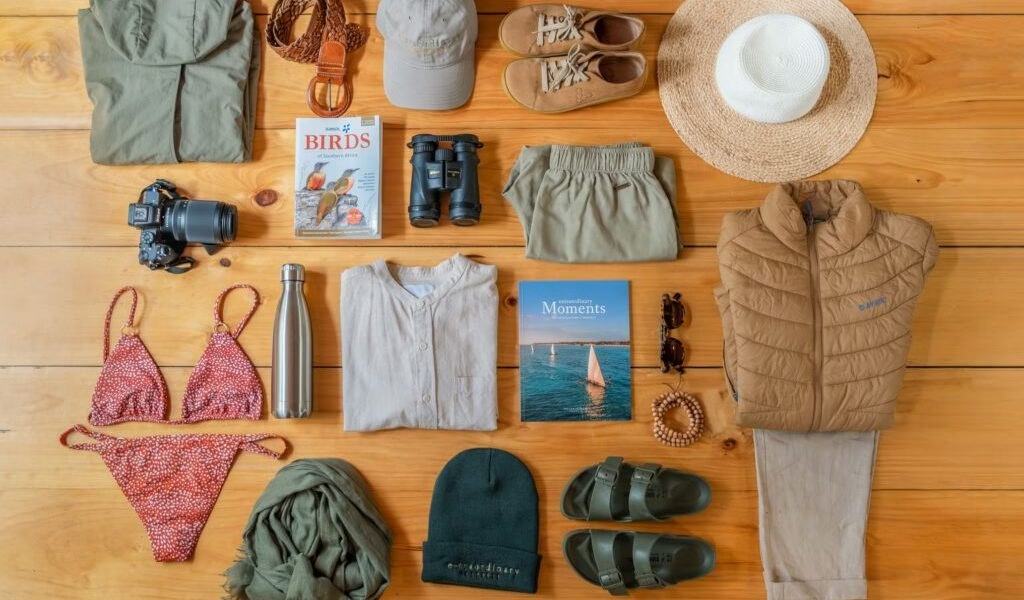
Travel Guide
Discover the ultimate packing list for Queen Elizabeth National Park. Learn what clothes, gear, and essentials to bring for a comfortable and safe safari in Uganda.
Preparing the right Packing List for Queen Elizabeth National Park can make a significant difference to your Uganda safari. The park combines open savannah, wetlands, crater landscapes, woodland and the Kazinga Channel, so visitors may experience warm afternoons, cool mornings, dust, rain and changing conditions within the same trip.
Packing does not need to be complicated. The goal is to bring lightweight, practical clothing and essential safari equipment without carrying unnecessary luggage. Travelers arriving by domestic aircraft should pay particular attention to baggage restrictions, while those traveling entirely by road usually have greater flexibility.
This guide explains the essentials to consider for a comfortable Queen Elizabeth National Park safari.
Neutral-colored lightweight clothing is ideal for most safari activities. Shirts in shades such as khaki, beige, brown or muted green are practical and blend naturally with the environment.
Lightweight long trousers provide protection from sun, vegetation and insects. Shorts can be comfortable around the lodge, although long trousers are often preferable for early morning and evening activities.
Pack several breathable shirts that can be layered according to temperature.
Avoid relying entirely on heavy clothing. Queen Elizabeth National Park can become warm during the day, and breathable fabrics are much more comfortable during game drives.
Your Packing List for Queen Elizabeth National Park should emphasize versatile items that can be worn more than once.
Uganda’s equatorial location does not mean every safari moment is hot. Early morning game drives can feel cool, especially when traveling in an open or partially open safari vehicle.
A fleece, sweater or lightweight jacket is usually sufficient.
Layering is more useful than carrying a bulky winter coat. You can wear the extra layer during an early departure and remove it as temperatures rise.
Evenings can also become cooler after rain, making a lightweight warm layer useful around the lodge.
Rain can occur in Queen Elizabeth National Park during different times of year. A lightweight waterproof jacket should therefore be included even when traveling during a relatively dry period.
Choose something compact enough to keep in your daypack.
A small waterproof cover can protect cameras, binoculars and electronics if rain arrives unexpectedly.
Travelers should not allow the possibility of rain to discourage them. Changing weather often creates dramatic skies and beautiful photography conditions.
Being prepared simply makes the experience more comfortable.
Most standard game drives involve relatively little walking, so heavy trekking boots are not essential for every visitor.
Comfortable closed shoes or lightweight walking shoes are suitable for many safari activities. They protect feet from dust and provide better support than flip-flops when moving around outdoor areas.
Travelers adding nature walks or other activities should check whether more supportive footwear is required.
Sandals or flip-flops can still be useful around the lodge, swimming pool or room.
Packing one practical closed pair and one lightweight casual pair is usually sufficient.
The equatorial sun can be intense even when temperatures feel comfortable. Sunscreen with appropriate protection should be used regularly.
A wide-brimmed hat or cap helps protect the face and neck during outdoor activities.
Sunglasses are also essential, particularly during bright afternoon game drives or boat trips on the Kazinga Channel.
Lip balm with sun protection can be useful for travelers who are sensitive to dry conditions.
Sun protection belongs near the top of any Packing List for Queen Elizabeth National Park because visitors may spend several hours outdoors each day.
Binoculars can transform a safari experience. Animals are not always positioned directly beside the road, and binoculars allow visitors to observe distant wildlife without disturbing it.
They are particularly valuable for birdwatching. Queen Elizabeth National Park supports remarkable bird diversity across wetlands, grasslands, woodland and water environments.
On the Kazinga Channel, binoculars help visitors observe birds along the banks and in surrounding vegetation.
Each traveler does not necessarily need a separate pair, but having enough binoculars to avoid constantly sharing can make wildlife viewing more enjoyable.
Modern smartphones can produce excellent safari photographs, but travelers interested in wildlife photography may want a dedicated camera with a suitable zoom lens.
Wild animals should never be approached simply to obtain a closer photograph. A telephoto lens provides safer and more respectful opportunities.
Bring spare batteries, charging equipment and sufficient memory-card capacity.
Dust can accumulate on camera equipment during game drives, so a protective bag and cleaning cloth are useful.
Photographers should also consider a beanbag or another stable support suitable for use inside a safari vehicle.
A small daypack keeps essentials organized during activities.
It can carry water, sunscreen, a rain jacket, camera accessories, medication and other personal items.
Choose a bag that is comfortable and not excessively large. A safari vehicle may already contain several travelers and their equipment, so compact luggage is easier to manage.
A waterproof or water-resistant daypack offers additional protection during unexpected showers.
Hydration is essential during warm safari days. Many responsible safari operators and lodges are working to reduce unnecessary single-use plastic, making reusable bottles increasingly practical.
An insulated bottle can help keep water cooler during long game drives.
Confirm whether drinking-water refills are available through your accommodation or safari operator.
Never rely on untreated water unless specifically advised that it is safe for drinking.
Insect repellent is an important addition to your Packing List for Queen Elizabeth National Park.
Apply it according to product instructions, particularly during evenings and in areas where mosquitoes are active.
Long sleeves and trousers can provide additional protection during dawn and dusk.
Travelers should obtain personalized medical advice before visiting Uganda, including information about malaria prevention and any relevant vaccinations or health precautions.
Medical recommendations can change and should come from qualified health professionals.
Bring enough prescription medication for the entire journey, plus a reasonable reserve in case travel plans change.
Keep essential medication in your hand luggage rather than packing everything in checked baggage.
A simple personal first-aid kit may include adhesive dressings, antiseptic, pain relief and any medication you commonly use.
Your safari vehicle or lodge may have broader first-aid supplies, but travelers should still carry personal essentials.
If you have allergies or important medical conditions, ensure relevant companions or guides know what to do in an emergency.
Keep your passport, travel insurance information and necessary booking documentation secure and accessible.
Electronic copies of important documents can provide useful backup.
Travelers should carry appropriate payment methods for personal expenses, tips and purchases. Access to cash machines can be limited once inside or near remote safari areas, so arrange necessary cash before reaching the park.
Avoid carrying excessive cash in one location. Divide important items securely between appropriate bags or use accommodation safes where available.
Phones, cameras and other electronics need reliable charging arrangements.
Bring the correct adapters for Uganda and check the voltage requirements of your devices.
A power bank can be particularly useful during long game drives. Make sure it is fully charged before leaving the lodge.
Some safari properties may operate on solar power or generators, meaning electricity can be available during designated hours rather than continuously.
Charging devices whenever power is available helps prevent inconvenience.
A boat safari on the Kazinga Channel is one of Queen Elizabeth National Park’s signature experiences.
Sun protection is particularly important because reflected sunlight from the water can increase exposure. Bring a hat, sunglasses and sunscreen.
Binoculars and cameras are valuable because the channel offers excellent opportunities to observe hippos, waterbirds and animals along the shoreline.
A lightweight rain jacket can also be useful because weather may change while you are on the water.
Keep electronics protected from spray and unexpected rain.
For game drives, prioritize comfort and easy access to equipment.
Keep binoculars, cameras and water within reach rather than buried in large luggage.
A scarf or lightweight buff can help during dusty conditions, particularly on dry roads.
Avoid wearing very bright clothing if you prefer a more traditional safari style, although comfort and practicality remain the main priorities.
Game drives can begin before sunrise and continue for several hours, so layers work particularly well.
Safari travelers often bring more clothing than they actually use.
Many lodges provide laundry services, although availability, turnaround time and restrictions should be confirmed directly.
Heavy formal clothing is generally unnecessary unless your itinerary includes a separate event requiring it.
Multiple pairs of bulky shoes also consume valuable luggage space.
Focus on clothing that can be mixed, matched and layered.
A lighter bag is easier to manage during road transfers and particularly valuable when using small domestic aircraft with stricter baggage allowances.
Your final packing requirements depend on where else you are traveling.
Visitors combining Queen Elizabeth National Park with Bwindi may need stronger hiking boots, gardening-style gloves and more substantial rain protection for gorilla trekking.
Travelers continuing to Kibale for chimpanzee tracking may also need clothing suitable for forest walks.
Those visiting only savannah destinations can pack more lightly.
Review the entire itinerary before closing your suitcase rather than packing for each destination separately. Many items can serve several purposes.
A practical Packing List for Queen Elizabeth National Park should focus on lightweight clothing, layers, sun protection, rain protection, comfortable shoes, binoculars and essential personal items.
Pack for changing conditions rather than expecting every day to be identical. Warm afternoons can follow cool mornings, and sunshine can quickly give way to a tropical shower.
Keep important safari equipment accessible during activities. A camera is less useful if it is buried beneath luggage when an elephant appears beside the road.
Most importantly, avoid overpacking. Queen Elizabeth National Park is about spending time outdoors, observing wildlife and enjoying Uganda’s landscapes. Practical preparation allows you to concentrate on those experiences instead of worrying about what you forgot at home.
With suitable clothing, basic safari gear and thoughtful preparation, you will be ready for game drives, Kazinga Channel excursions and the remarkable variety of wildlife experiences that make Queen Elizabeth National Park one of Uganda’s best-known safari destinations.

Nshongi Gorilla Family in Bwindi: History, Location and Trekking Guide The Nshongi Gorilla Family holds an important place…
Read article →
Mishaya Gorilla Family in Bwindi: History, Trekking and What to Know The Mishaya Gorilla Family is one of…
Read article →
Semuliki Hot Springs Visit Guide: What to Expect Semuliki Hot Springs offers one of the most unusual natural…
Read article →
Kidepo Valley Remote Safari Guide: What to Expect Kidepo Valley National Park offers one of Uganda's most remote…
Read article →